How to Treat Body Discoloration: Effective Skin Discoloration Treatment
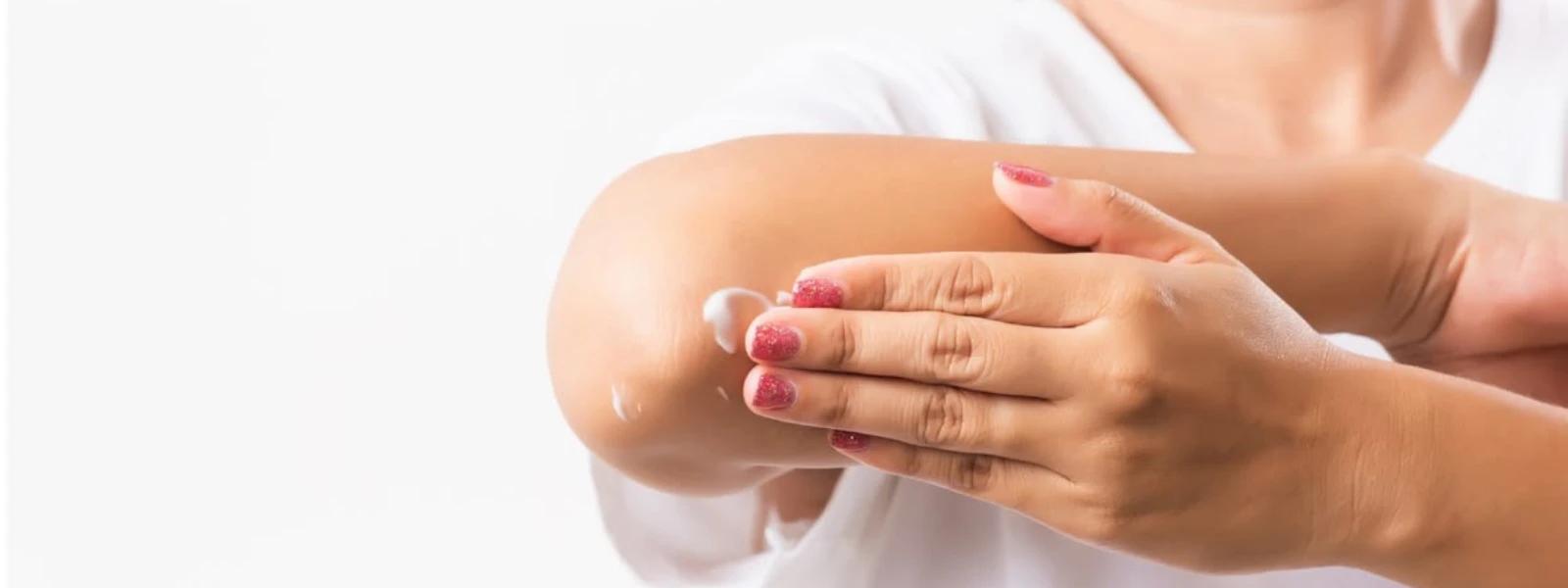

You've noticed those stubborn dark patches on your underarms, or perhaps the uneven tone across your chest that seems to have appeared from nowhere. Body discoloration affects millions of people, yet it remains one of the most frustrating skincare concerns to address. Unlike facial hyperpigmentation, body discoloration often covers larger areas and can feel overwhelming to treat. The good news? With the right approach and consistent care, you can significantly improve uneven skin tone and restore confidence in your skin.
Before diving into treatment options, it's crucial to understand why skin discoloration occurs on the body. Unlike your face, body skin is often neglected in daily skincare routines, making it more susceptible to various forms of pigmentation issues. The causes range from environmental factors to internal changes, and identifying the root cause helps determine the most effective treatment approach.
Sun exposure remains the primary culprit behind most body discoloration. Those weekend beach trips and daily commutes add up over time, creating age spots and uneven patches across exposed areas like shoulders, arms, and décolletage. Post-inflammatory hyperpigmentation from acne, eczema, or even minor injuries can leave lasting marks, particularly on areas prone to friction like inner thighs and underarms.
Hormonal fluctuations during pregnancy, menopause, or whilst taking certain medications can trigger melasma-like patches on the body. Additionally, conditions like diabetes can cause acanthosis nigricans, creating dark, velvety patches in skin folds.
Not all discoloration is created equal. Hyperpigmentation appears as darker patches where melanin production has increased, whilst hypopigmentation shows as lighter areas where melanin production has decreased. Some discoloration affects only the surface layers of skin, making it easier to treat, whilst deeper pigmentation requires more intensive intervention.
When over-the-counter products aren't delivering results, professional treatments offer more intensive solutions for treating discoloration on skin. These procedures target pigmentation at different depths and can dramatically improve skin tone over time. However, they require proper consultation and aftercare to ensure safety and effectiveness.
Chemical peels work by removing damaged surface layers of skin, revealing fresher, more evenly toned skin underneath. Glycolic acid peels are particularly effective for surface-level discoloration, whilst deeper peels using trichloroacetic acid can address more stubborn pigmentation. Body peels typically require a series of treatments spaced 4-6 weeks apart for optimal results.
The treatment process involves applying the chemical solution to clean skin, allowing it to penetrate for a specific time, then neutralising and removing it. Expect some peeling and sensitivity for several days post-treatment, making sun protection absolutely essential during the healing process.
Laser therapy offers precise targeting of pigmented areas without affecting surrounding healthy skin. IPL (Intense Pulsed Light) treatments work well for widespread discoloration, whilst Q-switched lasers excel at treating specific dark spots. These treatments break down melanin deposits, allowing the body's natural processes to clear away the pigmentation over time.
Most patients require 3-6 sessions spaced 4-8 weeks apart, with gradual improvement visible between treatments. The procedure feels like rubber band snaps against the skin, and temporary darkening of treated areas is normal before they eventually fade.
The foundation of any successful skin discoloration treatment lies in consistent use of proven active ingredients. Body skin can tolerate stronger concentrations than facial skin, making it possible to use more potent formulations for faster results. The key is choosing the right ingredients for your specific type of discoloration and skin sensitivity level.
Hydroquinone remains the gold standard for treating hyperpigmentation, available in concentrations up to 2% over-the-counter or stronger with prescription. It works by inhibiting tyrosinase, the enzyme responsible for melanin production. Start with lower concentrations to assess tolerance, and always use alongside broad-spectrum SPF.
Retinoids accelerate cell turnover, helping to shed pigmented cells more quickly whilst preventing new discoloration from forming. Tretinoin offers the most potent results, though adapalene provides a gentler introduction to retinoid therapy. Begin with twice-weekly application and gradually increase frequency as your skin adapts.
Kojic acid and arbutin provide gentler alternatives to hydroquinone, particularly suitable for sensitive skin or long-term maintenance. These ingredients work similarly to hydroquinone but with less risk of irritation or rebound pigmentation.
L-ascorbic acid (vitamin C) not only brightens existing discoloration but also prevents future damage by neutralising free radicals. For body use, look for concentrations between 10-20%, and consider more stable forms like magnesium ascorbyl phosphate if you experience irritation.
Niacinamide deserves special mention for its versatility in addressing uneven skin tone. At concentrations of 5-10%, it reduces melanin transfer to skin cells whilst improving overall skin barrier function. It's particularly effective for post-inflammatory hyperpigmentation and can be used alongside most other active ingredients.
Consistency trumps intensity when it comes to body discoloration treatment. Glycolic acid body lotions provide gentle daily exfoliation, gradually improving skin texture and tone. Look for formulations containing 5-10% glycolic acid combined with moisturising ingredients to prevent over-drying.
Brightening body washes containing salicylic acid or kojic acid can prep skin for treatment products whilst providing mild exfoliation. These work particularly well for areas prone to ingrown hairs and subsequent pigmentation, like legs and bikini areas.
Whilst professional treatments and potent actives deliver faster results, natural remedies for dark spots can complement your routine and provide gentler options for sensitive skin. These approaches work best for mild discoloration and as maintenance therapy rather than primary treatment for stubborn pigmentation.
Aloe vera gel contains compounds that can inhibit melanin production whilst providing soothing anti-inflammatory benefits. Apply pure aloe vera gel to affected areas twice daily, particularly after sun exposure or other treatments that might cause irritation.
Vitamin E oil works synergistically with vitamin C to provide antioxidant protection and support skin healing. It's particularly beneficial for treating post-inflammatory hyperpigmentation from acne or minor injuries. Massage a few drops into affected areas before bedtime.
Green tea extracts contain polyphenols that can help regulate melanin production. Look for body products containing green tea extract, or create a DIY treatment by applying cooled green tea directly to discolored areas using a cotton pad.
Gentle exfoliation using oatmeal scrubs can help remove dead skin cells and improve product absorption. Mix ground oats with honey and a small amount of lemon juice for a weekly treatment that brightens whilst moisturising.
Turmeric masks have been used for centuries to brighten skin tone. Mix turmeric powder with yoghurt or milk to create a paste, apply to affected areas for 15-20 minutes, then rinse thoroughly. Be cautious of temporary yellow staining and always patch test first.
The most effective uneven skin tone solutions focus heavily on prevention. Once you've achieved your desired results, maintaining them requires consistent protective measures and ongoing skincare habits. Prevention is always easier and more cost-effective than treatment.
Broad-spectrum SPF 30 or higher should be applied to all exposed body areas daily, not just during beach holidays. Many people forget areas like hands, décolletage, and the tops of feet, which are constantly exposed to UV radiation during daily activities.
For deeper skin tones, look for sunscreens containing iron oxides, which provide additional protection against visible light that can trigger pigmentation. Reapply every two hours when outdoors, and consider UV-protective clothing for extended sun exposure.
Establish a simple but consistent routine that includes gentle cleansing, treatment products, moisturising, and sun protection. Morning routines should focus on protection and hydration, whilst evening routines can incorporate active ingredients for treatment and repair.
Gentle exfoliation 2-3 times weekly helps maintain smooth skin texture and improves product absorption. Use chemical exfoliants like salicylic acid or glycolic acid rather than harsh physical scrubs that can cause micro-injuries and subsequent pigmentation.
Understanding the timeline for improvement helps maintain motivation and prevents disappointment. Body pigmentation correction typically takes longer than facial treatments due to thicker skin and slower cell turnover rates. Most people begin seeing subtle improvements after 6-8 weeks of consistent treatment, with significant changes becoming apparent after 3-6 months.
Several factors influence how quickly you'll see results. Depth of pigmentation plays a crucial role – surface-level discoloration responds faster than deep dermal pigmentation. Age of the discoloration also matters, with newer spots typically fading more quickly than long-established pigmentation.
Your skin's natural cell turnover rate, overall health, and consistency with treatment all impact results. Younger skin generally responds faster, whilst certain medical conditions or medications can slow the improvement process.
Take photos in consistent lighting conditions every 2-4 weeks to track subtle changes that might not be obvious day-to-day. Use the same angle, lighting, and camera settings to ensure accurate comparison. Many people notice improvements in photos before seeing them in the mirror.
Keep a treatment diary noting which products you're using, any side effects, and gradual improvements. This helps identify which treatments work best for your skin and allows for adjustments as needed.
Most people begin noticing subtle improvements after 6-8 weeks of consistent treatment, with significant changes becoming visible after 3-6 months. Deeper pigmentation may take 6-12 months or longer to show substantial improvement. The key is consistency and patience, as body skin has a slower turnover rate than facial skin.
Whilst many types of body discoloration can be significantly improved or even eliminated, complete "cure" depends on the underlying cause. Sun damage and post-inflammatory hyperpigmentation often respond excellently to treatment, whilst genetic conditions or deep dermal pigmentation may only show partial improvement. Professional consultation helps set realistic expectations.
Natural remedies can be helpful for mild discoloration and as supportive treatments, but they're generally less potent than proven active ingredients like hydroquinone or retinoids. Ingredients like vitamin C, aloe vera, and kojic acid have scientific backing, whilst others lack substantial evidence. Natural doesn't always mean safer, so patch testing remains important.
Consult a dermatologist if discoloration appears suddenly, changes rapidly, has irregular borders, or doesn't respond to over-the-counter treatments after 3-4 months. Also seek professional advice for large areas of discoloration, spots that bleed or itch, or if you're unsure about the cause of pigmentation changes.
Treating body discoloration requires patience, consistency, and often a combination of approaches. Start with proven ingredients like niacinamide, vitamin C, and gentle acids, whilst maintaining strict sun protection to prevent further damage. For stubborn pigmentation, professional treatments can provide the intensive intervention needed for significant improvement.
Remember that prevention remains your most powerful tool. Daily SPF application, gentle skincare practices, and prompt treatment of inflammatory conditions can prevent most future discoloration. With platforms like Smytten Shop, you can explore curated selections of effective body care products from trusted brands, often with the opportunity to try samples before committing to full sizes – particularly valuable when building a comprehensive treatment routine.
Your skin's journey to more even tone is unique, and what works for others may need adjustment for your specific needs. Stay consistent with your chosen approach, monitor progress objectively, and don't hesitate to seek professional guidance when needed. With time and proper care, significant improvement in body discoloration is achievable for most people.
