How to Treat Acne Marks: Your Guide to Scar Removal
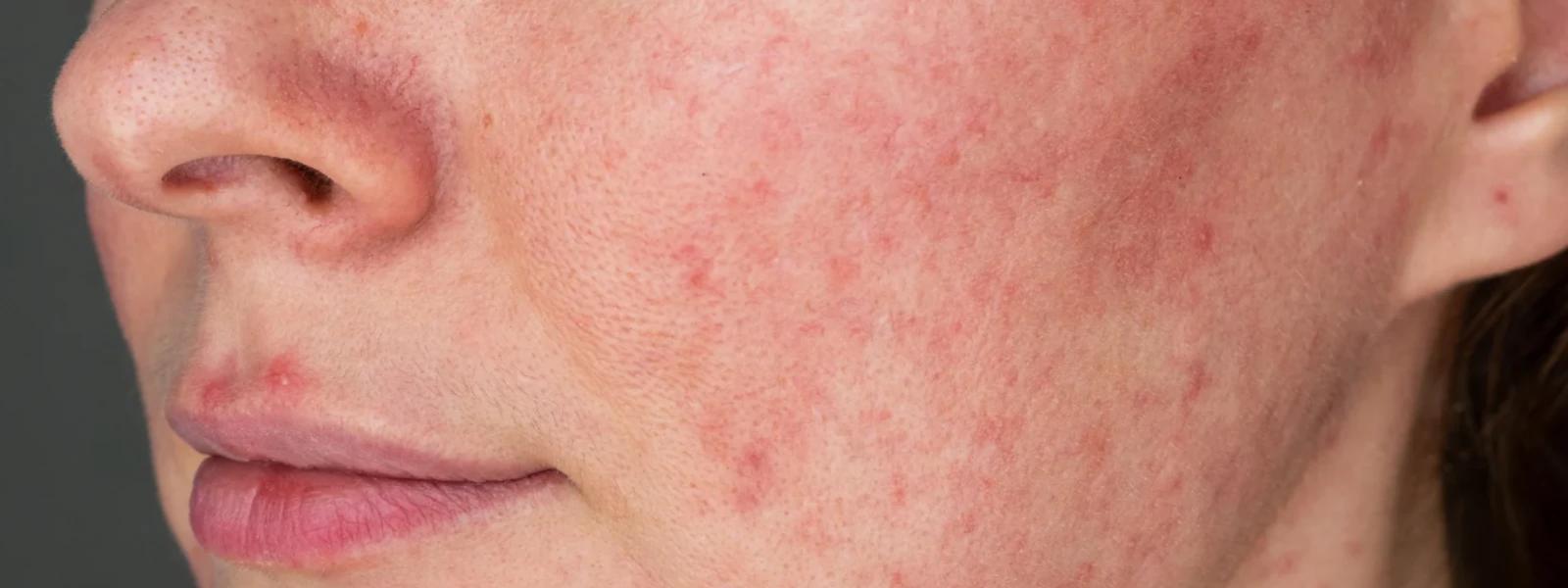

You've finally cleared your breakouts, but now you're left staring at stubborn dark spots and marks that seem determined to overstay their welcome. Those post-acne reminders can feel more frustrating than the original blemishes themselves. Whether you're dealing with red marks that refuse to fade or dark spots that make you reach for concealer every morning, you're not alone in wondering how to treat acne marks effectively. The good news? There are proven ways to help your skin heal and restore its natural clarity.
Before diving into treatment options, it's crucial to understand what you're actually dealing with. Many people use "acne marks" and "acne scars" interchangeably, but they're quite different conditions requiring different approaches.
Post-inflammatory hyperpigmentation (PIH) refers to the flat, discoloured spots left behind after a breakout heals. These marks appear as brown, black, or red patches on the skin's surface. They're not true scars because they don't involve changes to the skin's texture or structure. PIH is particularly common in people with melanin-rich skin and typically fades naturally over time, though this process can take months or even years without intervention.
True acne scars, on the other hand, involve permanent changes to the skin's structure. These include ice pick scars (deep, narrow indentations), boxcar scars (broad depressions with defined edges), and rolling scars (wave-like undulations). Unlike PIH, these textural changes won't fade on their own and require more intensive treatment approaches.
The timeline for natural fading varies significantly. Red marks from recent breakouts might disappear within weeks, whilst darker pigmentation can persist for 6-12 months. Factors like sun exposure, skin picking, and your natural skin tone all influence how long marks take to fade naturally.
When home remedies aren't cutting it, professional treatments offer more dramatic results for both acne scar treatment and stubborn pigmentation. These options work by either removing damaged skin layers or stimulating the body's natural healing response.
Fractional laser resurfacing creates controlled micro-injuries in the skin, triggering collagen production and skin renewal. This treatment works particularly well for rolling scars and mild textural irregularities. Most people need 3-5 sessions spaced several weeks apart to see significant improvement.
CO2 laser therapy offers more aggressive resurfacing for deeper scars but requires longer recovery time. Meanwhile, IPL (Intense Pulsed Light) specifically targets pigmentation issues, making it an excellent choice for treating dark spots and skin discolouration without affecting the surrounding tissue.
Professional-strength chemical peels go deeper than over-the-counter options. TCA (Trichloroacetic Acid) peels can significantly improve the appearance of shallow scars and hyperpigmentation. Microneedling stimulates collagen production by creating tiny punctures in the skin, whilst dermabrasion physically removes the top layers of damaged skin.
For specific scar types, targeted injectable treatments can provide excellent results. Subcision involves breaking up the fibrous bands that pull down rolling scars, whilst dermal fillers can temporarily plump atrophic scars. Steroid injections help flatten raised scars and keloids.
Whilst professional treatments offer faster results, consistent home care can significantly improve the appearance of acne marks over time. The key is choosing the right ingredients and using them consistently.
Retinoids and retinol are gold-standard ingredients for skin repair for acne. They accelerate cell turnover, helping to fade pigmentation whilst improving skin texture. Start with a lower concentration and gradually increase to avoid irritation.
Vitamin C is a powerful antioxidant that inhibits melanin production, making it particularly effective for treating dark spots. Look for stable forms like magnesium ascorbyl phosphate or sodium ascorbyl phosphate.
Niacinamide reduces inflammation and helps regulate melanin transfer, making it excellent for preventing new marks whilst fading existing ones. Azelaic acid offers gentle exfoliation and pigmentation control, particularly suitable for sensitive skin.
Alpha hydroxy acids (AHAs) like glycolic and lactic acid remove dead skin cells, revealing brighter skin underneath. Beta hydroxy acids (BHAs) like salicylic acid penetrate deeper into pores, making them ideal for preventing new breakouts whilst treating existing marks.
Whilst natural ingredients can support healing, it's important to have realistic expectations. Rosehip oil contains vitamin A and essential fatty acids that may help with skin regeneration. Aloe vera provides soothing anti-inflammatory benefits, whilst honey and turmeric masks offer gentle antimicrobial and brightening properties.
However, natural treatments work much slower than proven actives and may not be sufficient for stubborn marks or true scars.
Consistency is key when treating acne marks at home. Your routine should focus on gentle exfoliation, targeted treatment, and protection from further damage.
Morning routine: Start with a gentle cleanser, apply vitamin C serum to target pigmentation, follow with a lightweight moisturiser, and finish with broad-spectrum SPF 30 or higher. Sun protection is non-negotiable when treating pigmentation, as UV exposure can darken existing marks and create new ones.
Evening routine: Cleanse thoroughly, apply your chosen active ingredient (retinol, AHA, or niacinamide), and finish with a nourishing moisturiser. Introduce actives gradually to avoid irritation, and never use multiple exfoliating ingredients simultaneously.
Product layering matters: apply thinnest to thickest consistency, and always wait a few minutes between layers to ensure proper absorption. If you're using multiple actives, alternate nights or use them at different times of day to prevent irritation.
Understanding realistic expectations is crucial for successful scar removal and hyperpigmentation treatment. Different scar types respond differently to various treatments, and results take time to become visible.
For PIH and surface-level marks, you might see initial improvement within 4-6 weeks of consistent treatment, with significant fading occurring over 3-6 months. True scars require longer treatment periods and often benefit from combination approaches.
Professional treatments typically show results faster but require recovery time. Laser treatments might cause temporary redness and peeling for several days, whilst chemical peels can cause controlled shedding for up to a week.
Cost considerations vary widely. Professional treatments can range from ₹3,000-₹15,000 per session, whilst effective home treatments can be maintained for ₹1,000-₹3,000 monthly. Many people find success combining professional treatments with consistent home care for optimal results.
Prevention is always easier than treatment. Proper acne management prevents new breakouts that could lead to additional marks. This means using appropriate cleansers, avoiding picking or squeezing blemishes, and treating active acne promptly.
Lifestyle factors significantly impact skin repair. Adequate sleep, stress management, and a balanced diet rich in antioxidants support your skin's natural healing processes. Staying hydrated and avoiding smoking also promote better skin recovery.
Long-term maintenance involves continuing gentle exfoliation, using antioxidants, and maintaining religious sun protection. Even after marks fade, your skin remains vulnerable to new pigmentation if not properly protected.
The most effective approach combines consistent home care with professional treatments when needed. Start with proven ingredients like retinol, vitamin C, and niacinamide, whilst protecting your skin with daily SPF. For stubborn marks or true scars, consider professional options like chemical peels or laser treatments.
Post-inflammatory hyperpigmentation typically fades naturally over 6-12 months, though this varies based on skin tone, mark depth, and sun exposure. True acne scars are permanent structural changes that won't disappear without treatment, but their appearance can be significantly improved with proper care.
Complete removal isn't always possible, especially for deep scars. However, most people can achieve 50-80% improvement with appropriate treatments. The goal is significant improvement rather than perfection, and combining multiple treatment approaches often yields the best results.
Dark spots respond well to ingredients that inhibit melanin production and accelerate cell turnover. Vitamin C, retinoids, azelaic acid, and chemical exfoliants are particularly effective. Consistent use over 3-6 months typically shows significant improvement, especially when combined with diligent sun protection.
Unfortunately, there's no natural remedy that can remove acne scars in a week. Skin healing is a gradual process that takes weeks to months. Whilst natural ingredients like rosehip oil and aloe vera can support healing, realistic expectations are important for avoiding disappointment and potential skin damage from overly aggressive treatments.
Treating acne marks requires patience, consistency, and the right approach for your specific skin concerns. Whether you're dealing with fresh red marks or stubborn dark spots, there are effective solutions available. The key is understanding the difference between different types of marks and choosing treatments accordingly.
For those exploring new skincare solutions, platforms like Smytten Shop offer the opportunity to discover effective treatments from premium brands without the commitment of full-size purchases. With access to curated selections and the ability to try before you buy, you can find the right products for your skin's unique needs whilst building confidence in your skincare choices.
Remember, your skin's healing journey is unique. What works for others might not work for you, and that's perfectly normal. Focus on gentle, consistent care, protect your skin from further damage, and don't hesitate to consult a dermatologist for persistent concerns. With time and the right approach, clearer, more even-toned skin is absolutely achievable.
