How to Remove Tan Effectively: Your Ultimate Guide
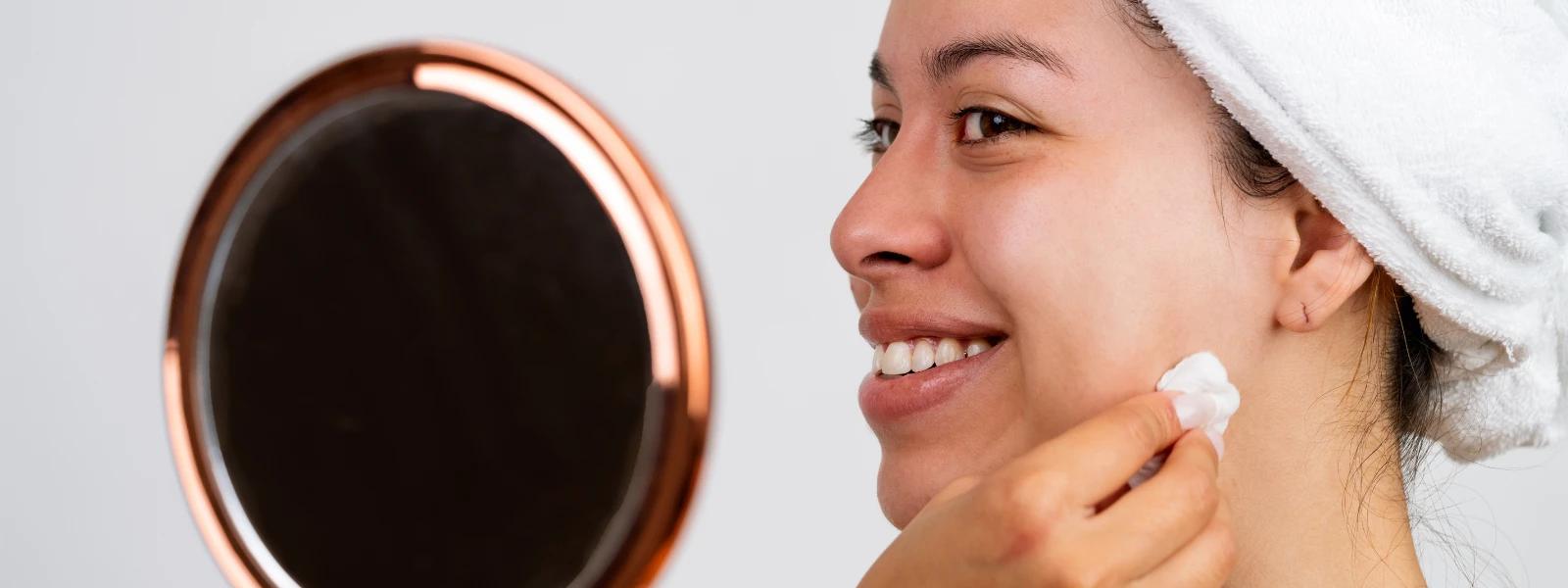

That post-holiday glow you were hoping for has turned into an uneven tan that's making you feel self-conscious about your skin tone. Whether it's from a beach holiday gone wrong or simply forgetting to reapply SPF during those long summer days, dealing with unwanted tanning can feel overwhelming. The good news? Your skin has an incredible ability to renew itself, and with the right approach, you can help it along the way. Let's explore the most effective methods to restore your natural skin tone and get you feeling confident again.
When your skin is exposed to UV rays, it produces melanin as a protective mechanism. This pigment darkens your skin to shield deeper layers from further damage. Think of it as your skin's natural umbrella – except sometimes that umbrella stays up longer than you'd like.
There are two types of tanning to consider. Immediate tanning appears within hours and fades quickly, whilst delayed tanning develops over 2-3 days and can persist for weeks or even months. This explains why some areas of your body – like your face, shoulders, and the tops of your feet – seem to hold onto colour longer than others.
Your skin naturally sheds dead cells every 28 days, which means a light tan will gradually fade on its own. However, deeper tanning that reaches the lower layers of your epidermis needs more targeted intervention. Areas with thicker skin, like your hands and feet, tend to retain tanning longer because the cell turnover is slower.
Your kitchen holds some surprisingly effective ingredients for gentle tan removal. These natural remedies work by encouraging cell turnover and providing mild exfoliation without harsh chemicals.
A lemon and honey pack combines natural bleaching properties with deep moisturisation. Mix one tablespoon of fresh lemon juice with two tablespoons of raw honey. Apply to clean skin for 15 minutes before rinsing with lukewarm water. The citric acid gently lightens pigmentation whilst honey prevents dryness.
For a more intensive treatment, try a besan and turmeric mask. Combine two tablespoons of gram flour with a pinch of turmeric and enough rose water to form a paste. This traditional remedy provides gentle physical exfoliation whilst turmeric's anti-inflammatory properties soothe sun-damaged skin.
Yogurt and rice powder create an excellent gentle exfoliant. Blend equal parts of both ingredients and massage onto damp skin in circular motions. The lactic acid in yogurt helps dissolve dead skin cells, whilst rice powder provides mild abrasion to reveal fresher skin underneath.
Aloe vera gel works brilliantly as an overnight treatment. Apply a thick layer of pure aloe vera gel before bed and let it absorb completely. This succulent plant contains compounds that help repair UV damage whilst providing intense hydration to help your skin recover faster.
For immediate cooling relief, cucumber extract reduces inflammation and provides a refreshing sensation. Blend fresh cucumber into a pulp and apply as a face mask for 20 minutes. The high water content helps rehydrate sun-stressed skin whilst vitamin C supports natural skin brightening.
When home remedies aren't delivering the results you're after, it's time to explore more targeted skincare solutions. Professional-grade ingredients can accelerate the tan removal process significantly.
Chemical exfoliants like lactic acid and glycolic acid work by dissolving the bonds between dead skin cells. Start with a low concentration (5-10%) and use 2-3 times per week. These AHAs are particularly effective because they work beneath the surface to encourage faster cell turnover.
Brightening serums containing vitamin C and niacinamide target existing pigmentation whilst preventing new dark spots from forming. Vitamin C works best in the morning under SPF, whilst niacinamide can be used twice daily to regulate melanin production and improve overall skin tone.
Don't overlook the importance of daily SPF protection. Using SPF 30-50 every day prevents further tanning whilst your skin works to repair existing damage. This is absolutely crucial – without proper sun protection, you'll be fighting an uphill battle.
For stubborn tanning that won't budge with at-home treatments, chemical peels performed by dermatologists can provide deeper exfoliation. These treatments remove several layers of damaged skin, revealing fresher, more evenly toned skin underneath.
Microdermabrasion offers a non-invasive way to resurface the skin using fine crystals or diamond tips. This treatment is particularly effective for uneven tanning and can be combined with brightening serums for enhanced results.
Different areas of your body require different approaches when it comes to removing tan effectively. What works for your face might be too gentle for your hands, and what's perfect for your legs could be too harsh for your neck.
Facial skin is delicate and requires gentler methods. Start with mild exfoliation using a soft washcloth or gentle scrub 2-3 times per week. Follow with a brightening serum containing ingredients like kojic acid or arbutin, which are effective yet gentle enough for daily use.
The neck area often shows uneven tanning because it's frequently forgotten during skincare routines. Extend your facial treatments down to your décolletage, paying special attention to areas where clothing creates tan lines.
Your hands and arms can handle more intensive treatments because the skin is thicker and more resilient. Use a body scrub with natural exfoliants like sugar or coffee grounds 3-4 times per week. Follow with a body lotion containing glycolic acid or urea to maintain the exfoliation process between scrub sessions.
For particularly stubborn areas, try the potato juice treatment. Grate a raw potato and extract the juice, then apply it to tanned areas for 15 minutes before rinsing. The natural enzymes help break down excess melanin whilst being gentle enough for regular use.
Legs and feet often have the most stubborn tanning because they're frequently exposed and have thicker skin. Use a pumice stone or exfoliating mitt during your shower to remove dead, tanned skin cells. Follow with a rich moisturiser containing lactic acid to continue the exfoliation process.
Pay special attention to tan lines around your ankles and feet. These areas benefit from targeted treatments using cotton pads soaked in diluted lemon juice or a gentle toner containing fruit acids.
Consistency is key when it comes to successful tan removal. Creating a structured routine helps ensure you're treating your skin regularly without overdoing it.
Your morning routine should focus on protection and prevention. Cleanse gently, apply a vitamin C serum to support skin repair, moisturise, and finish with broad-spectrum SPF. This combination protects your skin whilst supporting its natural healing process.
Your evening routine is when the real tan removal work happens. After cleansing, apply your chosen exfoliating treatment (whether it's a chemical exfoliant or natural remedy), followed by a nourishing moisturiser to support skin barrier repair overnight.
Incorporate weekly intensive treatments like face masks or body scrubs. These deeper treatments help accelerate the tan removal process whilst giving your skin the extra care it needs to recover from sun damage.
During weeks 1-2, you'll notice your skin becoming softer and more hydrated. The initial lightening phase begins as dead, tanned skin cells start to shed more efficiently.
By weeks 3-4, you should see noticeable improvement in your skin tone. Areas that were lightly tanned will show significant fading, whilst deeper tanning will begin to lighten more noticeably.
Remember that complete tan removal can take 6-8 weeks for deeper tanning. Patience is crucial – rushing the process with overly aggressive treatments can lead to irritation and potentially worsen pigmentation.
Before trying any new tan removal method, always perform a patch test on a small area of skin. This is especially important with natural remedies like lemon juice, which can cause photosensitivity and make your skin more prone to burning.
Avoid using undiluted lemon juice or other acidic ingredients directly on your skin. These can cause chemical burns and actually worsen pigmentation. Always dilute acidic ingredients or mix them with soothing components like honey or yogurt.
Stay well-hydrated throughout your tan removal journey. Drinking plenty of water supports your skin's natural cell turnover process and helps maintain healthy skin barrier function. Dehydrated skin holds onto pigmentation longer and heals more slowly.
If you experience persistent irritation, unusual darkening, or any concerning changes in your skin, consult a dermatologist. Some skin conditions can mimic tanning, and professional evaluation ensures you're treating the right concern.
Professional chemical peels offer the quickest results, typically showing improvement within 1-2 weeks. However, for at-home treatment, combining daily chemical exfoliation with vitamin C serums and consistent SPF use provides the fastest safe results, usually visible within 2-3 weeks.
Most tanning can be significantly reduced, but complete removal depends on how deep the pigmentation has penetrated. Surface-level tanning fades completely with proper treatment, whilst deeper pigmentation may lighten to near your original skin tone but might not disappear entirely.
Light, surface-level tanning may begin to fade within 2-3 days, but noticeable improvement typically takes 1-2 weeks. Deep tanning requires 4-8 weeks to fade naturally without intervention. Using targeted treatments can significantly speed up this process.
Natural remedies typically show initial results within 2-3 weeks of consistent use. However, they work more gradually than professional treatments. For best results, combine natural remedies with gentle chemical exfoliants and maintain realistic expectations about the timeline.
Yes, but introduce new treatments gradually to avoid over-exfoliation. Start with one method for a week, then slowly add others. Never combine multiple acidic treatments in the same routine, and always use SPF when using any exfoliating treatments.
Removing unwanted tan is absolutely achievable with the right approach and realistic expectations. Whether you choose natural home remedies or professional-grade skincare products, consistency and patience are your best allies in this journey.
Remember that your skin is constantly renewing itself – you're simply helping it along the way. The combination of gentle exfoliation, targeted treatments, and diligent sun protection will help restore your natural skin tone whilst keeping your skin healthy and radiant.
For those looking to explore professional-grade skincare products, platforms like Smytten offer curated selections from trusted brands, allowing you to try products before committing to full sizes. With over 28 million users discovering their perfect skincare matches, you can find the right tan removal products for your specific needs whilst earning cashback on your purchases.
Your skin has been through a lot, but with gentle care and the right products, you'll be back to feeling confident and comfortable in your natural skin tone. Trust the process, be patient with your skin, and celebrate the small improvements along the way.
