How to Remove Dark Spots FAQ: Your Guide to Clearer Skin
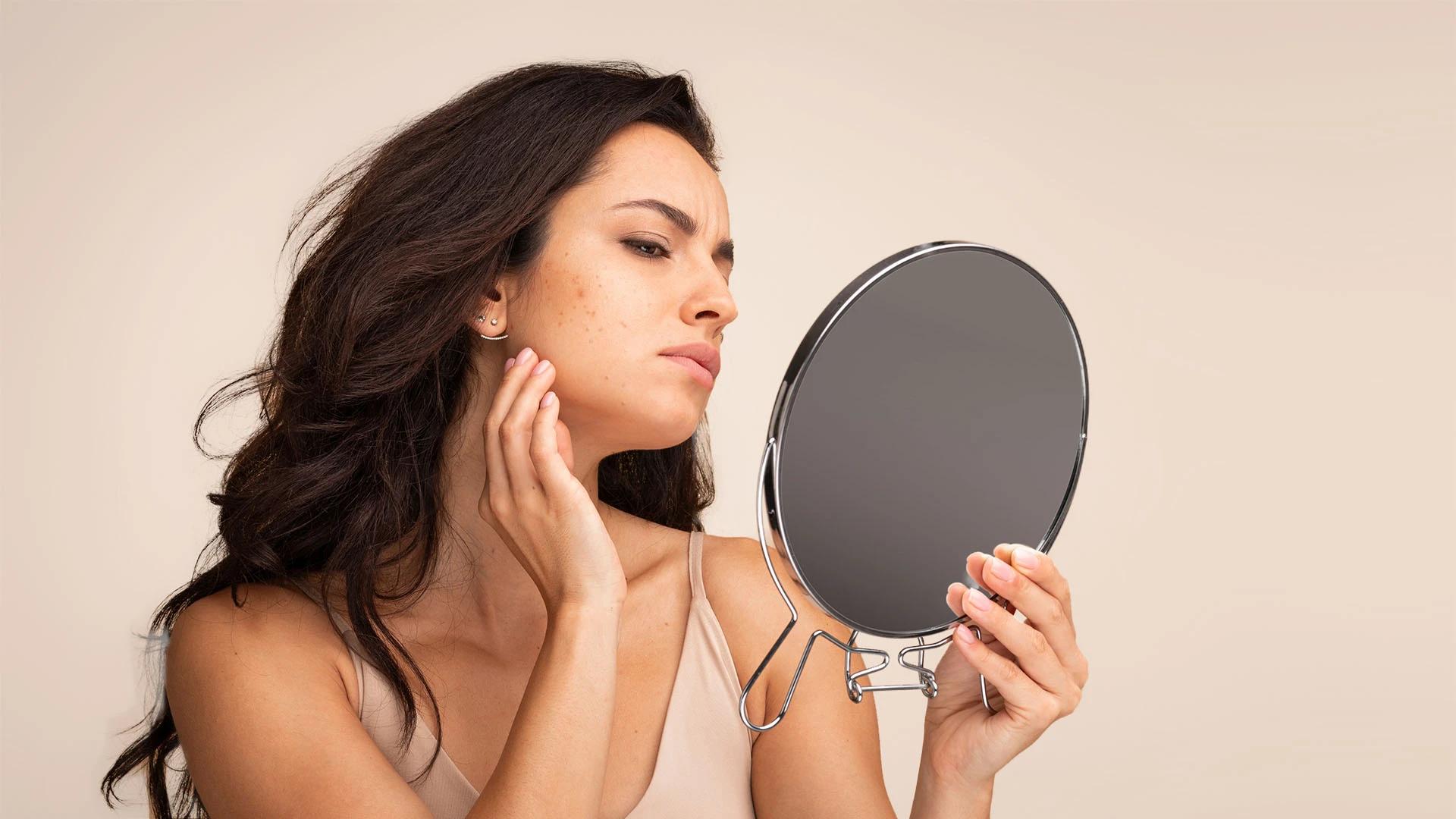

You've tried everything from expensive serums to DIY kitchen remedies, yet those stubborn dark spots remain. Whether it's post-acne marks from last summer's breakouts or sun damage from years of inadequate SPF protection, dealing with hyperpigmentation can feel overwhelming. The good news? With the right approach and realistic expectations, you can significantly fade dark spots and achieve the even-toned skin you're after. Let's dive into the most effective methods, realistic timelines, and expert-backed solutions for clearer skin.
Before jumping into treatments, it's crucial to understand what you're dealing with. Dark spots aren't all created equal, and identifying your specific type of skin discoloration helps determine the most effective treatment approach. Most dark spots fall into categories like post-inflammatory hyperpigmentation (those marks left behind after acne), sun damage from UV exposure, or hormonal changes that trigger melasma.
The root cause of your dark spots determines how they'll respond to treatment. Post-inflammatory hyperpigmentation occurs when your skin produces excess melanin in response to injury or inflammation—think acne, cuts, or even aggressive scrubbing. Sun damage creates age spots and solar lentigines through years of UV exposure breaking down your skin's natural protection. Hormonal fluctuations, particularly during pregnancy or whilst taking contraceptives, can trigger melasma—those symmetrical patches that often appear on the cheeks and forehead.
Knowing your enemy is half the battle won. Age spots typically appear as small, flat brown spots on sun-exposed areas like hands and face. Melasma presents as larger, symmetrical patches with irregular borders. Post-acne marks can range from red to brown, depending on your skin tone and how recently the breakout occurred. Each type responds differently to treatment, so proper identification saves you time and money.
The skincare world is full of miracle claims, but certain ingredients have solid science backing their skin brightening abilities. These powerhouse actives work through different mechanisms—some prevent new melanin formation, others speed up cell turnover to reveal fresh skin underneath. The key is understanding how to use them safely and effectively.
Vitamin C deserves its reputation as a brightening superstar. This antioxidant not only protects against environmental damage but actively inhibits melanin production. Look for stable forms like magnesium ascorbyl phosphate or sodium ascorbyl phosphate if you have sensitive skin. Retinoids work by accelerating cell turnover, essentially helping your skin shed pigmented cells faster whilst promoting healthy new cell growth. Niacinamide is gentler but equally effective, reducing melanin transfer to surface skin cells whilst strengthening your skin barrier.
Glycolic acid penetrates deeply to dissolve the bonds between dead skin cells, revealing brighter skin underneath. It's particularly effective for surface-level spots and overall skin texture. Lactic acid offers similar benefits with less irritation, making it perfect for sensitive skin types. Salicylic acid is your go-to for acne-related dark spots, as it penetrates oil-filled pores to prevent future breakouts whilst addressing existing marks.
Layering actives requires strategy, not enthusiasm. Start with vitamin C in the morning, followed by moisturiser and broad-spectrum SPF. Evening routines can include retinoids or AHAs, but never both on the same night initially. Introduce one new active every two weeks, allowing your skin to adjust. Remember, consistency trumps intensity—gentle daily use beats aggressive weekly treatments.
Whilst professional treatments and proven actives offer faster results, certain natural remedies for dark spots have legitimate science behind them. The key is managing expectations—natural doesn't mean instant, and results typically take months rather than weeks. However, these gentler approaches can complement your main treatment routine or serve as starting points for sensitive skin.
Aloe vera contains aloin, a compound that naturally inhibits melanin production. Fresh gel applied twice daily can help fade mild spots over time. Turmeric has been used for centuries in Indian skincare, and modern research confirms its anti-inflammatory and brightening properties. Mix turmeric powder with honey to create a gentle mask that won't stain your skin. Green tea extract provides antioxidants that protect against further damage whilst gently encouraging cell renewal.
A simple rice water toner can provide gentle brightening effects—soak rice in water for 30 minutes, strain, and apply the liquid with a cotton pad. Potato juice contains natural enzymes that may help lighten spots when applied fresh twice daily. Yogurt and tomato masks combine lactic acid with lycopene for a gentle exfoliating and brightening treatment.
Natural remedies work slowly and subtly. Expect to see initial improvements after 6-8 weeks of consistent use, with more significant results appearing after 3-6 months. These methods work best for mild discolouration and as maintenance treatments rather than primary solutions for stubborn spots.
When you need faster results or you're dealing with stubborn hyperpigmentation that hasn't responded to topical treatments, professional procedures offer more dramatic improvements. These treatments work by targeting melanin deposits directly or removing pigmented skin layers to reveal fresh, even-toned skin underneath.
Laser therapy uses targeted light energy to break down melanin clusters without damaging surrounding skin. Different laser types target different pigmentation depths—IPL works well for surface spots, whilst Q-switched lasers can reach deeper pigmentation. Chemical peels remove damaged skin layers through controlled acid application, with deeper peels offering more dramatic results but requiring longer recovery times.
Hydroquinone remains the gold standard for prescription-strength lightening, though it requires careful monitoring due to potential side effects with long-term use. Tretinoin accelerates cell turnover more aggressively than over-the-counter retinoids, often prescribed alongside hydroquinone for enhanced results. Combination treatments like Tri-Luma blend multiple actives for comprehensive pigmentation management.
Professional treatments range from ₹3,000 for basic chemical peels to ₹15,000+ for laser sessions. Consider your budget, downtime availability, and pigmentation severity when choosing. Multiple sessions are typically required, so factor ongoing costs into your decision.
Here's the truth no one wants to hear: without proper sun protection, even the most expensive treatments will fail. UV exposure not only creates new dark spots but darkens existing ones, essentially undoing your hard work. Think of SPF as your non-negotiable daily insurance policy against pigmentation.
UV rays trigger melanin production as your skin's natural defence mechanism. When you're actively treating dark spots, your skin becomes more photosensitive, making protection even more crucial. Even brief sun exposure can reverse weeks of progress, which is why dermatologists emphasise SPF as the foundation of any hyperpigmentation treatment plan.
Choose broad-spectrum SPF 30 or higher with zinc oxide or titanium dioxide for physical protection. Tinted formulas containing iron oxide provide additional protection against visible light, which can also trigger pigmentation in darker skin tones. Apply generously 15 minutes before sun exposure and reapply every two hours—no exceptions.
Managing expectations is crucial for successful dark spot treatment. Social media before-and-after photos often show dramatic transformations, but real results take time and patience. Understanding realistic timelines helps you stay committed to your routine and avoid switching treatments too quickly.
Topical treatments typically show initial improvements after 6-8 weeks, with significant results appearing after 12-16 weeks of consistent use. Professional procedures like chemical peels may show results after 2-4 sessions spaced 4-6 weeks apart. Laser treatments often require 3-6 sessions for optimal results, with improvements visible after each treatment.
Spot depth significantly impacts treatment time—surface-level post-acne marks fade faster than deep melasma or long-standing sun damage. Your skin type and tone also matter, as darker skin tones may require gentler approaches to avoid irritation. Age of the spots matters too—fresh marks respond faster than years-old pigmentation.
Once you've achieved your desired results, maintenance becomes key. Continue using gentle brightening ingredients like vitamin C and niacinamide whilst maintaining strict sun protection. Regular gentle exfoliation helps prevent new pigmentation from settling in, whilst antioxidant-rich skincare protects against environmental damage.
Complete dark spot removal in 7 days isn't realistic with any safe method. However, you can jumpstart the fading process with professional treatments like chemical peels combined with daily vitamin C application and strict sun protection. Concealing makeup can provide immediate cosmetic improvement whilst treatments work.
For active pimples that might leave dark marks, focus on reducing inflammation quickly. Apply ice for 10 minutes several times daily, use spot treatments containing benzoyl peroxide or salicylic acid, and avoid picking or squeezing. This prevents the spot from worsening and potentially leaving a darker mark.
Professional laser treatments and deep chemical peels can provide very long-lasting results, essentially permanent for many people. However, new spots can always form with sun exposure or hormonal changes, so ongoing prevention through sun protection and gentle brightening ingredients remains important.
Natural remedies like aloe vera, turmeric, and vitamin C-rich ingredients can help fade mild dark spots over time. Results are gradual, typically requiring 3-6 months of consistent use. Natural methods work best for recent, surface-level pigmentation rather than deep or long-standing spots.
Post-acne hyperpigmentation responds well to retinoids, vitamin C, and gentle chemical exfoliation with AHAs or BHAs. Start with one active ingredient and introduce others gradually. Most importantly, avoid picking at active breakouts to prevent new dark marks from forming.
Body skin can typically tolerate stronger concentrations of active ingredients than facial skin. Look for body lotions containing glycolic acid, kojic acid, or hydroquinone. Professional treatments like laser therapy or stronger chemical peels show fastest results for stubborn body pigmentation.
These terms are often used interchangeably, but age spots typically refer to pigmentation that appears with advancing age, whilst sun spots specifically result from UV damage. Both are forms of solar lentigines and respond to similar treatments.
Yes, but introduce them gradually to avoid irritation. Start with one ingredient for 2-4 weeks, then slowly add others. Avoid using strong actives like retinoids and AHAs on the same night initially. Always use sun protection when using any brightening ingredients.
Removing dark spots requires patience, consistency, and realistic expectations. Whether you choose proven actives like vitamin C and retinoids, explore natural remedies, or invest in professional treatments, success depends on understanding your specific type of pigmentation and committing to long-term care. Remember that sun protection isn't optional—it's the foundation that makes all other treatments possible.
The journey to clearer, more even-toned skin doesn't have to break the bank or involve guesswork. Platforms like Smytten Shop make it easier to discover effective products from trusted brands, with the added benefit of trying samples before committing to full sizes. With over 28 million users exploring curated skincare solutions, you're not alone in your quest for healthier skin. The key is starting with one proven approach and building your routine gradually, always prioritising gentle consistency over aggressive quick fixes.
