How to Protect Skin from Heat Stress in Hot Indian Summers
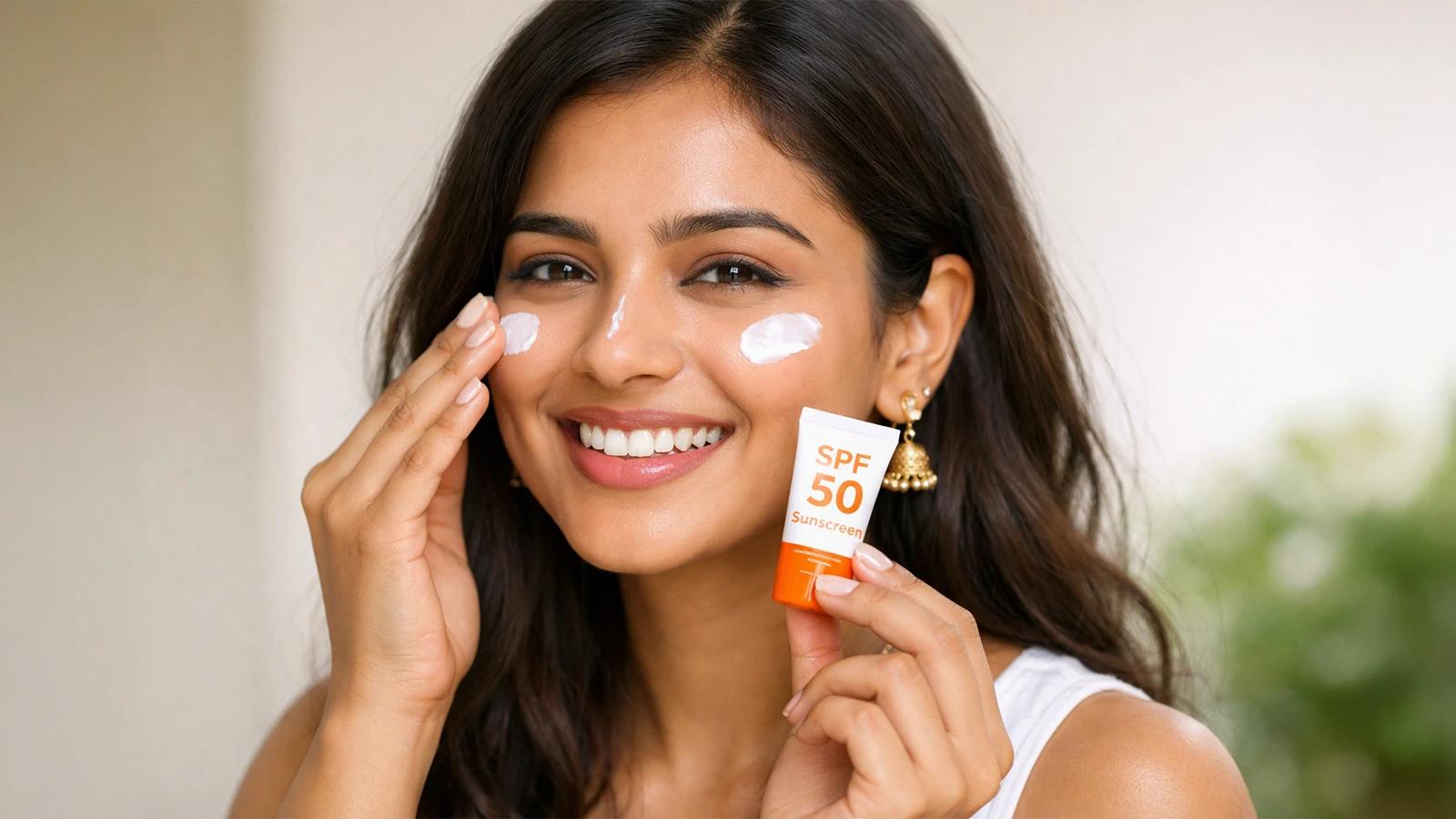

The mercury's climbing, and your skin is already sending distress signals. That familiar tightness after stepping out of the AC, the unexpected breakouts despite your usual routine, and that perpetual shine that no amount of blotting seems to fix. If you've been wondering how to protect your skin from heat stress during hot Indian summers, you're not alone. Our skin faces unique challenges during these intense months, from UV damage to dehydration, and understanding how to shield it properly can make all the difference between glowing through summer and simply surviving it.
Heat stress occurs when your skin's natural cooling mechanisms become overwhelmed by extreme temperatures and humidity. During Indian summers, when temperatures soar above 40°C and humidity levels spike, your skin works overtime to regulate body temperature through increased sweating and blood flow to the surface.
This process triggers several skin concerns that many of us know all too well. Dehydrated skin becomes a common complaint as moisture evaporates faster than your skin can replenish it. You might notice your usual moisturiser feeling inadequate, or your skin looking dull despite your regular routine. Heat rash appears as tiny red bumps, particularly in areas where sweat gets trapped – think underarms, chest, and back.
Here's what many people don't realise: even melanin-rich Indian skin types need serious protection from UV rays. Whilst our natural pigmentation offers some defence, it's not enough against the intense Indian sun. UV exposure during summer months can lead to hyperpigmentation, premature ageing, and even skin cancer. The combination of heat, humidity, and pollution creates a perfect storm for skin damage that goes beyond what you can see on the surface.
Finding the best sunscreen for face during Indian summers means looking beyond just the SPF number. You need broad-spectrum protection with at least SPF 30, but more importantly, you need a formula that won't slide off your face the moment you step outside.
Physical sunscreens containing zinc oxide or titanium dioxide work brilliantly in high humidity because they sit on top of your skin and reflect UV rays. They're less likely to sting your eyes when you sweat and won't break down as quickly as chemical sunscreens in intense heat. However, if you prefer chemical sunscreens, look for ones with avobenzone or octinoxate that are specifically formulated for humid climates.
Apply sunscreen 20 minutes before stepping out, using about a teaspoon for your face and neck. Reapply every two hours, or immediately after sweating heavily. During peak UV hours (10 AM to 4 PM), seek shade whenever possible and remember that UV rays can reflect off concrete and sand, hitting your skin from multiple angles.
Complement your sunscreen with physical barriers. Wide-brimmed hats, UV-protective clothing, and sunglasses create additional layers of defence. Even a simple cotton dupatta can significantly reduce UV exposure when draped over your shoulders during outdoor activities.
Your regular skincare routine needs a summer makeover to handle increased oil production, sweat, and environmental stressors. The key is balancing thorough cleansing with adequate hydration, all whilst keeping your routine lightweight enough for the heat.
Start with a gentle, salicylic acid cleanser if you're prone to summer breakouts, or a mild cream cleanser for normal to dry skin. Follow with a lightweight serum containing niacinamide, which helps regulate oil production and strengthens your skin barrier. Your moisturiser should be gel-based or water-based rather than heavy creams that can feel suffocating in humidity.
Finish with your broad-spectrum sunscreen, and if you wear makeup, choose products with additional SPF for extra protection. Powder foundations often work better than liquid formulas in hot weather as they're less likely to slide off with sweat.
Evening routines become crucial for repairing daily heat damage. Use an oil-based cleanser or micellar water to remove sunscreen thoroughly, followed by your regular cleanser. This double-cleansing method ensures you're removing all traces of sunscreen, sweat, and pollution that accumulate throughout the day.
Incorporate cooling skincare products with ingredients like aloe vera, cucumber extract, or mint. These provide immediate relief whilst delivering hydration. A few nights a week, use gentle AHAs like glycolic acid to remove dead skin cells that can trap sweat and cause congestion.
When it comes to heat rash treatment, prevention is always better than cure. Heat rash, or prickly heat, occurs when sweat ducts become blocked, trapping moisture under the skin. You'll recognise it as small, itchy red bumps that appear after sweating heavily.
For immediate relief, cool compresses with rose water or plain cold water can reduce inflammation and itching. Calamine lotion provides a drying effect that helps clear blocked pores, whilst aloe vera gel offers cooling and anti-inflammatory benefits. Avoid heavy creams or oils on affected areas as these can worsen the blockage.
Dehydrated skin remedies work from both inside and outside. Internally, aim for at least 3-4 litres of water daily during summer, supplemented with coconut water or buttermilk for electrolyte balance. Externally, use hydrating serums with hyaluronic acid or glycerin that draw moisture from the environment into your skin.
Face mists become your best friend during summer. Keep one in your bag for instant hydration throughout the day. Look for mists containing rose water, cucumber extract, or thermal spring water rather than plain water, which can actually increase dehydration through evaporation.
Sweat and skin problems go hand in hand during Indian summers. Excessive sweating can lead to bacterial and fungal infections, particularly in areas where skin folds create warm, moist environments. The key is maintaining cleanliness without over-washing, which can strip your skin's natural protective barrier.
Shower with lukewarm rather than hot water, as hot water can further dehydrate already stressed skin. Use antibacterial body washes containing tea tree oil or neem for areas prone to breakouts, but stick to gentle, fragrance-free cleansers for sensitive areas.
Choose breathable, natural fabrics like cotton and linen that allow air circulation and moisture wicking. Synthetic fabrics trap heat and moisture, creating ideal conditions for bacterial growth and skin irritation. Loose-fitting clothes reduce friction and allow better air circulation around your skin.
If you exercise outdoors or in non-air-conditioned spaces, shower immediately afterwards to prevent sweat from sitting on your skin. Use a gentle exfoliating scrub 2-3 times a week to prevent clogged pores, but avoid harsh scrubbing that can irritate already stressed skin.
Your skin's health during summer depends heavily on what you put into your body. Beyond adequate water intake, certain foods can help protect your skin from heat stress from the inside out.
Watermelon, cucumber, and tomatoes contain high water content plus antioxidants like lycopene and vitamin C that help protect against UV damage. Yoghurt provides probiotics that support skin health, whilst mint and coriander have cooling properties that can help regulate body temperature.
Avoid excessive caffeine and alcohol, which can contribute to dehydration. Instead, opt for coconut water, fresh lime water with a pinch of salt, or homemade buttermilk to replenish electrolytes lost through sweating.
Consider adding vitamin C supplements to support collagen production and provide antioxidant protection. Omega-3 fatty acids help maintain skin barrier function, whilst zinc supports healing and can help manage breakouts that often worsen in summer heat.
Reapply sunscreen every two hours when outdoors, or immediately after heavy sweating or swimming. If you're indoors with AC most of the day, morning application with a touch-up before heading out in the evening is usually sufficient. For extended outdoor activities, consider using a powder sunscreen for easy reapplication over makeup.
Most people benefit from switching to lighter, gel-based or water-based moisturisers during summer. Heavy creams that work well in winter can feel suffocating in humidity and may contribute to clogged pores. Look for moisturisers with hyaluronic acid or glycerin that provide hydration without heaviness.
Heat rash appears as small, red bumps caused by blocked sweat ducts, usually in areas where clothing is tight or skin folds. Sun allergy (polymorphic light eruption) presents as larger, itchy patches or blisters specifically on sun-exposed areas like arms, chest, and face. Heat rash improves with cooling and loose clothing, whilst sun allergy requires sun avoidance and sometimes medical treatment.
Never skip moisturiser, even if your skin feels oily. Dehydrated skin often overproduces oil to compensate for lack of moisture. Instead, switch to a lightweight, oil-free moisturiser or hydrating serum. Your skin needs hydration to maintain its protective barrier, especially when dealing with heat stress.
Start with a mattifying primer, use powder foundation instead of liquid, and set everything with a light dusting of translucent powder. Carry blotting papers for touch-ups rather than adding more powder, which can look cakey. Consider switching to tinted moisturiser with SPF for a lighter base during peak summer months.
Protecting your skin from heat stress during Indian summers isn't about completely changing your routine – it's about making smart adjustments that work with your skin's natural responses to heat and humidity. The combination of proper sun protection, lightweight hydration, and cooling ingredients can help your skin not just survive but thrive during the hottest months.
Remember that consistency matters more than perfection. Even small changes like switching to a gel moisturiser, carrying a face mist, or being more diligent about sunscreen reapplication can make a significant difference in how your skin handles summer stress.
For those looking to experiment with new summer-friendly products, platforms like Smytten Shop offer the perfect opportunity to try before you invest. With access to premium brands and the ability to test products through samples, you can find your ideal summer skincare routine without the guesswork. Your skin deserves the best protection during these challenging months, and finding the right products shouldn't be a gamble.
