How to Get Rid of Body Marks: Fade Skin Marks Naturally
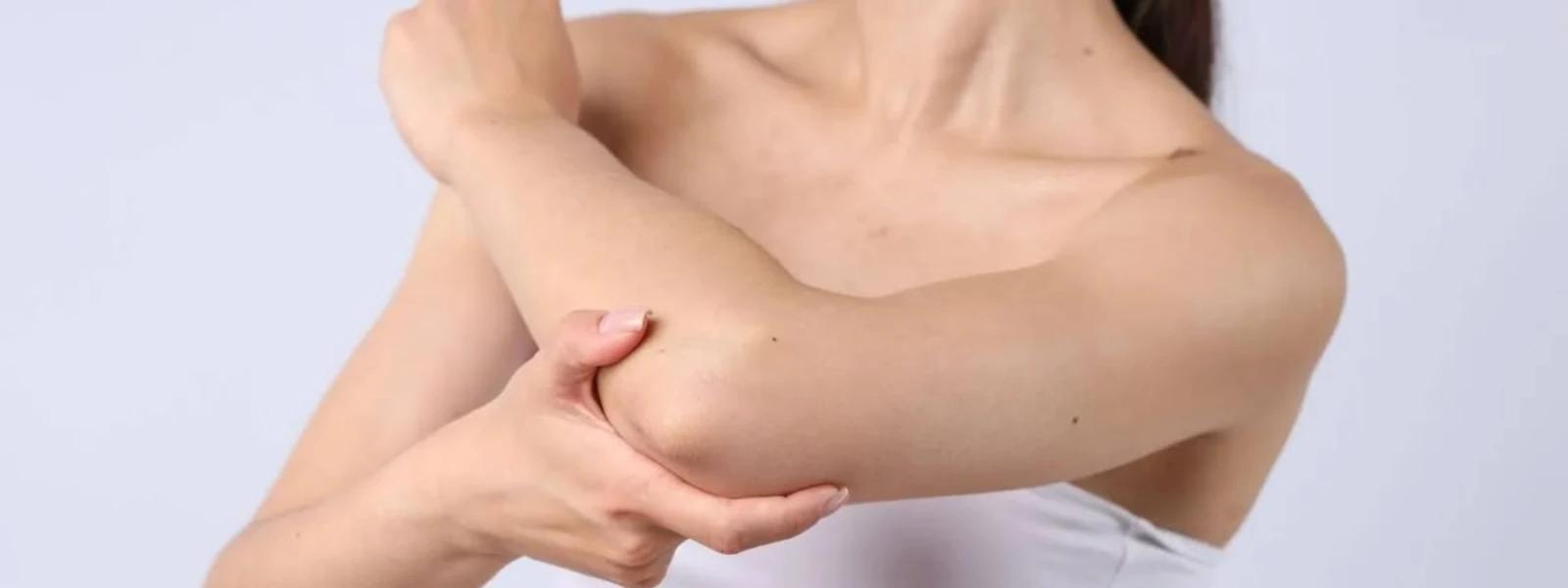

That moment when you catch a glimpse of your reflection and notice those stubborn marks on your arms, thighs, or stomach—you're not alone. Whether it's stretch marks from a growth spurt, dark spots from old breakouts, or scars that seem to have made themselves at home on your skin, body marks can feel like unwelcome reminders of your skin's journey. The good news? Your skin has an incredible ability to heal and renew itself, and there are proven natural methods to help fade skin marks and restore your confidence. Let's explore how you can work with your skin's natural processes to reduce body marks effectively and safely.
Before diving into treatments, it's essential to understand what you're dealing with. Not all body marks are created equal, and knowing the type you have will help you choose the most effective approach to remove body marks naturally.
Stretch marks appear as linear streaks on the skin, often starting as red or purple lines before fading to white or silver. These form when skin stretches rapidly, causing the collagen and elastin fibres to break. Hyperpigmentation spots show up as darker patches where melanin production has increased, often following inflammation or injury. Acne scars on the body can range from shallow depressions to raised bumps, depending on how the skin healed after breakouts. Age spots and sun damage create brown or black patches, particularly on areas frequently exposed to UV rays. Keloid and hypertrophic scars are raised, thick scars that form when the body produces too much collagen during healing.
Understanding the root causes helps prevent future marks whilst treating existing ones. Rapid growth during puberty often triggers stretch marks as the body outpaces the skin's ability to adapt. Many teenagers wonder why they develop these marks even when they're not overweight—it's simply because growth spurts can happen faster than skin elasticity can accommodate.
Pregnancy and weight fluctuations create similar challenges for skin elasticity. Genetics play a significant role too; if your parents had stretch marks, you're more likely to develop them. Hormonal changes, particularly during adolescence, pregnancy, or certain medical conditions, can affect skin structure and healing. Nutritional deficiencies, especially vitamin D deficiency, may contribute to skin's reduced ability to maintain elasticity and heal properly.
Nature offers powerful allies in your journey to treat skin discoloration and fade skin marks. These ingredients work by promoting cell turnover, boosting collagen production, and providing essential nutrients for skin repair.
Aloe vera gel contains compounds that accelerate wound healing and reduce inflammation, making it excellent for fresh marks. Rosehip oil is rich in vitamin A and essential fatty acids that promote skin regeneration and improve texture. Lemon juice provides natural vitamin C and mild acids that can help lighten dark spots over time. Coconut oil and sweet almond oil deeply nourish skin and improve elasticity, helping prevent new marks whilst treating existing ones.
Your kitchen holds surprising treasures for skin blemish removal. Sugar scrubs gently exfoliate dead skin cells, encouraging new cell growth and improving product absorption. Egg whites contain proteins that can temporarily tighten skin and provide amino acids for repair. Honey offers antimicrobial benefits and helps maintain skin moisture whilst promoting healing. Oatmeal provides gentle exfoliation and anti-inflammatory compounds that soothe irritated skin.
Vitamin A (retinol) accelerates cell turnover, helping fade marks faster by bringing new, healthy skin to the surface. Hyaluronic acid maintains optimal hydration levels, which is crucial for skin repair and elasticity. Vitamin E provides antioxidant protection and supports the skin's natural healing processes. Argan oil combines vitamins A and E with essential fatty acids for comprehensive skin nourishment.
Consistency is key when learning how to get rid body marks naturally. A structured routine ensures your skin receives the care it needs to heal and regenerate effectively.
Start with gentle cleansing using a mild, moisturising body wash that won't strip your skin's natural oils. Apply a vitamin-rich serum containing ingredients like vitamin C or niacinamide to areas with marks. Follow with a nourishing moisturiser that contains ingredients like ceramides or hyaluronic acid. Most importantly, apply broad-spectrum SPF to prevent existing marks from darkening and protect healing skin from UV damage.
Evening is when your skin does most of its repair work. Exfoliate 2-3 times weekly using a gentle scrub or dry brush to remove dead skin cells and improve circulation. Apply targeted treatments like retinol-containing products or natural oils to specific areas with marks. Use a rich, nourishing moisturiser to support overnight repair. Incorporate gentle massage techniques to improve blood flow and help products penetrate deeper.
Once or twice weekly, treat your skin to intensive care. Create DIY masks using ingredients like honey, oatmeal, or aloe vera for deep nourishment. Apply oil treatments using rosehip, argan, or sweet almond oil, leaving them on for 20-30 minutes before gentle removal. Use targeted spot treatments with higher concentrations of active ingredients on stubborn marks.
Age and life stage significantly impact both the formation and treatment of stretch marks. Understanding these differences helps set realistic expectations and choose appropriate treatments to reduce stretch marks effectively.
Adolescent skin is still developing, making it both more prone to stretch marks and more responsive to treatment. Focus on gentle, natural ingredients like aloe vera and vitamin E oil. Encourage healthy habits like staying hydrated and eating nutrient-rich foods. Avoid harsh treatments that might irritate young skin, and emphasise that stretch marks are completely normal during growth spurts.
During pregnancy, prevention is key. Use safe, natural moisturisers like cocoa butter or sweet almond oil to maintain skin elasticity. After delivery, when breastfeeding is complete, you can introduce more active ingredients like vitamin A. Be patient—hormonal changes during and after pregnancy affect skin healing, so results may take longer to appear.
Mature stretch marks (those that have turned white or silver) require more intensive treatment and patience. Combination approaches work best—pair topical treatments with lifestyle changes like improved nutrition and regular exercise. Consider professional treatments alongside natural methods for optimal results, and maintain realistic expectations about the degree of improvement possible.
When deciding how to approach hyperpigmentation treatment, understanding both professional and natural options helps you make informed decisions about your skin journey.
Professional treatments like laser therapy, chemical peels, and microneedling can provide faster, more dramatic results for severe or resistant marks. These treatments work by creating controlled damage that stimulates collagen production and accelerates cell turnover. However, they require significant investment, multiple sessions, and potential downtime. Consider professional options when natural methods haven't provided satisfactory results after 6-12 months of consistent use.
Natural treatments require patience and consistency but offer gentle, sustainable results without harsh side effects. Combine multiple natural methods for enhanced effectiveness—use exfoliation, targeted serums, and nourishing oils together. Track your progress with photos taken in consistent lighting to notice gradual improvements. Remember that natural treatments typically show results after 3-6 months of regular use.
Your daily habits significantly impact your skin's ability to heal and maintain an even skin tone. Supporting your topical treatments with healthy lifestyle choices accelerates results and prevents new marks from forming.
Feed your skin from within by eating foods rich in vitamins A, C, and E, plus zinc and omega-3 fatty acids. Colourful fruits and vegetables provide antioxidants that protect against damage, whilst protein supports collagen production. Stay hydrated—aim for 8-10 glasses of water daily to maintain skin elasticity. Consider supplements like vitamin D, especially if you have limited sun exposure, as deficiency can impact skin healing.
Regular exercise improves blood circulation, delivering nutrients to skin cells and supporting the healing process. Activities like yoga, swimming, and walking are particularly beneficial as they promote circulation without excessive strain. Exercise also helps manage stress, which can negatively impact skin healing and hormone balance.
Protect your skin from factors that worsen marks or create new ones. Use broad-spectrum SPF daily, even on cloudy days, as UV exposure can darken existing marks. Avoid picking at scabs or blemishes, which can lead to scarring. Create optimal healing conditions by maintaining consistent skincare routines and avoiding harsh products that might irritate healing skin.
Natural treatments typically show initial improvements after 6-8 weeks of consistent use, with significant results visible after 3-6 months. Fresh marks respond faster than older ones, and individual results vary based on skin type, mark severity, and treatment consistency.
Mature stretch marks (white or silver) can be significantly improved but rarely disappear completely with natural treatments alone. They may become less noticeable, smoother, and closer to your natural skin tone with consistent care and patience.
Vitamin D deficiency may contribute to stretch mark formation by affecting skin elasticity and collagen production. Zinc deficiency can also impact skin healing and elasticity. Ensuring adequate nutrition supports your skin's natural resilience.
Most natural ingredients are gentle and suitable for all skin types, but patch testing is always recommended. Those with sensitive skin should introduce new ingredients gradually and avoid citrus-based treatments that might cause irritation.
Start with gentle, proven ingredients like aloe vera and vitamin E. Introduce one new treatment at a time, be consistent with application, protect treated areas from sun exposure, and be patient with results. Avoid harsh scrubbing or picking at marks.
Learning how to get rid body marks naturally is a journey that requires patience, consistency, and self-compassion. Your skin tells the story of your life—growth, changes, and experiences—and whilst you work to fade skin marks, remember that these marks don't define your worth or beauty.
The natural ingredients and routines outlined here offer gentle, effective ways to support your skin's healing process. Whether you're dealing with fresh stretch marks, stubborn hyperpigmentation, or old scars, consistent care with the right ingredients can help improve their appearance over time.
For those exploring new skincare products and treatments, platforms like Smytten Shop offer the opportunity to try products before committing to full sizes. With access to premium brands and the ability to test formulations on your skin, you can discover what works best for your unique needs without the risk of unwanted purchases. The platform's curated selection and personalised recommendations make it easier to find targeted treatments for your specific skin concerns.
Remember, healthy skin is a marathon, not a sprint. Celebrate small improvements, stay consistent with your routine, and trust in your skin's remarkable ability to heal and renew itself. Your dedication to natural, gentle care will reward you with healthier, more confident skin over time.
