How to Fix Uneven Skin Tone: Causes and Treatments


Asaya Even Tone Restore Set | 3-Step Brightening Routine for Hyperpigmentation | Serum, Moisturizer & Sunscreen | Daily Skincare Kit
You know that moment when you catch your reflection in harsh office lighting and suddenly notice your skin looks like a patchwork quilt? Dark spots here, redness there, and an overall dullness that makes you wonder where your natural glow disappeared to. Uneven skin tone affects nearly everyone at some point, whether it's post-acne marks that won't budge, stubborn melasma from hormonal changes, or sun damage that's finally catching up with you. The good news? Understanding what's causing your skin's uneven appearance is the first step towards fixing it, and there are proven methods that actually work.
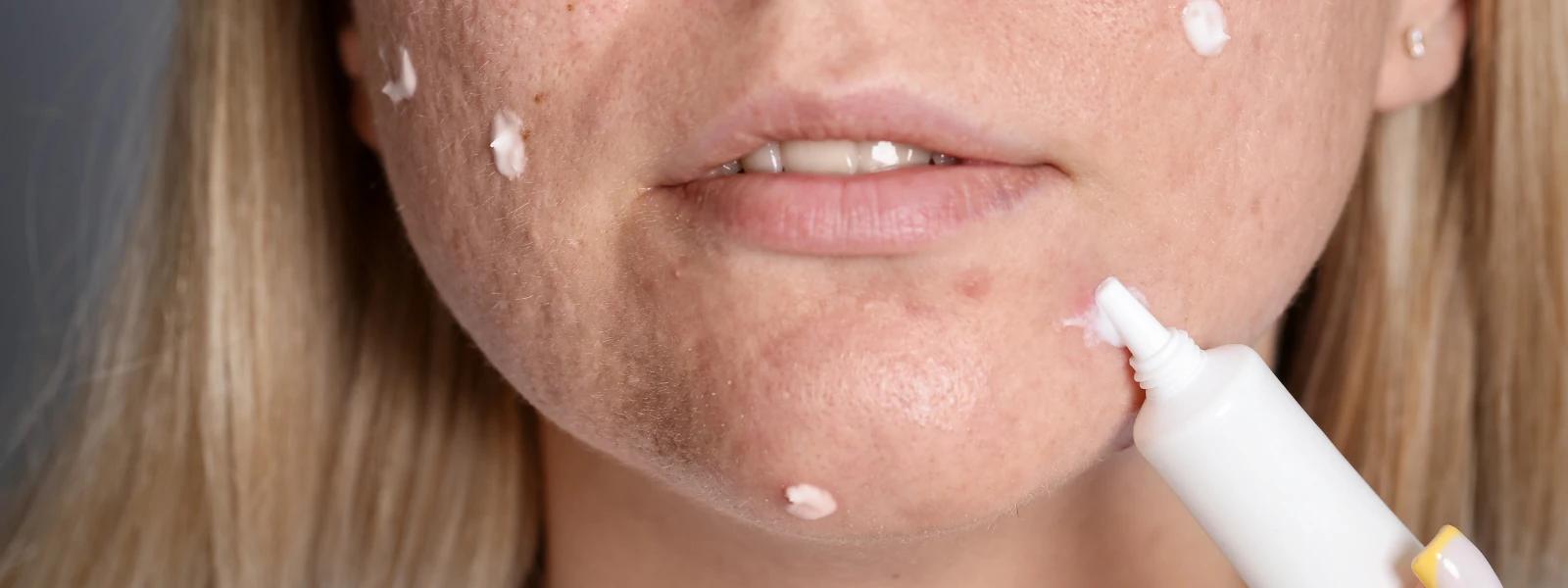
Uneven skin tone refers to areas of your skin that appear darker, lighter, or redder than your natural complexion. Unlike normal skin variations (we all have slightly different tones across our body), uneven skin tone creates noticeable patches or spots that disrupt your skin's overall harmony. Think of it as your skin's way of telling a story about sun exposure, hormonal shifts, inflammation, or simply the passage of time.
The most common signs include dark spots from old breakouts, redness around your nose and cheeks, dullness that makes your skin look tired, and textural differences that catch light unevenly. Research shows that over 80% of people experience some form of skin discolouration by age 30, making it one of the most universal skin concerns across all ethnicities and skin types.
Hyperpigmentation appears as dark patches where your skin has produced excess melanin in response to inflammation, sun damage, or hormonal changes. Hypopigmentation shows up as lighter spots where melanin production has decreased, often after injury or certain skin conditions. Redness typically indicates ongoing inflammation, broken capillaries, or conditions like rosacea that affect blood vessel behaviour beneath your skin's surface.
Your face bears the brunt of uneven tone issues, particularly around your cheeks, forehead, and upper lip where sun exposure is highest. Your chest, shoulders, and hands also commonly develop age spots and sun damage, whilst your arms might show post-inflammatory marks from ingrown hairs or minor injuries that took ages to heal properly.
Understanding uneven skin tone causes helps you tackle the problem at its source rather than just treating symptoms. Sun damage tops the list as the primary culprit behind most skin discolouration. Those UV rays trigger melanin production as your skin's defence mechanism, but this process often goes haywire, creating patches of excess pigmentation that persist long after your tan fades.
Hormonal changes during pregnancy, whilst taking birth control, or during menopause can trigger melasma - those stubborn brown patches that seem immune to most treatments. Your skin's cellular turnover naturally slows as you age, meaning dead skin cells hang around longer, contributing to dullness and uneven texture that affects how light reflects off your face.
Post-inflammatory hyperpigmentation follows any skin trauma, from aggressive spot-squeezing to harsh scrubbing or even professional treatments done incorrectly. Your skin essentially overreacts to inflammation by producing excess melanin in those areas, creating marks that can last months or even years without proper treatment.
You can control sun exposure, skincare habits, and lifestyle factors like stress and sleep quality. However, genetics, hormonal fluctuations, and natural ageing processes are largely beyond your direct control, though their effects can be minimised with consistent care and professional guidance when needed.
Darker skin tones are more prone to hyperpigmentation due to higher melanin content, but they're also better protected against UV damage. Lighter skin shows redness and sun damage more readily but may respond faster to brightening treatments. Sensitive skin types often develop uneven tone from product reactions or over-exfoliation.
When home treatments aren't cutting it, professional skin discoloration treatment options can deliver dramatic results. Chemical peels using glycolic acid, salicylic acid, or TCA remove damaged surface layers, revealing fresher, more evenly toned skin beneath. The depth and intensity depend on your specific concerns and skin type.

Asaya Dark Spot Reduction Set | 3-Step Routine for Hyperpigmentation & Even Skin Tone | Cleanser, Serum & Moisturizer | Skin Care Routine Kit
Laser treatments like IPL (Intense Pulsed Light) target specific pigments in your skin, breaking them down so your body can naturally eliminate them. Q-switched lasers work particularly well for stubborn dark spots, whilst fractional lasers improve overall skin texture and tone by stimulating collagen production in controlled micro-zones.
Microneedling combined with radiofrequency creates controlled micro-injuries that trigger your skin's healing response, promoting new collagen formation and more even pigment distribution. Professional-strength topicals like tretinoin, hydroquinone, or kojic acid can be prescribed for targeted treatment of specific discolouration patterns.
Darker skin tones often respond well to chemical peels and certain laser treatments, but require experienced practitioners to avoid post-treatment hyperpigmentation. Lighter skin typically tolerates a wider range of treatments but may need multiple sessions for optimal results.
Most professional treatments involve some downtime, from mild peeling after chemical treatments to temporary darkening of spots before they fade. Results typically become visible after 4-6 weeks, with optimal outcomes achieved after 3-6 months of consistent treatment.
The best products for uneven skin tone contain proven ingredients that work through different mechanisms to restore balance. Vitamin C serums are powerhouse antioxidants that inhibit melanin production whilst protecting against future damage. Look for stable forms like magnesium ascorbyl phosphate or sodium ascorbyl phosphate if you have sensitive skin.
Retinoids and retinol accelerate cellular turnover, helping fade existing discolouration whilst preventing new spots from forming. Start slowly with retinol products before considering prescription-strength tretinoin. Alpha and beta hydroxy acids gently exfoliate surface layers, revealing brighter skin beneath whilst improving product penetration.
Niacinamide is a gentle yet effective ingredient that reduces inflammation, regulates oil production, and helps fade post-acne marks without irritation. Natural brightening ingredients like arbutin, licorice root extract, and kojic acid offer gentler alternatives for sensitive skin types.
Morning routines should focus on protection with vitamin C and broad-spectrum SPF 30 or higher. Evening is prime time for active ingredients like retinol, AHAs, or targeted spot treatments when your skin is in repair mode and won't be exposed to UV light.
Never layer vitamin C with retinol or AHAs in the same routine, as this can cause irritation and reduce effectiveness. Similarly, avoid using multiple exfoliating acids together, and always introduce new active ingredients gradually to assess your skin's tolerance.
Natural approaches to evening skin tone focus on gentle, consistent care that supports your skin's natural healing processes. Honey masks provide antibacterial and moisturising benefits, whilst oatmeal offers gentle exfoliation and soothing properties for irritated skin.
Turmeric contains curcumin, which has anti-inflammatory properties that may help reduce redness and promote healing. However, be cautious with DIY turmeric masks as they can temporarily stain lighter skin tones. Green tea compresses can help calm inflammation and provide antioxidant benefits when applied topically.
Your diet plays a crucial role in skin health. Foods rich in vitamin C (citrus fruits, berries, leafy greens), vitamin E (nuts, seeds, avocados), and omega-3 fatty acids (fatty fish, walnuts) support skin repair and protection from within. Staying properly hydrated helps maintain skin plumpness and supports the natural exfoliation process.

Asaya Even Skin Duo for Hyperpigmentation | Even-Tone Inner Thighs, Knees, Neck & Elbows | Works on High-Friction Zones | For All Skin Types
Start each morning with gentle cleansing, followed by a vitamin C-rich serum or fresh lemon juice diluted with water (patch test first). Evening routines should include thorough cleansing, a honey mask twice weekly, and consistent moisturising with products containing natural brightening ingredients like licorice root or arbutin.
Incorporate antioxidant-rich foods like blueberries, dark chocolate, and green tea. Tomatoes contain lycopene, which may help protect against UV damage, whilst sweet potatoes provide beta-carotene that supports skin cell renewal and natural radiance.
Redness on face remedies depend on the underlying cause. For rosacea-related redness, gentle skincare with ingredients like niacinamide and azelaic acid can help reduce inflammation. Broken capillaries may require professional treatment, but consistent sun protection prevents worsening.
Dark spots removal requires patience and consistency. Spot treatments containing hydroquinone, kojic acid, or high-concentration vitamin C can be effective, but results take 8-12 weeks to become noticeable. Age spots on hands and chest often respond well to regular exfoliation combined with brightening serums.
Melasma is notoriously stubborn and often requires professional treatment combined with strict sun protection. Hormonal fluctuations can trigger flare-ups, so consistency in treatment and protection is crucial for long-term management.
Makeup and colour-correcting primers can provide immediate coverage, but addressing underlying causes through consistent skincare and professional treatments offers lasting results. Focus on prevention alongside treatment for the best long-term outcomes.
Consult a professional if home treatments haven't shown improvement after 3-4 months, if you develop new or changing spots, or if discolouration affects your confidence significantly. Early intervention often leads to better outcomes with less aggressive treatments.
Successful treatment of uneven skin tone requires a personalised approach based on your specific concerns, skin type, and lifestyle. Start by identifying your primary issues - are you dealing with sun damage, post-acne marks, hormonal discolouration, or general dullness? This determines which ingredients and treatments will be most effective.
Set realistic timeline expectations: surface-level improvements may be visible within 4-6 weeks, but significant changes to deeper pigmentation can take 3-6 months of consistent treatment. Document your starting point with photos in natural light, and track progress monthly to stay motivated and adjust your routine as needed.
Consider your budget and time constraints when building your routine. Professional treatments offer faster results but require higher investment, whilst consistent home care with quality products can achieve excellent results over time. Many people find success combining professional treatments with diligent home maintenance.
Week 1-2: Introduce a gentle vitamin C serum in the morning and ensure you're using broad-spectrum SPF daily. Week 3-4: Add a mild AHA or BHA product 2-3 times weekly in the evening. Monitor your skin's response and adjust frequency as needed before introducing additional active ingredients.

Asaya Head to Toe Anti-Pigmentation Set | Brightens & Evens Skin Tone from Head to Toe | Targets Dark Spots | Nourishing & Brightening Routine
Don't expect overnight results or try to speed up the process by using multiple active ingredients simultaneously. Over-exfoliation can worsen discolouration and create new problems. Skipping sunscreen undermines all your other efforts, as UV exposure can darken existing spots and create new ones.
Yes, significant improvement is possible with consistent treatment, though complete perfection isn't always realistic. Most people see 70-90% improvement in their skin tone evenness with proper treatment over 6-12 months. The key is setting realistic expectations and maintaining consistent care.
Natural methods include consistent sun protection, gentle exfoliation with oatmeal or honey masks, vitamin C from fresh sources, and maintaining a diet rich in antioxidants. Results take longer than chemical treatments but can be effective for mild discolouration with patience and consistency.
Yes, vitamin C is scientifically proven to inhibit melanin production and fade existing dark spots whilst providing antioxidant protection. Look for stable forms like magnesium ascorbyl phosphate, and use consistently for 8-12 weeks to see significant results.
Surface improvements may be visible within 4-6 weeks, but deeper pigmentation changes typically require 3-6 months of consistent treatment. Professional treatments can accelerate results, whilst natural methods may take 6-12 months for significant improvement.
Most types of uneven skin tone can be improved significantly with proper treatment. However, some deep melasma or genetic pigmentation patterns may be more resistant to treatment. Early intervention and consistent care generally lead to better outcomes.
Uneven skin tone refers to colour variations (dark spots, redness, dullness), whilst uneven texture involves physical surface irregularities like bumps, roughness, or enlarged pores. Both can occur together but require different treatment approaches.
Fixing uneven skin tone is absolutely achievable with the right approach, patience, and consistency. Whether you choose professional treatments, quality skincare products, or natural methods, the key is understanding your skin's specific needs and committing to a routine that addresses the root causes of your discolouration.
Remember that your skin's journey is unique, and what works for others might need adjustment for your specific concerns. The beauty industry offers countless options, but having access to curated, tried-and-tested products makes the selection process much easier. Platforms like Smytten Shop allow you to explore premium skincare brands with confidence, backed by reviews from millions of users who've tested these products firsthand.
Your skin will notice the difference when you treat it with knowledge, patience, and quality ingredients. Start where you are, use what you can access, and remember that consistent care always wins over sporadic intensive treatments. Worth adding to your routine: sun protection, gentle active ingredients, and the understanding that beautiful skin is a journey, not a destination.
