How to Fix Uneven Skin Tone and Texture for a Radiant Complexion

 100ml
100mlFace Wash for Dark Spots & Marks | Alpha Arbutin + Kojic Acid | Evens Skin Tone | Non-Stripping Gentle Formula | For All Skin Types | 100ml
You know that moment when you catch your reflection in harsh office lighting and notice your skin looks like a patchwork quilt? Dark spots here, rough patches there, and an overall complexion that seems to have its own postcode system. Uneven skin tone and texture are among the most common skincare concerns, affecting nearly everyone at some point. Whether it's post-acne marks that refuse to budge, sun damage from last summer's holiday, or hormonal changes creating new patterns across your face, achieving that coveted smooth, balanced complexion feels like chasing a mirage.
Before diving into solutions, it's worth understanding what creates uneven complexion in the first place. Your skin is constantly working to repair and renew itself, but various factors can disrupt this natural process, leading to inconsistencies in both colour and texture.
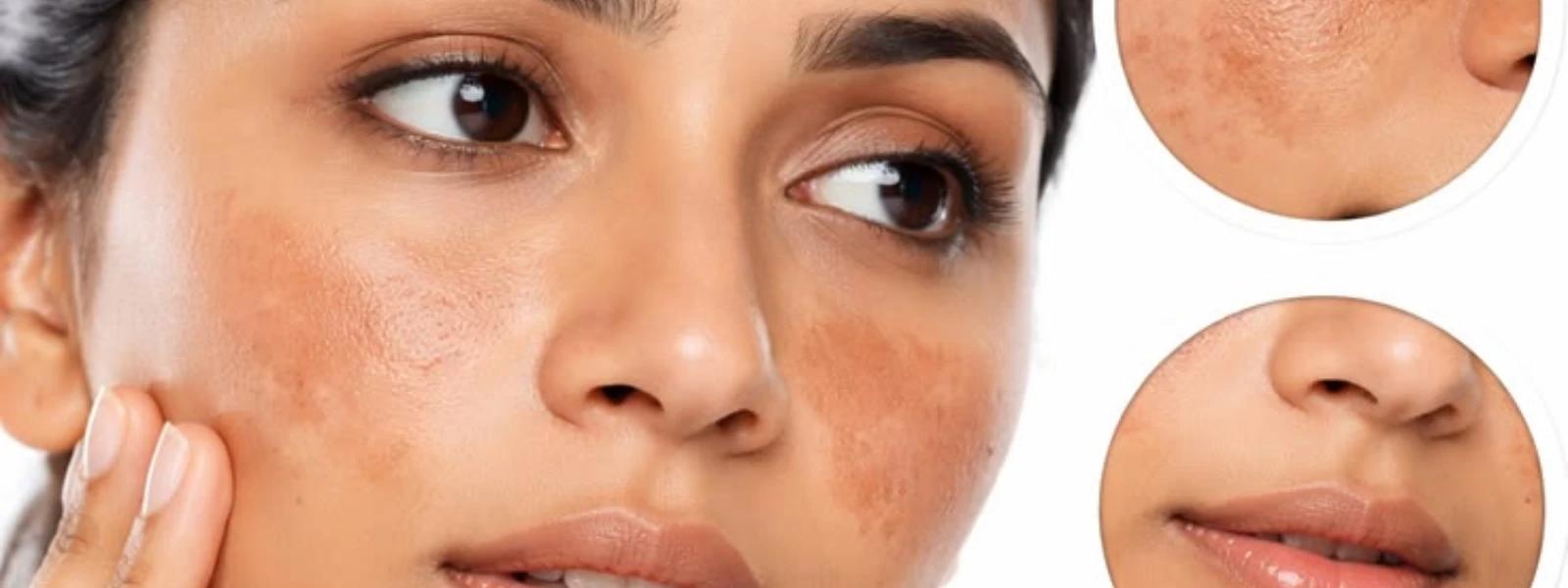
The most common culprits include sun exposure, which triggers melanin production unevenly across your face, creating those stubborn dark spots. Hormonal fluctuations, particularly during pregnancy or menstrual cycles, can cause melasma—those symmetrical patches that seem to appear overnight. Acne leaves behind more than just memories; it creates post-inflammatory hyperpigmentation (PIH) that can linger for months.
Sun damage tops the list, but it's not just about that one sunburn from years ago. Daily UV exposure accumulates over time, creating age spots and general unevenness. Your skin's natural aging process also plays a role—cell turnover slows down, dead skin cells accumulate, and collagen production decreases, all contributing to rough texture and dull appearance.
Genetics influence how your skin responds to these triggers. Some people are naturally more prone to hyperpigmentation, whilst others might struggle more with texture issues like enlarged pores or rough patches.
Hyperpigmentation appears as dark spots, patches, or overall darkening in certain areas. This includes age spots (those flat, brown spots that appear with sun exposure), melasma (larger, symmetrical patches often triggered by hormones), and PIH (dark marks left behind by acne or other skin trauma).
On the flip side, hypopigmentation creates lighter patches where melanin production has decreased. This can result from certain skin conditions, injuries, or even aggressive treatments that have damaged melanin-producing cells.
When home remedies aren't cutting it, professional treatments can provide more dramatic results. Dermatologists have an arsenal of tools designed to correct unevenness at deeper levels than topical products can reach.
Chemical peels use controlled acids to remove damaged surface layers, revealing fresher skin underneath. Light peels work on surface-level concerns, whilst deeper peels can address more stubborn pigmentation and texture issues. The downtime varies, but results can be quite impressive for both tone and texture concerns.
Laser treatments target specific concerns with precision. IPL (Intense Pulsed Light) works particularly well for sun damage and age spots, whilst fractional lasers can improve texture by creating controlled micro-injuries that stimulate collagen production.
Microneedling has gained popularity for good reason—it's less aggressive than lasers but still effective for improving texture and encouraging cell turnover. The tiny needles create micro-channels that not only stimulate healing but also allow better penetration of topical treatments.
 30 ml
30 ml15% Vitamin C Face Serum | Brightens & Evens Skin Tone | Boosts Collagen & Firmness | Reduces Dark Spots | Vitamin C & E + Ferulic Acid | 30ml
Dermatologists can prescribe stronger versions of ingredients you might recognise from over-the-counter products. Tretinoin, a prescription retinoid, accelerates cell turnover and can significantly improve both texture and pigmentation over time.
Hydroquinone remains the gold standard for treating dark spots, though it requires careful monitoring. Kojic acid and azelaic acid offer gentler alternatives that work well for many skin types, particularly those prone to sensitivity.
Not everyone needs—or wants—professional intervention. Many uneven skin remedies can be found in your skincare routine or even your kitchen cupboard. The key is consistency and patience, as natural methods typically take longer to show results.
Vitamin C deserves its reputation as a brightening powerhouse. This antioxidant not only protects against future damage but also helps fade existing dark spots by inhibiting melanin production. Look for stable forms like magnesium ascorbyl phosphate or sodium ascorbyl phosphate if you have sensitive skin.
Alpha hydroxy acids (AHAs) like glycolic and lactic acid work by dissolving the bonds between dead skin cells, revealing smoother skin underneath. Start slowly—perhaps twice a week—and gradually increase frequency as your skin builds tolerance.
Niacinamide is brilliant for multiple concerns. This form of vitamin B3 helps regulate oil production, minimises pore appearance, and can help fade dark spots over time. It's also one of the most well-tolerated active ingredients, making it suitable for sensitive skin.
Turmeric masks have been used for centuries in Indian skincare traditions, and modern research supports their anti-inflammatory and brightening properties. Mix turmeric powder with honey and yoghurt for a gentle, natural treatment.
Green tea isn't just for sipping—its antioxidant properties make it excellent for calming inflammation and protecting against environmental damage. Cooled green tea can be used as a toner or incorporated into DIY masks.
Consistency trumps complexity when it comes to addressing uneven skin tone. A well-structured routine that you can maintain long-term will always outperform an elaborate regimen that you abandon after two weeks.
Morning routines should focus on protection. Start with a gentle cleanser that removes overnight buildup without stripping your skin. Follow with a vitamin C serum to provide antioxidant protection and gradual brightening benefits.

Target & Fade Duo for Hyperpigmentation | Even-Tone Underarms, Inner Thighs & Bum | Refines Skin Texture | For All Skin Types
Moisturiser is non-negotiable, regardless of your skin type. Even oily skin needs hydration to function properly and maintain its barrier. Choose formulas appropriate for your skin's needs—lightweight gels for oily skin, richer creams for dry skin.
SPF is your most important anti-aging and pigmentation-preventing tool. Broad-spectrum protection of at least SPF 30 should be applied daily, even when you're staying indoors. UVA rays penetrate windows and contribute to aging and pigmentation.
Evenings are for repair and treatment. Double cleansing ensures thorough removal of sunscreen, makeup, and daily grime. Start with an oil-based cleanser, followed by a water-based one.
This is when you can introduce stronger actives like retinol or AHAs. These ingredients work best at night when your skin is in repair mode and won't be exposed to UV light, which can increase sensitivity.
Your skincare routine is just one piece of the puzzle. What you eat, how you sleep, and how you manage stress all influence your skin's appearance and ability to maintain an even tone and smooth texture.
Antioxidant-rich foods provide internal protection against free radical damage. Berries, leafy greens, and foods high in vitamin E and C support your skin's natural repair processes. Omega-3 fatty acids from fish or flaxseeds help maintain skin barrier function.
Pollution contributes to skin aging and can exacerbate pigmentation issues. Antioxidant serums provide some protection, but thorough cleansing becomes even more important if you live in a polluted environment.
Sleep quality directly affects skin repair. During deep sleep, your body increases blood flow to the skin and rebuilds collagen. Poor sleep can lead to dull, uneven skin and slower healing of existing damage.
Chronic stress increases cortisol levels, which can trigger inflammation and worsen conditions like acne and melasma. Regular exercise, meditation, or other stress-reduction techniques benefit both your overall health and your skin's appearance.
Exercise itself improves circulation, bringing nutrients to skin cells and helping remove waste products. Just remember to cleanse promptly after sweating to prevent pore congestion.
Whilst many uneven skin tone concerns can be managed at home, certain situations warrant professional attention. Sudden changes in pigmentation, particularly irregular or rapidly changing spots, should be evaluated by a dermatologist to rule out serious conditions.
 30 ml
30 mlDark Spot Serum For Pigmentation | With Niacinamide, Alpha Arbutin & MelaMe Complex | Fades Melasma & Acne Marks | For Oily & Dry Skin | 30ml
If you've been consistent with a good routine for several months without seeing improvement, it might be time to consider professional treatments or prescription options. Sometimes the issue requires stronger intervention than over-the-counter products can provide.
Dermatologists can diagnose underlying conditions and prescribe treatments, whilst qualified aestheticians can provide professional treatments like chemical peels and advanced facials. Research credentials and read reviews before booking consultations.
During consultations, ask about expected timelines, potential side effects, and maintenance requirements. Professional treatments often require multiple sessions and ongoing maintenance to maintain results.
Most people begin noticing improvements within 6-8 weeks of consistent treatment, though significant changes can take 3-6 months. Professional treatments may show faster results, but patience is key regardless of the approach you choose.
It's tempting to layer multiple actives, but this often leads to irritation rather than faster results. Start with one active ingredient and gradually introduce others once your skin has adapted. Niacinamide plays well with most ingredients and can be a good starting point.
Without proper maintenance and sun protection, pigmentation issues can return. The key is establishing a sustainable routine that includes daily SPF and regular use of gentle exfoliating ingredients to maintain results.
Not necessarily. Many affordable ingredients like vitamin C, niacinamide, and gentle AHAs are highly effective when used consistently. The most expensive treatment is worthless if you can't maintain the routine or afford follow-up sessions.
Gradual changes related to sun exposure or aging are typically normal, but sudden changes, irregular borders, or spots that change colour or texture should be evaluated by a dermatologist promptly.
Achieving an even, radiant complexion isn't about perfection—it's about healthy, balanced skin that makes you feel confident. Whether you choose professional treatments, focus on a solid home routine, or combine both approaches, consistency and patience are your greatest allies.
Remember that everyone's skin is different, and what works for your friend might not work for you. The journey to balance skin tone is personal, and finding the right combination of treatments and products often requires some experimentation.
For those exploring new products and treatments, platforms like Smytten Shop offer the opportunity to try before committing to full sizes. With access to premium brands and the ability to test products through samples, you can build an effective routine without the guesswork—or the waste of products that don't work for your unique skin needs.
