How to Fade Spots: Your Guide to Dark Spot Removal
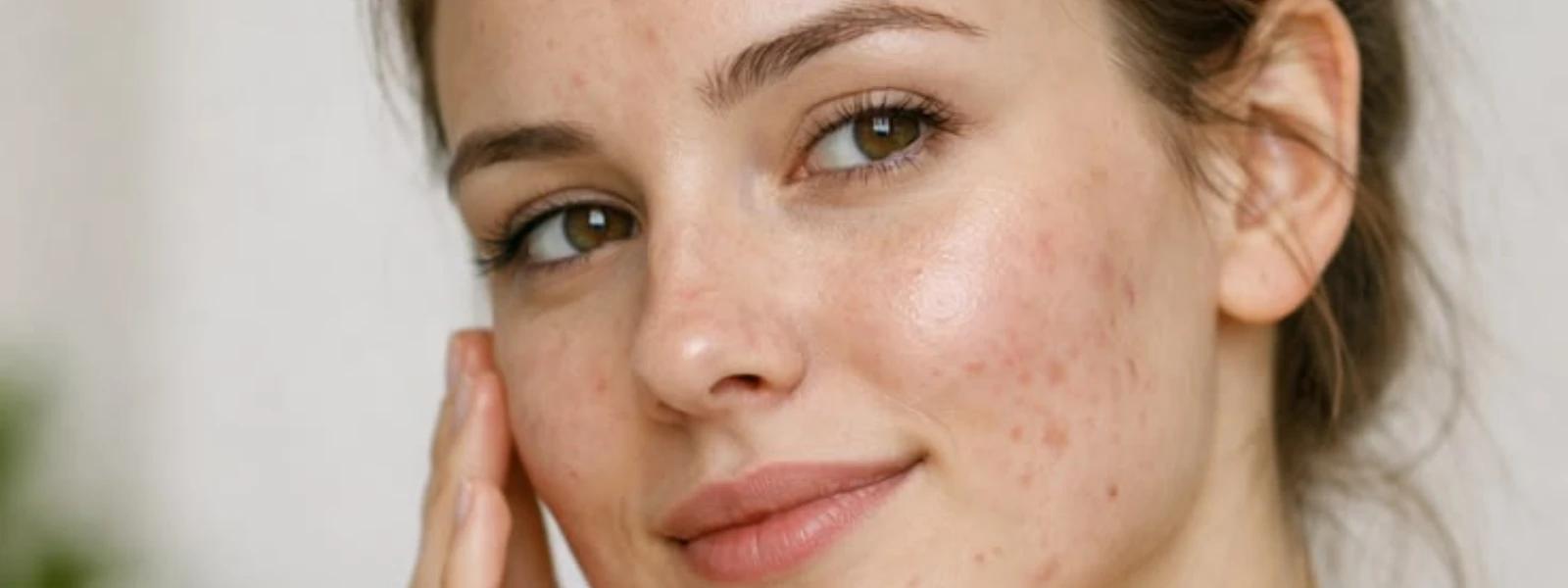

You've been staring at that stubborn dark spot on your cheek for months now, watching it mock your skincare efforts. Whether it's a souvenir from last summer's beach holiday, a reminder of that hormonal breakout, or just the natural consequence of time, dark spots have a way of overstaying their welcome. The good news? Your skin is constantly renewing itself, and with the right approach, you can help those unwanted marks fade into memory. Let's explore the science-backed methods that actually work for dark spot removal and get your skin back to its even-toned best.
Before diving into solutions, it's worth understanding what you're actually dealing with. Dark spots, medically known as hyperpigmentation, occur when your skin produces excess melanin in certain areas. Think of melanin as your skin's natural defence mechanism – it's what gives your skin its colour and helps protect against UV damage.
When this system goes into overdrive due to inflammation, sun exposure, or hormonal changes, you end up with patches of concentrated pigment. These spots typically appear on areas most exposed to the sun: your face, hands, shoulders, and décolletage.
Sun spots (also called age spots) are perhaps the most common culprits. These flat, brown patches result from years of UV exposure and become more prominent as we age. They're essentially your skin's way of saying "remember all those times you forgot to reapply SPF?"
Post-inflammatory hyperpigmentation (PIH) is what happens after your skin experiences trauma – think acne breakouts, cuts, or even aggressive scrubbing. Your skin responds to the inflammation by producing extra melanin, leaving behind dark marks long after the original issue has healed.
Melasma presents as larger, symmetrical patches, often triggered by hormonal changes during pregnancy (hence the nickname "pregnancy mask") or from oral contraceptives. This type tends to be more stubborn and requires specialised treatment approaches.
UV radiation remains the primary villain in the dark spot story. Even brief, daily sun exposure without proper protection accumulates over time, triggering melanin production. Hormonal fluctuations, particularly oestrogen surges, can also activate pigment-producing cells, explaining why many women notice new spots during pregnancy or when starting hormonal contraception.
If you prefer a gentler approach or want to complement professional treatments, several natural ingredients have shown genuine promise in clinical studies. The key is patience – natural methods typically require 8-12 weeks of consistent use to show visible results.
Vitamin C stands out as one of the most researched natural brightening agents. This powerful antioxidant not only helps inhibit melanin production but also protects against future UV damage. Look for stable forms like magnesium ascorbyl phosphate or sodium ascorbyl phosphate in your serums.
Licorice root extract contains glabridin, a compound that naturally inhibits tyrosinase – the enzyme responsible for melanin production. It's particularly effective for those with sensitive skin who can't tolerate stronger actives.
Kojic acid, derived from fermented rice, works similarly to hydroquinone but with less irritation potential. Arbutin, found in bearberry plants, offers another gentle option for melanin reduction without the harsh side effects of stronger bleaching agents.
A weekly lemon and honey mask can provide gentle exfoliation and brightening. Mix fresh lemon juice with raw honey and apply for 15 minutes before rinsing. The citric acid provides mild chemical exfoliation whilst honey offers antimicrobial and healing properties.
Turmeric and yogurt treatments harness curcumin's anti-inflammatory benefits. Mix a pinch of turmeric with plain yogurt and apply as a mask twice weekly. The lactic acid in yogurt provides gentle exfoliation whilst turmeric helps calm inflammation that can worsen pigmentation.
Pure aloe vera gel applied nightly can help speed skin regeneration and provide soothing relief if you're using other active treatments. Green tea extract, rich in polyphenols, can be applied as a toner to provide antioxidant protection throughout the day.
When natural methods aren't delivering the results you're after, professional treatments can significantly accelerate the spot fading process. These options typically show results within 4-8 weeks rather than months.
Hydroquinone remains the gold standard for hyperpigmentation treatment. Available in 2-4% concentrations by prescription, it works by inhibiting tyrosinase activity. However, it requires careful monitoring and shouldn't be used long-term without dermatological supervision.
Tretinoin and other retinoids accelerate cell turnover, helping to shed pigmented cells more quickly whilst preventing new spots from forming. They're particularly effective when combined with other brightening agents in what dermatologists call "triple therapy" formulations.
Chemical peels using glycolic acid, salicylic acid, or trichloroacetic acid (TCA) can dramatically improve skin discoloration by removing the top layers of pigmented skin. The depth of the peel determines both the results and recovery time.
Laser therapy, including IPL (intense pulsed light) and fractional lasers, targets melanin directly whilst stimulating collagen production. These treatments are particularly effective for sun spot removal and can show results after just one session, though multiple treatments are usually recommended.
Building an effective routine requires understanding which ingredients work synergistically and how to layer them properly. The goal is to inhibit melanin production, accelerate cell turnover, and protect against future damage.
Niacinamide deserves special mention for its gentle yet effective approach to brightening skin. This form of vitamin B3 helps prevent melanin transfer from pigment-producing cells to surface skin cells, making it ideal for daily use without irritation.
Alpha hydroxy acids (AHAs) like glycolic and lactic acid provide chemical exfoliation, helping to shed pigmented cells more quickly. They also improve product penetration, making other brightening ingredients more effective.
Azelaic acid offers a gentler alternative for sensitive skin, providing both antibacterial and brightening benefits. It's particularly useful for those dealing with both acne and post-inflammatory hyperpigmentation.
Your morning routine should focus on protection and gentle brightening. Start with a vitamin C serum, follow with a lightweight moisturiser, and never skip broad-spectrum SPF 30 or higher. This combination helps prevent new spots whilst gently working on existing ones.
Evening routines can accommodate stronger actives. Alternate between retinoid treatments and AHA exfoliation to avoid over-irritation. Always introduce new actives gradually, starting with 2-3 times per week and building up as your skin adjusts.
Here's the truth that might sting a bit: without proper sun protection, even the most expensive spot fading creams are fighting a losing battle. UV exposure not only creates new dark spots but also darkens existing ones, undoing months of treatment progress.
Look for tinted sunscreens with iron oxide – these provide superior protection against visible light, which can also trigger pigmentation, particularly in darker skin tones. Physical sunscreens containing zinc oxide or titanium dioxide offer broad-spectrum protection without the potential for chemical sensitivity.
Reapplication every two hours isn't just a suggestion – it's essential for maintaining protection. Consider keeping a powder sunscreen in your bag for easy touch-ups throughout the day, especially if you're using active treatments that increase photosensitivity.
Some types of pigmentation prove more challenging than others. Melasma, in particular, can be notoriously stubborn because it's driven by internal hormonal factors rather than just external damage.
Triple therapy combining hydroquinone, tretinoin, and a mild corticosteroid has shown excellent results for melasma treatment. Tranexamic acid, originally used to control bleeding, has emerged as a promising new option for hormonal pigmentation when used both topically and orally.
For treatment-resistant spots, combination approaches often work best. This might involve alternating between different active ingredients, combining topical treatments with professional procedures, or addressing underlying hormonal factors with your healthcare provider.
Natural methods typically require 8-12 weeks of consistent use to show visible results. Factors like spot depth, skin type, and sun protection habits all influence healing speed. Surface-level discolouration may improve in 4-6 weeks, whilst deeper pigmentation can take 3-6 months.
Many dark spots can fade significantly or completely with proper treatment, particularly those caused by sun damage or post-inflammatory hyperpigmentation. However, some deeper pigmentation or melasma may only lighten rather than disappear entirely. Realistic expectations and patience are key.
Professional treatments like prescription hydroquinone, chemical peels, or laser therapy offer the fastest results, typically showing improvement in 4-8 weeks. However, these should always be done under dermatological supervision to avoid complications.
Whilst generally gentler than chemical treatments, natural ingredients can still cause irritation or allergic reactions. Always patch test new ingredients, and be particularly cautious with citrus-based remedies, which can increase photosensitivity and worsen pigmentation if used before sun exposure.
This is often called "purging" and can occur when using active ingredients like retinoids or AHAs. These treatments accelerate cell turnover, bringing deeper pigmentation to the surface before it's shed. This temporary darkening usually resolves within 4-6 weeks of consistent treatment.
Fading dark spots requires patience, consistency, and realistic expectations. Whether you choose natural remedies, professional treatments, or a combination approach, the key is finding what works for your skin type and lifestyle. Remember that prevention through daily sun protection is just as important as treatment – it's much easier to prevent new spots than to fade existing ones.
For those looking to explore new products and treatments, platforms like Smytten Shop offer the opportunity to try different formulations before committing to full sizes. With over 28 million users discovering their perfect skincare matches, you can explore curated selections of brightening serums, gentle exfoliants, and protective sunscreens with the confidence of cashback rewards. Your journey to even-toned skin doesn't have to be expensive or overwhelming – it just needs to be consistent and well-informed.
