How to Fade PIH: Effective Treatments for Post-Inflammatory Hyperpigmentation
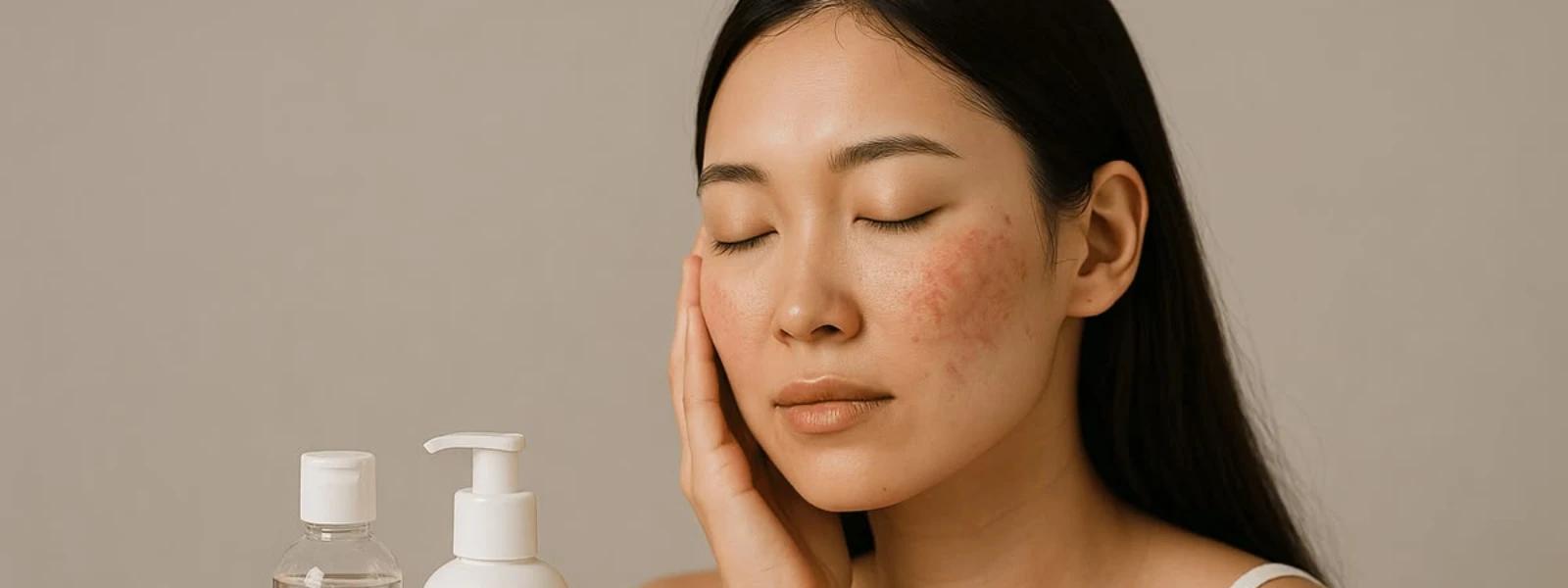

You've been diligently following your skincare routine, but those stubborn dark spots from last month's breakout are still staring back at you in the mirror. If you're dealing with post-inflammatory hyperpigmentation (PIH), you're not alone. These persistent marks can linger for months, making your skin look uneven despite your best efforts. The good news? With the right approach and proven treatments, you can effectively fade PIH and restore your skin's natural radiance. Let's explore the science-backed methods that actually work.
Post-inflammatory hyperpigmentation occurs when your skin produces excess melanin in response to inflammation or injury. Unlike melasma, which is hormonally driven, PIH is your skin's protective response to trauma. Whether it's from acne, eczema, cuts, burns, or even aggressive skincare treatments, any inflammation can trigger melanocytes to go into overdrive.
The process is quite straightforward: when your skin experiences inflammation, it releases inflammatory mediators that stimulate melanin production. This excess pigment gets deposited in the skin, creating those frustrating dark spots that seem to take forever to fade. Melanin-rich skin is particularly susceptible to PIH because it naturally produces more melanin as a protective mechanism.
Acne breakouts and cystic acne
Eczema and dermatitis flare-ups
Cuts, scrapes, and minor injuries
Aggressive exfoliation or chemical peels
Laser treatments performed incorrectly
Picking or squeezing blemishes
Without proper treatment, PIH typically takes anywhere from 3 to 24 months to fade naturally. However, with consistent PIH treatment, you can significantly accelerate this process and prevent new dark spots from forming.
Understanding how to fade PIH requires knowing the two main approaches: melanin inhibition and cellular turnover acceleration. Melanin inhibition works by blocking the enzymes responsible for melanin production, whilst exfoliation helps remove pigmented cells from the skin's surface more quickly.
The key to successful hyperpigmentation removal lies in addressing both the existing pigment and preventing new pigment formation. This is why sun protection is absolutely non-negotiable when treating PIH. UV exposure not only darkens existing spots but can also trigger new pigment production, essentially undoing all your hard work.
One crucial aspect often overlooked is the role of ongoing inflammation in maintaining dark spots. When you pick at your skin, use harsh products, or expose PIH to sun damage, you're creating a cycle of inflammation that keeps melanocytes active. This is why gentle, consistent care often outperforms aggressive treatments that cause irritation.
Your skin's natural cell turnover cycle takes approximately 28 days, but this process slows down with age and can be disrupted by inflammation. Effective PIH skincare works by normalising this turnover whilst providing the right ingredients to inhibit excess melanin production.
Not all dark spot correctors are created equal. The most effective PIH treatments contain specific ingredients that have been clinically proven to address hyperpigmentation. Let's break down the powerhouse ingredients that actually deliver results.
Vitamin C is your first line of defence against PIH. This powerful antioxidant not only protects against free radical damage but also inhibits tyrosinase, the enzyme responsible for melanin production. Look for stable forms like magnesium ascorbyl phosphate or sodium ascorbyl phosphate, which are less likely to cause irritation whilst still delivering results.
Niacinamide deserves a spot in every PIH-fighting routine. This form of vitamin B3 reduces inflammation, regulates oil production, and helps fade dark spots by interfering with melanosome transfer. It's particularly brilliant for those dealing with both acne and PIH, as it addresses both concerns simultaneously.
Azelaic acid offers dual benefits for PIH sufferers. It's both antibacterial and anti-inflammatory, making it perfect for preventing new breakouts whilst fading existing marks. This ingredient is particularly effective for those with sensitive skin who can't tolerate stronger actives.
Retinoids are the gold standard for accelerating cell turnover and fading PIH. Whether you choose over-the-counter retinol or prescription tretinoin, these vitamin A derivatives help push pigmented cells to the surface more quickly whilst preventing new comedones from forming.
Alpha hydroxy acids (AHAs) like glycolic and lactic acid work by gently exfoliating the skin's surface, removing pigmented cells and revealing brighter skin underneath. Glycolic acid, with its small molecular size, penetrates deeply, whilst lactic acid offers gentler exfoliation with added hydrating benefits.
Alpha arbutin and kojic acid are natural tyrosinase inhibitors that effectively lighten dark spots without the potential side effects of hydroquinone. These ingredients work gradually but consistently to fade skin discoloration.
Sometimes, stubborn PIH requires professional intervention to achieve optimal results. In-office treatments can significantly accelerate the fading process, particularly for deeper or more extensive pigmentation.
Chemical peels offer controlled exfoliation that can dramatically improve PIH appearance. Salicylic acid peels are particularly effective for acne-prone skin, as they penetrate oil-filled pores whilst addressing surface pigmentation. Glycolic acid peels provide more aggressive exfoliation for stubborn surface-level PIH.
For deeper pigmentation, TCA (trichloroacetic acid) peels can reach the dermal layer where more persistent pigment resides. However, these require careful consideration and should only be performed by experienced professionals, particularly on darker skin tones.
Modern laser technology offers precise targeting of pigmented cells without damaging surrounding tissue. Q-switched lasers and newer picosecond lasers can effectively break up melanin deposits, allowing your body to naturally eliminate the fragmented pigment.
IPL (Intense Pulsed Light) works well for widespread uneven skin tone and can address multiple concerns simultaneously. However, it's crucial to work with practitioners experienced in treating melanin-rich skin to avoid complications.
Creating an effective routine for fading PIH requires strategic layering of ingredients and consistent application. Your morning routine should focus on protection and antioxidants, whilst evenings are for treatment and repair.
Start with a gentle cleanser that won't strip your skin's protective barrier. Follow with a vitamin C serum to provide antioxidant protection and melanin inhibition. Apply a hydrating moisturiser to support your skin barrier, then finish with broad-spectrum SPF 30 or higher.
For those dealing with PIH, consider tinted sunscreens containing iron oxides, which provide additional protection against visible light that can darken existing pigmentation.
Evening is when your skin does its repair work, making it the ideal time for active ingredients. After cleansing, apply your chosen treatment product—whether it's a retinoid, AHA, or azelaic acid. Follow with a nourishing moisturiser to support your skin barrier overnight.
Remember to introduce new actives gradually and never layer multiple strong ingredients on the same night. Your skin needs time to adjust, and irritation will only worsen PIH.
Incorporate weekly treatments like exfoliating masks or hydrating sheet masks to boost your routine's effectiveness. Professional treatments can be scheduled monthly or quarterly, depending on your skin's needs and tolerance.
Whilst professional treatments and proven actives are most effective, certain natural ingredients can support your PIH-fading efforts. Licorice root extract contains glabridin, which inhibits tyrosinase activity and provides anti-inflammatory benefits.
Green tea extract offers antioxidant protection and mild anti-inflammatory effects, whilst mulberry extract contains natural skin-brightening compounds. However, it's important to have realistic expectations—natural ingredients work more slowly than their synthetic counterparts.
Your lifestyle choices significantly impact how quickly PIH fades. Adequate sleep supports cellular repair, whilst stress management helps reduce inflammation that can perpetuate pigmentation. A diet rich in antioxidants provides internal support for skin healing.
Staying hydrated helps maintain optimal skin barrier function, whilst avoiding picking or touching affected areas prevents new trauma that can worsen PIH.
If your PIH isn't responding to treatment after 3-6 months of consistent care, it's time to reassess your approach. Common mistakes include inconsistent sunscreen use, over-exfoliation leading to irritation, and unrealistic timeline expectations.
Sometimes what appears to be PIH is actually melasma or another form of hyperpigmentation that requires different treatment approaches. Deep dermal pigmentation may need professional intervention, whilst hormonal factors can influence pigment production.
If you're not seeing improvement after 6 months of consistent treatment, consulting a dermatologist can help identify whether you're dealing with PIH or another condition requiring specialised care.
Initial improvements typically appear within 4-6 weeks of consistent treatment, with significant fading occurring over 3-6 months. Complete resolution can take 6-24 months depending on the depth of pigmentation and your skin type. Patience and consistency are key to successful PIH treatment.
Yes, PIH can fade completely with proper treatment and time. Unlike melasma, PIH is not hormonally driven and responds well to consistent treatment. However, prevention through sun protection and gentle skincare is crucial to prevent new PIH from forming.
Combination therapy provides the fastest results—pairing professional treatments like chemical peels or lasers with consistent home care including daily sunscreen, proven actives like retinoids or vitamin C, and gentle exfoliation accelerates the fading process significantly.
Common reasons include inconsistent sunscreen use, over-exfoliation causing irritation, picking at the skin, using too many actives simultaneously, or dealing with deeper dermal pigmentation that requires professional treatment. Sun exposure can also darken existing PIH and create new spots.
Yes, but introduce one active ingredient at a time to avoid irritation. Effective combinations include vitamin C in the morning with retinoids in the evening, or alternating AHA and retinoid nights. Always prioritise sun protection when using multiple actives.
PIH can fade naturally over 3-24 months without treatment, but this process is significantly slower and can be disrupted by sun exposure or new trauma. Active treatment accelerates fading and helps prevent new PIH formation.
Fading PIH requires patience, consistency, and the right combination of ingredients and treatments. Remember that your skin's healing journey is unique, and what works for others may need adjustment for your specific needs. The key is starting with gentle, proven ingredients whilst maintaining religious sun protection.
Whether you're exploring new treatments through platforms like Smytten Shop, where you can try products before committing to full sizes, or working with a dermatologist for professional treatments, the most important factor is consistency. Your skin will notice the difference when you commit to a routine that addresses both existing pigmentation and prevents new spots from forming.
Real talk: PIH fading isn't always linear, and you might experience setbacks along the way. But with the right approach and realistic expectations, you can achieve the even, radiant skin you're working towards. Your patience and dedication to proper skin brightening techniques will pay off in the long run.
