How Sweat Causes Dark Spots: Understanding Hyperpigmentation
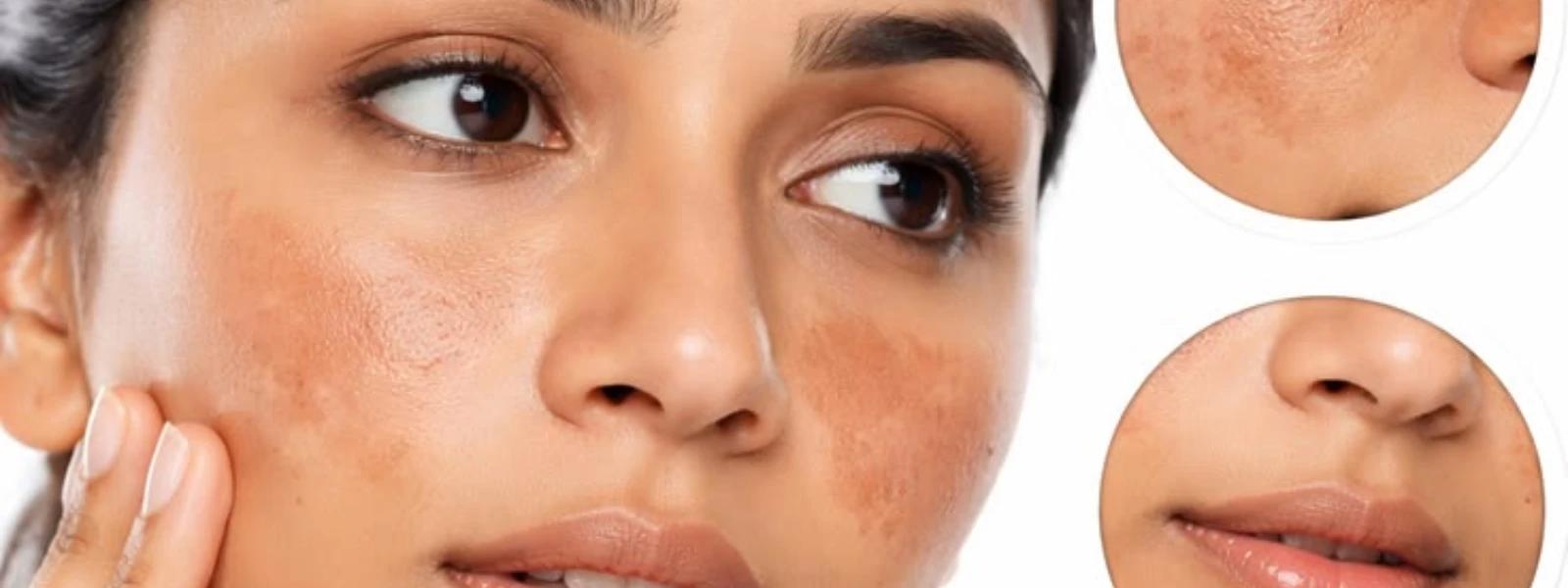

Ever noticed those stubborn dark patches appearing exactly where you sweat the most? You're definitely not alone in this frustrating skin concern. That post-gym glow might feel amazing, but for many of us, excessive sweating can leave behind unwanted dark spots and patches that seem impossible to shift. Whether it's your underarms after a particularly intense workout or dark marks on your neck during Mumbai's sweltering summers, understanding how sweat causes dark spots is the first step towards clearer, more even-toned skin.
Let's get real about what's actually happening beneath your skin when you sweat. Sweat and hyperpigmentation have a complex relationship that goes beyond simple moisture on your skin surface. When you perspire heavily, your sweat contains salt, urea, and other waste products that can irritate your skin over time.
This irritation triggers your melanocytes - the cells responsible for producing pigment - to go into overdrive. Think of it as your skin's protective response gone a bit haywire. The constant moisture, combined with friction from clothing or skin-on-skin contact, creates the perfect storm for post inflammatory hyperpigmentation.
Your melanocytes don't just randomly decide to produce extra pigment. When sweat sits on your skin for extended periods, especially in areas where clothing rubs against damp skin, it disrupts your skin barrier. This disruption sends signals to increase melanin production as a protective mechanism.
Sweat isn't just water - it's loaded with minerals and waste products your body is trying to eliminate. When this mixture dries on your skin repeatedly, it can cause micro-irritation that accumulates over time, leading to those persistent dark patches.
Some areas of your body are simply more prone to developing dark spots from sweating than others. Understanding these hotspots can help you focus your prevention efforts where they matter most.
Your underarms top the list for obvious reasons - they're enclosed, prone to friction, and often trapped under tight clothing. The combination of sweat, deodorant residue, and constant rubbing creates ideal conditions for sweat induced skin discoloration.
Underarms - trapped moisture and deodorant interactions
Groin and inner thighs - friction from walking and tight clothing
Under breast area - especially common with ill-fitting bras
Back of neck - hair and collar friction combined with sweat
Face and forehead - particularly around the hairline
These areas share common characteristics: they're often covered, experience friction, and have limited air circulation. Your skin in these zones also tends to be more sensitive and reactive to irritation.
Not all sweat-related darkening is the same, and understanding the different types can help you choose the right treatment approach. Sweat rash dark skin often develops differently than chronic hyperpigmentation from long-term irritation.
Acanthosis nigricans is one of the most common conditions mistaken for simple sweat staining. This condition causes velvety, dark patches typically in body folds and is often linked to insulin resistance, though chronic irritation from sweating can worsen its appearance.
Some people experience chromhidrosis, where their sweat actually contains pigments that can stain skin temporarily. This rare condition can make it seem like sweating directly causes darkening, though the mechanism is different from true hyperpigmentation.
Heat rash might seem harmless, but those tiny bumps can lead to post inflammatory hyperpigmentation sweat patterns. When heat rash heals, it often leaves behind dark spots, especially on melanin-rich skin.
If you've noticed that you seem to develop darker patches more easily than others, several factors might be at play. Sweat and skin pigmentation reactions vary significantly between individuals based on genetics, hormones, and lifestyle factors.
Hyperhidrosis, or excessive sweating, creates a constant cycle of moisture and irritation that can accelerate pigmentation changes. If you're dealing with this condition, you might notice darkening happens faster and more intensely than occasional sweating would cause.
Your favourite antiperspirant might be contributing to the problem. Aluminium-based products can react with sweat and cause irritation, especially when applied to damp skin or immediately after shaving.
Hormonal fluctuations during pregnancy, menstruation, or due to conditions like PCOS can make your skin more reactive to irritation. This means the same amount of sweating might cause more noticeable darkening during certain times.
Prevention really is better than cure when it comes to how to prevent sweat darkening skin. The good news is that most prevention strategies are simple lifestyle adjustments that can make a significant difference over time.
Start with your hygiene routine - gentle cleansing immediately after sweating helps remove salt and waste products before they can cause irritation. Use lukewarm water and a mild, pH-balanced cleanser rather than harsh scrubbing.
Your clothing choices play a huge role in prevention. Natural fibres like cotton and moisture-wicking synthetic blends allow better air circulation and reduce the trapped moisture that contributes to darkening.
Apply antiperspirant to completely dry skin before bed, not in the morning rush. This gives the active ingredients time to work without interference from immediate sweating.
Regular, gentle exfoliation helps prevent the buildup of dead skin cells that can trap sweat and bacteria. Use a soft washcloth or gentle chemical exfoliant 2-3 times per week, never harsh scrubbing.
Treating dark marks from sweat requires patience and consistency, but the right approach can deliver real results. The key is addressing both the underlying irritation and the existing pigmentation.
For at-home treatment, ingredients like niacinamide, vitamin C, and gentle AHAs can help fade existing dark spots while preventing new ones. These ingredients work by regulating melanin production and promoting healthy cell turnover.
If home treatments aren't delivering the results you want, professional options include chemical peels, laser treatments, and prescription-strength lightening agents. A dermatologist can assess whether your darkening is purely cosmetic or related to an underlying condition.
Most people start seeing improvement in 6-8 weeks with consistent treatment, but complete fading can take 3-6 months or longer. Sweat acne dark spots often respond faster than deep, chronic pigmentation.
Creating a routine that works with your body's natural processes rather than against them is essential for long-term success. This means choosing products that won't clog pores or cause additional irritation in high-sweat areas.
Morning routines should focus on protection - lightweight, breathable products that won't interfere with your natural cooling system. Evening routines can include more active ingredients to repair and prevent pigmentation while you sleep.
Niacinamide - reduces inflammation and regulates oil production
Salicylic acid - prevents clogged pores in high-sweat areas
Zinc oxide - provides gentle protection and has anti-inflammatory properties
Ceramides - strengthen skin barrier to resist irritation
Yes, most sweat-related darkening can fade significantly with proper treatment and prevention. However, the timeline varies depending on how long the darkening has been present and your skin's natural renewal rate. Consistent care typically shows results within 2-3 months.
Excessive sweating itself doesn't permanently damage skin, but chronic irritation and inflammation can lead to persistent hyperpigmentation. Early intervention and proper care can prevent most permanent changes.
Some antiperspirants can contribute to darkening, especially those containing harsh chemicals or when applied incorrectly. Look for gentle, aluminium-free options if you notice irritation, and always apply to completely dry skin.
Genetic factors, skin sensitivity, hormonal influences, and melanin content all affect how your skin responds to sweat irritation. People with higher melanin content are more prone to post-inflammatory hyperpigmentation.
Some natural ingredients like lemon juice, turmeric, and aloe vera may help with mild darkening, but they're generally less effective than proven active ingredients. Be cautious with DIY remedies as some can cause additional irritation.
Understanding how sweat causes dark spots empowers you to take control of your skin's health and appearance. The combination of moisture, friction, and irritation creates the perfect environment for hyperpigmentation, but this doesn't mean you're stuck with dark patches forever.
Prevention through smart hygiene practices, appropriate clothing choices, and gentle skincare routines remains your best defence. When treatment is needed, consistency with proven ingredients delivers the most reliable results. Remember, your skin's journey is unique - what works for others might need adjustment for your specific needs and lifestyle.
For those exploring new skincare solutions, platforms like Smytten Shop offer the opportunity to discover and try products from premium brands before committing to full sizes. With over 28 million users finding their perfect skincare matches, you can explore curated selections designed for various skin concerns, including hyperpigmentation and sweat-related issues, all while earning cashback on your discoveries.
