How Lightweight Moisturizers Work for Your Skin Type
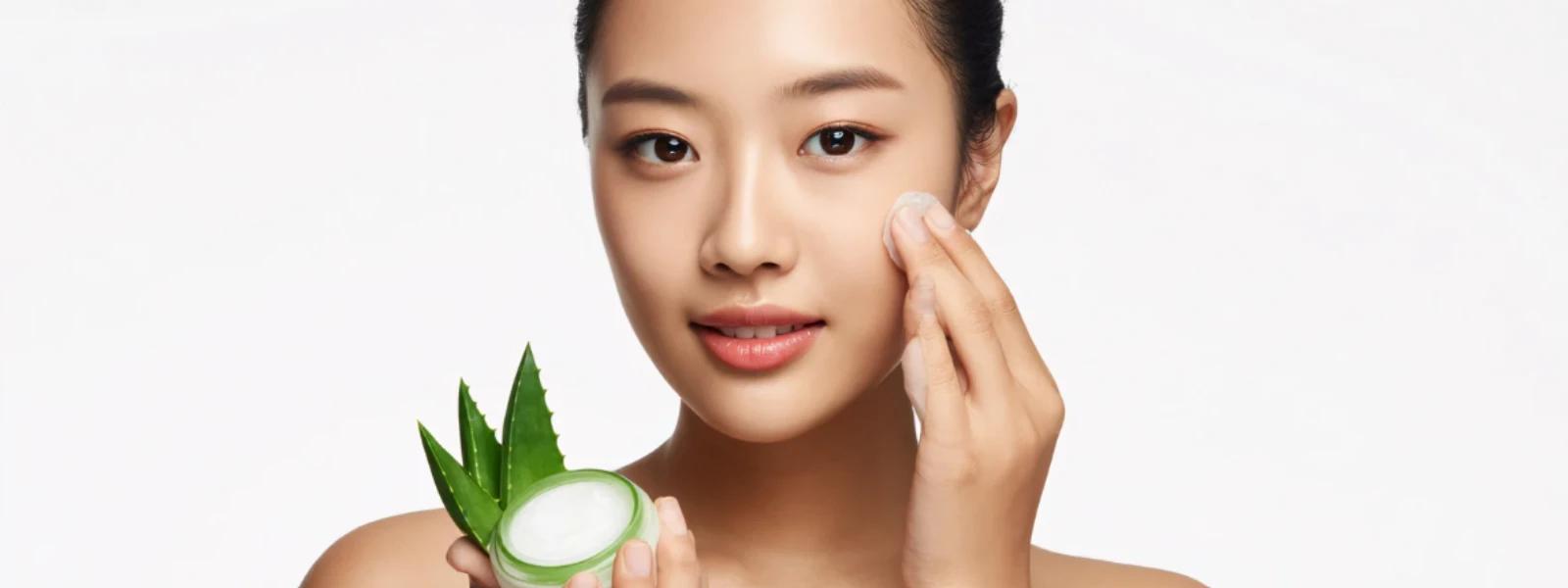

You've just finished your morning skincare routine, and your face feels like it's wearing a heavy mask. Sound familiar? If your moisturiser leaves you feeling greasy or causes breakouts, you might be wondering how lightweight moisturizers work differently. The truth is, not all skin needs the same level of moisture delivery, and understanding the science behind lightweight formulas can completely transform your skincare experience.
Lightweight moisturisers are formulated with a specific molecular structure that delivers hydration without the heavy, occlusive feel of traditional creams. Unlike their richer counterparts, these formulas prioritise fast absorption and breathable hydration, making them ideal for various skin types and climates.
The magic lies in the formulation. Water-based moisturizer formulas use humectants like hyaluronic acid and glycerin to draw moisture from the environment into your skin. These ingredients have smaller molecular weights compared to heavy oils, allowing them to penetrate quickly without sitting on the surface.
Emollients in lightweight formulas are carefully selected for their non-greasy properties. Ingredients like squalane and jojoba oil mimic your skin's natural sebum without overwhelming it. The result? Your skin barrier gets the support it needs without feeling suffocated.
Non-comedogenic moisturizer properties are essential in lightweight formulas. This means the ingredients won't clog your pores or contribute to blackheads and breakouts. Look for formulas that have been specifically tested for comedogenicity.
Gel moisturizer textures often provide the lightest feel whilst delivering serious hydration. These formulas typically contain higher water content and use polymers to create a smooth, cooling sensation upon application.
Understanding your skin type is crucial for choosing the right lightweight formula. Each skin type has unique needs that require specific approaches to hydration and barrier support.
Oily skin produces excess sebum, but that doesn't mean it's properly hydrated. Moisturizer for oily skin needs to balance oil production whilst providing essential moisture. Lightweight formulas work by delivering hydration without adding unnecessary oils that could trigger more sebum production.
Look for oil-free moisturizer options containing niacinamide, which helps regulate sebum production whilst strengthening your skin barrier. These formulas often include mattifying agents that help control shine throughout the day.
Dry skin can benefit from lightweight moisturisers when layered properly. Start with a hydrating moisturizer serum containing hyaluronic acid, then follow with a lightweight cream. This layering technique provides deep hydration without the heavy feel that many people with dry skin assume they need.
During summer months or in humid climates, even dry skin types might prefer lighter formulas. The key is adjusting your routine seasonally and listening to what your skin needs.
Combination skin presents unique challenges, with different areas requiring different levels of moisture. Your T-zone might benefit from an oil-free formula, whilst your cheeks need something more nourishing.
Consider using a lightweight base moisturiser all over, then adding a richer formula only to dry areas. This targeted approach ensures each part of your face gets appropriate care without overwhelming oily zones.
Moisturizer for sensitive skin should be fragrance-free and formulated with gentle, proven ingredients. Lightweight formulas often contain fewer potential irritants than heavy creams, making them suitable for reactive skin types.
Look for formulas with ceramides and panthenol, which support barrier function without causing irritation. Always patch test new products, even lightweight ones, before applying to your entire face.
Not all lightweight moisturisers are created equal. The ingredients make all the difference in how effectively these formulas work for your specific skin concerns.
Hyaluronic acid is the gold standard for lightweight hydration. This ingredient can hold up to 1,000 times its weight in water, providing intense moisture without any greasy residue. Look for different molecular weights of hyaluronic acid for multi-level hydration.
Glycerin works as a humectant, drawing moisture from the environment into your skin. It's particularly effective in humid climates and provides immediate plumping effects.
Niacinamide deserves special mention for its multi-tasking abilities. This form of vitamin B3 helps regulate oil production, reduces inflammation, and strengthens the skin barrier—all whilst being incredibly lightweight.
Heavy oils like coconut oil or cocoa butter can clog pores in lightweight formulas. Whilst these ingredients aren't inherently bad, they're not suitable for formulas designed to be non-comedogenic.
Synthetic waxes and heavy silicones can create a barrier that traps oil and bacteria, leading to breakouts. Stick to formulas with lighter silicones or silicone-free options if you're prone to congestion.
Timing and technique matter when it comes to maximising the benefits of lightweight moisturisers. Proper application ensures you get the hydration you need without any unwanted side effects.
Apply your lightweight moisturiser to slightly damp skin for maximum absorption. This technique, often called the "3-minute rule," helps lock in moisture from your previous skincare steps whilst the lightweight formula penetrates effectively.
For summer moisturizer use, lightweight formulas are particularly beneficial. They won't feel heavy in humid conditions and won't interfere with SPF application. Many people find they can use the same lightweight formula year-round with minor routine adjustments.
Using too much product is a common mistake with lightweight formulas. These moisturisers are designed to be efficient—a small amount goes a long way. Start with a pea-sized amount and add more only if needed.
Don't skip moisturiser because you have oily skin. This common misconception leads to dehydration, which can actually trigger more oil production as your skin tries to compensate.
Understanding when to choose lightweight over heavy formulas helps you build a more effective skincare routine. The decision isn't just about skin type—climate, season, and lifestyle all play important roles.
Hot, humid climates call for lightweight formulas that won't feel suffocating on your skin. If you live in a tropical climate or experience humid summers, a gel moisturizer or water-based formula will feel much more comfortable.
Morning routines often benefit from lightweight moisturisers, especially if you wear makeup. These formulas create a smooth base for foundation without causing pilling or greasiness throughout the day.
If your current moisturiser is causing breakouts or making your skin feel congested, it might be too heavy for your needs. Similarly, if you're avoiding moisturiser altogether because it feels uncomfortable, a lightweight formula could be the solution.
Seasonal changes often require formula adjustments. Your skin might need a richer formula in winter and a lighter one in summer, even if your basic skin type remains the same.
Yes, when used correctly. Layer a hydrating serum underneath your lightweight moisturiser, or apply the moisturiser to damp skin. You can also use a lightweight formula twice daily rather than once with a heavy cream.
Gel formulas work well for oily and combination skin types, but very dry or mature skin might need additional hydration. Consider your climate and season when choosing between gel and cream formulas.
With lightweight formulas, you typically only need to wait 30-60 seconds between layers. The fast absorption is one of the key benefits of these formulations.
Absolutely. Lightweight moisturisers are often preferred under makeup because they create a smooth base without interfering with foundation application or causing products to slide around.
Understanding how lightweight moisturizers work empowers you to make better skincare choices. These formulas offer effective hydration without the heaviness that can lead to breakouts or discomfort. Whether you have oily, dry, combination, or sensitive skin, there's likely a lightweight formula that will work for your needs.
The key is matching the formula to your skin type, climate, and lifestyle. Don't be afraid to experiment with different textures and ingredients—what works for your friend might not work for you, and that's perfectly normal.
Remember, skincare is a journey, not a destination. Your needs might change with seasons, age, or life circumstances. Platforms like Smytten Shop make it easier to discover new formulas through samples and trials, helping you find your perfect lightweight moisturiser without committing to full-sized products. With over 28 million users exploring curated beauty selections, you're in good company on your skincare journey.
