How Kojic Acid Works to Reduce Dark Spots on Your Face
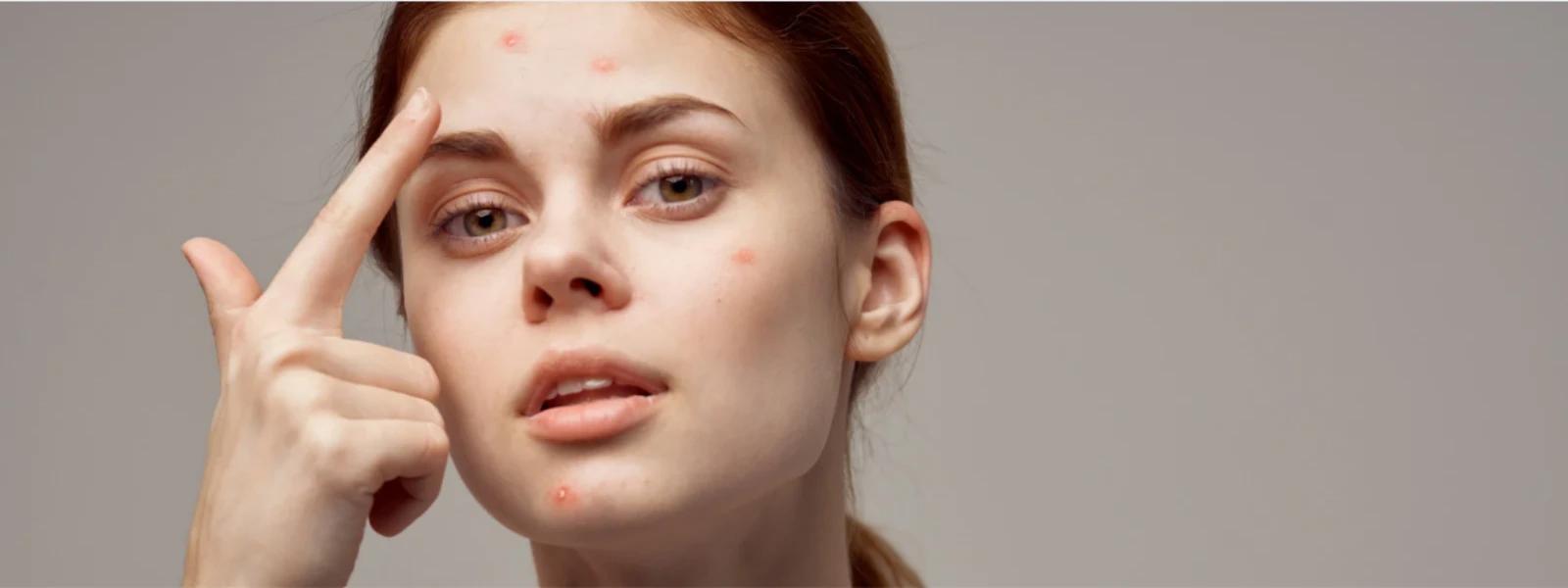

You've been battling those stubborn dark spots for months now, trying everything from vitamin C serums to expensive treatments, yet they seem to cling to your face like unwelcome guests. If you've heard whispers about kojic acid being a game-changer for dark spot removal, you're not alone in wondering how this ingredient actually works. The truth is, understanding how kojic acid reduces dark spots isn't just about knowing what to buy—it's about grasping the science that makes this natural skin lightener so effective at tackling hyperpigmentation where other ingredients fall short.
Kojic acid isn't some synthetic laboratory creation—it's actually a natural byproduct that emerges during the fermentation of rice, particularly in the process of making sake. You'll also find it naturally occurring in certain mushrooms and soy products. What makes this ingredient particularly fascinating is how it was discovered almost by accident when Japanese sake brewers noticed their hands becoming noticeably lighter after years of working with fermented rice.
The real magic happens at the cellular level. Kojic acid works by specifically targeting an enzyme called tyrosinase, which is essentially the conductor of your skin's melanin orchestra. When this enzyme gets overactive—whether from sun damage, hormonal changes, or post-acne inflammation—it triggers excessive melanin production, leading to those frustrating dark patches we're all trying to fade.
This natural skin lightener proves particularly effective against several types of skin discoloration. Post-inflammatory hyperpigmentation from acne responds well to kojic acid treatment, as do age spots and sun damage. Even stubborn melasma, those symmetrical patches that often appear during pregnancy or hormonal shifts, can see improvement with consistent use.
Here's where things get properly interesting. Your skin produces melanin through a complex process that starts with the amino acid tyrosine. The enzyme tyrosinase converts tyrosine into DOPA, then into dopaquinone, which eventually becomes melanin. Think of tyrosinase as the key that unlocks melanin production—and kojic acid essentially changes the locks.
When you apply kojic acid for face treatment, it binds to the copper ions that tyrosinase needs to function properly. Without access to these copper ions, the enzyme can't do its job effectively, which means less melanin gets produced. This process is called copper ion chelation, and it's what makes kojic acid so effective at melanin reduction.
Multiple clinical studies have demonstrated kojic acid's effectiveness in skin brightening. Research published in dermatology journals shows that concentrations between 1-4% can significantly reduce hyperpigmentation over 8-12 weeks. What's particularly encouraging is that these studies often show kojic acid performing comparably to hydroquinone, but with fewer side effects for most users.
Not all dark spots are created equal, and understanding which type you're dealing with helps set realistic expectations for your hyperpigmentation treatment journey. Post-inflammatory hyperpigmentation, those marks left behind after acne heals, typically responds quite well to kojic acid because they're often newer and haven't had time to settle deep into the skin layers.
Melasma presents a different challenge entirely. These hormone-triggered patches tend to be more persistent, but kojic acid's gentle approach makes it suitable for the long-term treatment that melasma often requires. Sun damage and age spots, meanwhile, can show dramatic improvement because they're primarily surface-level pigmentation issues.
Whilst dark spot removal might be your primary goal, kojic acid brings additional benefits to the table. Its antioxidant properties help protect against environmental damage, and some users notice an overall improvement in skin texture and radiance. This makes it worth considering even if you're dealing with mild uneven skin tone rather than distinct dark spots.
The world of kojic acid products can feel overwhelming, but understanding the different formulations helps you make smarter choices. Kojic acid serum typically offers the highest concentration and most targeted approach, making it ideal for specific dark spots. Creams and lotions provide more gentle, all-over treatment, whilst kojic acid soaps offer the mildest introduction to this ingredient.
Start with lower concentrations—around 0.5% to 1%—especially if you have sensitive skin. You can gradually work up to 2-4% as your skin builds tolerance. Apply kojic acid products to clean, dry skin, focusing on affected areas. If you're using a kojic acid serum, apply it after cleansing but before heavier creams or oils.
Evening application works best for most people, as kojic acid can increase photosensitivity. Always follow with a moisturiser to prevent dryness, and never skip SPF during the day—this isn't negotiable when you're actively treating pigmentation. Some people prefer alternating nights when starting out, gradually building up to daily use as their skin adapts.
Real talk: patience is absolutely essential when it comes to dark spot removal. During the first two weeks, you might notice your skin looking slightly brighter overall, but don't expect dramatic changes yet. Your skin is just beginning to respond to the melanin reduction process.
The one-month mark is when things start getting interesting. Many users report seeing their dark spots beginning to fade, particularly newer post-acne marks. By month two or three, you should see significant improvement in both the intensity and size of your dark spots. This is when the consistent inhibition of melanin production really starts showing results.
For deeper, more established pigmentation, you might need six months or more of consistent use to see complete fading. Once you've achieved your desired results, many people find they can maintain them with less frequent application—perhaps every other night or a few times per week. The key is finding what works for your skin's ongoing needs.
Whilst kojic acid is generally well-tolerated, it's not without potential side effects. Some people experience initial irritation, redness, or contact dermatitis, particularly when starting with higher concentrations. This is why patch testing is absolutely crucial—apply a small amount to your inner arm and wait 24-48 hours to check for reactions.
The increased photosensitivity that comes with kojic acid use means your SPF game needs to be absolutely on point. We're talking broad-spectrum SPF 30 minimum, applied generously and reapplied throughout the day. Some countries have placed restrictions on kojic acid concentrations in cosmetic products due to safety concerns, though these are often based on extremely high concentrations not typically found in consumer products.
Pregnant and breastfeeding women should consult healthcare providers before using kojic acid products. People with very sensitive skin or conditions like eczema might find kojic acid too irritating, even at low concentrations. If you're already using strong actives like retinoids or AHAs, introduce kojic acid slowly to avoid overwhelming your skin.
The most successful hyperpigmentation treatment approaches combine kojic acid with complementary ingredients and practices. Niacinamide pairs beautifully with kojic acid, helping to strengthen the skin barrier whilst providing additional brightening benefits. Vitamin C can work well too, though some people prefer using it in the morning and kojic acid at night to avoid potential irritation.
Avoid mixing kojic acid with strong acids like glycolic or salicylic acid initially—your skin needs time to adjust. Retinoids can be incorporated eventually, but start slowly and consider alternating nights. The goal is steady progress, not shocking your skin into submission.
Whilst at-home kojic acid products can be highly effective, some people benefit from professional treatments that combine kojic acid with other brightening agents. Chemical peels containing kojic acid, performed by qualified professionals, can accelerate results for stubborn pigmentation. However, many people achieve excellent results with consistent at-home use of quality products.
Most people begin seeing initial results within 2-4 weeks of consistent use, with significant improvement typically visible after 6-12 weeks. Complete dark spot fading can take 3-6 months, depending on the depth and age of the pigmentation, your skin type, and how consistently you use the product.
Yes, clinical studies consistently demonstrate kojic acid's effectiveness in reducing dark spots through its ability to inhibit tyrosinase enzyme activity. This leads to decreased melanin production and gradual fading of existing pigmentation. Results vary based on individual skin response and consistency of use.
Japan temporarily restricted kojic acid in cosmetics in 2003 following animal studies that suggested potential mutagenic effects at very high concentrations. However, these concerns were later addressed through additional research, and kojic acid is now considered safe for cosmetic use in approved concentrations.
Kojic acid serums typically contain higher concentrations (1-4%) and offer more targeted, intensive treatment for specific dark spots. Soaps generally have lower concentrations (0.5-2%) and provide gentler, all-over application that's suitable for larger areas or body use.
Understanding how kojic acid reduces dark spots gives you the knowledge to use this powerful ingredient effectively and safely. The science behind melanin reduction through tyrosinase inhibition isn't just academic—it's the foundation for realistic expectations and successful treatment outcomes.
Whether you're dealing with post-acne marks, sun damage, or stubborn melasma, kojic acid offers a gentler alternative to harsher treatments whilst still delivering real results. The key lies in consistency, patience, and proper sun protection throughout your journey.
For those ready to explore kojic acid products, platforms like Smytten Shop offer access to premium skin brightening formulations from trusted brands, often with the opportunity to try samples before committing to full sizes. With over 28 million users discovering effective skincare solutions, you're joining a community that values informed choices over impulse purchases. Your skin's transformation journey deserves products that work—and the patience to let them do their job properly.
