How Kojic Acid Works on Hyperpigmentation in Indian Skin
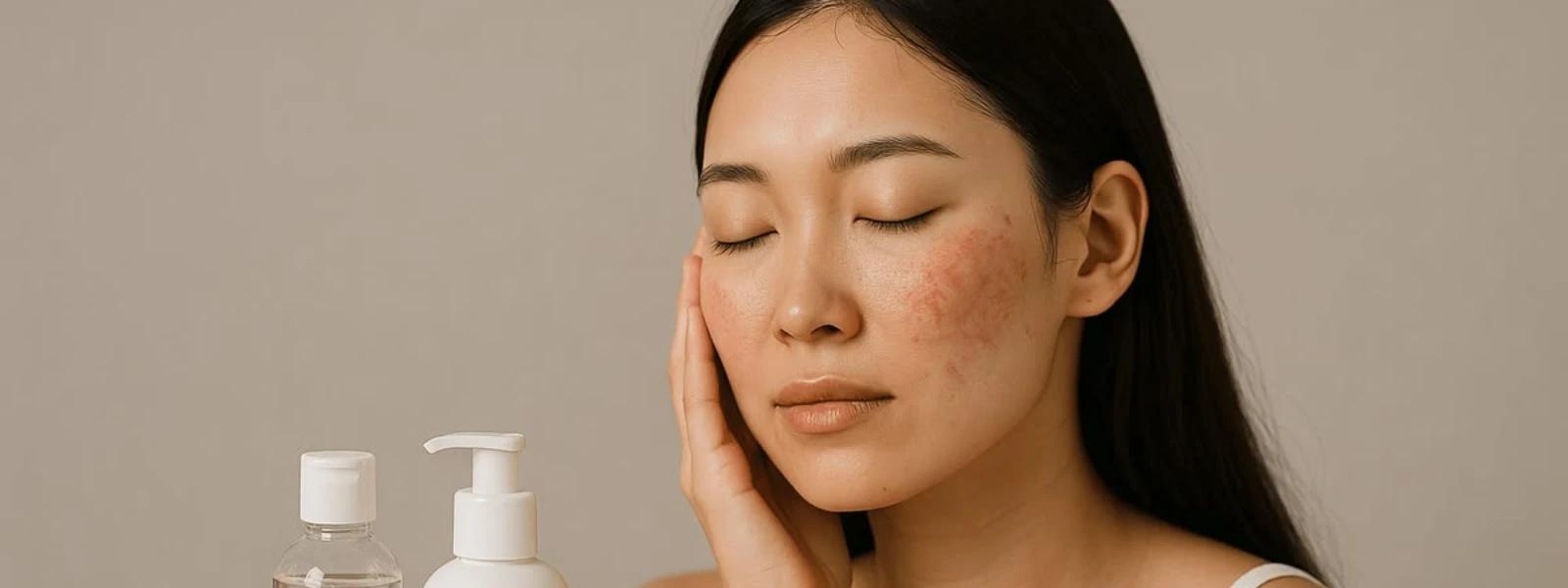

You've been dealing with those stubborn dark spots for months now, and every mirror seems to highlight them more. Whether it's the aftermath of last summer's breakouts or those persistent patches that appeared during a stressful period, hyperpigmentation can feel like an uphill battle, especially for Indian skin. The good news? Kojic acid has emerged as one of the most effective, gentle solutions for tackling pigmentation concerns that are particularly common in our skin types. Let's dive into exactly how this powerhouse ingredient works and why it might be the game-changer your skincare routine has been waiting for.
Indian skin comes with its own unique characteristics that make hyperpigmentation treatment both challenging and requiring a specialised approach. Our skin typically falls within Fitzpatrick skin types III to V, which means we naturally produce more melanin than lighter skin tones. While this gives us better natural protection against UV damage, it also means we're more prone to developing dark spots when our skin gets triggered.
The triggers for indian skin pigmentation are everywhere in our daily lives. From the intense Indian sun that beats down during our commutes to hormonal fluctuations during periods or pregnancy, our melanin production can go into overdrive quite easily. Even something as simple as a mosquito bite that you've scratched can leave behind a dark mark that lingers for months.
Melasma is perhaps the most frustrating type, often called the "mask of pregnancy" because it frequently appears during hormonal changes. These symmetrical patches usually show up on the forehead, cheeks, and upper lip, and they're notoriously stubborn.
Post-inflammatory hyperpigmentation (PIH) is what happens after acne, cuts, or any skin inflammation heals. That angry pimple you had last month? The dark spot it left behind is PIH, and it's incredibly common in Indian skin because our melanocytes are so reactive to inflammation.
Then there are age spots and sun damage from years of exposure, plus those persistent acne marks that seem to take forever to fade. Each type responds differently to treatment, which is why understanding your specific pigmentation pattern matters.
Kojic acid isn't some synthetic laboratory creation – it's actually a natural byproduct that comes from certain fungi, particularly Aspergillus oryzae, which is used in making sake, soy sauce, and miso. This natural origin is part of what makes it so well-tolerated by sensitive skin types.
The magic happens at the cellular level. Kojic acid works by inhibiting an enzyme called tyrosinase, which is absolutely crucial in the melanin production process. Think of tyrosinase as the key that starts the melanin-making factory in your skin cells. When kojic acid blocks this enzyme, it essentially puts the brakes on excessive pigment production.
The science behind melanin reduction with kojic acid is fascinating. The ingredient works through a process called copper ion chelation – it literally grabs onto the copper ions that tyrosinase needs to function properly. Without these copper ions, the enzyme can't do its job of converting tyrosine into melanin.
This process doesn't happen overnight, though. You're looking at about 4-6 weeks before you start seeing noticeable changes in existing dark spots, and 3-6 months for significant improvement in deeper pigmentation. The timeline varies based on how deep the pigmentation sits in your skin and how consistently you use the product.
What makes kojic acid particularly brilliant for indian skin pigmentation solutions is its gentle yet effective approach. Unlike some harsher lightening agents that can cause irritation or rebound pigmentation in melanin-rich skin, kojic acid works gradually and safely.
Clinical studies have shown that kojic acid can reduce the appearance of dark spots by up to 40% over 12 weeks of consistent use. But beyond just fading existing pigmentation, it also helps prevent new spots from forming by keeping that tyrosinase enzyme in check.
The beauty of kojic acid lies in its compatibility with our skin's natural processes. It doesn't bleach or strip the skin like some aggressive treatments can. Instead, it works with your skin's renewal cycle to gradually reveal a more even tone.
For Indian skin, this gentle approach is crucial. We're more prone to developing post-inflammatory hyperpigmentation from harsh treatments, so using something that won't trigger additional pigmentation while treating existing spots is essential. Kojic acid also plays well with other ingredients like niacinamide and vitamin C, making it easy to incorporate into existing routines.
Starting with kojic acid requires a bit of strategy, especially if you're new to active ingredients. The key is to introduce it gradually and always, always pair it with proper sun protection.
Most effective kojic acid products contain between 1-4% concentration. If you're just starting out, look for products on the lower end of this range. Your skin needs time to build tolerance, and jumping in with a high concentration can lead to irritation that might actually worsen your pigmentation.
Evening is typically the best time to use kojic acid products, as they can make your skin more photosensitive. Start by cleansing your face thoroughly, then apply a thin layer of your kojic acid serum or cream to clean, dry skin. Follow with a moisturiser to prevent any dryness or irritation.
In the morning, your routine should focus on protection. Use a gentle cleanser, apply your regular moisturiser, and never skip SPF – this is non-negotiable when using any pigmentation-targeting ingredients. The sun protection isn't just about preventing new damage; it's about protecting the progress you're making with your treatment.
Real talk: patience is absolutely essential when treating hyperpigmentation with kojic acid. Your skin didn't develop these spots overnight, and they won't disappear that quickly either.
During the first month, you might not see dramatic changes in your pigmentation, but your skin should start looking brighter and more even overall. This is the kojic acid beginning to work on surface-level discolouration and preventing new melanin formation.
Months 2-3 are when most people start seeing real results. Those lighter, more recent dark spots should begin fading noticeably, and overall skin tone should look more uniform. Deeper, older pigmentation will take longer – sometimes 6 months or more for significant improvement.
The key factors that affect your timeline include the depth and age of your pigmentation, your skin's natural renewal rate, how consistently you use the product, and crucially, how well you protect your skin from further sun damage during treatment.
While kojic acid is generally well-tolerated, it's not completely without potential side effects. Some people experience mild irritation, redness, or sensitivity when they first start using it. This is usually temporary and subsides as your skin adjusts.
Contact dermatitis is a more serious but less common reaction. This typically happens if you're allergic to kojic acid or if you're using a concentration that's too high for your skin. Always patch test new products on a small area of skin before applying them to your entire face.
If you're pregnant or breastfeeding, it's worth discussing kojic acid use with your healthcare provider. While it's generally considered safer than some other lightening agents, it's always best to err on the side of caution during these times.
The increased photosensitivity that comes with kojic acid use means religious sun protection isn't optional – it's essential. Without proper SPF use, you could actually end up with worse pigmentation than when you started.
When it comes to treating hyperpigmentation in Indian skin, you've got several options. Azelaic acid is another popular choice that works differently from kojic acid – it's anti-inflammatory and helps with both pigmentation and acne, making it great for those dealing with both concerns simultaneously.
Niacinamide is gentler and works well for sensitive skin, though it may take longer to see results. Arbutin is another tyrosinase inhibitor like kojic acid but tends to be even milder, making it a good option for those who find kojic acid too irritating.
Traditional ingredients like turmeric have been used for centuries in Indian skincare, and there's actually science backing up their pigmentation-fighting properties. However, these natural remedies typically work much more slowly than concentrated active ingredients.
Professional treatments like chemical peels or laser therapy can provide faster results but come with higher risks of post-inflammatory hyperpigmentation in Indian skin. They're best reserved for severe cases and should always be performed by experienced professionals who understand melanin-rich skin.
Most people start seeing initial improvements in skin brightness within 4-6 weeks, with noticeable fading of dark spots becoming apparent around 8-12 weeks. Deeper pigmentation may take 6 months or longer to show significant improvement. Consistency is key – skipping applications will slow your progress considerably.
While kojic acid is highly effective at reducing the appearance of hyperpigmentation, complete removal depends on factors like the depth of pigmentation, how long it's been present, and your skin's individual response. Surface-level pigmentation often fades dramatically, while deeper melasma may lighten significantly but not disappear entirely.
Kojic acid can be used daily by most people with Indian skin, but it's best to start with every other day and gradually increase frequency as your skin builds tolerance. Always use sun protection during the day, as kojic acid can increase photosensitivity.
Start with products containing 1-2% kojic acid if you're new to active ingredients. You can gradually work up to higher concentrations (up to 4%) if your skin tolerates it well and you need stronger results.
Understanding how kojic acid works on hyperpigmentation in indian skin gives you the power to make informed decisions about your skincare routine. This gentle yet effective ingredient offers a promising solution for the pigmentation concerns that are so common in our skin types, working gradually to inhibit melanin production while being kind to sensitive skin.
Remember, treating hyperpigmentation is a marathon, not a sprint. The combination of consistent product use, proper sun protection, and patience will give you the best results. With platforms like Smytten Shop, you can explore curated selections of kojic acid products from trusted brands, often with the opportunity to try samples before committing to full sizes – perfect for finding what works best for your unique skin needs.
Your skin's journey to a more even tone is worth the investment in time and care. Trust the process, protect your progress with daily SPF, and celebrate the small improvements along the way. Your future self will thank you for starting today.
