How City Pollution Causes Spots on Your Skin
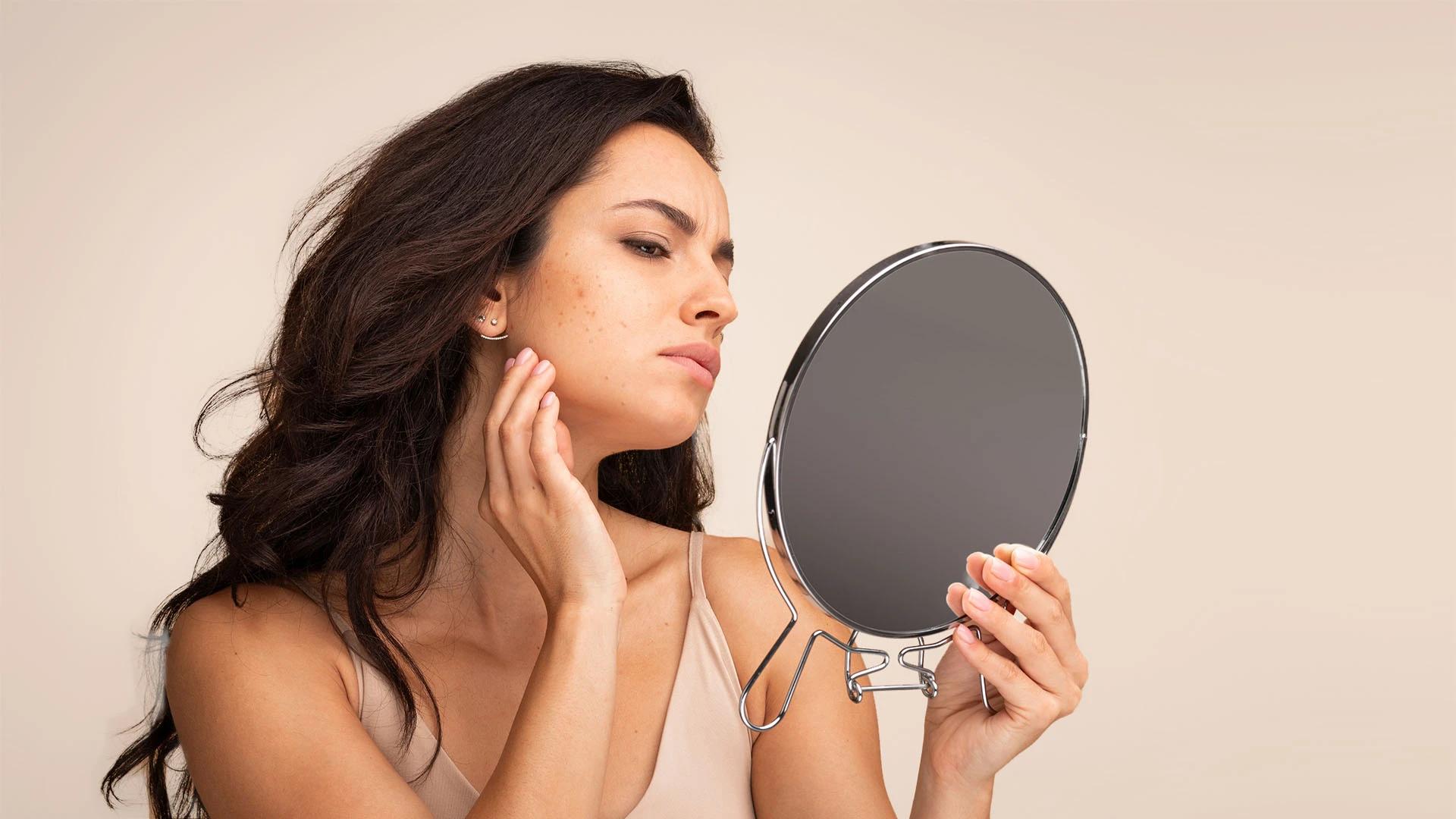

That dull, congested feeling when you step off the tube after a long commute? Your skin feels it too. If you've noticed more spots appearing since moving to the city, or your complexion looking tired despite a solid skincare routine, you're not imagining things. City pollution creates a perfect storm for breakouts, and understanding this connection is the first step towards clearer, healthier skin.
Urban acne differs significantly from the hormonal breakouts many of us experienced as teenagers. While traditional acne often follows predictable patterns tied to our menstrual cycles or stress levels, environmental acne appears more randomly and tends to concentrate in areas most exposed to pollutants.
Research shows that people living in urban environments experience 20% more skin problems than those in rural areas. The culprit? Microscopic pollution particles that penetrate deep into our pores, creating inflammation and triggering excess oil production.
The main pollutants wreaking havoc on our skin include PM2.5 particles (fine particulate matter smaller than 2.5 micrometres), nitrogen dioxide from vehicle emissions, ground-level ozone, and various industrial chemicals. These particles are so tiny they can penetrate the skin's natural barrier, settling into pores and creating the perfect environment for bacteria to thrive.
Unlike larger environmental particles that sit on the skin's surface, PM2.5 particles are small enough to penetrate the stratum corneum - your skin's protective outer layer. Once inside, they trigger inflammatory responses and oxidative stress, leading to the breakdown of collagen and the overproduction of sebum.
When pollution particles settle on your skin, they don't just sit there harmlessly. They actively disrupt your skin's natural processes, creating a cascade of reactions that lead to breakouts.
First, these particles generate free radicals - unstable molecules that damage healthy skin cells. Your skin responds by producing more oil to protect itself, but this excess sebum combines with dead skin cells and pollution particles to create stubborn clogs. Unlike regular blackheads, these pollution-induced blockages are often deeper and more inflammatory.
A 2019 study published in the Journal of Investigative Dermatology found that exposure to traffic-related air pollution increased acne severity by 15-20% in urban dwellers. The research specifically linked nitrogen dioxide exposure to increased sebum production and pore size.
Free radicals from pollution don't just cause immediate breakouts - they create ongoing inflammation that makes your skin more reactive. This explains why city dwellers often experience persistent, low-grade acne that's harder to treat than typical hormonal breakouts.
Your skin produces up to 30% more oil when exposed to high pollution levels. This isn't just your skin being difficult - it's actually trying to protect itself by creating a thicker barrier against environmental toxins.
City living exposes your skin to multiple pollution sources throughout the day. Understanding these helps you target your skincare routine more effectively.
These microscopic particles from vehicle exhausts and industrial emissions penetrate deep into pores, causing inflammation and triggering excess oil production. They're particularly problematic because they're invisible and constantly present in urban air.
Nitrogen oxides from cars and buses create oxidative stress on your skin's surface. If you live near busy roads or commute during rush hour, your exposure levels are significantly higher.
Heavy metals like lead and mercury from industrial processes disrupt your skin's natural barrier function, making it more susceptible to bacteria and inflammation.
Even secondhand smoke exposure reduces oxygen flow to your skin and increases free radical damage. This is particularly problematic in areas with outdoor smoking.
Ground-level ozone depletes your skin's natural antioxidants, leaving it vulnerable to UV damage and accelerating the ageing process alongside causing breakouts.
Poor ventilation systems and air conditioning can circulate pollutants indoors. Many office buildings have air quality issues that contribute to environmental skin damage.
The stress of city living increases cortisol production, which directly triggers oil glands to produce more sebum. Combined with pollution exposure, this creates the perfect storm for breakouts.
Environmental acne has distinct characteristics that set it apart from hormonal or genetic breakouts. Recognising these patterns helps you address the root cause more effectively.
Pollution-induced spots typically appear as small, inflammatory papules concentrated around the T-zone, particularly the forehead and nose area. Unlike hormonal acne that often appears along the jawline and chin, urban acne tends to cluster where pollution exposure is highest.
Environmental breakouts often present as numerous small bumps rather than large, cystic lesions. They're frequently accompanied by enlarged pores, persistent blackheads, and an overall dull complexion.
Many people notice their skin looks worse during the working week and improves slightly at weekends when pollution exposure decreases. If your breakouts follow this pattern, pollution is likely a contributing factor.
Look for signs like increased skin sensitivity, persistent dullness despite regular exfoliation, and pores that appear larger than usual. These indicate your skin barrier is compromised by environmental stressors.
Fighting pollution and breakouts requires a targeted approach that focuses on prevention, protection, and repair. The key is creating a barrier against pollutants while supporting your skin's natural healing processes.
Your morning routine should prioritise antioxidant protection. Vitamin C serums neutralise free radicals before they can cause damage, while broad-spectrum SPF creates a physical barrier against both UV rays and pollution particles.
Niacinamide is particularly effective for city dwellers as it regulates oil production while strengthening the skin barrier. Studies show it can reduce sebum production by up to 30% when used consistently.
Salicylic acid penetrates deep into pores to remove pollution particles and prevent clogs from forming. It's gentler than benzoyl peroxide but equally effective for environmental breakouts.
Evening double cleansing is non-negotiable for urban dwellers. Start with an oil-based cleanser to dissolve pollution particles and sunscreen, followed by a gentle water-based cleanser to remove any remaining impurities.
While professional skincare products are important, several natural remedies can effectively complement your routine and provide immediate relief for pollution-stressed skin.
Tea tree oil offers powerful antimicrobial properties that help clear pollution-induced breakouts quickly. Dilute it with a carrier oil and apply directly to spots for targeted treatment.
Bentonite and kaolin clays are particularly effective at drawing pollution particles from deep within pores. Use weekly to prevent buildup and maintain clear skin.
Green tea compresses provide immediate relief for inflamed, pollution-stressed skin. The polyphenols help neutralise free radicals and reduce redness.
Anti-inflammatory foods like fatty fish, leafy greens, and berries help your skin fight pollution damage from the inside out. Reducing sugar and processed foods also helps stabilise oil production.
While many cases of environmental acne respond well to targeted home care, some situations require professional intervention. Persistent cystic breakouts, scarring, or skin that doesn't improve after 6-8 weeks of consistent treatment warrant a dermatologist consultation.
Professional treatments like chemical peels can effectively remove pollution buildup and improve skin texture. LED light therapy also helps reduce inflammation and kill acne-causing bacteria without harsh chemicals.
For severe pollution-induced acne, topical retinoids can accelerate cell turnover and prevent pore blockages. Your dermatologist might also recommend oral antioxidants to support your skin's natural defence systems.
The primary cause is pollution particles penetrating pores and triggering inflammation. PM2.5 particles, vehicle emissions, and industrial pollutants create oxidative stress that leads to excess oil production and bacterial growth.
Pollution-induced spots can appear within 24-48 hours of exposure. The particles immediately trigger inflammatory responses, and if your pores are already congested, new breakouts can form rapidly.
AC can contribute to breakouts by circulating pollutants and reducing humidity levels. Low humidity causes your skin to produce more oil to compensate, while poor filtration systems can spread airborne particles.
Sudden increases in breakouts often occur when moving to more polluted areas or during high pollution seasons. Your skin needs time to adapt to new environmental stressors, and the adjustment period can trigger temporary increases in acne.
Long-term pollution exposure can lead to premature ageing, hyperpigmentation, and compromised skin barrier function. However, with proper protection and treatment, most pollution-related skin damage is reversible.
Understanding how city pollution causes spots empowers you to take targeted action against environmental skin damage. The key is consistency - protecting your skin daily with antioxidants and SPF, cleansing thoroughly each evening, and supporting your skin's natural repair processes.
Remember that clearer skin is a journey, not a destination. With the right approach and quality products, you can maintain healthy, glowing skin even in the most polluted urban environments. Your skin will thank you for the extra attention, and you'll feel more confident navigating city life with a complexion that truly glows.
