Hormonal Acne Guide: Your Questions Answered
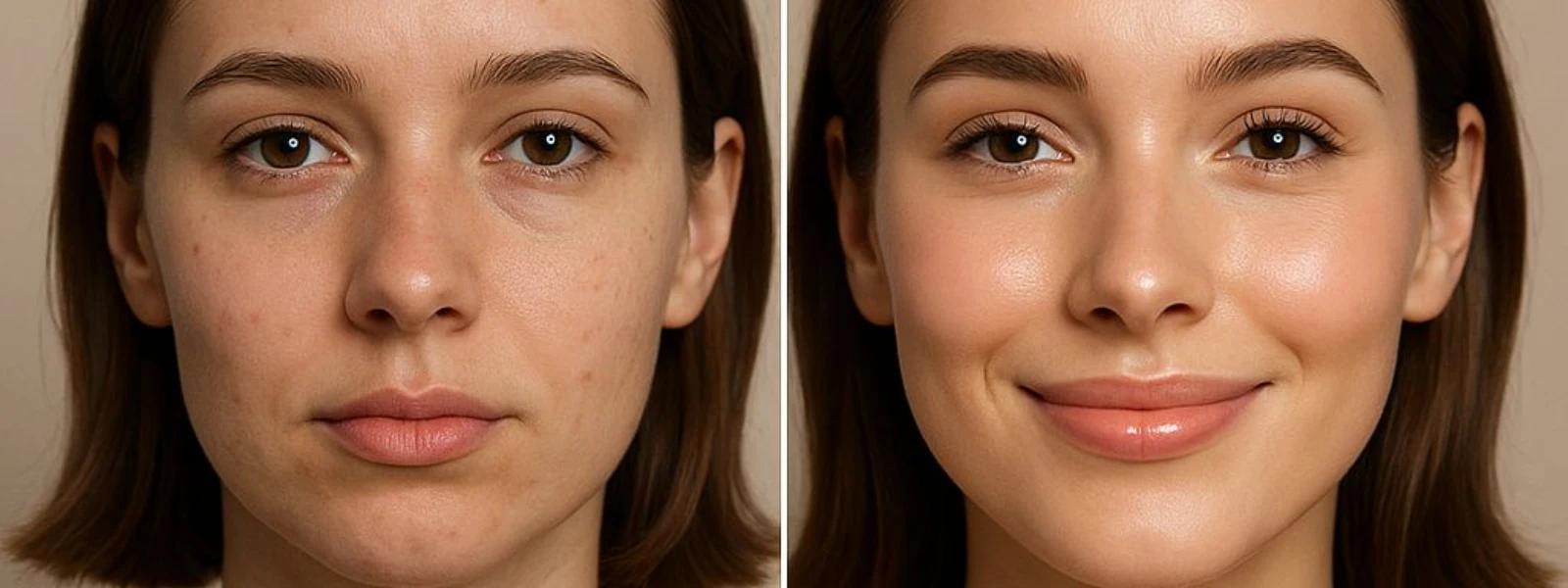

That stubborn breakout along your jawline that appears like clockwork every month. The deep, painful spots that seem to have a mind of their own. If you're dealing with hormonal acne in your twenties or beyond, you're not alone. Real talk: 50% of women in their twenties experience adult acne, and it's completely normal. Unlike the teenage breakouts you might remember, hormonal acne follows different rules and needs a different approach. Let's dive into the questions you've been asking and get you the answers that actually help.
Hormonal acne isn't just a fancy term for adult breakouts. It's a specific type of acne triggered by fluctuating hormone levels, particularly androgens like testosterone. Unlike teenage acne that typically appears across the T-zone, hormonal acne has its favourite spots: your jawline, chin, neck, and lower cheeks.
The key difference lies in timing and location. Adult acne often appears cyclically, worsening around your menstrual cycle, during times of stress, or when your sleep schedule goes haywire. These breakouts tend to be deeper, more inflamed, and unfortunately, more persistent than the surface-level spots you might have dealt with as a teenager.
Here's what makes hormonal acne unique: it can manifest as blackheads, whiteheads, inflammatory papules, or those particularly unwelcome deep cystic acne nodules that seem to take forever to heal. The good news? Understanding what you're dealing with is the first step towards clearer skin.
Your skin is essentially a mirror reflecting what's happening inside your body. When androgens spike, they trigger your sebaceous glands to produce more oil. This excess sebum, combined with dead skin cells, creates the perfect environment for acne-causing bacteria to thrive.
The causes of acne go beyond just oil production. Hormone imbalance acne often signals that your body is responding to stress, dietary triggers, or natural hormonal fluctuations. Cortisol, your stress hormone, can worsen inflammation and disrupt your skin's natural healing process. Meanwhile, insulin spikes from high-glycemic foods can increase androgen production, creating a cycle that keeps breakouts coming.
Five key signs that hormones might be behind your breakouts include menstrual irregularities, hair thinning or excess growth, persistent skin issues, unexplained weight changes, and disrupted sleep patterns. If several of these sound familiar, your skin concerns likely have a hormonal component.
When it comes to acne treatment, consistency trumps intensity every time. The most effective approach combines targeted topical treatments with lifestyle modifications that address the root causes.
Retinoids remain the gold standard for treating hormonal acne. These vitamin A derivatives work by increasing cell turnover, preventing clogged pores, and reducing inflammation. Start with a pea-sized amount every other night and gradually build tolerance. Your skin will notice the difference in about six to eight weeks.
Salicylic acid deserves a permanent spot in your routine. This beta-hydroxy acid penetrates oil-filled pores, gently exfoliating from within. Unlike harsh scrubs that can irritate inflamed skin, salicylic acid works gradually and effectively.
Benzoyl peroxide targets acne-causing bacteria directly. It's particularly effective for inflammatory breakouts, though it can be drying initially. Start with a 2.5% concentration and use it strategically on active breakouts rather than your entire face.
Azelaic acid is worth adding to your routine if you're dealing with both active breakouts and post-inflammatory hyperpigmentation. It's gentler than other acids whilst still providing antibacterial and anti-inflammatory benefits.
If over-the-counter treatments haven't shown improvement after eight to twelve weeks, it's time to consult a dermatologist. Prescription options like antibiotics, hormonal treatments such as spironolactone, or stronger retinoids might be necessary for persistent cystic acne.
Whilst topical treatments work on your skin's surface, acne remedies that address internal factors can be equally powerful. Your diet plays a significant role in hormonal balance and inflammation levels.
An anti-inflammatory diet rich in omega-3 fatty acids, antioxidants, and fibre can help regulate hormones naturally. Think fatty fish, leafy greens, berries, and whole grains. Conversely, dairy products and high-glycemic foods like white bread and sugary snacks can trigger insulin spikes that worsen hormonal acne.
Zinc supplementation has shown promising results for inflammatory acne. A daily dose of 30-40mg can help reduce breakouts over time. Omega-3 fatty acids help control inflammation, whilst probiotics support gut health, which is increasingly linked to skin health.
Spearmint tea has gained attention for its anti-androgenic properties. Two cups daily may help reduce excess oil production, though results take several months to become noticeable.
Stress management isn't just good for your mental health—it's crucial for clear skin. Chronic stress elevates cortisol levels, which can worsen acne and slow healing. Regular exercise, meditation, or even a consistent sleep schedule can help regulate stress hormones.
Sleep quality directly impacts hormone production. Aim for seven to nine hours nightly, and try to maintain consistent sleep and wake times. Your skin does most of its repair work whilst you sleep, so this isn't negotiable for clear skin.
A proper acne skincare routine doesn't need to be complicated, but it does need to be consistent. The key is using products that work together rather than against each other.
Your morning routine should focus on protection and gentle cleansing. Start with a mild cleanser containing salicylic acid or glycolic acid to remove overnight buildup without stripping your skin. Follow with a lightweight, non-comedogenic moisturiser—yes, even oily skin needs hydration. Finish with broad-spectrum SPF of at least 30.
Evenings are when you can introduce more active treatments. Double cleansing ensures you remove all traces of sunscreen and makeup that could clog pores overnight. Start with an oil-based cleanser, followed by your regular cleanser.
This is when you'd apply any prescription treatments or retinoids. Always apply these to completely dry skin and wait at least 20 minutes after cleansing to prevent irritation. Follow with a gentle moisturiser to maintain your skin barrier.
Exfoliation should happen two to three times weekly maximum. Over-exfoliating can actually worsen acne by irritating the skin and triggering more oil production. Listen to your skin and adjust frequency accordingly.
When building your routine, introduce new products one at a time. This allows you to identify what works and what might be causing irritation. Always patch test new products on a small area first.
Application order matters: cleanse, treat, moisturise, protect. Use pea-sized amounts of active treatments—more isn't better and can lead to irritation that actually worsens breakouts.
One of the most common questions about treating hormonal acne is timeline. Unfortunately, there's no overnight solution, but understanding realistic expectations can help you stay consistent with treatment.
Most topical treatments show initial improvements around six to eight weeks. This might mean fewer new breakouts or existing spots healing faster. Significant improvement typically occurs around the three to four-month mark, whilst full results can take six months or longer.
Cystic acne requires extra patience. These deep, inflamed lesions can take weeks to heal completely, and rushing the process with harsh treatments often makes things worse. Focus on gentle, consistent care and resist the urge to pick or squeeze.
Your skin might initially worsen when starting new treatments, particularly retinoids. This "purging" phase is normal and usually lasts four to six weeks. During this time, focus on gentle care and resist adding new products.
For emergency spot treatments, look for products containing benzoyl peroxide or salicylic acid. Hydrocolloid patches can help draw out pus from whiteheads whilst protecting the area from picking.
The most effective approach combines consistent topical treatments like retinoids and salicylic acid with lifestyle modifications including stress management, adequate sleep, and an anti-inflammatory diet. Results typically appear after 6-8 weeks of consistent use.
Absolutely. Hormonal acne affects 50% of women in their twenties and 25% of women in their forties. Adult acne is completely normal and often relates to natural hormonal fluctuations, stress, or lifestyle factors.
Most treatments show initial improvements in 6-8 weeks, with significant results appearing around 3-4 months. Cystic acne may take longer to respond, and full results can take six months or more with consistent treatment.
Yes, diet plays a significant role in hormonal acne. Anti-inflammatory foods rich in omega-3s can help, whilst dairy products and high-glycemic foods may worsen breakouts by triggering insulin spikes that increase androgen production.
Consider professional help if over-the-counter treatments haven't improved your skin after 8-12 weeks, if you have severe cystic acne, or if acne is significantly impacting your quality of life. Prescription treatments may be necessary for persistent cases.
Hormonal acne typically appears along the jawline, chin, and lower face, often worsening around menstrual cycles. It tends to be deeper and more inflammatory than teenage acne, which usually affects the T-zone.
Natural approaches like zinc supplementation, spearmint tea, and stress management can support conventional treatments. However, they work best as part of a comprehensive approach rather than standalone solutions for moderate to severe acne.
Yes, stress increases cortisol production, which can worsen inflammation and trigger oil production. Chronic stress also disrupts sleep and can lead to poor dietary choices, all of which can contribute to hormonal acne.
Dealing with hormonal acne can feel frustrating, especially when it seems like nothing works immediately. Remember that clear skin is a journey, not a destination, and what works for your friend might not work for you. The key is finding a routine that addresses both the symptoms and underlying causes.
Your skin will notice consistent, gentle care more than harsh, sporadic treatments. Focus on building a sustainable routine with proven ingredients like retinoids, salicylic acid, and proper sun protection. Support your skin from within with stress management, adequate sleep, and mindful eating.
If you're exploring new products or building your routine, platforms like Smytten Shop offer the opportunity to try products before committing to full sizes. With over 28 million users discovering their perfect skincare matches, you can explore curated selections from premium brands whilst earning cashback on your purchases. This approach helps you find what truly works for your skin without the guesswork or waste.
Remember, clearer skin is absolutely achievable with patience, consistency, and the right approach for your unique skin needs. Your future self will thank you for the gentle, consistent care you provide today.
