Expensive vs Affordable Hyperpigmentation Treatment: What's the Difference?


Asaya Dark Spot Reduction Set | 3-Step Routine for Hyperpigmentation & Even Skin Tone | Cleanser, Serum & Moisturizer | Skin Care Routine Kit
You've been staring at those stubborn dark spots for months now, wondering if splashing out on that £80 serum will finally make them disappear. Or perhaps you're questioning whether your budget-friendly routine is actually doing anything at all. The truth about the difference between expensive vs affordable hyperpigmentation treatments might surprise you – and it's not always what the price tag suggests. Let's dive into what really matters when you're trying to fade those marks without breaking the bank.
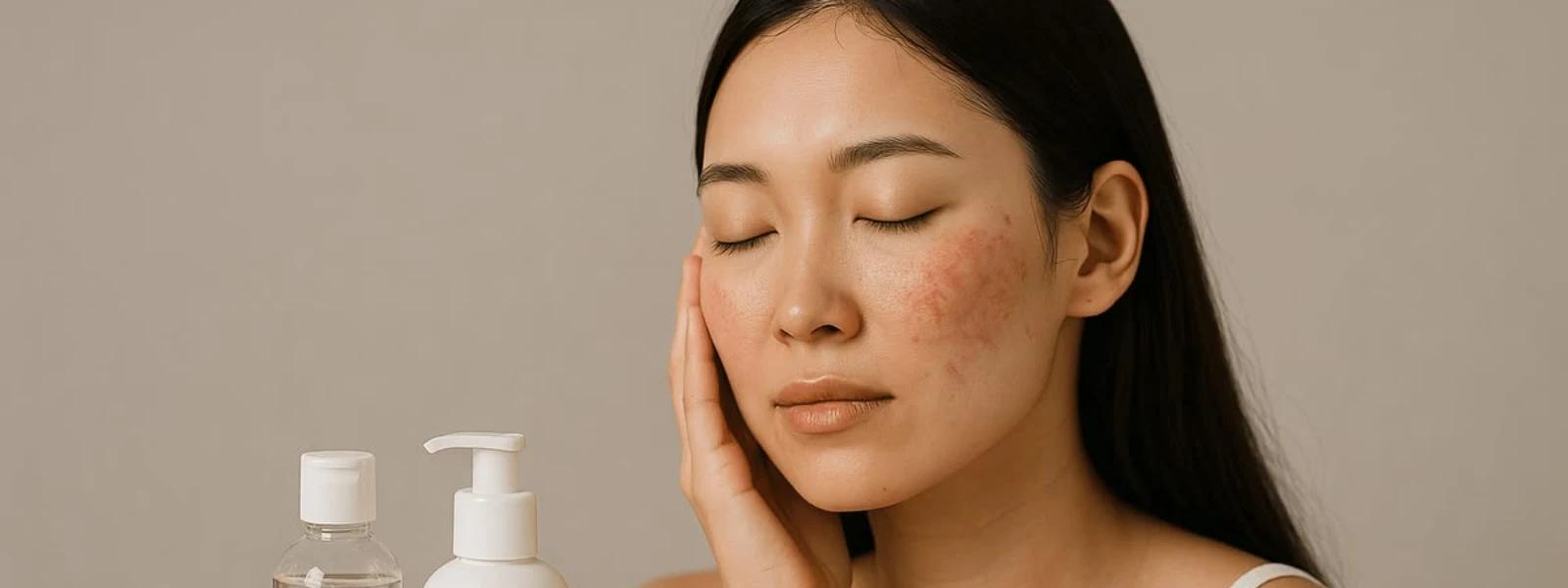
Before we compare price points, let's get clear on what we're actually treating. Hyperpigmentation isn't just one thing – it's your skin producing too much melanin in certain spots, creating those darker patches that seem to have a mind of their own. Understanding the causes of hyperpigmentation helps you choose the right treatment approach, regardless of your budget.
The main culprits behind those pesky dark spots include sun damage from years of UV exposure, hormonal changes during pregnancy or from birth control, and post-inflammatory responses from acne or injuries. Your skin essentially goes into overdrive, producing melanin as a protective response, but sometimes it doesn't know when to stop.
Knowing which types of hyperpigmentation you're dealing with makes all the difference in treatment success. Melasma appears as symmetrical patches, often triggered by hormones. Age spots are those sun-induced marks that pop up after years of UV exposure. Post-inflammatory hyperpigmentation (PIH) shows up after acne, cuts, or any skin trauma. Each type responds differently to treatment, which is why a one-size-fits-all approach rarely works.
Here's where things get interesting. The price difference between budget and premium hyperpigmentation treatment options can be staggering – we're talking £10 serums versus £150 ones. But what exactly are you paying for, and does it translate to better results for your skin?
Expensive skincare for hyperpigmentation often comes with hefty research and development costs, clinical testing, premium packaging, and yes, significant marketing budgets. Luxury brands invest heavily in creating elegant textures, beautiful packaging, and extensive clinical trials. These costs get passed on to you, the consumer.
Premium formulations often feature higher concentrations of active ingredients, more stable delivery systems, and additional supporting ingredients that help with absorption and skin tolerance. The research behind these formulations can take years and cost millions. Brands like SkinCeuticals or Environ invest heavily in clinical studies to prove their efficacy.

Asaya Rapid Dark Spot Correction Set | Reduces Dark Spots & Post-Acne Marks | Cleanser, Gel, Moisturizer & Sunscreen Kit
Affordable skincare for hyperpigmentation doesn't mean inferior ingredients. Many budget-friendly options contain the same active ingredients as their expensive counterparts. The difference often lies in concentration levels, additional supporting ingredients, and formulation elegance. A £12 niacinamide serum can be just as effective as a £60 one if the concentration and formulation are comparable.
Let's talk about what really works for fading dark spots. The best hyperpigmentation products contain proven ingredients like hydroquinone, tretinoin, vitamin C, kojic acid, niacinamide, and alpha arbutin. The good news? Many of these are available at various price points.
Hydroquinone remains the gold standard for treating hyperpigmentation. You can find 2% formulations in both budget and premium products. The difference often lies in the supporting ingredients that help with stability and skin tolerance. Vitamin C is another powerhouse, but here's where price can matter – L-ascorbic acid is notoriously unstable and requires careful formulation, which premium brands often handle better.
Some ingredients benefit from premium formulations. Tretinoin and other retinoids work best when properly stabilised and combined with soothing ingredients. Kojic acid can be irritating in poorly formulated products but gentle and effective in well-designed ones. These are areas where investing in quality formulations often pays off.
Niacinamide is incredibly stable and effective at various price points. A 10% niacinamide serum from The Ordinary works just as well as more expensive alternatives. Alpha arbutin is another affordable tyrosinase inhibitor that delivers real results without the premium price tag. Azelaic acid is available in both prescription and over-the-counter formulations, with the latter being significantly more budget-friendly.
Creating an effective hyperpigmentation skincare routine doesn't require a second mortgage. The key is choosing the right active ingredients and using them consistently. Whether you're working with a £50 budget or £500, the principles remain the same: gentle cleansing, targeted treatment, moisturising, and sun protection.
For those watching their pennies, a basic routine might include a gentle cleanser, a niacinamide or alpha arbutin serum, a simple moisturiser, and broad-spectrum SPF. This combination can deliver impressive results over time. The total cost? Around £40-60 for a three-month supply.

Asaya Target & Fade Duo for Hyperpigmentation | Even-Tone Underarms, Inner Thighs & Bum | Refines Skin Texture | For All Skin Types
Start with CeraVe Foaming Facial Cleanser for gentle daily cleansing. Follow with The Ordinary Alpha Arbutin 2% + HA or their Niacinamide 10% + Zinc 1% for targeted treatment. Moisturise with something simple like Cetaphil Daily Facial Moisturiser, and never skip SPF – Neutrogena Ultra Sheer Dry-Touch offers excellent protection without the premium price.
If budget isn't a constraint, premium formulations can offer enhanced experiences and potentially faster results. SkinCeuticals CE Ferulic provides potent vitamin C in a stable formulation, whilst their Discoloration Defense combines multiple brightening agents. These products cost significantly more but often deliver more elegant textures and comprehensive formulations.
The sweet spot for cost effective hyperpigmentation solutions often lies in the middle ground. Brands like Paula's Choice, CeraVe, and Olay offer scientifically-backed formulations without the luxury markup. These products typically cost between £15-40 and deliver results comparable to much more expensive alternatives.
Paula's Choice 2% BHA Liquid Exfoliant helps with both acne and post-inflammatory hyperpigmentation. Olay Regenerist Micro-Sculpting Serum contains niacinamide and peptides for overall skin improvement. These products prove that effective hyperpigmentation remedies don't need to cost a fortune.
Sometimes, investing in luxury skincare for dark spots makes perfect sense. If you have sensitive skin that reacts poorly to budget formulations, or if you're dealing with stubborn melasma that requires clinical-strength ingredients, premium products might be worth the investment. The key is understanding when you're paying for genuine benefits versus marketing hype.
Regardless of whether you choose expensive or affordable options, managing expectations is crucial. Hyperpigmentation treatment takes time – typically 8-12 weeks for noticeable improvement and 6-12 months for significant fading. This timeline remains consistent whether you're using a £10 serum or a £100 one.
Budget products might take slightly longer to show results due to lower concentrations of active ingredients, but they can be just as effective with patience and consistency. Premium products might deliver faster initial results, but the end result after a year of consistent use is often remarkably similar.

Asaya Even Skin Duo for Hyperpigmentation | Even-Tone Inner Thighs, Knees, Neck & Elbows | Works on High-Friction Zones | For All Skin Types
It depends on your specific needs and skin sensitivity. Expensive products often offer more elegant formulations and higher concentrations of actives, but budget options with the same key ingredients can be equally effective with consistent use.
Absolutely. Many drugstore products contain the same active ingredients as luxury alternatives. Products containing niacinamide, alpha arbutin, or vitamin C can effectively fade hyperpigmentation regardless of price point.
A basic effective routine can cost as little as £40-60 for three months. If you prefer premium formulations or have specific skin sensitivities, expect to spend £150-300 for the same period.
The active ingredient is often identical, but brand-name products may offer better stability, additional supporting ingredients, or more elegant textures. The core efficacy usually remains similar.
Budget-friendly treatments typically show initial results in 6-8 weeks, with significant improvement visible after 3-4 months of consistent use. This is only slightly longer than premium alternatives.
The difference between expensive vs affordable hyperpigmentation treatments often comes down to formulation elegance, concentration levels, and additional supporting ingredients rather than fundamental efficacy. Your skin doesn't read price tags – it responds to consistent use of proven ingredients like niacinamide, vitamin C, and retinoids.
Whether you choose budget-friendly options or invest in premium formulations, success lies in consistency, patience, and proper sun protection. The most expensive serum in the world won't help if you're not wearing SPF daily. For those looking to explore both affordable and premium options, platforms like Smytten offer the perfect opportunity to try products before committing to full sizes, helping you discover what works for your skin and budget. Remember, the best hyperpigmentation treatment is the one you'll actually use consistently – and that's true regardless of what you spend.
