Dark Skin Care Guide FAQ: Addressing Hyperpigmentation & More

 70 ml
70 mlIntimate Brightening Roll-On Serum | Inner Thighs & Bum | 10% AHA + PHA | Evens Skin Tone | Lightweight & Non-Sticky | 70ml
You've been searching for skincare advice that actually works for your skin tone, haven't you? If you've ever felt frustrated by generic skincare guides that don't address the unique needs of melanin rich skin, you're not alone. Dark skin has its own beautiful complexities—from how it responds to certain ingredients to the way hyperpigmentation shows up differently. Whether you're dealing with stubborn dark spots, post-acne marks, or simply want that natural glow, this comprehensive guide addresses the real questions you've been asking about caring for dark skin.
Let's start with the science bit, because understanding your skin is the first step to caring for it properly. Melanin rich skin isn't just about colour—it's about a completely different skin structure that comes with both protective benefits and specific care needs.
Your skin produces more melanin, which acts like a natural SPF of about 13-15. This means you're naturally protected from UV damage to some extent, but it also means your skin responds differently to inflammation and injury. When your skin gets irritated—whether from a spot, a scratch, or even harsh skincare—it often produces excess melanin as a protective response. This is why dark skin concerns often centre around hyperpigmentation rather than premature ageing.
Real talk: dark skin doesn't "age better" just because of melanin. What actually happens is that signs of ageing show up differently. You're more likely to notice uneven skin tone, dark spots, and changes in texture before you see fine lines. The myth that dark skin doesn't need SPF? Completely false. You still need sun protection to prevent further pigmentation and maintain healthy skin.
Most skincare advice is written for lighter skin tones, which is why you might have tried products that left you with ashiness, irritation, or made your hyperpigmentation worse. Dark skin often has a higher lipid content, which means it can handle richer formulations but also needs specific ingredients to address pigmentation concerns effectively.
Building a routine that works for your skin doesn't have to be complicated. The key is consistency and choosing products that support your skin's natural protective barrier whilst addressing your specific concerns.
Start your day with these four non-negotiable steps. First, cleanse with a gentle, non-stripping cleanser that removes overnight buildup without leaving your skin tight. Follow with a niacinamide serum to regulate oil production and help with pigmentation. Moisturise with a formula that contains ceramides or hyaluronic acid to maintain hydration. Finally, apply SPF 30 or higher—yes, every single day, even when it's cloudy.
Your evening routine is where the real magic happens for dark spot removal. Double cleanse if you wear makeup or SPF, then apply your active ingredients. This might be a retinol product twice a week, or an AHA treatment for gentle exfoliation. Always follow with a nourishing moisturiser to support your skin barrier overnight.
Look for cleansers with glycolic acid or salicylic acid if you're dealing with congestion, but use them sparingly. Cream cleansers work beautifully for dry skin, whilst gel cleansers suit oilier skin types. Avoid anything with harsh sulfates that can strip your skin and trigger more melanin production.
 50 g
50 gCeramide Moisturizer for Pigmentation | Reduces Hyperpigmentation & Fades Spots | Targets Blemishes & Uneven Tone | For All Skin Types | 50g
Your moisturiser should feel comfortable and never leave a white cast. Ingredients like shea butter, squalane, and ceramides work particularly well for dark skin. If you're dealing with hyperpigmentation, look for moisturisers that contain vitamin C or kojic acid for added brightening benefits.
Hyperpigmentation treatment for dark skin requires patience and the right approach. Unlike other skin concerns, pigmentation issues can take months to improve, but with consistent care, you will see results.
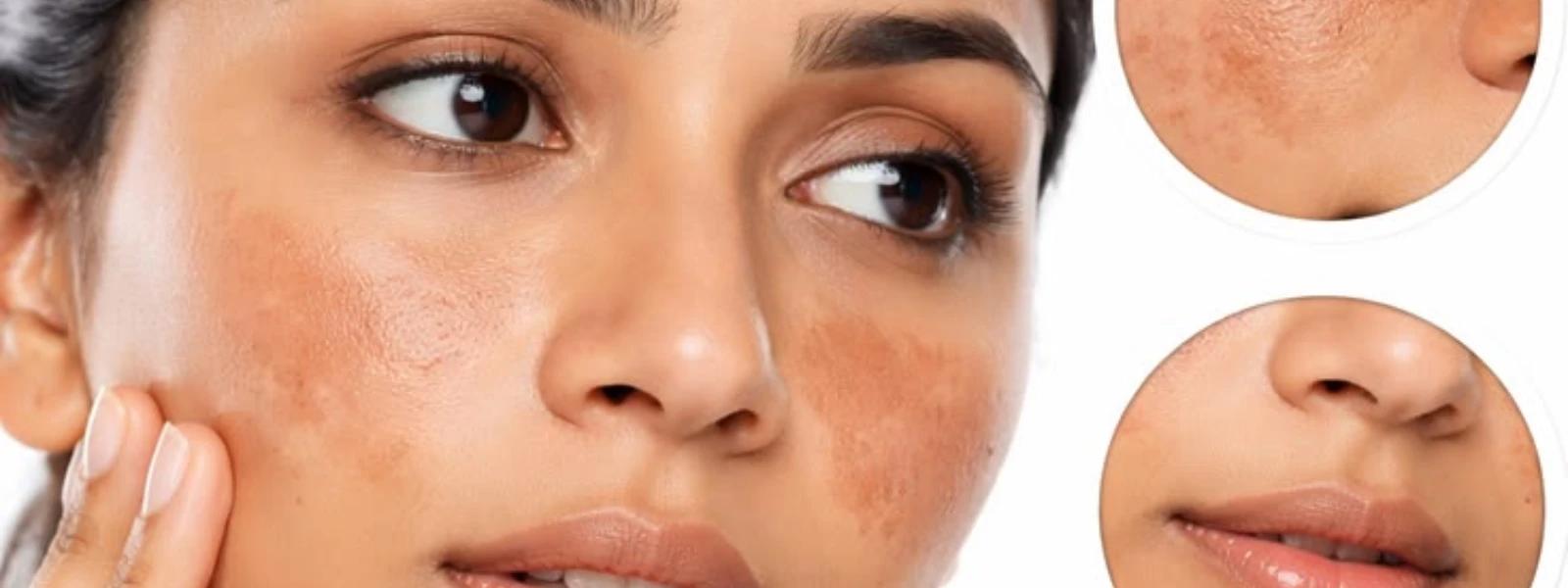
Post-inflammatory hyperpigmentation (PIH) is the most common type you'll encounter—those dark marks left behind after spots or irritation. Melasma appears as larger patches, often triggered by hormones or sun exposure. Age spots develop over time from cumulative sun damage. Each type responds differently to treatment, so identifying what you're dealing with helps you choose the right approach.
The gold standard ingredients for dark spot removal include hydroquinone (use under dermatologist guidance), kojic acid, arbutin, and vitamin C. Niacinamide is particularly brilliant for dark skin as it's gentle yet effective. Retinoids help with cell turnover, but start slowly to avoid irritation that could worsen pigmentation.
Professional treatments like chemical peels and laser therapy can be effective, but they require practitioners experienced with dark skin to avoid complications. At-home treatments with consistent use of proven ingredients often deliver excellent results with less risk of adverse reactions.
Prevention is honestly easier than treatment. Daily SPF use, gentle skincare practices, and avoiding picking at your skin are your best defenses. When you do get a spot, treat it gently and apply a targeted treatment immediately to minimise the chance of PIH developing.
Dealing with acne dark skin or eczema dark skin comes with unique challenges that require a thoughtful approach to avoid making pigmentation issues worse.
Acne dark skin treatment focuses heavily on preventing post-inflammatory hyperpigmentation. Use salicylic acid for gentle exfoliation and benzoyl peroxide in lower concentrations (2.5% maximum) to avoid irritation. Niacinamide is your friend here—it helps control oil whilst being anti-inflammatory.

Target & Fade Duo for Hyperpigmentation | Even-Tone Underarms, Inner Thighs & Bum | Refines Skin Texture | For All Skin Types
With eczema dark skin, the priority is maintaining your skin barrier and avoiding triggers that cause flare-ups. Use fragrance-free, gentle products and look for ingredients like ceramides and colloidal oatmeal. Avoid over-exfoliation, which can worsen both eczema and lead to pigmentation issues.
This cannot be stressed enough: gentle is better. Over-exfoliation is one of the fastest ways to trigger more pigmentation in dark skin. Start with any new active ingredient once or twice a week, and always listen to your skin. Redness, stinging, or increased sensitivity are signs to pull back.
Seek professional help if your hyperpigmentation isn't improving after six months of consistent treatment, if you're experiencing severe acne, or if you have concerns about changes in your skin. A dermatologist experienced with dark skin can provide targeted treatments and rule out any underlying conditions.
Skin brightening for dark skin isn't about changing your natural colour—it's about achieving an even tone and that healthy glow that comes from well-cared-for skin.
The secret to glowing dark skin lies in hydration, gentle exfoliation, and protecting your skin barrier. Regular use of vitamin C in the morning helps brighten and protect, whilst hyaluronic acid keeps your skin plump and hydrated. Don't underestimate the power of a good facial oil—rosehip oil or marula oil can add that natural luminosity.
Stick to proven, gentle brightening ingredients like vitamin C, niacinamide, kojic acid, and arbutin. Alpha hydroxy acids like glycolic acid and lactic acid help with gentle exfoliation and brightening, but use them sparingly and always with SPF.
Whilst ingredients like turmeric and honey have brightening properties, commercial products offer more consistent concentrations and proven efficacy. If you do try DIY remedies, patch test first and remember that natural doesn't always mean gentle—lemon juice, for example, can actually cause more pigmentation when exposed to sun.
Your skin reflects your overall health. Stay hydrated, eat foods rich in antioxidants, get adequate sleep, and manage stress levels. These factors significantly impact how your skin looks and feels, often more than any product you can apply topically.
 30 ml
30 mlDark Spot Serum For Pigmentation | With Niacinamide, Alpha Arbutin & MelaMe Complex | Fades Melasma & Acne Marks | For Oily & Dry Skin | 30ml
The best routine for dark skin focuses on gentle cleansing, consistent moisturising, daily SPF, and targeted treatment of hyperpigmentation. Morning: gentle cleanser, vitamin C serum, moisturiser, SPF. Evening: cleanser, treatment product (retinol or AHA 2-3 times weekly), moisturiser. The key is consistency and patience—results take time but are worth the wait.
Daily care involves protecting your skin barrier and preventing new pigmentation. Never skip SPF, even on cloudy days. Use gentle, fragrance-free products and avoid harsh scrubbing. When treating spots or irritation, be gentle to prevent post-inflammatory hyperpigmentation. Hydrate from within by drinking plenty of water and eating a balanced diet.
Look for products containing niacinamide, vitamin C, hyaluronic acid, and ceramides. For hyperpigmentation, consider products with kojic acid, arbutin, or gentle retinoids. Avoid products with harsh fragrances or high concentrations of acids that might irritate your skin. The Smytten Shop offers a curated selection of products specifically chosen for their effectiveness on diverse skin tones.
Patience is crucial with hyperpigmentation treatment. You might notice subtle improvements in 4-6 weeks, but significant changes typically take 3-6 months of consistent use. Some stubborn spots may take up to a year to fade completely. The key is consistency—skipping days or switching products frequently will slow your progress.
Absolutely. Whilst melanin rich skin has natural protection, it's not immune to UV damage. Sun exposure can worsen existing hyperpigmentation, cause new dark spots, and lead to premature ageing. Daily SPF use is non-negotiable for maintaining healthy dark skin and preventing further pigmentation issues.
Avoid products with high concentrations of acids without proper introduction, harsh physical scrubs, and anything with strong fragrances that might cause irritation. Be cautious with hydroquinone concentrations above 2% without dermatologist supervision. Products that leave a white cast or make your skin feel tight and dry are also best avoided.
Ashiness usually indicates dehydration or the wrong product formulation for your skin. Dark skin often needs richer, more emollient moisturisers. If your skin looks ashy, increase your moisturising routine and consider adding a facial oil. This is particularly common in air-conditioned environments or during colder months.
Positive signs include improved skin texture, more even tone, reduced appearance of dark spots, and a natural glow. Your skin should feel comfortable—not tight, irritated, or overly oily. If you're treating hyperpigmentation, take monthly photos to track progress, as changes can be subtle and gradual.
Caring for dark skin is about understanding its unique needs and working with them, not against them. Your melanin rich skin is beautiful and protective, but it does require specific approaches to address concerns like hyperpigmentation and maintain that healthy glow. Remember that consistency trumps perfection—a simple routine followed religiously will always outperform an elaborate one used sporadically.
The journey to healthier skin takes time, especially when dealing with pigmentation concerns. Be patient with yourself and your skin. What matters most is finding products that work for your specific needs and skin type. The Smytten Shop's curated selection makes this easier by offering products from trusted brands that understand diverse skin needs, plus the opportunity to try before you commit to full sizes.
Your skin is unique, and it deserves care that acknowledges and celebrates that uniqueness. Whether you're just starting your skincare journey or refining an existing routine, remember that the best skincare routine is one you'll actually follow. Start simple, be consistent, and give your skin the gentle, effective care it deserves.
