Daily Sunscreen Use FAQ: Your Questions Answered
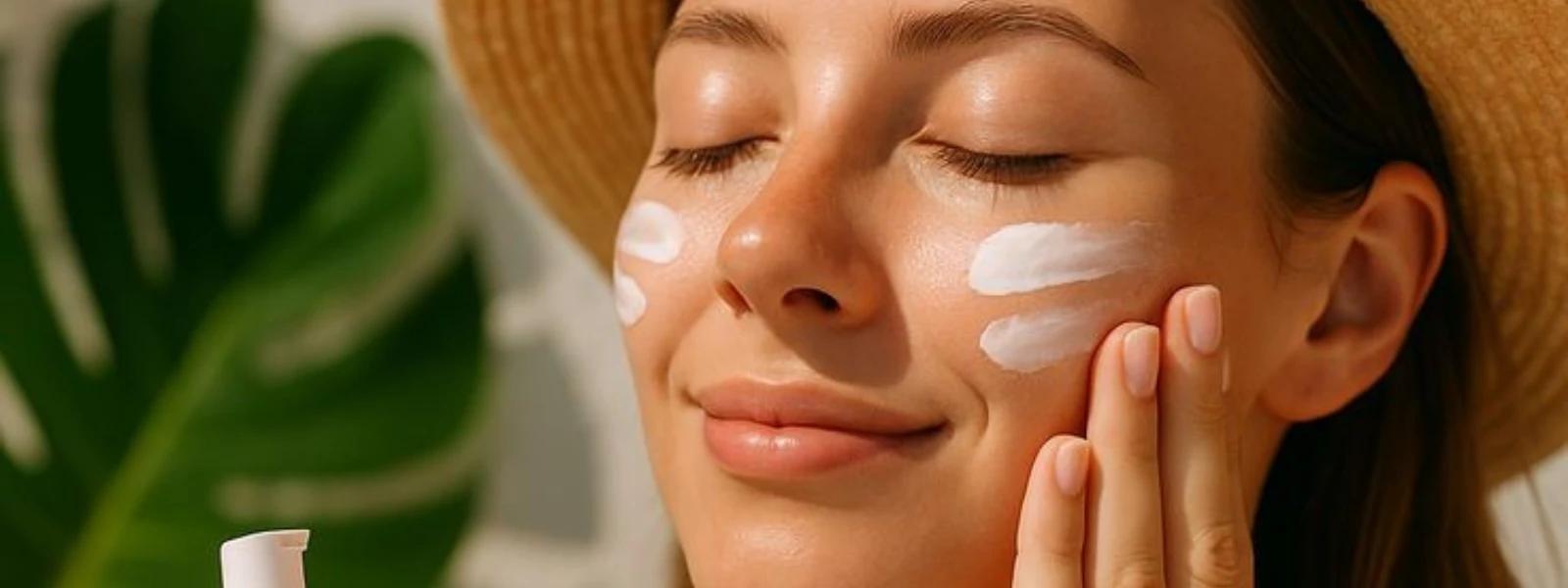

You've probably heard it countless times: "Wear sunscreen every day." But between rushing to work, juggling skincare steps, and wondering if it's really necessary when you're mostly indoors, daily SPF can feel like just another beauty rule to follow. The truth is, your skin faces UV exposure the moment you step near a window, walk to your car, or grab lunch outside. Even that brief morning commute or afternoon coffee run adds up to significant sun damage over time. If you've been questioning whether daily sunscreen use is worth the effort, or you're confused about which SPF to choose for your skin type, you're not alone.
The science behind sun protection goes far deeper than preventing sunburn. UV radiation causes damage at the cellular level, breaking down collagen, triggering inflammation, and creating free radicals that accelerate aging. What makes daily application so crucial is that UV damage is cumulative – those seemingly harmless moments of exposure throughout your day add up to significant skin damage over months and years.
UVA rays, which penetrate deeper into the skin, are present year-round and can pass through glass windows. This means your skin is exposed even during your morning commute or while working near office windows. UVB rays, responsible for burning, vary with seasons but still cause damage on cloudy days when up to 80% of UV radiation reaches your skin.
Research shows that incidental sun exposure – those brief moments outdoors that we barely notice – accounts for significant cumulative damage. A study published in the Journal of the American Academy of Dermatology found that people who applied sunscreen daily showed 24% less skin aging over four years compared to those who used it occasionally.
Even indoor lighting and blue light from screens contribute to skin damage, though to a lesser extent than UV radiation. The combination of window-filtered UV exposure and artificial light creates an environment where unprotected skin faces constant low-level damage throughout the day.
Dermatologists consistently rank daily sunscreen use as the most effective anti-aging strategy available. Beyond preventing visible signs of aging, regular SPF use maintains your skin's natural repair mechanisms and protective barrier function. This means your skin stays healthier, more resilient, and better able to recover from environmental stressors.
Daily protection also prevents the inflammatory response that UV exposure triggers in all skin types. This inflammation contributes to conditions like melasma, post-inflammatory hyperpigmentation, and rosacea flares.
The sunscreen benefits extend far beyond preventing sunburn. Regular SPF use creates a protective shield that allows your skin to function optimally while preventing both immediate and long-term damage. Understanding these benefits helps explain why dermatologists consider daily sunscreen the foundation of any effective skincare routine.
Skin cancer affects people of all ages and skin tones, making prevention crucial for everyone. Regular sunscreen use reduces the risk of melanoma by up to 50% and non-melanoma skin cancers by up to 40%. These statistics become even more significant when you consider that skin cancer is largely preventable through consistent sun protection habits.
For people with darker skin tones, while skin cancer rates are lower, the outcomes are often more severe due to later detection. Daily SPF provides essential protection regardless of your natural melanin levels.
The most visible sunscreen benefits appear in how your skin ages over time. Studies show that daily SPF use prevents approximately 80% of visible aging signs, including fine lines, wrinkles, and age spots. This prevention is far more effective than trying to reverse damage later with expensive treatments.
Regular sunscreen use also maintains your skin's natural collagen production. UV exposure breaks down existing collagen and prevents new collagen formation, leading to sagging and loss of firmness. By blocking this damage, daily SPF helps maintain your skin's structure and elasticity.
If you're dealing with hyperpigmentation, melasma, or acne marks, sunscreen becomes even more critical. UV exposure darkens existing pigmentation and can undo months of treatment progress. Daily SPF allows your skin's natural renewal process to gradually improve uneven tone without interference from new sun damage.
For those using active ingredients like retinoids, AHAs, or vitamin C, sunscreen protects your investment in these treatments by preventing photosensitivity reactions and ensuring the ingredients can work effectively.
Finding the best sunscreen for daily use means balancing protection, comfort, and compatibility with your skin type and routine. The right sunscreen should feel comfortable enough that you'll actually want to wear it every day, while providing comprehensive protection against both UVA and UVB rays.
SPF importance lies not just in the number, but in understanding what it means for your protection. SPF 30 blocks approximately 97% of UVB rays, while SPF 50 blocks about 98%. The difference seems small, but for daily use, SPF 30 provides excellent protection when applied properly and reapplied as needed.
Broad spectrum sunscreen protects against both UVA and UVB radiation. Look for products that specifically state "broad spectrum" on the label, as this ensures comprehensive protection against aging UVA rays and burning UVB rays.
Your skin type determines which sunscreen for face will work best in your routine. Oily or acne-prone skin benefits from lightweight, non-comedogenic formulas that won't clog pores. Look for gel-based or fluid textures that absorb quickly without leaving a greasy residue.
Dry skin needs moisturising sunscreens that provide hydration alongside protection. Formulas with ceramides, hyaluronic acid, or glycerin help maintain skin barrier function while protecting from UV damage.
Sensitive skin responds well to mineral sunscreens containing zinc oxide or titanium dioxide, which sit on the skin's surface rather than absorbing into it. These ingredients are less likely to cause irritation or allergic reactions.
If you have reactive or sensitive skin, finding the right sunscreen for sensitive skin requires understanding which ingredients to seek out and which to avoid. Sensitive skin often reacts to chemical sunscreen filters, fragrances, or preservatives, making ingredient selection crucial for comfortable daily wear.
Zinc oxide and titanium dioxide are the gentlest sunscreen ingredients available. These mineral filters work by reflecting UV rays away from the skin rather than absorbing them, making them ideal for sensitive, reactive, or post-procedure skin.
Look for fragrance-free formulations and avoid common irritants like alcohol, essential oils, or chemical preservatives like parabens if your skin is particularly reactive. Hypoallergenic and dermatologist-tested products undergo additional testing to minimise reaction risks.
When introducing a new sunscreen to sensitive skin, patch testing prevents full-face reactions. Apply a small amount to your inner wrist or behind your ear for 24-48 hours before using it on your face.
For very sensitive skin, applying sunscreen over a gentle moisturiser can provide an additional barrier and reduce potential irritation. Allow each layer to absorb fully before applying the next product.
Even the best sunscreen won't protect you if it's not applied correctly. Sunscreen application technique significantly impacts the level of protection you receive, making proper application as important as choosing the right product.
The standard recommendation is 1/4 teaspoon of sunscreen for your face and neck. This might seem like a lot, but using less significantly reduces your protection. If 1/4 teaspoon feels heavy, choose a lighter formula rather than using less product.
Apply sunscreen 15-20 minutes before sun exposure to allow it to form a protective film on your skin. In your daily skincare routine, sunscreen should be the final step before makeup, applied after moisturiser and any treatment serums.
The two-hour reapplication rule applies when you're outdoors or exposed to significant UV radiation. For office workers with minimal sun exposure, morning application may be sufficient unless you're near windows or go outside during lunch.
For reapplication over makeup, consider powder sunscreens, SPF setting sprays, or cushion compacts with SPF. These options make touch-ups more practical throughout the day.
The most common mistake is missing areas like the ears, neck, around the eyes, and the hairline. These spots often show the first signs of sun damage because they're frequently forgotten during application.
Using expired sunscreen significantly reduces protection, as the active ingredients break down over time. Check expiration dates regularly and replace products that have been stored in hot cars or direct sunlight.
Despite overwhelming scientific evidence supporting daily SPF use, several concerns and myths persist. Addressing these misconceptions helps you make informed decisions about your sun protection routine without unnecessary worry.
One common concern is that daily sunscreen use will lead to vitamin D deficiency. However, most people get sufficient vitamin D from brief incidental exposure and dietary sources. If you're concerned about vitamin D levels, speak with your healthcare provider about testing and supplementation rather than skipping sun protection.
Research shows that people who use sunscreen regularly don't have significantly lower vitamin D levels than those who don't, suggesting that complete UV blocking is nearly impossible with typical sunscreen use.
UV rays penetrate glass windows, though UVB is largely blocked while UVA passes through. If you work near windows or in a car frequently, daily sunscreen provides valuable protection against this incidental exposure.
For people working in windowless offices or basements, morning sunscreen application before leaving home provides adequate protection for brief outdoor exposure during commutes or lunch breaks.
Modern sunscreen formulations work well under makeup when you choose the right texture for your skin type. Allow sunscreen to absorb for a few minutes before applying primer or foundation to prevent pilling or separation.
Some makeup products contain SPF, but they shouldn't replace dedicated sunscreen. Makeup with SPF provides additional protection but is rarely applied in sufficient amounts to reach the stated SPF level.
Absolutely. Dermatologists universally recommend daily sunscreen use because UV damage occurs even on cloudy days and through windows. Daily protection prevents cumulative damage that leads to premature aging, hyperpigmentation, and skin cancer. Modern sunscreen formulations are designed for daily use and won't harm your skin with regular application.
If you're near windows or step outside briefly, yes. UVA rays penetrate glass and cause aging even indoors. However, if you're in a windowless basement or won't be near windows all day, morning application before leaving home provides sufficient protection for brief outdoor exposure.
Sunscreen doesn't remove existing hyperpigmentation, but it prevents it from getting darker and allows your skin's natural renewal process to gradually improve uneven tone. Without daily SPF, any hyperpigmentation treatment will be less effective because new sun damage continues to darken existing spots.
SPF 30 is the minimum recommended for tretinoin users, but SPF 50 may be better due to increased photosensitivity. Always choose broad spectrum sunscreen and reapply if you'll be outdoors. Tretinoin makes your skin more vulnerable to UV damage, making daily protection essential for treatment success.
The best sunscreen for daily use is one you'll actually wear consistently. Look for broad-spectrum SPF 30-50, non-comedogenic formulas suited to your skin type. Mineral sunscreens work well for sensitive skin, while chemical sunscreens often provide lighter textures that work better under makeup.
Moisturisers with SPF provide some protection, but dedicated sunscreen typically offers better coverage and protection. If you prefer combination products, ensure they provide broad-spectrum protection and that you're applying enough product to reach the stated SPF level.
For daily indoor activities, morning sunscreen application typically provides adequate protection. Reapply every two hours if you're outdoors or exposed to significant UV radiation through windows. Sweating, swimming, or towelling off requires immediate reapplication.
Price doesn't always indicate better protection. Many affordable sunscreens provide excellent broad-spectrum protection. Focus on finding a formula that feels comfortable on your skin and provides the protection level you need rather than choosing based on price alone.
Making daily sunscreen use a habit is one of the most effective investments you can make in your long-term skin health. The benefits extend far beyond preventing sunburn – daily SPF protects against cancer, prevents premature aging, and maintains your skin's overall health and appearance. Whether you're dealing with specific concerns like hyperpigmentation or simply want to maintain healthy skin, consistent sun protection forms the foundation of any effective skincare routine.
The key to successful daily SPF use is finding a product that feels comfortable and works with your lifestyle. With the wide range of formulations available today, there's a sunscreen that will work for your skin type, preferences, and routine. Remember that the best sunscreen is the one you'll use consistently – protection only works when it's applied.
For those exploring new skincare products and routines, platforms like Smytten Shop offer the opportunity to try different sunscreen formulations before committing to full sizes. With access to premium brands and the ability to test products through samples, you can find the perfect daily SPF that fits seamlessly into your routine. Your future skin will thank you for making sun protection a non-negotiable part of your daily care.
