Control Shine Sunscreen FAQ: Your Oily Skin Questions Answered
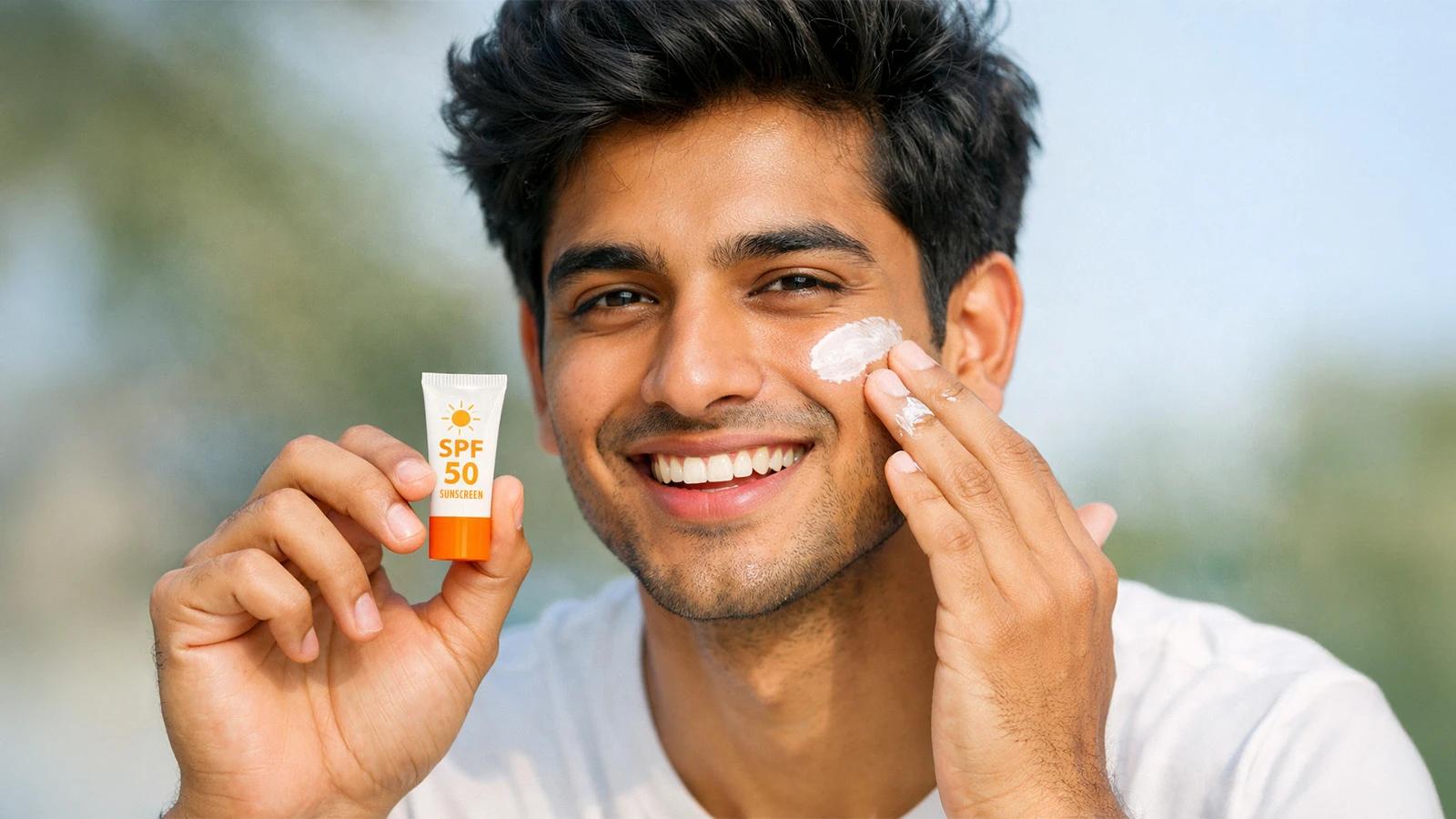

Picture this: you've just applied your morning skincare routine, carefully patted on your SPF, and within an hour, your T-zone is gleaming like you've been running laps. Sound familiar? If you're dealing with oily skin, finding the right control shine sunscreen can feel like searching for a unicorn. The good news? The right formula exists, and understanding what makes a sunscreen for oily skin truly effective can transform your daily routine from frustrating to flawless.
Control shine sunscreen is specifically formulated to provide UV protection whilst managing excess oil production throughout the day. Unlike regular sunscreens that might leave oily skin looking greasy, these clever formulations contain mattifying ingredients that absorb sebum and create a smooth, shine-free finish.
The magic happens through oil-absorbing particles like silica and zinc oxide, which act like tiny sponges on your skin's surface. These ingredients don't just sit on top of your skin—they actively work to control oil production whilst delivering broad-spectrum protection. Many oil control sunscreens also include niacinamide, which helps regulate sebum production at the source.
When you apply a mattifying sunscreen, the formula creates a protective barrier that doesn't interfere with your skin's natural functions. Instead, it works with your skin to manage oil flow, preventing that midday shine whilst keeping your skin protected from harmful UV rays.
Not all sunscreens for oily skin are created equal. The best formulations share several key characteristics that make them worth adding to your routine. Understanding these features helps you make informed choices that actually work for your skin type.
First, look for non-comedogenic formulations that won't clog your pores. This is particularly important if you're dealing with acne-prone skin, as heavy sunscreens can trigger breakouts. The texture should feel lightweight and absorb quickly without leaving a greasy residue.
Zinc oxide: Provides broad-spectrum protection whilst absorbing excess oil
Silica: Creates an instantly mattifying effect
Niacinamide: Regulates oil production and minimises pore appearance
Dimethicone: Creates a smooth, primer-like finish
For daily wear, SPF 30 provides adequate protection, but SPF 50 offers extra security for extended outdoor activities. The key is consistent application—a shine-free sunscreen you'll actually want to reapply is more effective than a higher SPF you avoid using.
The primary difference lies in the formulation approach. Regular sunscreens focus solely on UV protection, whilst control shine sunscreens tackle multiple concerns simultaneously. This dual-action approach makes them particularly valuable for oily and combination skin types.
Regular sunscreens often contain moisturising ingredients that can feel heavy on oily skin. Non-greasy sunscreens designed for shine control use lighter emollients and include oil-absorbing technology that keeps your skin comfortable throughout the day.
Where regular sunscreens might break down or feel greasy after a few hours, quality oil control sunscreens maintain their mattifying effect. This means fewer touch-ups and better makeup longevity—a real win for busy days.
Your skin is unique, and finding the perfect face sunscreen for oily skin requires understanding your specific concerns. Are you dealing with active breakouts, or is shine your primary worry? Do you prefer mineral sunscreens or are you open to chemical formulations?
For acne-prone skin, mineral formulations with zinc oxide often work best, as they're less likely to irritate sensitive areas. If you're dealing with combination skin, look for formulas that provide targeted oil control in your T-zone without over-drying other areas.
Mineral sunscreens for oily skin use physical blockers like zinc oxide and titanium dioxide. These ingredients sit on the skin's surface and reflect UV rays whilst providing natural oil absorption. Chemical sunscreens absorb into the skin and convert UV rays to heat, which some oily skin types find less comfortable.
Tinted control shine sunscreens can double as light foundation, providing coverage whilst protecting and mattifying. Clear formulas work better under makeup or for those who prefer a completely natural look.
Even the best mattifying sunscreen won't perform properly without correct application. Start with clean, lightly moisturised skin—yes, even oily skin needs hydration. Apply your sunscreen in thin, even layers, allowing each layer to absorb before adding the next.
For optimal results, wait at least five minutes after applying your control shine sunscreen before adding makeup. This allows the mattifying ingredients to set properly and creates the perfect base for long-lasting coverage.
Use blotting papers to remove excess oil before reapplying. Powder sunscreens work brilliantly for touch-ups, or you can use a makeup sponge to gently press fresh sunscreen over existing makeup without disturbing your look.
Effective shine control sunscreens combine UV protection with oil-absorbing ingredients like silica and zinc oxide. Look for non-comedogenic formulas that include sebum-regulating ingredients such as niacinamide. The texture should feel lightweight and absorb quickly without leaving residue.
Absolutely. Choose mineral sunscreens with zinc oxide, which provide gentle protection whilst naturally absorbing oil. Avoid fragrances and alcohol-based formulas. Always patch test new products and introduce them gradually into your routine.
Reapply every two hours, or immediately after swimming, sweating, or towelling off. For desk jobs, reapplication every three to four hours is usually sufficient. Use blotting papers first to remove excess oil for better adherence.
Yes, quality mattifying sunscreens create an excellent makeup base. Allow five minutes for the formula to set before applying foundation. The mattifying effect actually helps makeup last longer and prevents that dreaded midday meltdown.
SPF 30 blocks about 97% of UVB rays, whilst SPF 50 blocks 98%. For daily use, SPF 30 is adequate if applied properly. SPF 50 provides extra security for extended outdoor activities or if you tend to apply sunscreen thinly.
Mineral sunscreens naturally absorb oil due to their zinc oxide and titanium dioxide content. They're often better tolerated by oily, acne-prone skin. However, some chemical formulations with added mattifying agents can be equally effective.
Use a gentle cleanser or micellar water designed for waterproof makeup. Oil control sunscreens can be stubborn to remove, so double cleansing ensures complete removal without over-scrubbing your skin.
Poor-quality formulas or those containing comedogenic ingredients can trigger breakouts. Stick to non-comedogenic, fragrance-free options. If you notice increased breakouts, discontinue use and consult a dermatologist about suitable alternatives.
Finding the right control shine sunscreen transforms your daily routine from a battle against grease to a confident, protected glow. The key lies in understanding your skin's specific needs and choosing formulations that work with, not against, your natural oil production.
Remember, the best sunscreen for oily skin is one you'll actually use consistently. Whether you prefer mineral or chemical formulations, tinted or clear, the perfect option exists for your skin type. Through platforms like Smytten Shop, you can explore curated selections of premium mattifying sunscreens from trusted brands, often with the opportunity to try before committing to full sizes.
Your skin deserves protection that feels comfortable and looks flawless. With the right oil control sunscreen and proper application techniques, you can enjoy shine-free confidence whilst keeping your skin healthy and protected year-round.
