Causes of Skin Discoloration FAQ: Understanding Hyperpigmentation & More
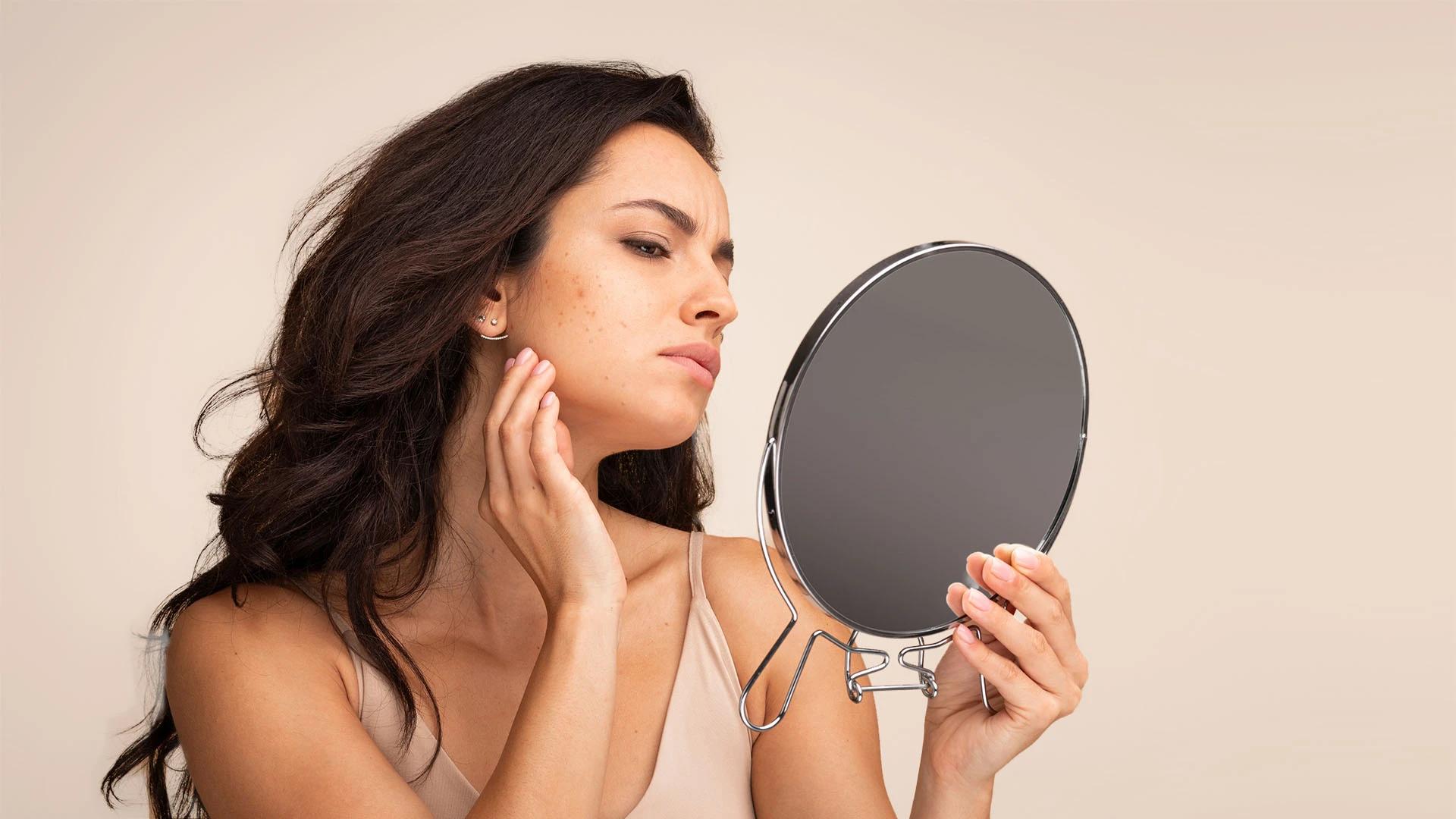

You've noticed patches of darker skin appearing on your face, or perhaps those stubborn marks from last summer's breakouts just won't fade. Skin discoloration affects nearly everyone at some point, yet understanding why it happens can feel overwhelming. Whether you're dealing with melasma from hormonal changes, sunspots from years of UV exposure, or post-inflammatory hyperpigmentation from acne, knowing the root causes helps you choose the right treatment path. Let's explore what's really behind these skin changes and how you can address them effectively.
Understanding the causes of skin discoloration starts with recognising that your skin produces melanin as a protective response. When this process goes awry, you end up with uneven skin tone and visible dark patches. Here are the main culprits behind skin pigmentation changes.
UV radiation remains the leading cause of skin discoloration. When your skin detects UV damage, melanocytes (pigment-producing cells) work overtime to protect deeper skin layers. This results in sunspots and age spots that typically appear on areas with the most sun exposure—your face, hands, shoulders, and décolletage. Even brief daily exposure without SPF can accumulate over years, creating those persistent brown patches.
Melasma often appears during pregnancy (earning the nickname "pregnancy mask") or when starting hormonal contraceptives. Oestrogen and progesterone fluctuations trigger increased melanin production, particularly on the upper lip, forehead, and cheeks. This type of hyperpigmentation can be stubborn and often requires targeted treatment approaches.
When your skin heals from acne, cuts, or other trauma, it sometimes produces excess melanin during the repair process. Post-inflammatory hyperpigmentation (PIH) appears as dark marks where blemishes once were. This is particularly common in people with deeper skin tones and can persist for months without proper treatment.
Certain health conditions can trigger widespread skin discoloration. Addison's disease causes darkening in skin folds and scars, whilst thyroid disorders can affect overall skin pigmentation. Diabetes may lead to acanthosis nigricans—dark, velvety patches typically found in body creases.
Some medications can cause drug-induced hyperpigmentation. Antimalarials, certain antibiotics, and chemotherapy drugs are known culprits. If you've started new medication and noticed skin changes, discuss this with your healthcare provider.
Deficiencies in vitamin B12, folate, or iron can sometimes manifest as skin pigmentation changes. Proper nutrition supports healthy skin cell turnover and melanin regulation.
Your genetic makeup influences how your skin responds to triggers like sun exposure and hormonal changes. As you age, accumulated sun damage becomes more visible, and your skin's ability to repair itself slows down, making dark spots on skin more prominent.
Not all dark spots on skin are created equal. Identifying the specific type of hyperpigmentation you're dealing with helps determine the most effective treatment approach. Each type has distinct characteristics and responds differently to various treatments.
Melasma appears as symmetrical brown or grey patches, typically on the face. It's triggered by hormonal changes and worsened by sun exposure. The patches often have irregular borders and can cover large areas of the cheeks, forehead, or upper lip.
These age spots and sunspots result from cumulative UV exposure. They're usually well-defined, brown spots that appear on sun-exposed areas. Unlike freckles, they don't fade in winter and tend to darken with continued sun exposure.
PIH appears as flat, discoloured spots where skin inflammation once occurred. The colour can range from pink to red, brown, or even black, depending on your skin tone and the depth of the original inflammation.
Medication-related discoloration can appear anywhere on the body and may have a blue-grey tint. This type often requires discontinuing the triggering medication (under medical supervision) for improvement.
Sometimes skin discoloration appears seemingly out of nowhere. These hidden causes often relate to internal health changes that manifest through your skin. Understanding these connections helps you address the root cause rather than just treating the symptoms.
Acanthosis nigricans causes dark, velvety patches in skin folds like the neck, armpits, and groin. This condition often signals insulin resistance or diabetes and requires medical evaluation for proper management.
Conditions like lupus or vitiligo can cause both hyperpigmentation and hypopigmentation. These changes often follow specific patterns and may be accompanied by other symptoms requiring medical attention.
Liver problems can cause generalised skin darkening or yellowing. If you notice widespread colour changes, particularly with other symptoms like fatigue or abdominal pain, seek medical evaluation.
Addison's disease causes increased ACTH production, leading to darkening of scars, skin folds, and pressure points. This type of pigmentation change requires immediate medical attention.
Effective skin discoloration treatment depends on the type and severity of your pigmentation concerns. Many people see improvement with consistent at-home care, whilst others benefit from professional treatments. The key is starting with gentle approaches and building up as needed.
Vitamin C serums work brilliantly for preventing new dark spots and gently lightening existing ones. Look for stable forms like magnesium ascorbyl phosphate or sodium ascorbyl phosphate. Niacinamide is another gentle option that helps regulate melanin production whilst strengthening your skin barrier.
Gentle exfoliation with AHAs like glycolic or lactic acid helps speed cell turnover, gradually fading surface-level discoloration. Start with lower concentrations (5-10%) and use only a few times per week to avoid irritation.
Broad-spectrum SPF remains your most important tool for preventing further damage. Choose SPF 30 or higher and reapply every two hours when outdoors.
Chemical peels using higher concentrations of acids can address deeper pigmentation. Professional treatments allow for stronger formulations that aren't available for home use.
Laser therapy and IPL (Intense Pulsed Light) target melanin directly, breaking up pigmented areas so your body can naturally eliminate them. These treatments work particularly well for sunspots and some types of melasma.
Prescription treatments like tretinoin or hydroquinone offer stronger results but require medical supervision due to potential side effects.
Whilst most skin discoloration is harmless, certain changes warrant immediate medical evaluation. Knowing these red flags helps you distinguish between cosmetic concerns and potential health issues that require professional care.
Rapidly changing or spreading discoloration, particularly if it's asymmetrical or has irregular borders, needs prompt evaluation. Any discoloration accompanied by itching, pain, bleeding, or other symptoms should be examined by a healthcare provider.
Blue or purple discoloration can indicate circulation problems or oxygen deficiency, requiring immediate medical attention. Similarly, sudden onset of widespread darkening without an obvious cause may signal underlying health conditions.
Changes in existing moles—including colour, size, or texture—should always be evaluated by a dermatologist, as these could indicate skin cancer.
Preventing skin discoloration is far easier than treating it after it appears. A proactive approach focusing on sun protection, gentle skincare, and overall health creates the foundation for maintaining even skin tone long-term.
Daily sun protection remains non-negotiable. Apply broad-spectrum SPF 30 or higher every morning, regardless of weather or season. Reapply every two hours when outdoors, and don't forget often-missed areas like your ears, neck, and hands.
Gentle skincare prevents inflammation that can trigger post-inflammatory hyperpigmentation. Avoid harsh scrubbing, pick at blemishes, or use overly aggressive products that compromise your skin barrier.
Managing hormonal fluctuations through lifestyle factors like stress reduction, adequate sleep, and balanced nutrition can help minimise hormone-related pigmentation changes.
The three most common types are sun-induced spots (age spots and solar lentigines), post-inflammatory hyperpigmentation from acne or injuries, and melasma caused by hormonal changes. Each type has distinct characteristics and requires different treatment approaches.
Mild surface-level discoloration may fade gradually with consistent sun protection and gentle exfoliation, but this process can take many months. Deeper pigmentation typically requires active treatment with ingredients like vitamin C, niacinamide, or professional procedures for noticeable improvement.
Surface-level discoloration may show improvement in 6-12 weeks with consistent treatment, whilst deeper pigmentation can take 6-12 months or longer. Results depend on the type of discoloration, treatment method, and individual skin response. Patience and consistency are key.
Sudden or widespread skin discoloration can indicate underlying health conditions like diabetes, liver problems, or autoimmune disorders. Whilst not always serious, rapid changes warrant medical evaluation to rule out systemic causes and ensure appropriate treatment.
Vitamin C, niacinamide, and gentle AHAs are excellent starting points for most people. Stronger options like tretinoin or hydroquinone require prescription supervision. The best ingredient depends on your skin type, the severity of discoloration, and your tolerance for active ingredients.
Heavy makeup or products containing irritating ingredients can potentially trigger inflammation leading to post-inflammatory hyperpigmentation. Choose non-comedogenic products and always remove makeup thoroughly. Some tinted moisturisers with SPF can actually help prevent further discoloration.
Understanding the causes of skin discoloration empowers you to make informed decisions about prevention and treatment. Whether you're dealing with stubborn melasma, persistent sunspots, or frustrating post-inflammatory hyperpigmentation, remember that improvement takes time and consistency.
Start with gentle, proven ingredients and always prioritise sun protection. For those exploring new skincare solutions, platforms like Smytten Shop offer curated selections from trusted brands, allowing you to discover effective treatments through samples before committing to full sizes—a smart approach when building your pigmentation-fighting routine.
Your skin's journey is unique, and what works for others may not work for you. Be patient with the process, celebrate small improvements, and don't hesitate to seek professional guidance when needed. With the right approach and realistic expectations, achieving more even skin tone is absolutely possible.
