Body Exfoliation for Gen Z: Your Questions Answered
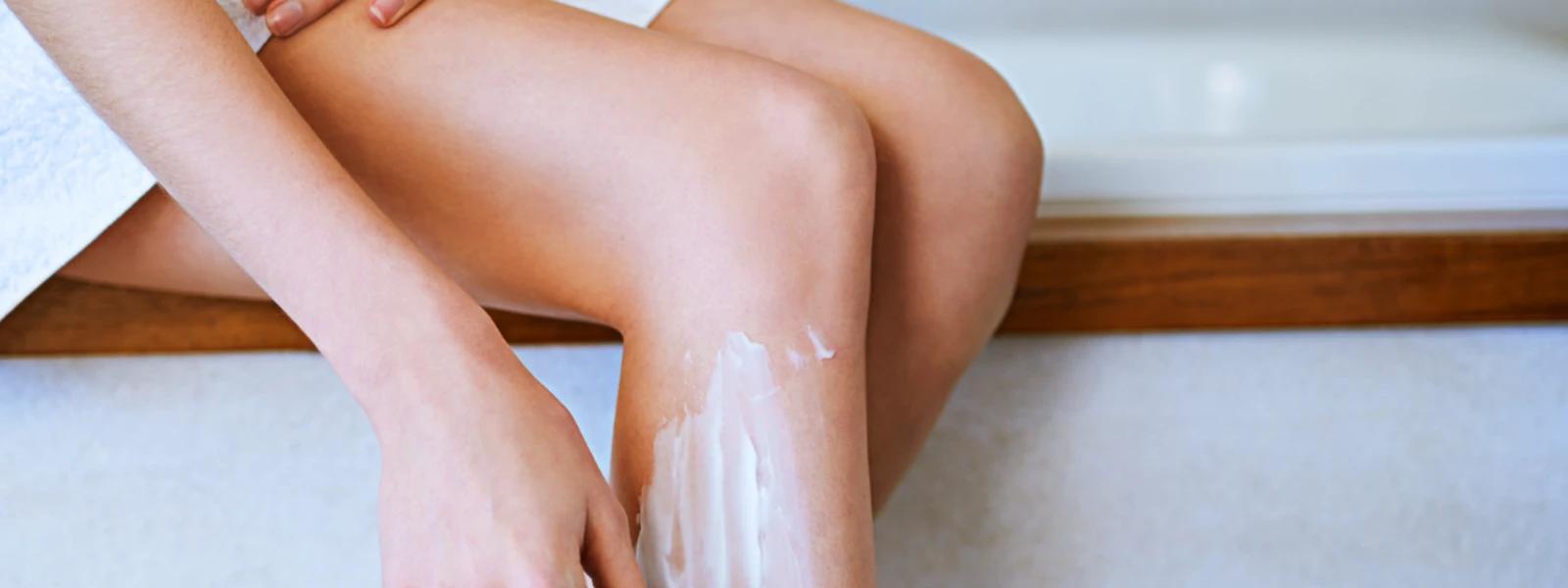

Ever wondered why your skin feels rough despite daily showers, or why those Instagram-worthy body shots seem impossible to achieve? You're not alone. Gen Z faces unique skin challenges—from hormonal fluctuations to environmental stressors—that make body exfoliation more important than ever. Whether you're dealing with stubborn keratosis pilaris on your arms, post-gym congestion, or simply want that smooth, touchable skin for crop top season, understanding proper exfoliation techniques can transform your entire body care routine.
Your skin naturally sheds millions of dead cells daily, but sometimes this process needs a helping hand. For young adults, factors like stress, hormonal changes, and even air conditioning can disrupt this natural renewal cycle, leaving you with dull, bumpy, or uneven skin texture.
Body exfoliation offers genuine benefits beyond just smooth skin. Regular exfoliation improves circulation, helps prevent ingrown hairs (especially important if you shave), and allows your moisturisers to penetrate more effectively. For Gen Z dealing with body acne or keratosis pilaris—those tiny bumps on your upper arms—gentle exfoliation can help manage these concerns over time.
The science is straightforward: younger skin typically has a faster cell turnover rate than mature skin, but environmental factors and lifestyle choices can slow this process. Think about it—if you're constantly in air-conditioned spaces, wearing tight clothing, or dealing with stress-related hormonal fluctuations, your skin might need extra support to maintain its natural glow.
Common body skin issues Gen Z faces include keratosis pilaris, ingrown hairs from shaving, uneven skin tone, and that general feeling of rough or bumpy texture. These aren't serious medical concerns, but they can affect confidence, especially during summer months when more skin is on display.
Understanding your options helps you choose the right approach for your skin type and lifestyle. There's no one-size-fits-all method, and what works for your friend might not suit your skin's needs.
Physical exfoliation uses texture—scrubs, brushes, or exfoliating gloves—to manually remove dead skin cells. This method gives immediate results and that satisfying feeling of smooth skin. Chemical exfoliation uses gentle acids like salicylic acid or glycolic acid to dissolve the bonds between dead skin cells, working more gradually but often more thoroughly.
For most Gen Z skin, a combination approach works brilliantly. Use physical exfoliation 1-2 times weekly for immediate smoothness, and incorporate chemical exfoliants for deeper, longer-lasting results. Korean-inspired exfoliation using textured gloves has gained popularity for good reason—it's effective, affordable, and gives you complete control over pressure and intensity.
Start with warm water to soften your skin—this isn't just comfort, it's strategy. Warm water opens pores and makes dead skin cells easier to remove. Assess your skin first: any cuts, irritation, or active breakouts should be avoided during exfoliation.
Apply your chosen exfoliant using gentle, circular motions. Work systematically from your shoulders down, paying extra attention to areas prone to dryness like elbows, knees, and heels. Never scrub aggressively—let the product do the work. For chemical exfoliants, follow package instructions carefully and always moisturise afterwards.
Budget-friendly doesn't mean compromising on quality. Many effective body scrubs cost under ₹500 and deliver excellent results for young skin.
Look for products containing salicylic acid for oily or acne-prone skin, glycolic acid for overall smoothness, or natural enzymes from fruits for sensitive skin. Many affordable options combine physical and chemical exfoliation, giving you maximum benefit for your money.
Multi-purpose products work particularly well for Gen Z budgets. Some gentle scrubs can be used on both face and body, though always patch-test first. Ingredient transparency matters—avoid products with harsh sulfates or artificial fragrances that might irritate young skin.
Coffee grounds mixed with brown sugar and a touch of coconut oil create an energising scrub perfect for morning routines. The caffeine may help with circulation, while the sugar provides gentle physical exfoliation. For sensitive skin, try honey mixed with finely ground oatmeal—both ingredients are naturally soothing and anti-inflammatory.
Sea salt combined with olive oil works well for deeper exfoliation, particularly on areas like elbows and knees. Always use fine-grain salt to avoid micro-tears in the skin. Remember: DIY scrubs should be used immediately and never stored, as they can harbour bacteria.
Dry brushing has become increasingly popular among Gen Z for good reason. Using a natural bristle brush on dry skin before showering stimulates circulation and lymphatic drainage while removing dead skin cells. Start at your feet and brush upward toward your heart using long, sweeping motions.
Exfoliating gloves and washcloths offer gentle daily exfoliation without additional products. Korean-style exfoliating gloves, available for under ₹200, can transform your shower routine. Use them with your regular body wash for enhanced cleansing and smoother skin.
Natural ingredients from your kitchen can be surprisingly effective. Baking soda mixed with water creates a gentle paste for stubborn areas, while plain yogurt contains natural lactic acid that helps dissolve dead skin cells. Lemon juice can brighten skin but should always be diluted and never used before sun exposure.
Your teen skincare routine should be sustainable, affordable, and realistic for your lifestyle. Body exfoliation fits into this routine as a weekly or bi-weekly step, not a daily requirement.
Sensitive skin benefits from once-weekly gentle exfoliation using mild scrubs or chemical exfoliants with lower concentrations. Normal skin can handle 2-3 times weekly maintenance, alternating between physical and chemical methods. Oily or acne-prone skin may benefit from more frequent chemical exfoliation, particularly with salicylic acid-based products.
Listen to your skin's response and adjust accordingly. If you notice irritation, redness, or increased sensitivity, reduce frequency or switch to gentler methods.
Always cleanse before exfoliating to remove surface dirt and oils. This allows your exfoliant to work more effectively. After exfoliation, moisturising isn't optional—it's essential. Exfoliated skin is more receptive to hydration, making this the perfect time to apply your favourite body lotion or oil.
If you're using active ingredients on your face, coordinate timing to avoid over-processing your skin. Many people find alternating days works well—exfoliate your body on days when you're not using strong facial actives.
Over-exfoliation is surprisingly common among enthusiastic Gen Z skincare lovers. Signs include persistent redness, increased sensitivity, or skin that feels tight and uncomfortable. If this happens, stop all exfoliation immediately and focus on gentle, hydrating products until your skin barrier recovers.
Dealing with excessive dead skin buildup requires patience, not aggression. Gradual, consistent exfoliation works better than intensive scrubbing sessions. If you're using tretinoin or other prescription treatments, always consult your dermatologist before adding body exfoliation to your routine.
Seasonal adjustments matter too. Summer skin might need more frequent exfoliation due to increased sweating and sun exposure, while winter skin often requires gentler, less frequent treatment to avoid exacerbating dryness.
The most effective approach combines gentle physical exfoliation 2-3 times weekly using circular motions, followed by chemical exfoliants containing salicylic acid for deeper pore cleansing. Always moisturise thoroughly afterwards to maintain your skin barrier. Start slowly and build up frequency based on how your skin responds.
Most teenagers should exfoliate 1-2 times weekly maximum. Young skin has naturally faster cell turnover, so over-exfoliation can cause irritation and disrupt the skin barrier. Focus on consistency rather than frequency, and always use gentle formulations designed for younger skin.
Yes, but follow safety guidelines. Use fine-grain ingredients like sugar rather than coarse salt, avoid storing homemade scrubs, and always patch-test first. Simple combinations like honey and oatmeal or coffee grounds with coconut oil work well for most skin types.
Body skin is generally thicker and less sensitive than facial skin, so you can use stronger exfoliants and more pressure. However, areas like your chest and back can be as sensitive as your face, so adjust your technique accordingly. Never use harsh body scrubs on your face.
Warning signs include persistent redness, increased sensitivity, tight or uncomfortable skin, and paradoxically rougher texture. If you notice these symptoms, stop exfoliating immediately and focus on gentle, hydrating products until your skin recovers.
Gentle exfoliation can help manage keratosis pilaris over time, but avoid aggressive scrubbing which can worsen the condition. Chemical exfoliants with salicylic acid or glycolic acid often work better than physical scrubs for this concern.
Exfoliate before shaving to remove dead skin cells and lift hairs for a closer shave. However, avoid exfoliating immediately after shaving, as this can cause irritation. Wait at least 24 hours between shaving and exfoliating the same area.
For physical exfoliants, look for fine, rounded particles like jojoba beads or sugar. For chemical exfoliants, salicylic acid works well for oily skin, glycolic acid for overall smoothness, and lactic acid for sensitive skin. Avoid harsh ingredients like walnut shells or apricot kernels.
Body exfoliation doesn't need to be complicated or expensive to be effective. The key is finding methods that work for your skin type, budget, and lifestyle, then staying consistent. Whether you prefer DIY scrubs, affordable drugstore options, or investing in quality exfoliating tools, the most important factor is listening to your skin's needs.
Remember that smooth, healthy skin is a journey, not a destination. Your skin will change with seasons, stress levels, and life stages, so stay flexible with your routine. For those looking to explore new products and brands, platforms like Smytten offer the perfect opportunity to try different exfoliants through samples before committing to full sizes—particularly valuable when you're building your ideal routine on a Gen Z budget.
Your skin journey is uniquely yours. Start with gentle methods, be patient with results, and don't hesitate to adjust your approach as you learn what works best. With consistent care and the right techniques, achieving that smooth, glowing skin you're after is absolutely achievable.
