Best Sunscreen for Melanin: Your FAQ Answered

 30 ml
30 mlDark Spot Serum For Pigmentation | With Niacinamide, Alpha Arbutin & MelaMe Complex | Fades Melasma & Acne Marks | For Oily & Dry Skin | 30ml
You've been religiously applying SPF every morning, but somehow those stubborn dark spots keep appearing. Sound familiar? If you have melanin-rich skin, you've probably experienced the frustration of finding a sunscreen that actually works for your skin tone without leaving that dreaded white cast or feeling heavy and greasy. The truth is, not all sunscreens are created equal, especially when it comes to protecting and complementing darker skin tones. Let's dive into everything you need to know about finding the perfect sun protection for melanin-rich skin.
Here's something many people don't realise: having melanin doesn't mean you're immune to sun damage. While melanin does provide some natural protection, it's nowhere near enough for comprehensive coverage against harmful UV rays.
Your skin's natural melanin offers approximately SPF 7-13 protection - which sounds decent until you realise dermatologists recommend a minimum of SPF 30 for adequate protection. This natural protection helps prevent immediate burning, but it doesn't shield against the deeper UV damage that leads to hyperpigmentation, uneven skin tone, and premature ageing. UVA rays penetrate deeper into the skin, breaking down collagen and triggering melanin production in patches, which is exactly how those frustrating dark spots form.
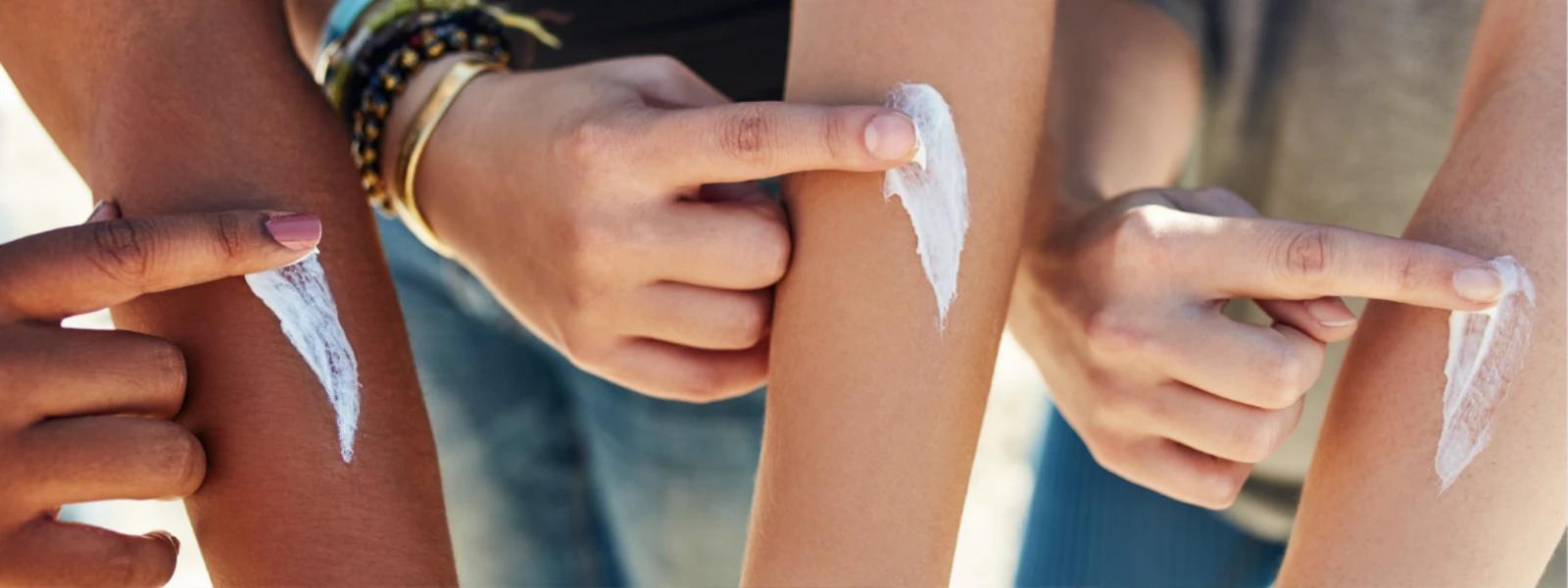
The biggest complaint? That chalky white cast that makes you look like you've applied face paint. Traditional mineral sunscreens with zinc oxide and titanium dioxide often leave an ashy residue that's particularly noticeable on darker skin tones. Then there's the texture issue - many sunscreens feel heavy, greasy, or leave a sticky residue that interferes with makeup application.
The good news is that sunscreen technology has evolved dramatically. Modern formulations are specifically designed to work beautifully on all skin tones, providing invisible protection without compromising on efficacy.
Chemical sunscreens absorb UV rays rather than reflecting them, making them virtually invisible on all skin tones. Look for formulas containing avobenzone, octinoxate, or newer ingredients like zinc oxide that's been micronised to prevent white cast. These formulations blend seamlessly into melanin-rich skin while providing broad-spectrum protection against both UVA and UVB rays.
Don't write off mineral sunscreens entirely. New formulations use micronised zinc oxide and titanium dioxide particles that are so small they become transparent on the skin. Some brands now offer tinted versions specifically designed for deeper skin tones, providing both sun protection and light coverage that enhances your natural complexion.
 100ml
100mlFace Wash for Dark Spots & Marks | Alpha Arbutin + Kojic Acid | Evens Skin Tone | Non-Stripping Gentle Formula | For All Skin Types | 100ml
Many brands now combine chemical and mineral filters to create lightweight, invisible formulas that offer superior protection. These hybrid sunscreens often include additional skincare benefits like niacinamide for brightening or hyaluronic acid for hydration, making them perfect for streamlining your morning routine.
Your specific skin concerns should guide your sunscreen choice. Whether you're dealing with oily skin, existing hyperpigmentation, or simply want an everyday formula that works under makeup, there's a perfect match for your needs.
If your skin tends to get shiny throughout the day, look for non-comedogenic formulas with mattifying properties. Gel-based or fluid sunscreens often work better than cream formulations, as they absorb quickly without adding extra oil to your skin. Some formulas include oil-absorbing ingredients like silica or clay that help control shine while protecting against UV damage.
For those dealing with post-inflammatory hyperpigmentation (PIH) or dark spots, your sunscreen choice becomes even more critical. Look for broad-spectrum formulas that protect against both UVA and UVB rays, as UVA rays are particularly responsible for triggering melanin production. Some sunscreens now include brightening ingredients like vitamin C or kojic acid to help prevent new dark spots while protecting existing ones from getting darker.
Your daily sunscreen should feel so comfortable that you forget you're wearing it. Lightweight, fast-absorbing formulas work best for everyday wear, especially if you plan to apply makeup over them. Look for sunscreens that double as primers or include skincare benefits to streamline your routine.
There's a persistent myth that people with darker skin don't need high SPF protection. This couldn't be further from the truth, especially when it comes to preventing hyperpigmentation and maintaining even skin tone.

Even Skin Duo for Hyperpigmentation | Even-Tone Inner Thighs, Knees, Neck & Elbows | Works on High-Friction Zones | For All Skin Types
SPF 50 blocks approximately 98% of UVB rays, compared to SPF 30's 97% protection. While this might seem like a small difference, that extra 1% can be significant for preventing the UV-triggered melanin production that leads to dark spots. For Indian climate conditions with intense sun exposure, dermatologists consistently recommend SPF 50 or higher for optimal protection.
The SPF number only tells you about UVB protection, but UVA rays are equally damaging to melanin-rich skin. Look for broad-spectrum formulas that protect against both types of UV radiation. In Asian markets, you'll also see PA++++ ratings, which indicate the level of UVA protection - aim for PA+++ or PA++++ for comprehensive coverage.
Even the best sunscreen won't work properly if it's not applied correctly. Most people use far less sunscreen than needed, which significantly reduces the level of protection they're actually getting.
For your face alone, you need about 1/4 teaspoon of sunscreen - that's roughly the size of a 50p coin. This might seem like a lot, especially if you're used to applying just a thin layer, but this amount is necessary to achieve the SPF protection listed on the bottle. Apply it as the last step in your skincare routine, about 15-20 minutes before sun exposure.
Sunscreen needs to be reapplied every two hours, or immediately after swimming or sweating. If you wear makeup, consider using a setting spray with SPF or a powder sunscreen for touch-ups. Some brands offer cushion compacts with SPF that make reapplication over makeup much easier.
The best sunscreen for melanin-rich skin is one that offers broad-spectrum SPF 50+ protection without leaving a white cast. Look for formulas specifically designed for darker skin tones, or chemical sunscreens that absorb completely into the skin. Many users with melanin-rich skin find success with lightweight, fluid formulations that blend seamlessly.
 30 ml
30 ml15% Vitamin C Face Serum | Brightens & Evens Skin Tone | Boosts Collagen & Firmness | Reduces Dark Spots | Vitamin C & E + Ferulic Acid | 30ml
Despite having natural melanin protection, SPF 50 or higher is recommended for dark skin tones. This level provides optimal protection against hyperpigmentation, uneven skin tone, and premature ageing. The myth that darker skin needs less protection has been thoroughly debunked by dermatological research.
Absolutely yes. While melanin provides some natural protection (equivalent to about SPF 7-13), it's not sufficient to prevent UV damage. Dark skin is particularly susceptible to hyperpigmentation from UV exposure, and sun protection is crucial for maintaining even skin tone and preventing premature ageing.
Choose mineral sunscreens with micronised zinc oxide or titanium dioxide, which create smaller particles that don't leave visible residue. Tinted formulas designed for deeper skin tones are another excellent option. Some brands now offer "invisible" mineral formulas specifically created to work on all skin tones.
While sunscreen primarily prevents new damage, it's essential for treating existing hyperpigmentation. UV exposure can darken existing spots and interfere with brightening treatments. Use sunscreen consistently alongside treatments containing vitamin C, niacinamide, or retinoids for best results.
Look for broad-spectrum protection with ingredients like avobenzone, zinc oxide, or titanium dioxide. Additional beneficial ingredients include niacinamide for brightening, hyaluronic acid for hydration, and antioxidants like vitamin C or vitamin E for extra protection against environmental damage.
Not necessarily. While some premium formulas offer superior textures or additional skincare benefits, many affordable options provide excellent protection for melanin-rich skin. Focus on finding a formula you'll use consistently rather than the most expensive option.
Reapply every two hours, just like any other skin tone. If you're swimming, sweating, or towelling off, reapply immediately. This is crucial for maintaining consistent protection throughout the day, especially for preventing hyperpigmentation.
Finding the right sunscreen for melanin-rich skin doesn't have to be a struggle. The key is understanding that your skin deserves the same level of protection as any other skin tone, just with formulations that work better for your specific needs. Whether you prefer chemical, mineral, or hybrid formulas, the most important factor is consistent daily use.
Remember, the best sunscreen is the one you'll actually use every day. Don't be afraid to try different formulations until you find your perfect match. Your skin will thank you for the protection, and you'll notice the difference in maintaining an even, healthy complexion over time. With platforms like Smytten, you can explore different sunscreen options through samples before committing to full sizes, making it easier than ever to find your ideal sun protection without the guesswork.
