Acne Scar Prevention Tips FAQ: Your Guide to Clearer Skin
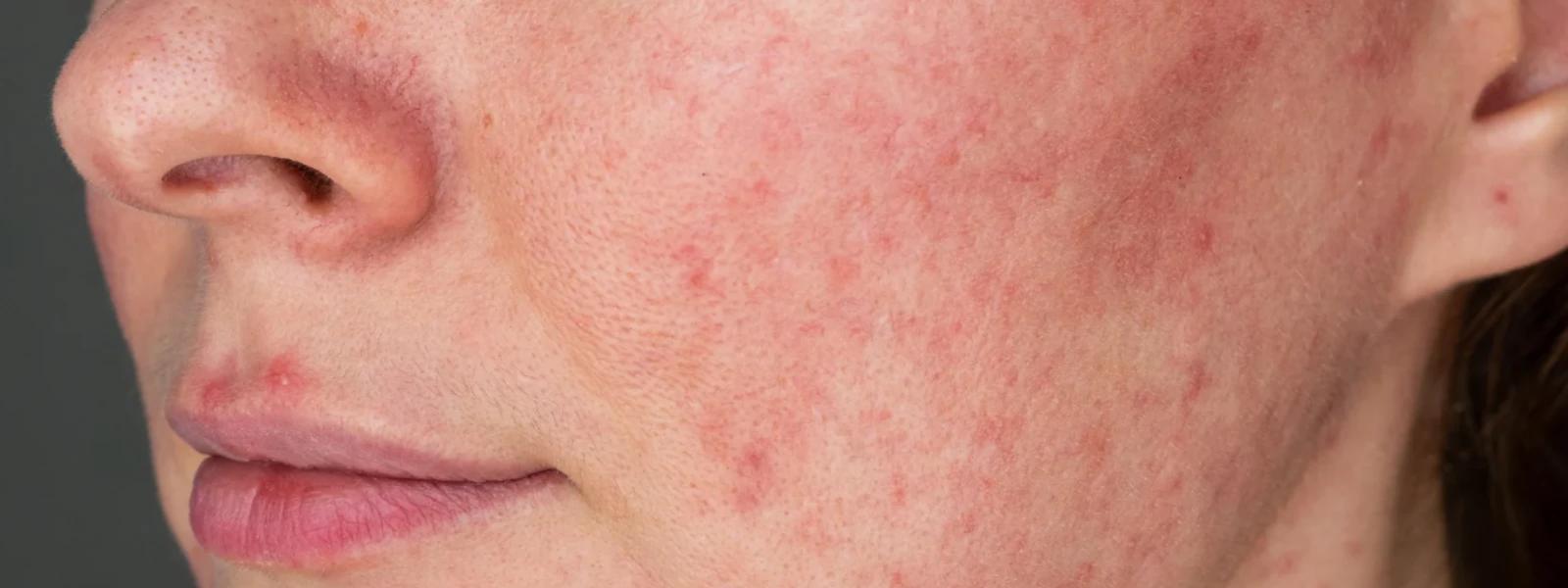

That moment when you're staring at your reflection, wondering if those dark spots will fade or if they're here to stay forever. We've all been there – dealing with the aftermath of a particularly stubborn breakout, hoping our skin will bounce back to its former glory. The truth is, whilst some marks naturally fade with time, others can develop into permanent scars if we don't take the right steps early on. Understanding how to prevent acne scars isn't just about treating active breakouts; it's about creating a protective barrier for your skin's future.
Before diving into prevention strategies, it's crucial to understand what we're actually preventing. Acne scars form when inflammatory acne damages the deeper layers of skin, disrupting normal collagen production and healing processes. This isn't just surface-level damage – it's your skin's structure being altered at a cellular level.
Acne scars develop when inflamed blemishes penetrate deep into the skin, damaging surrounding tissue. Your body attempts to repair this damage by producing collagen, but sometimes it produces too little (creating depressed scars) or too much (forming raised scars). The key factor here is inflammation – the more severe and prolonged the inflammation, the higher the risk of permanent scarring.
Ice pick scars appear as small, deep holes in the skin, whilst rolling scars create wave-like depressions. Boxcar scars are broader depressions with defined edges. Each type requires different prevention and treatment approaches, which is why early intervention matters so much.
Certain factors make you more prone to scarring: genetics, skin type, severity of acne, and how you handle breakouts. People with darker skin tones may be more susceptible to post-inflammatory hyperpigmentation, whilst those with fair skin might develop more textural scarring.
Prevention truly is better than cure when it comes to acne scarring. These fundamental strategies can significantly reduce your risk of developing permanent marks, regardless of your skin type or acne severity.
This might be the hardest rule to follow, but it's absolutely crucial. When you pick at a spot, you're forcing infected material deeper into the skin and creating additional trauma. The temporary satisfaction isn't worth the potential permanent damage. If you must extract something, see a professional or use proper tools with clean hands.
The sooner you address breakouts, the less likely they are to cause lasting damage. This means having a consistent skincare routine that includes gentle cleansing, appropriate actives, and regular moisturising. Don't wait for acne to become severe before taking action.
Harsh scrubbing and aggressive products can worsen inflammation and increase scarring risk. Look for products labelled non-comedogenic and avoid anything that makes your skin feel tight or irritated. Your skin should feel comfortable after cleansing, not stripped or raw.
SPF isn't just about preventing premature ageing – it's essential for scar prevention. UV exposure can darken acne marks and slow healing, making temporary marks more likely to become permanent. Use at least SPF 30 every day, even when it's cloudy.
A well-structured routine forms the foundation of scar prevention. The key is consistency and patience – your skin needs time to respond to new products and heal from existing damage.
Start with a gentle cleanser to remove overnight buildup without stripping your skin. Follow with a lightweight moisturiser containing niacinamide to control oil production and reduce inflammation. Always finish with broad-spectrum sunscreen. This simple routine protects your skin throughout the day whilst supporting its natural healing processes.
Evenings are perfect for incorporating active ingredients that support cell turnover and prevent clogged pores. Retinoids are particularly effective for preventing both acne and scarring by promoting healthy cell turnover. Start slowly – perhaps twice a week – and gradually increase frequency as your skin adjusts.
Beyond retinoids, several ingredients excel at scar prevention. Vitamin C supports collagen production and fades existing marks. AHAs gently exfoliate to prevent clogged pores and improve skin texture. Peptides support skin repair processes. The key is introducing these gradually and monitoring how your skin responds.
Sometimes home care isn't enough, and professional intervention becomes necessary. Recognising when to seek help can prevent minor issues from becoming major concerns.
If you're experiencing cystic acne, widespread breakouts, or notice early signs of scarring, it's time to see a professional. Dermatologists can prescribe stronger treatments and provide procedures that aren't available over the counter. Early professional intervention often prevents the need for more intensive scar treatments later.
Professional treatments like chemical peels and microneedling can address both active acne and early scarring. These procedures work by promoting controlled healing and collagen production. They're particularly effective when combined with a good home routine.
The market is flooded with products claiming to prevent or treat acne scars. Understanding which ingredients actually work can save you time, money, and potential skin irritation.
Look for products containing proven ingredients like retinol, vitamin C, niacinamide, and salicylic acid. These ingredients have scientific backing and can be effective when used consistently. Brands available through platforms like Smytten often offer trial sizes, allowing you to test products before committing to full sizes.
Whilst many home remedies lack scientific support, a few show promise. Honey has antimicrobial properties, whilst aloe vera can soothe inflammation. However, these should complement, not replace, proven skincare ingredients. Always patch test before applying anything new to your face.
The most effective prevention involves treating acne early, never picking at spots, using gentle skincare products, and protecting your skin with daily SPF. Consistent use of ingredients like retinoids and niacinamide also supports healthy skin turnover and reduces inflammation.
Whilst significant improvement is possible, complete removal depends on the type and depth of scarring. Shallow scars respond better to treatment than deep ice pick scars. Prevention remains the best strategy, as it's always easier to prevent scars than to treat them.
Some acne scars can be permanent without treatment, particularly deeper textural scars. However, many marks that appear to be scars are actually post-inflammatory hyperpigmentation, which fades over time with proper care and sun protection.
Products containing retinoids, vitamin C, or AHAs tend to be most effective for preventing and treating acne scars. The "best" product depends on your skin type and specific concerns. Starting with gentler formulations and gradually increasing strength often yields better results than jumping straight to high-concentration products.
If you've already picked at a spot, immediately clean the area with a gentle cleanser, apply a thin layer of antibiotic ointment if available, and protect it from sun exposure. Keep the area moisturised and avoid further picking. Consider using a hydrocolloid patch to protect the healing skin.
Post-inflammatory marks typically fade within 3-6 months with proper care, whilst true textural scars may require professional treatment. Consistent use of appropriate skincare ingredients can accelerate the fading process, but patience is essential.
Preventing acne scars is ultimately about creating the right environment for your skin to heal properly. This means treating breakouts gently but effectively, protecting your skin from further damage, and being patient with the healing process. Remember, the products and routines that work for others might not work for you – skincare is deeply personal.
Platforms like Smytten make it easier to discover what works for your skin without the commitment of full-sized purchases. With access to trial sizes from premium brands and a community of over 28 million users sharing their experiences, you can build a routine that truly supports your skin's health. The key is starting early, staying consistent, and remembering that healthy skin is a journey, not a destination.
