Acne Prone Skin Explained: Your Complete FAQ Guide
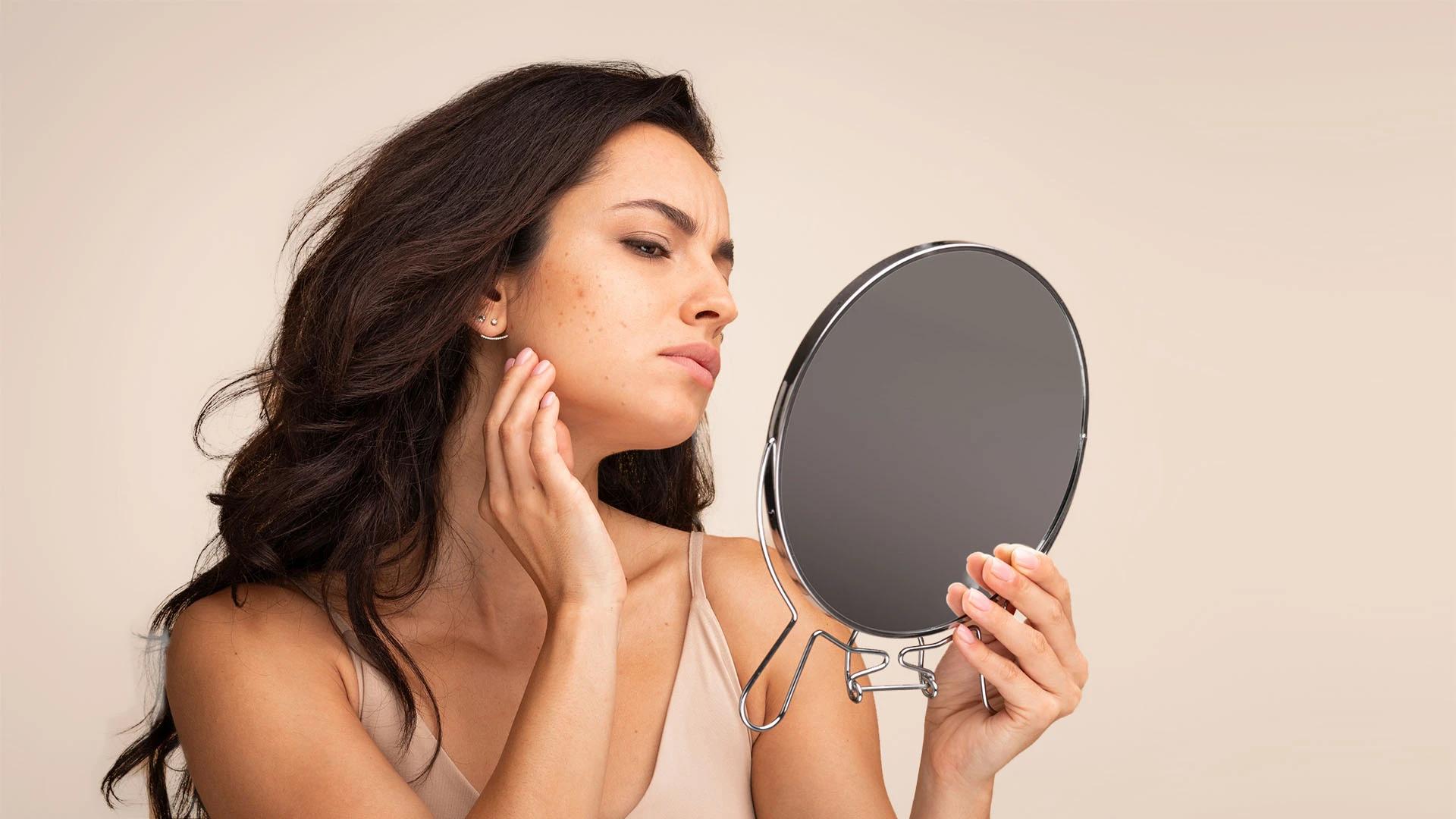

That moment when you catch your reflection and wonder why your skin seems to have its own agenda — breaking out in places you didn't even know could get spots, or clearing up only to surprise you with new bumps the next week. If this sounds familiar, you're likely dealing with acne prone skin, and you're definitely not alone. Understanding what's actually happening beneath the surface can transform how you approach your skincare routine and, more importantly, how you feel about your skin's journey.
Acne prone skin explained simply means your skin has a higher tendency to develop various types of breakouts due to specific biological and environmental factors. Unlike occasional spots that pop up during stressful periods, acne-prone skin consistently shows patterns of congestion, inflammation, and breakouts across different areas of your face and sometimes body.
This skin type isn't just about having oily skin — though the two often go hand in hand. Many people with combination or even sensitive skin can be acne-prone, which explains why that gentle moisturiser your friend swears by might still cause you to break out.
Your skin might be acne-prone if you notice these patterns:
Excess sebum production that leaves your skin feeling greasy by midday, especially in the T-zone
Visible pores that seem to collect dirt and oil more readily than others
Frequent blackheads and whiteheads, particularly around the nose, chin, and forehead
Inflammatory responses where small bumps quickly become red, painful spots
Slow healing where marks and spots linger for weeks rather than days
Acne-prone skin often has a slightly thicker texture with more pronounced pores, especially around the nose and cheeks. You might notice your skin looks shiny or feels tacky to touch, particularly after cleansing. Common problem areas include the T-zone, jawline (hello, hormonal acne), and sometimes the chest and back.
Real talk — understanding the causes of acne isn't just academic curiosity. When you know what's actually happening in your pores, you can make smarter choices about products and treatments that actually work for your skin type.
Acne formation involves four key processes that often happen simultaneously, creating the perfect storm for breakouts.
Sebum is your skin's natural oil, and whilst everyone produces it, acne-prone skin tends to overproduce. This often links to hormonal fluctuations — which explains why your skin might behave differently during your cycle, times of stress, or major life changes. Genetics also play a role; if your parents dealt with acne, you're more likely to as well.
This fancy term describes when dead skin cells stick together instead of shedding naturally. These sticky cells combine with excess oil to form plugs in your pores — the beginning of every blackhead and whitehead. This process can be influenced by hormones, certain skincare ingredients, and even environmental factors like humidity.
Propionibacterium acnes (P. acnes) is a bacteria that naturally lives on everyone's skin, but it thrives in the oxygen-free environment of clogged pores. When these bacteria multiply, they trigger inflammation and turn a simple clogged pore into an angry, red spot.
Your immune system recognises the bacterial overgrowth and responds with inflammation — the redness, swelling, and pain associated with cystic acne and deeper breakouts. This inflammatory response can vary greatly between individuals, explaining why some people get mild blackheads whilst others develop painful cysts.
Not all spots are created equal, and understanding the types of acne helps you choose the right treatments and set realistic expectations for healing times.
Blackheads (open comedones) form when pores are partially blocked, allowing the trapped material to oxidise and turn dark. Despite their appearance, the dark colour isn't dirt — it's oxidised oil and dead skin cells. Whiteheads (closed comedones) occur when pores are completely blocked, creating small, flesh-coloured bumps under the skin's surface.
Papules are small, red, tender bumps without a visible head, whilst pustules are similar but contain pus. Nodules are larger, deeper, and more painful, often feeling like hard lumps under the skin. Cystic acne represents the most severe form — large, pus-filled lesions that can cause scarring and take weeks to heal.
Hormonal acne typically appears along the jawline, chin, and lower cheeks, often flaring before menstrual cycles. This type tends to be deeper and more inflammatory than other forms.
Building an effective skin care routine for acne isn't about using the harshest products available — it's about consistency, patience, and choosing ingredients that work with your skin rather than against it.
Start with a gentle cleanser containing salicylic acid or another BHA to help clear pores without over-drying. Follow with a lightweight, non-comedogenic moisturiser — yes, even acne-prone skin needs hydration. Finish with broad-spectrum SPF of at least 30, as many acne treatments increase sun sensitivity.
Double cleansing can be beneficial if you wear makeup or sunscreen. Start with an oil-based cleanser, then follow with your regular cleanser. This is when you'd apply any treatment serums containing ingredients like niacinamide, retinoids, or benzoyl peroxide. Always introduce new actives gradually to avoid irritation.
Gentle exfoliation once or twice weekly can help prevent pore blockages. Look for AHA or BHA treatments rather than physical scrubs, which can irritate inflamed skin. Clay masks can also help absorb excess oil, but limit use to once weekly to avoid over-drying.
The best face wash for acne isn't necessarily the one that makes your skin feel 'squeaky clean' — that tight feeling often indicates you've stripped your skin's natural barrier, which can actually worsen breakouts.
Salicylic acid penetrates pores to dissolve oil and dead skin cells, making it excellent for preventing blackheads and whiteheads. Benzoyl peroxide kills acne bacteria but can be drying, so start with lower concentrations. For sensitive skin acne, look for gentle surfactants and avoid harsh sulfates that can cause irritation.
Steer clear of alcohol-based cleansers, harsh sulfates like sodium lauryl sulfate, and heavily fragranced products. These can disrupt your skin barrier and trigger more oil production. Also avoid physical scrubs with rough particles that can micro-tear inflamed skin.
Use lukewarm water and gentle, circular motions. Cleanse for about 30 seconds, rinse thoroughly, and pat dry with a clean towel. Cleanse twice daily — more frequent washing can actually stimulate more oil production.
Effective acne treatment often requires a multi-pronged approach, combining the right products with lifestyle adjustments and sometimes professional intervention.
Adapalene (a topical retinoid) is now available without prescription and helps prevent pore blockages whilst reducing inflammation. Chemical exfoliants like salicylic acid and glycolic acid help remove dead skin cells and unclog pores. Spot treatments containing benzoyl peroxide or tea tree oil can target individual breakouts.
For persistent or severe acne, dermatologists might prescribe topical antibiotics, stronger retinoids, or oral medications. Professional treatments like chemical peels or extractions can also be beneficial. The key is knowing when to seek professional help — generally, if over-the-counter treatments haven't shown improvement after 8-12 weeks.
Learning how to prevent acne involves understanding your personal triggers and making small adjustments that support your skin's health long-term.
Change your pillowcase regularly, avoid touching your face throughout the day, and clean your phone screen frequently. Whilst diet doesn't directly cause acne for everyone, some people find that dairy or high-glycemic foods trigger breakouts. Stress management through exercise, meditation, or adequate sleep can also help regulate hormones that influence oil production.
Choose non-comedogenic makeup and skincare products. Be mindful of hair products that might transfer to your face, especially along the hairline. When trying new products, introduce them one at a time so you can identify any that trigger breakouts.
Many people see significant improvement in their acne-prone skin with consistent care and the right products. Whilst some may always need to be mindful of their skincare choices, severe breakouts often diminish with proper treatment and time.
Absolutely — and you should. Skipping moisturiser can actually worsen acne by triggering increased oil production. Look for lightweight, non-comedogenic formulas that won't clog pores.
Most treatments require 6-12 weeks to show significant improvement. Some people notice changes sooner, but patience is key — your skin needs time to complete its natural renewal cycle.
Yes, gentle cleansers can be very effective, especially for sensitive or inflamed acne-prone skin. The goal is removing excess oil and impurities without disrupting your skin barrier.
Definitely. Sensitive skin acne requires extra care in product selection, focusing on gentle, fragrance-free formulas that won't trigger irritation alongside breakouts.
Whilst they often overlap, oily skin simply produces excess sebum, whereas acne-prone skin has a tendency to develop actual breakouts. You can have oily skin without being acne-prone, and some acne-prone skin isn't particularly oily.
Understanding your acne-prone skin is the first step towards managing it effectively. Remember that everyone's skin is different — what works for your friend might not work for you, and that's completely normal. The key is patience, consistency, and being willing to adjust your approach as you learn what your skin responds to best.
At Smytten, you can explore curated acne skincare products from trusted brands without committing to full sizes immediately. With over 28 million users discovering their perfect skincare matches through samples, you can try different formulations to find what truly works for your unique skin needs. Your skin's journey is worth investing in — and with the right knowledge and products, clearer skin is absolutely achievable.
