Acne Care Routine For Clear Skin: Your Questions Answered
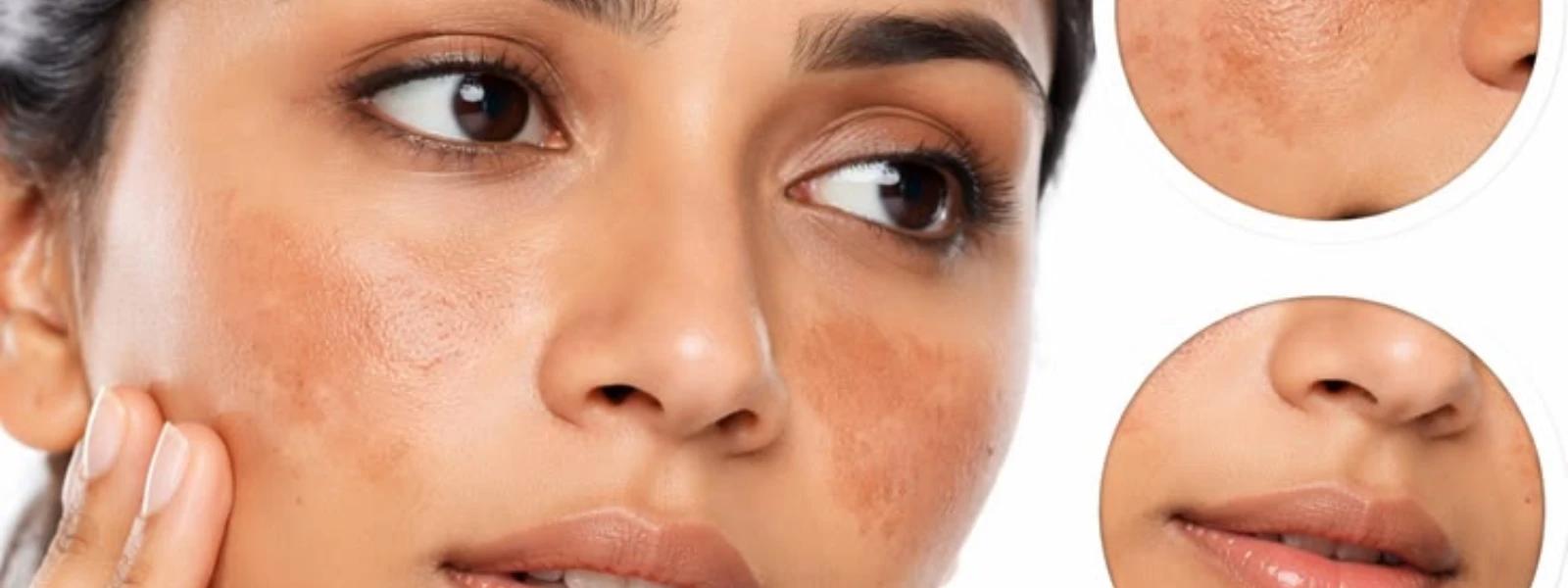

That moment when you catch your reflection and notice another breakout forming—we've all been there. Whether it's stress-induced spots before a big presentation or hormonal acne that seems to follow your cycle religiously, finding the right acne care routine can feel overwhelming. With countless products promising miraculous results and conflicting advice everywhere, it's no wonder many people feel frustrated with their skin journey. The good news? Building an effective routine doesn't require a chemistry degree or a massive budget—just the right knowledge and a bit of patience.
Before diving into product recommendations and routines, it's worth understanding what actually causes acne. Think of it as knowing your opponent before entering the ring. Acne treatment becomes much more effective when you understand the underlying mechanisms at play.
The first pillar is excessive sebum production. Your sebaceous glands can go into overdrive due to hormones, genetics, or even over-cleansing that strips your skin and triggers more oil production. This creates the perfect environment for other acne-causing factors to flourish.
Hyperkeratinisation forms the second pillar—essentially, your skin cells start sticking together instead of shedding naturally. This creates plugs in your pores, trapping oil and bacteria inside. It's like having a blocked drain that can't clear itself properly.
The third pillar involves Propionibacterium acnes (P. acnes) bacterial overgrowth. These bacteria naturally live on your skin, but when trapped in clogged pores with plenty of oil to feed on, they multiply rapidly and cause infection.
Finally, skin inflammation occurs as your immune system responds to the bacterial overgrowth. This creates the redness, swelling, and pain associated with active breakouts. Understanding these four pillars helps explain why effective acne prevention requires a multi-pronged approach rather than just spot-treating individual blemishes.
If your skin feels like it could fry chips by midday, you'll need a routine that controls oil without completely stripping your skin. The key is finding that sweet spot between thorough cleansing and maintaining your skin barrier.
Your morning routine should start with an oil-control facial cleanser containing salicylic acid or benzoyl peroxide. Follow with a BHA toner to provide additional pore cleansing, then apply a lightweight, non-comedogenic moisturiser. Never skip SPF—many people with oily skin avoid sunscreen, but UV damage can actually worsen acne and post-inflammatory hyperpigmentation.
Evening routines can be more intensive. Start with thorough pore cleansing using a gentle but effective cleanser, apply your treatment serum (rotating between different actives to prevent irritation), and finish with a hydrating moisturiser. Key ingredients to look for include salicylic acid for exfoliation, niacinamide for oil regulation, and zinc for its anti-inflammatory properties.
Having both acne and sensitive skin can feel like a cruel joke, but it's more common than you might think. The trick is building tolerance gradually while still addressing breakouts effectively.
Choose soap-free, pH-balanced cleansers that won't disrupt your skin barrier. Look for formulations specifically designed for sensitive skin, often containing soothing ingredients like ceramides or centella asiatica. Redness reduction becomes just as important as treating active breakouts.
Always patch test new products on a small area first, and introduce actives slowly—perhaps starting with every third night and gradually increasing frequency. Avoid common irritants like fragrances, essential oils, and high concentrations of acids until you know how your skin responds.
Creating an effective daily routine doesn't mean using every acne-fighting ingredient at once. In fact, that's often counterproductive and can lead to irritation that makes breakouts worse. The best skin care routine for acne-prone skin follows a logical sequence that maximises ingredient effectiveness while minimising irritation.
Consistency matters more than perfection. It's better to stick with a simple routine religiously than to have an elaborate one you only follow sporadically. Your skin thrives on predictability, especially when dealing with acne.
Start with gentle cleansing using a facial cleanser appropriate for your skin type. If you're using active ingredients in the evening, your morning cleanser can be gentler—think of it as preparing your skin for the day ahead rather than deep treatment.
Apply any treatment products next, whether that's a spot treatment for individual blemishes or an all-over serum for acne prevention. Remember that some ingredients, like benzoyl peroxide, can bleach fabrics, so allow proper absorption time.
Moisturising comes third, even for oily skin. Look for lightweight, non-comedogenic formulas that provide hydration without clogging pores. Your skin needs moisture to function properly, and skipping this step can actually trigger more oil production.
Finish with broad-spectrum SPF 30 or higher. Sun protection is crucial for preventing post-inflammatory hyperpigmentation and protecting skin that may be more photosensitive due to active ingredients.
Evenings are when you can bring out the bigger guns for acne treatment. Start with double cleansing if you wear makeup or sunscreen—an oil-based cleanser first to dissolve makeup and SPF, followed by your regular water-based cleanser.
This is when you'll apply your active ingredients for intensive blemish control. Consider rotating different actives throughout the week rather than using everything at once. Monday might be retinoid night, Wednesday could be BHA, and Friday might feature benzoyl peroxide.
Follow with hydration and barrier repair products containing ceramides, hyaluronic acid, or peptides. Your skin does most of its repair work overnight, so providing the right building blocks is essential.
Overnight treatments can provide an extra boost for stubborn areas, but use them sparingly to avoid over-treating your skin.
While a solid at-home routine forms the foundation of clear skin, knowing when to seek professional help can save you months of frustration and prevent scarring. The key is understanding what you can realistically achieve at home versus what requires professional intervention.
Many people successfully manage mild to moderate acne with over-the-counter products and consistent routines. However, severe acne, cystic breakouts, or acne that's not responding to home treatment after 12 weeks warrants professional consultation.
Building an effective at-home routine doesn't require expensive products or complicated regimens. Focus on proven ingredients like salicylic acid for gentle exfoliation, benzoyl peroxide for bacterial control, and niacinamide for oil regulation and redness reduction.
Track your progress with photos and a skin journal. Note what you're using, how your skin responds, and any potential triggers like stress, diet changes, or hormonal fluctuations. This information becomes invaluable for fine-tuning your routine.
Lifestyle factors play a huge role in acne prevention. Regular exercise, adequate sleep, stress management, and a balanced diet all contribute to healthier skin. Don't underestimate the power of changing your pillowcase frequently or cleaning your phone screen regularly.
Professional treatments can address acne from angles that home care simply can't reach. Chemical peels, professional extractions, and light therapy can provide significant improvements, especially for stubborn cases.
Prescription treatments like topical retinoids, oral antibiotics, or hormonal therapies may be necessary for moderate to severe acne. These should always be used under professional supervision and often work best when combined with a solid home care routine.
Red flags requiring immediate professional consultation include painful cystic acne, scarring, acne that's getting progressively worse despite treatment, or emotional distress related to your skin condition.
Once you've mastered the basics, understanding advanced ingredients and techniques can take your acne care routine to the next level. However, more isn't always better—the key is using the right ingredients in the right way for your specific skin needs.
Ingredient layering requires careful consideration of pH levels, molecular sizes, and potential interactions. Some combinations can enhance effectiveness, while others can cause irritation or render ingredients inactive.
Salicylic acid remains one of the most effective BHA ingredients for acne-prone skin. Its ability to penetrate oil and exfoliate inside pores makes it particularly effective for blackheads and preventing new breakouts from forming.
Benzoyl peroxide provides powerful antibacterial action and helps control skin inflammation. Start with lower concentrations (2.5%) to minimise irritation while still achieving effective results.
Retinoids accelerate cell turnover and prevent comedone formation, making them excellent for both treating existing acne and preventing future breakouts. They also help with post-acne marks and overall skin texture.
Niacinamide regulates oil production, reduces redness, and strengthens the skin barrier. It's well-tolerated by most skin types and plays well with other active ingredients.
Most people start seeing initial improvements within 4-6 weeks, with significant changes typically occurring around the 12-week mark. However, your skin may go through a purging phase initially, where breakouts temporarily increase as your skin adjusts to new products. This is normal and usually subsides within 4-6 weeks. The key is consistency—stick with your routine long enough to see real results before making major changes.
While it's tempting to use every effective ingredient at once, this often leads to irritation and compromised skin barrier function. Safe combinations include niacinamide with most other actives, and vitamin C in the morning with retinoids at night. Avoid mixing retinoids with benzoyl peroxide or AHA/BHA acids in the same application, as this can cause excessive irritation. Instead, alternate these ingredients on different days or use them at different times of day.
Look for cleansers containing salicylic acid (0.5-2%) for gentle exfoliation, or benzoyl peroxide (2.5-5%) for antibacterial action. The cleanser should be pH-balanced (around 5.5) and free from harsh sulfates that can strip your skin. Gel cleansers work well for oily skin, while cream cleansers suit sensitive or combination skin better. Avoid cleansers with scrubbing particles, which can irritate inflamed skin and spread bacteria.
Prevention is always easier than treatment when it comes to scarring. Never pick or squeeze breakouts, as this increases inflammation and scarring risk. Use gentle extraction techniques if absolutely necessary, or better yet, leave extractions to professionals. Consistent sun protection is crucial, as UV exposure can darken post-inflammatory marks and delay healing. Ingredients like niacinamide, vitamin C, and retinoids can help prevent and fade post-acne marks when used consistently.
Building an effective acne care routine is more marathon than sprint. It requires patience, consistency, and often some trial and error to find what works best for your unique skin. Remember that what works for your friend or favourite influencer might not work for you—and that's perfectly normal.
The beauty industry offers countless options for every skin type and budget. Platforms like Smytten Shop make it easier to discover new products through samples and trials, helping you build a routine without the commitment of full-sized products. With over 28 million users exploring curated selections and earning cashback on purchases, finding your perfect acne care routine becomes less overwhelming and more exciting.
Your skin journey is unique, and achieving clear skin is absolutely possible with the right approach, patience, and products. Trust the process, listen to your skin, and remember that every small step towards healthier skin is worth celebrating.
