What is Self Care? Your Questions Answered


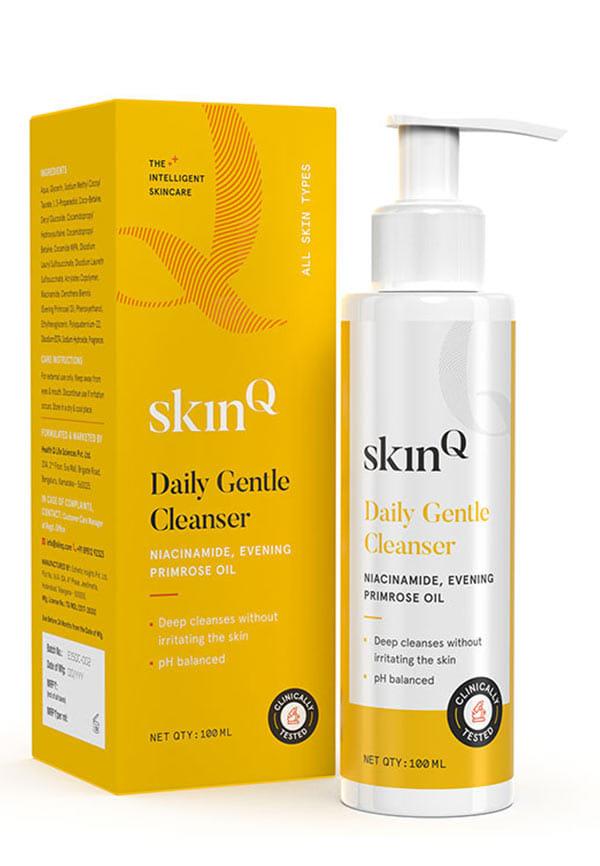
Daily Gentle Cleanser
Self care has become quite the buzzword lately, but what does it actually mean? Beyond the Instagram-worthy bubble baths and face masks, self care is a fundamental practice that affects every aspect of your wellbeing. It's about taking intentional steps to maintain your physical, mental, and emotional health—not just when you're stressed, but as a regular part of your life. Whether you're juggling work deadlines, family responsibilities, or just trying to navigate daily life, understanding what self care truly means can transform how you approach your health and happiness. At Smytten, we believe in making wellness accessible through trial-sized products that let you explore what works best for your unique self care journey.
Self care is intentional health management, not luxury—it's about maintaining your physical, mental, and emotional wellbeing through deliberate practices
There are five main types: physical, mental health, emotional, social, and spiritual self care, each addressing different aspects of your wellness
Effective self care strategies focus on building sustainable daily routines rather than overwhelming yourself with complex plans
Self care benefits include improved immune function, better stress management, enhanced productivity, and stronger emotional resilience
Starting small with 5-10 minute daily practices is more effective than attempting dramatic lifestyle changes all at once
Let's get real about the self care definition—it's not about expensive spa days or perfect morning routines you see on social media. According to the World Health Organisation, self care is the ability of individuals to promote health, prevent disease, maintain health, and cope with illness and disability. It's essentially taking responsibility for your own wellbeing through informed decisions and actions.
The biggest misconception? That self care is selfish or indulgent. Think of it like the oxygen mask analogy on aeroplanes—you need to put your own mask on first before helping others. Self care isn't about being self-centred; it's about being self-aware enough to recognise when you need to recharge so you can show up better for everything and everyone in your life.
Here's where people often get confused: self care versus self-indulgence. Self care involves making choices that genuinely benefit your long-term health and happiness, even when they're not immediately pleasurable. That might mean going to bed early instead of binge-watching another series, or having a difficult conversation instead of avoiding conflict. Self-indulgence, on the other hand, is about immediate gratification without considering the consequences.
Real self care is intentional and consistent. It's about creating sustainable practices that support your overall wellbeing, not just quick fixes when you're already burnt out. This means regular check-ins with yourself, setting boundaries, and making choices that align with your values and long-term goals.
The importance of self care isn't just feel-good advice—there's solid science backing up why it matters for your health. Research consistently shows that people who practice regular self care have stronger immune systems, better sleep quality, and higher energy levels throughout the day.
From a mental health perspective, self care practices significantly reduce cortisol levels (your stress hormone) and improve cognitive function. Studies have found that people who engage in regular self care activities show better memory, improved focus, and enhanced problem-solving abilities. Your brain literally functions better when you're taking care of yourself properly.
Your body responds incredibly well to consistent self care. Regular sleep, proper nutrition, and movement boost your immune system's ability to fight off illness. People who prioritise physical self care report fewer sick days and recover faster when they do get unwell.
Mental health self care practices like mindfulness, journaling, or even just taking regular breaks can reduce anxiety and depression symptoms. These activities help regulate your nervous system and build resilience against daily stressors.
Emotional self care helps you process feelings more effectively and bounce back from setbacks faster. When you're emotionally well-cared for, you're less likely to react impulsively and more likely to respond thoughtfully to challenging situations.
Perhaps most surprisingly, the benefits of self care extend to productivity and performance. Contrary to the belief that self care takes time away from important tasks, research shows that people who practice regular self care are more efficient, creative, and effective in their work and personal lives. It's the classic case of working smarter, not harder.
Understanding different types of self care helps you create a more balanced approach to your wellbeing. Think of these as different dimensions that all contribute to your overall health—neglecting one area often affects the others.
Each type addresses specific needs, and you'll likely find some resonate more with you than others. That's completely normal and expected. The goal isn't to excel in every area simultaneously but to be aware of all dimensions and notice when you might need more attention in a particular area.
Physical self care forms the foundation of your wellbeing. This includes getting adequate sleep (7-9 hours for most adults), eating nourishing foods, staying hydrated, and moving your body regularly. It also means attending medical appointments, taking prescribed medications, and listening to your body's signals for rest or activity.
Mental health self care involves activities that keep your mind sharp and stress levels manageable. This might include meditation, reading, learning new skills, or practicing mindfulness. Digital detoxes and screen breaks also fall into this category, giving your brain time to rest and reset from constant stimulation.
Emotional self care is about processing feelings healthily and building emotional resilience. This includes setting boundaries, practicing self-compassion, engaging in creative activities, and allowing yourself to feel emotions without judgement. Therapy, journaling, and talking with trusted friends are all forms of emotional self care.
Humans are social creatures, and social self care recognises this need for connection. This involves nurturing relationships that energise you, setting boundaries with people who drain you, and finding your community. It also includes balancing social time with alone time based on your personality and current needs.
Spiritual self care doesn't necessarily mean religion—it's about connecting with your values, purpose, and something larger than yourself. This might involve spending time in nature, practicing gratitude, volunteering, or engaging in activities that align with your core beliefs and values.
Creating effective self care strategies starts with honest self-assessment. Take a moment to consider which areas of your life feel most neglected or stressed. Are you constantly tired? Feeling emotionally overwhelmed? Struggling with relationships? Your answers will guide where to focus your initial efforts.
The key to sustainable self care is starting small. Instead of overhauling your entire routine, pick one or two simple practices you can realistically maintain. This might be a 5-minute morning meditation, drinking an extra glass of water each day, or setting a consistent bedtime. Small, consistent actions create lasting change more effectively than dramatic gestures.
Your daily self care routine should feel supportive, not overwhelming. Start by identifying natural transition points in your day where you can insert brief self care moments. This might be deep breathing before checking emails, stretching after lunch, or writing three things you're grateful for before bed.
Remember that effective self care looks different for everyone. What energises your friend might drain you, and that's perfectly fine. Pay attention to how different activities make you feel and adjust accordingly. Some people find exercise energising; others find it depleting. Some love social gatherings; others prefer quiet time alone.
Track your progress without becoming obsessive about it. Notice patterns in your mood, energy levels, and overall wellbeing as you implement new practices. This awareness helps you identify what's working and what might need adjustment. Be patient with yourself—building new habits takes time, and setbacks are part of the process.
Self care doesn't require hours of free time or significant financial investment. Here are practical self care tips that work for different situations and lifestyles, proving that taking care of yourself can fit into any schedule or budget.
For busy professionals, self care might look like taking actual lunch breaks, using commute time for podcasts or music you enjoy, or keeping healthy snacks at your desk. Even setting boundaries around email checking can be a powerful form of self care.
Deep breathing exercises, gentle stretching, listening to a favourite song, stepping outside for fresh air, or writing in a gratitude journal. These micro-moments of self care can shift your entire day when practiced consistently.
Taking a warm bath, going for a walk in nature, calling a friend, cooking a nourishing meal, or practicing free online yoga videos. Self care doesn't have to cost money—often the most effective practices are completely free.
Asking for help when needed, taking short breaks even if it's just hiding in the bathroom for five minutes, connecting with other parents, or practicing self-compassion when things don't go as planned. Remember, taking care of yourself models healthy behaviour for those you're caring for.
Self-care means taking deliberate actions to maintain and improve your physical, mental, and emotional health. It's about making conscious choices that support your wellbeing, from basic needs like sleep and nutrition to emotional practices like setting boundaries and processing feelings. Self-care is proactive health management, not reactive crisis intervention.
Five practical examples include: getting adequate sleep each night, eating regular nutritious meals, setting boundaries with work or social commitments, practicing mindfulness or meditation, and engaging in physical activity you enjoy. These cover different dimensions of wellbeing and can be adapted to fit any lifestyle or schedule.
The seven pillars typically include physical health, emotional wellbeing, mental stimulation, spiritual connection, social relationships, professional development, and environmental care. Each pillar supports the others—for example, physical health affects emotional wellbeing, while social connections impact mental health. Balancing attention across all pillars creates comprehensive self-care.
The four fundamental basics are sleep, nutrition, movement, and stress management. These form the foundation of self-care because they directly impact your ability to function and feel well. Master these basics before adding more complex self-care practices, as they provide the energy and stability needed for other wellness activities.
Start with micro-habits that take less than five minutes and attach them to existing routines. For example, practice deep breathing while your coffee brews, stretch while watching TV, or listen to calming music during your commute. The key is consistency over duration—small daily actions create more impact than occasional lengthy sessions. Available on Smytten, you'll find trial-sized wellness products that make it easy to experiment with new self-care practices without committing to full-size purchases.
While the core principles remain the same, social expectations and life circumstances can influence how self-care is practiced and perceived. Everyone benefits from the same fundamental practices—sleep, nutrition, movement, and emotional processing—but the specific activities and approaches may vary based on individual preferences, cultural background, and life situation rather than gender alone.
Self care isn't a luxury or indulgence—it's essential health management that affects every aspect of your life. The most effective approach focuses on consistency over perfection, starting with small, sustainable practices rather than dramatic lifestyle overhauls. Remember that self care looks different for everyone, so pay attention to what genuinely makes you feel better rather than following someone else's routine.
The five types of self care—physical, mental health, emotional, social, and spiritual—work together to support your overall wellbeing. You don't need to excel in every area simultaneously, but awareness of all dimensions helps you identify where you might need more attention. Building a personal self care plan starts with honest self-assessment and grows through experimentation and adjustment.
Most importantly, self care is an ongoing practice, not a destination. There will be days when you struggle to maintain your routines, and that's completely normal. The goal is progress, not perfection, and every small step towards better self care counts towards your long-term wellbeing.
Your self care journey is uniquely yours, and finding what works best takes time and experimentation. Smytten makes this exploration easier by offering trial-sized wellness products from trusted brands, letting you discover new self care essentials without the commitment of full-size purchases. With over 1,500 brands available and 100% cashback on trial minis, you can explore everything from skincare routines to aromatherapy products that support your wellbeing. Whether you're looking to try new mindfulness tools, skincare products for your self care routine, or wellness supplements, Smytten's curated trial packs help you find what truly works for your lifestyle. After all, why settle for guessing what might work when you can try it all and discover your perfect self care routine?
