Step-by-Step Guide: Vitamins for Skin Whitening


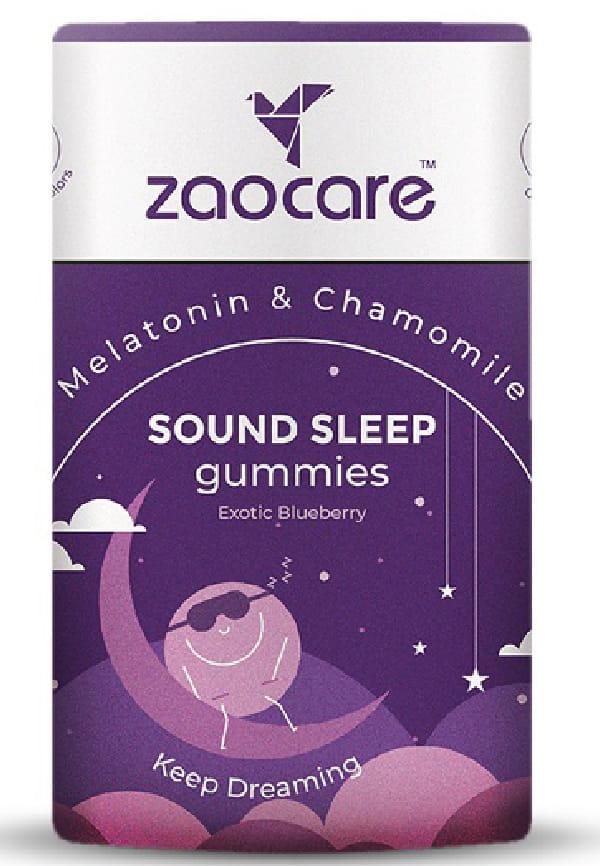 30 Gummies
Sound Sleep Gummies | Non Habit Forming | Plant Based | With Melatonin, Chamomile & Ashwagandha
Ever scrolled through your feed and wondered how some people get that perfect, even-toned glow? Let's be real—achieving radiant skin isn't just about what you put on your face. The real magic often happens from within, through the right vitamins and nutrients. If you're curious about vitamins for skin whitening and how they might transform your skincare game, you're in the right place. This guide breaks down everything you need to know about using dietary supplements for even skin tone, from the science behind it to which nutrients are actually worth a try.
Skin whitening, or more accurately skin brightening, is all about achieving a more even, luminous complexion. It's not about changing your natural skin colour—it's about addressing dark spots, uneven patches, and dullness that can make your skin look tired. Your skin tone is primarily determined by melanin, the pigment that gives your skin its colour.
Here's where vitamins come into play. Certain vitamins and nutrients can influence how your skin produces melanin, repairs itself, and maintains that healthy glow. Think of them as your skin's support team, working behind the scenes to keep things balanced and bright. Natural skin brightening supplements work by providing your body with the building blocks it needs for healthy skin cell turnover and protection against damage.
Not all vitamins are created equal when it comes to skin brightening. Some are absolute game-changers, whilst others play supporting roles. Let's dive into the ones that actually make a difference.
If there's one vitamin that deserves the spotlight, it's **vitamin C for skin lightening**. This antioxidant superstar doesn't just boost your immune system—it's brilliant for your skin too. Vitamin C works by inhibiting tyrosinase, the enzyme responsible for melanin production, which means it can help fade dark spots and prevent new ones from forming.
You can find vitamin C in citrus fruits, berries, and leafy greens, but supplements might be worth considering if you want targeted results. Look for forms like L-ascorbic acid or magnesium ascorbyl phosphate in your oral skin lightening products.
**Vitamin E** is vitamin C's best mate—they work brilliantly together. This fat-soluble vitamin protects your skin from oxidative stress and helps maintain that healthy barrier function. It's particularly good at preventing UV damage, which is often the culprit behind uneven skin tone.
Nuts, seeds, and vegetable oils are rich sources, but if you're taking vitamin C supplements, adding vitamin E creates a powerful antioxidant duo that might just become your skin's new favourite combination.
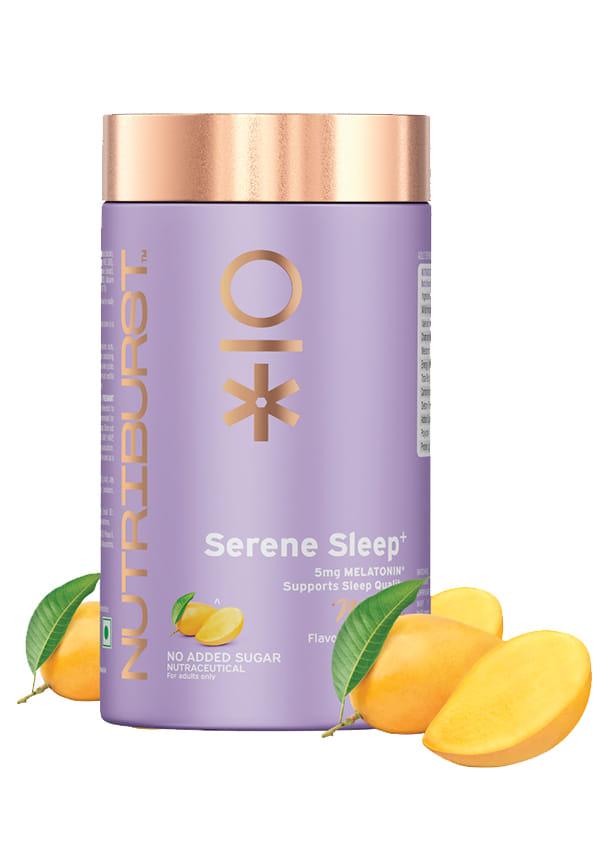 Pack of 30
Serene Sleep Gummies Bottles
**Vitamin A** is the ultimate multitasker for skin health. It speeds up cell turnover, which means old, pigmented cells are replaced with fresh, new ones more quickly. This process can help fade hyperpigmentation and create a more even complexion over time.
You'll find vitamin A in orange vegetables like carrots and sweet potatoes, plus liver and dairy products. Just remember—with vitamin A supplements, less is often more. Too much can cause skin irritation, so stick to recommended doses.
**Glutathione for fair complexion** has become quite the buzzword, and for good reason. This powerful antioxidant is naturally produced by your liver and is often called the "master antioxidant" because it regenerates other antioxidants in your body. When it comes to skin brightening, glutathione works by switching melanin production from the darker eumelanin to the lighter pheomelanin.
Your body makes glutathione naturally, but levels can decrease with age, stress, and poor diet. Supplementation might help, though the jury's still out on how well oral glutathione supplements are absorbed. Some people swear by them, whilst others find topical applications more effective. If you're considering glutathione supplements, chat with a healthcare professional first—they can advise on dosage and whether it's right for you.
**Collagen supplements for radiant skin** are everywhere right now, and there's a good reason behind the hype. Collagen is the protein that keeps your skin plump, firm, and smooth. As we age, our natural collagen production slows down, leading to wrinkles, sagging, and sometimes uneven texture that can make skin look dull.
Whilst collagen supplements won't directly lighten your skin, they can improve overall skin quality and radiance. Better skin texture and hydration can make your complexion appear brighter and more even. Marine collagen, bovine collagen, and plant-based alternatives are all available—choose based on your dietary preferences and needs.
Beyond the main players, several other skin brightening nutrients deserve a mention. These might not be the stars of the show, but they're definitely worth having in your supporting cast.
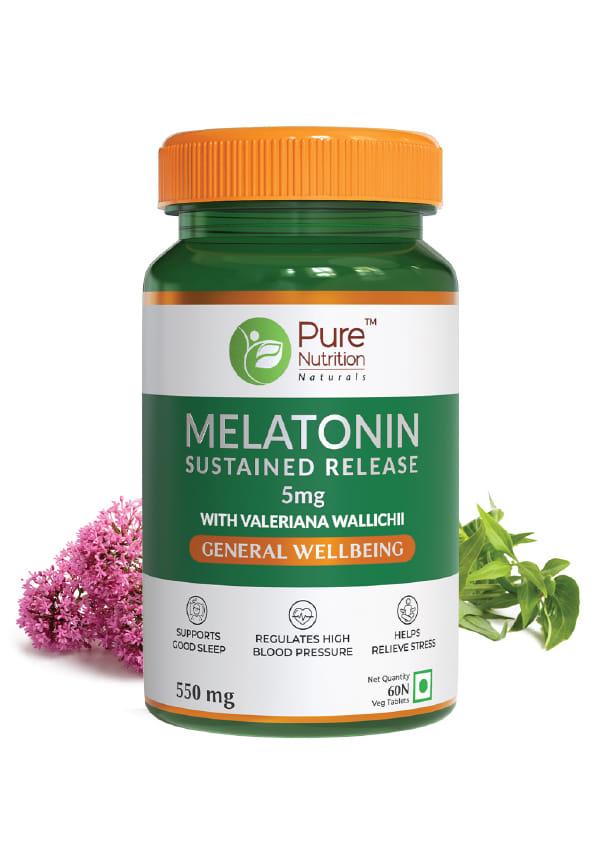 Pack of 60
Melatonin 5mg Sleep supplement for Men & Women
The **B vitamins** are brilliant for overall skin health. Vitamin B3 (niacin) can help reduce hyperpigmentation and improve skin texture, whilst B5 (pantothenic acid) supports skin barrier function. These melanin inhibiting vitamins work gently but effectively over time.
You'll find B vitamins in whole grains, meat, eggs, and leafy vegetables. A good B-complex supplement can ensure you're getting all the varieties your skin needs.
**Vitamin D** might not directly brighten your skin, but it's crucial for overall skin health. Deficiency can lead to various skin issues that might make your complexion look uneven or dull. Most of us get vitamin D from sunlight, but supplements can help during darker months.
Real talk—there's no magic pill that will transform your skin overnight. The best approach combines multiple **antioxidants for skin glow** with a balanced diet and good skincare habits. Think of it as creating a holistic routine that supports your skin from every angle.
Start with a good foundation: plenty of water, a diet rich in fruits and vegetables, and consistent skincare. Then, consider which supplements might fill the gaps. You might try a vitamin C supplement in the morning, paired with vitamin E, and perhaps add collagen peptides to your evening routine. The key is consistency and patience—skin brightening nutrients need time to work their magic.
Before you start popping **skin whitening pills** like sweets, let's chat about safety. More isn't always better when it comes to vitamins. Fat-soluble vitamins like A, D, E, and K can build up in your body, potentially causing issues if you take too much.
Some people might experience stomach upset with certain supplements, especially when taken on an empty stomach. Vitamin C can cause digestive issues in high doses, and too much vitamin A can lead to skin irritation or even more serious health problems. Always stick to recommended dosages and consider consulting a healthcare professional, especially if you're taking other medications or have underlying health conditions.
The debate between natural and synthetic supplements is ongoing, but here's the thing—your body often can't tell the difference. What matters more is the quality, purity, and bioavailability of the supplement. Natural doesn't always mean better, and synthetic doesn't automatically mean inferior.
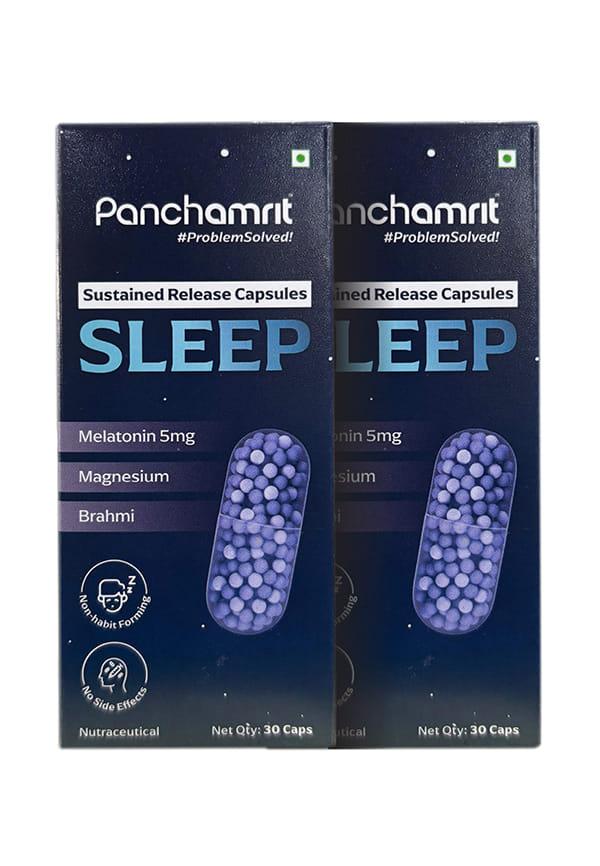 30 N*2
Sustained Release Capsule For Sleep with 5mg Melatonin, 30mg Valerian Root |Deep, Relaxing, Undisturbed Sleep |Non-Habit Forming
Look for reputable brands that third-party test their products. Check for certifications and read labels carefully. Sometimes, synthetic vitamins are actually more stable and better absorbed than their natural counterparts. The most important factor is choosing supplements that work for your body and your budget.
Vitamin supplements can support skin brightening, but they're not miracle workers. They work best as part of a comprehensive approach that includes good skincare, sun protection, and a healthy diet. Results vary from person to person, and patience is key—most people see gradual improvements over several months rather than dramatic changes overnight.
Most people start noticing subtle changes after 6-8 weeks of consistent use, with more noticeable results appearing after 3-6 months. Your skin regenerates roughly every 28 days, so it takes time for new, healthier cells to replace the old ones. Consistency is crucial—sporadic use won't give you the results you're after.
A nutrient-rich diet is absolutely the foundation of healthy, radiant skin. Foods high in vitamin C, antioxidants, and healthy fats can definitely support skin brightening. However, getting therapeutic amounts of certain nutrients through food alone can be challenging. Supplements might help fill the gaps, but they should complement, not replace, a balanced diet.
Most vitamins are safe for long-term use when taken at recommended doses. However, fat-soluble vitamins can accumulate in your body, and some people might experience side effects with prolonged high-dose supplementation. It's wise to take breaks periodically and have regular check-ups with your healthcare provider, especially if you're taking multiple supplements.
The journey to brighter, more even-toned skin isn't about finding a single magic solution—it's about understanding what your skin needs and giving it consistent support. Vitamins for skin whitening can be incredibly helpful, but they work best when combined with good skincare habits, sun protection, and a healthy lifestyle.
Remember, everyone's skin is different. What works brilliantly for your mate might not give you the same results, and that's completely normal. Start with the basics—vitamin C, perhaps some collagen, and a good antioxidant blend—and see how your skin responds. Be patient with the process and kind to yourself along the way. Your skin is unique, and finding what works for you is part of the journey.
