Step-by-Step Guide: Relieving a Hard Stomach


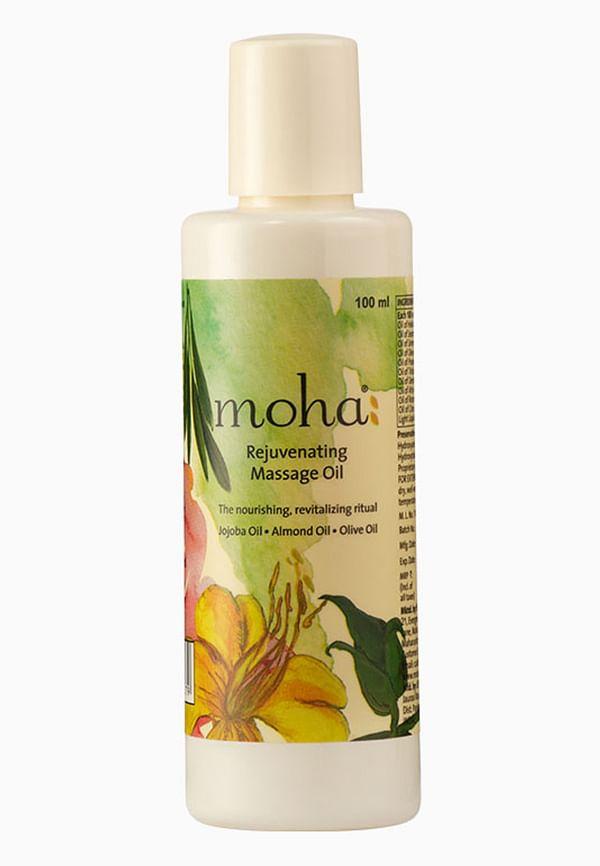
Rejuvenating Massage Oil
Ever pressed on your stomach and felt like you were touching a rock? That uncomfortable feeling when your stomach feels hard can be proper unsettling. Whether it's that tight sensation after a big meal or persistent abdominal rigidity that's been bothering you for days, you're definitely not alone in this. The good news? Most cases of stomach hardness are totally manageable with the right approach. From understanding what's causing that belly tightness to simple relief techniques you can try right now, we're breaking down everything you need to know to get your tummy feeling normal again.
Before diving into solutions, it's worth understanding what's actually happening when your stomach feels rock-solid. Identifying the root cause helps you choose the most effective relief method. Plus, knowing whether it's something minor or needs proper attention can save you loads of worry.
Most of the time, that hard stomach feeling comes from pretty straightforward causes. Abdominal bloating is the usual suspect - your digestive system's way of saying it's overwhelmed. Here's what typically triggers it:
Gas build-up from eating too quickly or certain foods
Constipation making everything feel tight and uncomfortable
Food intolerance causing your gut to react defensively
Overeating or drinking too many fizzy drinks
Stress messing with your digestive rhythm
These causes usually sort themselves out with some simple lifestyle tweaks and patience.
Whilst rare, some harder-to-spot conditions can cause persistent abdominal tension. These include inflammatory bowel conditions, gastritis, or more serious gastrointestinal issues. The key difference? These usually come with other symptoms like severe pain, fever, or changes in bowel habits that don't improve with basic remedies.
Taking a moment to properly assess what you're feeling helps you understand whether this is a quick fix situation or something that needs more attention. Think of it as doing a little detective work on your own body. The location and type of hardness can tell you quite a bit about what's going on.
Where exactly does your stomach feel hard? Upper abdomen tightness often relates to eating habits or stress, whilst lower stomach distension might point to digestive issues or trapped gas. Overall abdominal tension could be your body's response to inflammation or general digestive upset.

Bhring Amla Hair Oil
Pay attention to what else is happening alongside that hard feeling. Stomach swelling that comes and goes? Probably gas or bloating. Persistent digestive discomfort with pain that doesn't shift? Might need professional eyes on it. Take note of when symptoms are worst - after meals, during stress, or at specific times of day.
When your stomach feels hard and uncomfortable, you want relief now, not later. These gentle techniques can help ease that tight sensation and get things moving again. The best part? You can try these from the comfort of your sofa.
Place your hands flat on your stomach and make slow, circular motions clockwise around your belly button. Start light and gradually increase pressure as it feels comfortable. This simple massage helps stimulate digestion and can ease trapped gas that's causing that hard feeling.
A warm water bottle or heating pad on your stomach can work wonders for digestive discomfort. The heat relaxes tense muscles and improves blood flow to your digestive organs. Just 15-20 minutes of gentle warmth can make a real difference to how your stomach feels.
Sipping warm water or herbal teas like peppermint, ginger, or chamomile can help your digestive system relax. These natural remedies support digestive wellness whilst providing gentle relief from that uncomfortable hardness.
What you eat plays a massive role in how your stomach feels. Making smart food choices doesn't mean restricting everything you enjoy - it's about understanding which foods work with your body and which ones might be causing that uncomfortable hardness. Small changes can make a big difference to your overall gut health.
Certain foods are notorious for causing stomach swelling and that rock-hard feeling. Common culprits include:
Fizzy drinks and anything carbonated
Beans and lentils (unless you're used to them)
Cruciferous vegetables like broccoli and cauliflower
Dairy products if you're intolerant
Processed foods high in salt and additives
Artificial sweeteners

Amla & Bhringraj Conditioner with Aloe vera - Boosts Hair Growth
Focus on foods that support your digestive system rather than fighting against it. Fresh fruits, cooked vegetables, lean proteins, and whole grains generally sit well with most people. Probiotic foods like yoghurt and fermented vegetables can also help maintain healthy gut bacteria.
Eating smaller, more frequent meals puts less strain on your digestive system than three massive ones. Give yourself at least three hours between your last meal and bedtime, and try eating slowly to prevent swallowing excess air.
Preventive care is always better than dealing with problems after they've started. Simple lifestyle adjustments can dramatically reduce how often you experience that hard stomach feeling. The good news is that most of these changes will probably make you feel better overall, not just in your tummy area.
Your gut and brain are more connected than you might think. High stress levels can directly impact your digestive system, leading to that uncomfortable abdominal tension. Try simple breathing exercises, short walks, or whatever helps you unwind.
Gentle movement helps keep your digestive system active and healthy. You don't need intense workouts - even a 20-minute walk after meals can help prevent that hard, bloated feeling. Yoga poses that involve gentle twisting can be particularly helpful for digestive wellness.
Poor sleep messes with your body's natural rhythms, including digestion. Aim for consistent bedtimes and try to get 7-8 hours of quality rest. Your gut will thank you for it.
Whilst most cases of stomach hardness are harmless and temporary, sometimes professional help is needed. Knowing when to book that appointment can save you from unnecessary worry or, conversely, prevent minor issues from becoming bigger problems. Trust your instincts - if something feels seriously wrong, it's always worth checking.

Baby Massage Oil
Seek immediate medical attention if your hard stomach comes with severe pain, vomiting, fever, or if you can't pass gas or have bowel movements. These could indicate more serious gastrointestinal issues that need prompt treatment.
If your symptoms persist, your doctor might suggest blood tests, imaging scans, or other diagnostic procedures to rule out underlying conditions. These tests help create a clearer picture of what's happening in your digestive system.
A hard stomach when pressed usually indicates gas buildup, bloating, or muscle tension in your abdominal area. It's often your body's response to eating certain foods, swallowing air, or digestive upset. Most cases resolve with gentle remedies and dietary adjustments.
Early pregnancy can cause abdominal changes, but a hard stomach alone isn't a reliable pregnancy indicator. If you suspect pregnancy, a proper test is the only way to know for sure. Pregnancy-related abdominal changes typically come with other symptoms.
That heavy, bloated sensation often stems from trapped gas, slow digestion, or eating foods your system finds difficult to process. It can also result from eating too quickly, drinking carbonated beverages, or consuming large portions.
Whilst most hard stomach episodes are benign, persistent symptoms alongside severe pain, fever, or other concerning signs warrant medical evaluation. Serious conditions are rare but shouldn't be ignored if multiple symptoms occur together.
Dealing with a hard stomach doesn't have to be a mystery. Most cases respond well to simple remedies like gentle massage, dietary adjustments, and lifestyle changes that support your digestive wellness. The key is listening to your body and responding appropriately - whether that's trying a soothing herbal tea or booking a doctor's appointment when symptoms persist. Remember, everyone's digestive system is different, so what works for your friend might not be your perfect solution. Stay patient with yourself as you figure out what helps your stomach feel its best.
