Oats with Milk: A Step-by-Step Weight Management Guide


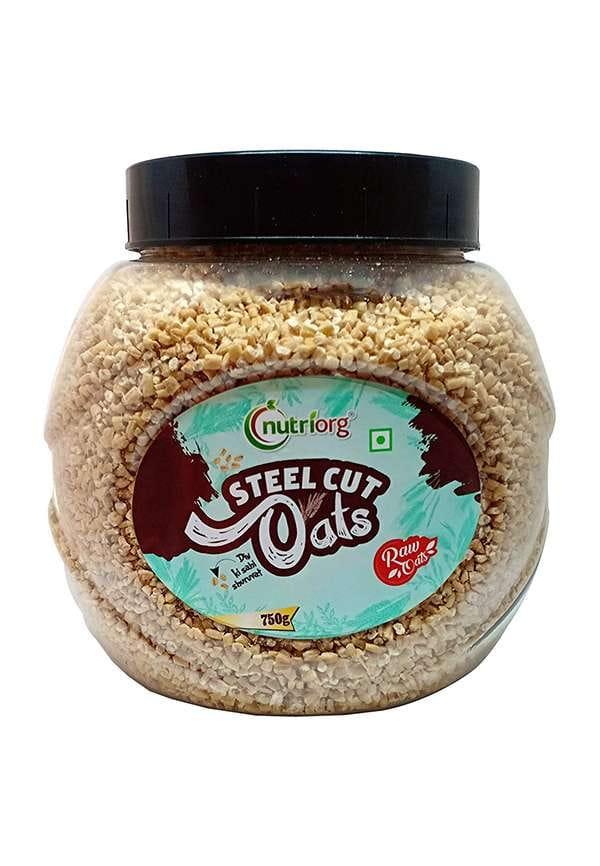
Steelcut Oats
Let's be real—oats with milk might just be the most debated breakfast combo ever. One minute you're hearing it's the ultimate healthy breakfast option, the next someone's claiming it'll derail your weight goals. The truth? It's all about how you prep it and what you're trying to achieve. Whether you're looking to gain, lose, or maintain your weight, understanding the nutritional value of oats and how milk affects your calorie intake is your first step. This step-by-step guide will help you navigate the world of oatmeal preparation, so you can make choices that actually work for your body and goals.
Oats are basically the MVP of whole grains—versatile, filling, and packed with nutrients your body actually needs. They're not just trendy health food; they're genuinely worth obsessing over when it comes to balanced nutrition.
Steel-cut oats take longer to cook but offer a chewier texture and slower digestion. Rolled oats cook faster and work brilliantly for quick breakfasts. Instant oats are your time-saving option, though they're more processed than the others.
Here's what makes oats your kind of superfood:
• Protein: Around 5-6 grams per half cup of dry oats
• Fibre: About 4 grams that keep you feeling full
• Complex carbohydrates: Steady energy without the sugar crash
• Beta-glucan: The special fibre that supports heart health
• B vitamins: For energy metabolism
• Minerals: Iron, magnesium, and zinc
Milk transforms plain oats into something creamy and satisfying—it's not just about taste. When you add dairy products to your oats, you're boosting both the nutritional profile and the calorie content significantly.
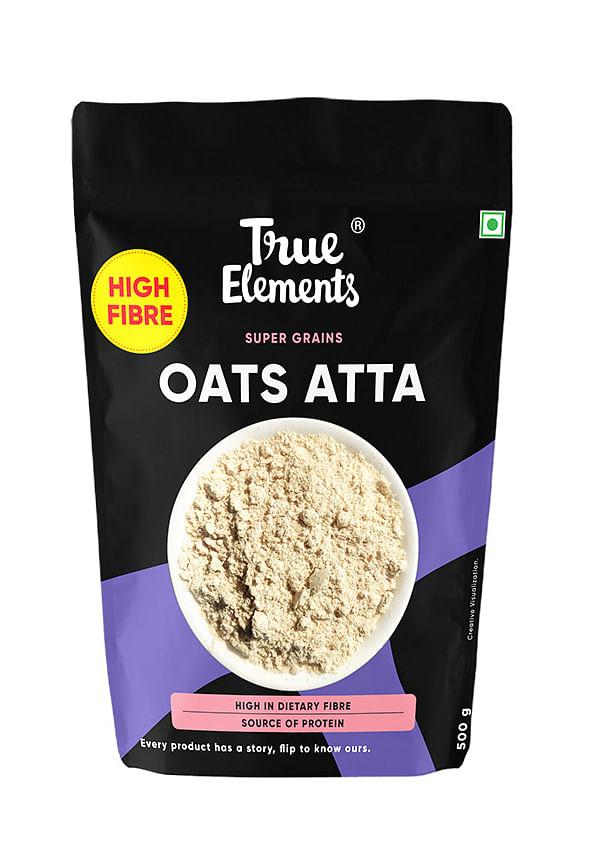
Oats Flour
Milk brings extra protein to the table, making your oatmeal more filling and better for muscle building. The calcium supports bone health, whilst the additional protein content in oatmeal helps with satiety—meaning you'll feel satisfied longer.
Half a cup of whole milk adds roughly 75 calories to your bowl. Skimmed milk drops it to about 40 calories, whilst plant-based alternatives vary widely. This is where your weight management goals come into play—every choice matters.
Here's your foolproof method for creating the perfect oats and milk combo that aligns with your goals. Each step matters when you're trying to nail the balance between taste and nutrition.
For weight gain, go with steel-cut or rolled oats—they're less processed and more calorie-dense. If you're aiming for weight loss, any type works, but steel-cut oats keep you fuller longer due to their slower digestion.
Whole milk maximises calories and protein for weight gain goals. For weight management or loss, try skimmed milk or unsweetened almond milk. The key is matching your milk choice to your calorie targets.
Weight gain: Use 1/2 to 3/4 cup dry oats with 1 cup whole milk. Weight loss: Stick to 1/3 to 1/2 cup dry oats with 1/2 cup low-fat milk. Portion control is everything here.
Stovetop cooking preserves more nutrients than microwaving. Cook on medium heat, stirring regularly. The slower cooking process helps maintain the satiety effects of oats whilst ensuring even texture throughout.
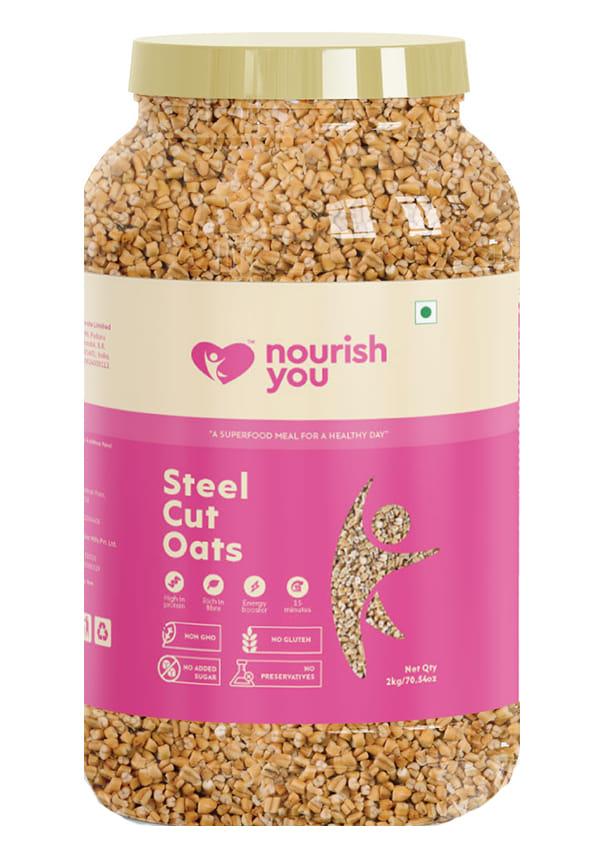
Steel Cut Oats Jar
For weight gain: nuts, seeds, nut butter, or dried fruits boost calories naturally. For weight loss: fresh berries, cinnamon, or a drizzle of honey keep things flavourful without going overboard on calories.
The same basic ingredients can serve completely different weight management goals—it's all in the execution. How you prepare and portion your oats with milk determines whether you're supporting weight gain, loss, or maintenance.
Here's how to boost your oatmeal's calorie density: • Use whole milk or even add cream for extra richness • Mix in nut butters, chopped nuts, or seeds • Add banana slices or dried fruits • Consider a protein powder boost • Make overnight oats with yoghurt for extra protein • Increase portion sizes gradually
Keep it satisfying but lighter: • Choose skimmed or plant-based milk • Bulk up with fresh fruits instead of dried • Use spices like cinnamon for flavour without calories • Control portions with measuring cups • Add extra water to make it more voluminous • Skip the sugar and sweeteners when possible
Oats and milk work best as part of a broader eating pattern, not as a magic solution on their own. Think of them as building blocks in your whole grains diet, supporting your overall nutritional goals throughout the day.
Incorporating oats into your daily routine gives you sustained energy and helps with body composition goals. They pair brilliantly with other whole grains like quinoa, brown rice, and whole wheat throughout the week.
Balance your oat-based breakfast with protein-rich lunches and vegetable-heavy dinners. Consider how your morning oatmeal fits into your daily calorie and nutrient targets, especially if you're following a structured eating plan.
There's actual research backing why oats work so well for different weight goals. Understanding the science helps you make smarter choices about when and how to include them in your routine.
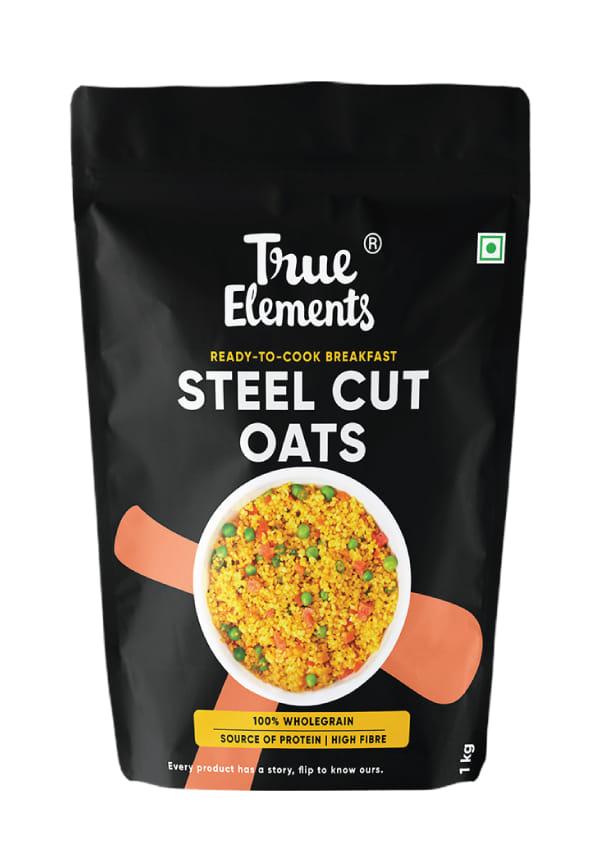
Steel Cut Oats
The beta-glucan fibre in oats slows digestion and keeps you feeling satisfied for hours. This natural appetite control can support both weight loss (by reducing overall food intake) and healthy weight gain (by providing steady nutrition without constant hunger).
When combined with milk, your oatmeal becomes a decent protein source with all essential amino acids. This supports muscle building and recovery, especially important if you're trying to gain healthy weight or maintain muscle whilst losing fat.
It depends entirely on your overall calorie balance and how you prepare them. Oats with milk can support weight gain if you're in a calorie surplus, or weight loss if you're in a deficit. The combination itself doesn't automatically cause weight gain.
Breakfast is ideal because the sustained energy helps control hunger throughout the day. Post-workout is another brilliant time, especially for muscle building goals, as the carbs and protein support recovery.
Absolutely. It's all about portion sizes, milk choices, and add-ins. The same base recipe can be modified to fit different calorie targets and nutritional needs.
Steel-cut or rolled oats work best because they're less processed and more calorie-dense. They also provide better satiety, which helps with consistent eating patterns needed for healthy weight gain.
Use smaller portions (1/3 cup dry oats), choose low-fat or plant milk, add fresh fruits instead of dried, and bulk up with extra water or low-calorie toppings like berries and cinnamon.
Oats with milk can absolutely fit into any weight management plan—it's all about being intentional with your choices. The nutritional value of oats combined with the protein and calcium from milk creates a balanced foundation that adapts to your goals. Whether you're looking to gain healthy weight, lose excess pounds, or maintain where you are, the key is understanding how portion sizes, milk types, and additions affect your overall calorie intake. Remember, there's no universal "right" way to eat oats—only the way that works for your body, lifestyle, and goals. Start with the basics, experiment with what feels good, and adjust as needed. Your perfect oats and milk routine might just become your next obsession.
