How to Use Sports Nutrition Whey Protein for Muscle Recovery


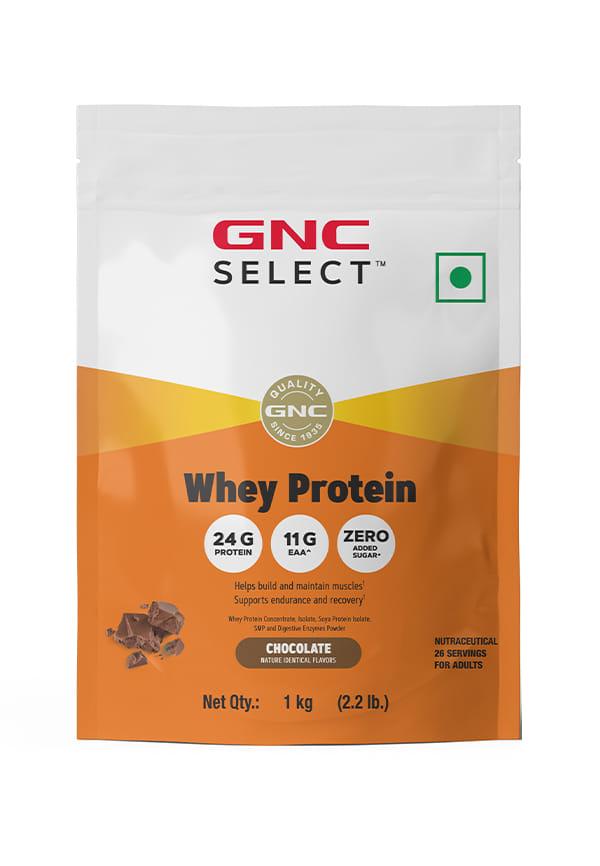 1000 gm
Select Whey Chocolate Pouch
Whether you're crushing it at the gym or just getting started with your fitness journey, you've probably heard about sports nutrition whey protein and its role in muscle recovery. But here's the thing—knowing about it and actually using it effectively are two completely different games. With so many protein supplements flooding the market, it can feel overwhelming to figure out what works best for your body and goals. Let's break down everything you need to know about maximising your recovery with whey protein, from timing to dosage to choosing the right type for your lifestyle.
Think of sports nutrition whey protein as your muscles' best mate after a tough workout. It's a complete protein derived from milk during the cheese-making process, packed with all nine essential amino acids your body can't produce on its own. What makes whey special isn't just its protein content—it's how quickly your body can absorb and use it for muscle recovery.
The science bit is actually pretty fascinating. When you exercise, especially during resistance training, you create tiny tears in your muscle fibres. Your body needs protein to repair these tears and build them back stronger. Whey protein benefits include its high bioavailability, meaning your body can use nearly all of it for muscle protein synthesis—the process that rebuilds and strengthens your muscles.
What sets whey apart from other protein supplements is its leucine content. Leucine is like the ignition key for muscle protein synthesis, and whey contains more of it than most other protein sources. This is why athletes and fitness enthusiasts often choose whey over plant-based alternatives when recovery speed is the priority.
Real talk—the research on whey protein benefits for recovery is pretty solid. Studies consistently show that whey protein can accelerate muscle protein synthesis by up to 25% compared to other protein sources. This isn't just gym bro science; it's backed by proper research.
Here's what happens when you consistently use whey protein as part of your post workout nutrition:
Faster recovery between sessions: Less muscle soreness means you can train more consistently
Reduced inflammation markers: Your body bounces back quicker from intense training
Improved strength gains: Better recovery leads to better performance in subsequent workouts
Lean muscle preservation: Especially important if you're in a calorie deficit
Enhanced immune function: Intense training can suppress immunity, but adequate protein helps maintain it
The beauty of whey is that it works synergistically with your training. It's not a magic powder that builds muscle whilst you sleep, but when combined with consistent exercise, it can genuinely speed up your progress and help you feel better between sessions.
Not all protein powder is created equal, and understanding the differences can help you choose what's right for your body and budget. Think of these as different levels of processing, each with its own perks.
This is your entry-level option, containing about 70-80% protein. It's the least processed form, which means it retains some lactose and fat. If you're just starting with protein supplements and don't have lactose sensitivity, concentrate offers excellent value for money. It digests slightly slower than isolate, which some people actually prefer for sustained amino acid release.
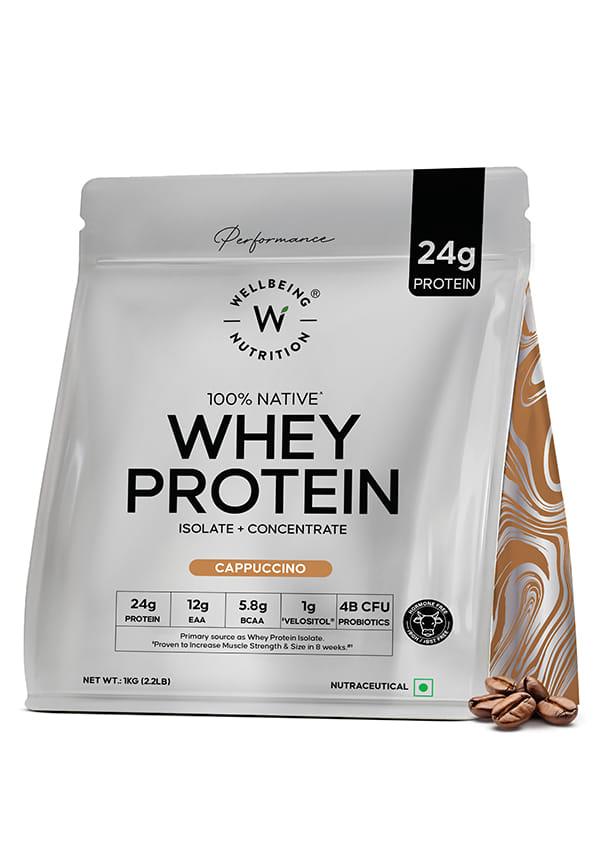 1 KG (Pack of 1)
Whey Protein Isolate + Concentrate (Cappuccino)
Whey protein isolate is the refined cousin, with 90%+ protein content and minimal lactose and fat. It's processed to remove most of the non-protein components, making it faster-absorbing and easier on sensitive stomachs. If you're lactose intolerant or want the quickest absorption for post workout nutrition, isolate might be worth the extra cost.
This is the premium option—pre-digested whey that absorbs almost instantly. It's the most expensive but also the fastest-acting. Unless you're a competitive athlete or have specific digestive issues, the extra cost might not be justified for most people.
Here's where things get interesting. The old "anabolic window" theory suggested you had exactly 30 minutes post-workout to consume protein or you'd miss out on gains. Recent research shows this window is actually much wider—more like 2-4 hours depending on when you last ate.
For most people, consuming 20-40g of whey protein within a couple of hours after training is ideal. Your exact needs depend on your body weight, training intensity, and overall daily protein intake. A good rule of thumb is 0.25-0.4g per kg of body weight per serving.
Rather than obsessing over the exact post-workout timing, focus on spreading your protein intake throughout the day. Having protein shakes between meals can help maintain steady amino acid levels in your bloodstream, supporting ongoing recovery and adaptation.
Most research suggests that 20-25g of whey protein maximally stimulates muscle protein synthesis in younger adults, whilst older adults might benefit from 30-40g per serving. More isn't always better—your body can only use so much protein at once for muscle building.
Walking into the supplement aisle can feel like navigating a maze of marketing claims and fancy packaging. Here's how to cut through the noise and find quality sports supplements that actually deliver.
Look for products that list whey protein concentrate or isolate as the first ingredient. Avoid anything with excessive fillers, artificial colours, or proprietary blends that don't disclose exact amounts. Third-party testing for purity and potency is a massive green flag—it shows the brand stands behind their product quality.
Consider your personal preferences too. Some people love vanilla and chocolate flavours, whilst others prefer unflavoured powder they can mix into smoothies. Mixability matters—nobody wants chunky, gritty protein shakes that taste like chalk.
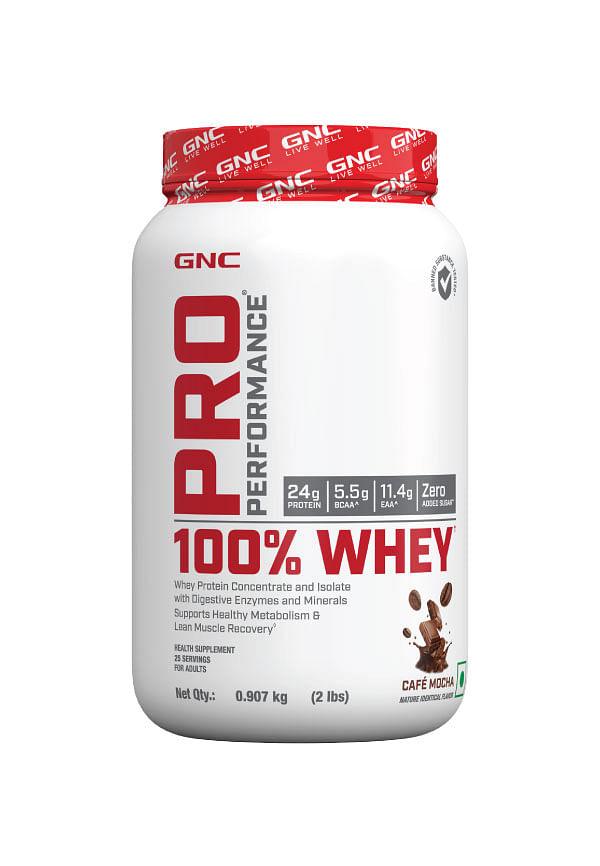 2 lbs
2 lbsPro Performance 100% Whey Protein Powder Cafe Mocha
Budget-wise, concentrate typically offers the best value for most people. Unless you have specific dietary restrictions or absorption needs, you don't need to splurge on the most expensive option to see results.
Getting the most from your wellness protein isn't just about what you buy—it's about how you use it. Small tweaks in preparation and timing can make a noticeable difference in your results and enjoyment.
Use cold water or milk for better taste and texture. Add liquid first, then powder to prevent clumping. A 1:1 ratio (one scoop to one cup of liquid) usually works well, but adjust based on your preference for thickness.
Whey protein plays well with other sports supplements. Creatine and whey make an excellent combination—creatine for power and strength, whey for recovery. Just avoid taking them with caffeine-heavy pre-workouts, as caffeine might interfere with protein absorption.
Nutrition for athletes extends beyond just protein. Pair your whey with adequate hydration, quality sleep, and a balanced diet rich in whole foods. Protein supplements work best when they complement, not replace, a solid nutritional foundation.
Even with the best intentions, it's easy to make mistakes that limit your results. Here are the most common pitfalls and how to avoid them.
The biggest mistake is treating protein powder as a magic solution whilst ignoring other recovery factors. Muscle recovery depends on adequate sleep, proper hydration, stress management, and overall nutrition—not just your post-workout shake.
Overdoing the dosage: More protein doesn't equal faster gains—stick to evidence-based amounts
Ignoring food sources: Whole foods should still make up the majority of your protein intake
Poor timing with other nutrients: Taking whey with high-fat meals can slow absorption when speed matters
Choosing based on marketing hype: Fancy packaging doesn't guarantee quality ingredients
Inconsistent use: Sporadic supplementation won't deliver the consistent results you're after
Remember, consistency beats perfection. It's better to use a decent protein powder regularly than to use the "perfect" one sporadically.
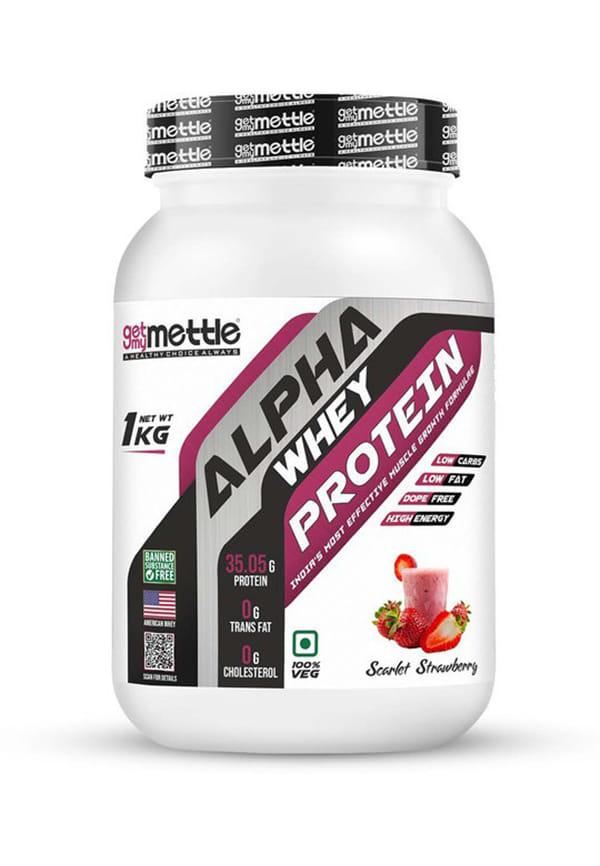 1000 gm
Alpha whey protein Whey Protein (Scarlet Strawberry)
Most people benefit from 20-40g of whey protein within 2 hours post-workout. Your exact needs depend on your body weight, training intensity, and when you last ate. Start with 25g and adjust based on your results and tolerance.
Absolutely. Muscle recovery happens 24/7, not just immediately after workouts. Maintaining consistent protein intake on rest days supports ongoing adaptation and helps maintain lean muscle mass.
If you're lactose intolerant, want faster absorption, or are cutting calories, isolate can be worth the premium. For most people, concentrate offers excellent value and similar results for muscle recovery.
Most people notice improved recovery and reduced soreness within 2-4 weeks of consistent use. Strength and muscle gains typically become apparent after 6-8 weeks when combined with proper training.
Both work well. Water provides faster absorption, whilst milk adds extra protein and calories. Choose based on your goals—water for quick post workout nutrition, milk for a more substantial meal replacement.
Sports nutrition whey protein typically focuses on performance and recovery benefits, whilst wellness protein might emphasise general health benefits like immune support or digestive health. Both can be effective for muscle recovery.
Using sports nutrition whey protein effectively for muscle recovery isn't rocket science, but it does require some thoughtful planning. Focus on consistency over perfection, choose quality over marketing hype, and remember that supplements work best when they support an already solid foundation of training, nutrition, and recovery practices.
The beauty of exploring protein supplements is finding what works best for your body and lifestyle. With platforms like Smytten, you can try different protein powders and wellness protein options without committing to full-size purchases. This trial approach lets you discover which flavours, types, and brands suit your taste preferences and digestive tolerance before investing in larger quantities. After all, the best protein powder is the one you'll actually use consistently—and with Smytten's trial packs, you can explore your options until you find your perfect match.
