How to Use Ayurvedic Herbs for Healthier Teeth and Gums


 50 ml
50 mlOil Pulling with Vitamin-e Pure & Natural Mouthwash for Bad Breath, Teeth & Gums
Your morning routine probably includes brushing your teeth, but what if ancient wisdom could make your oral care game even stronger? Ayurvedic herbs for teeth have been keeping smiles healthy for thousands of years, and honestly, they might just be the natural upgrade your mouth has been waiting for. From neem's bacteria-fighting powers to clove's instant pain relief, these time-tested remedies are worth exploring. Let's dive into how you can use these natural powerhouses to give your teeth and gums the care they deserve.
Real talk—ayurvedic dental care isn't just about following old traditions. Modern research is actually backing up what our ancestors knew all along. These herbs work because they tackle oral health from multiple angles: fighting bacteria, reducing inflammation, and supporting your mouth's natural healing processes.
Unlike conventional dental products that often focus on one issue, Ayurveda treats your mouth as part of your whole body. It connects oral health to your digestive system, immune function, and overall wellness. Pretty clever, right? The herbs used in ayurveda for oral health contain natural compounds like tannins, essential oils, and antioxidants that work together to create a hostile environment for harmful bacteria whilst supporting healthy tissue.
Ready to meet your new oral care squad? These eight herbs are absolute game-changers when it comes to keeping your teeth and gums in top shape. Each one brings something special to the table, and the best part is you can mix and match them based on what your mouth needs most.
Neem for teeth is like having a natural antibiotic in plant form. This bitter leaf contains compounds called nimbidin and azadirachtin that literally stop harmful bacteria from multiplying in your mouth. Studies show it's particularly effective against the bacteria that cause cavities and gum disease.
You can use neem in several ways: chew fresh leaves (if you can handle the bitter taste), brush with neem powder mixed with a bit of salt, or add a few drops of neem oil to your regular toothpaste. Start slowly though—neem is potent stuff, and your taste buds need time to adjust.
When tooth pain strikes, clove for tooth pain is your best friend. The secret weapon here is eugenol, a natural anaesthetic that numbs pain almost instantly. It's the same compound dentists use in some of their treatments, so you know it works.
For quick relief, dab a tiny bit of clove oil on a cotton swab and apply it directly to the painful tooth. You can also make a paste by mixing ground cloves with a little water. Just remember—clove oil is super concentrated, so less is definitely more.
Triphala for dental health combines three powerful fruits: amla, bibhitaki, and haritaki. This trio works together to reduce inflammation, fight bacteria, and strengthen your gums. Plus, the vitamin C in amla helps your body produce collagen, which keeps your gums healthy and strong.
Mix half a teaspoon of triphala powder with warm water and use it as a mouth rinse twice daily. You can also make a paste with triphala powder and coconut oil for a gentle, natural toothpaste alternative.
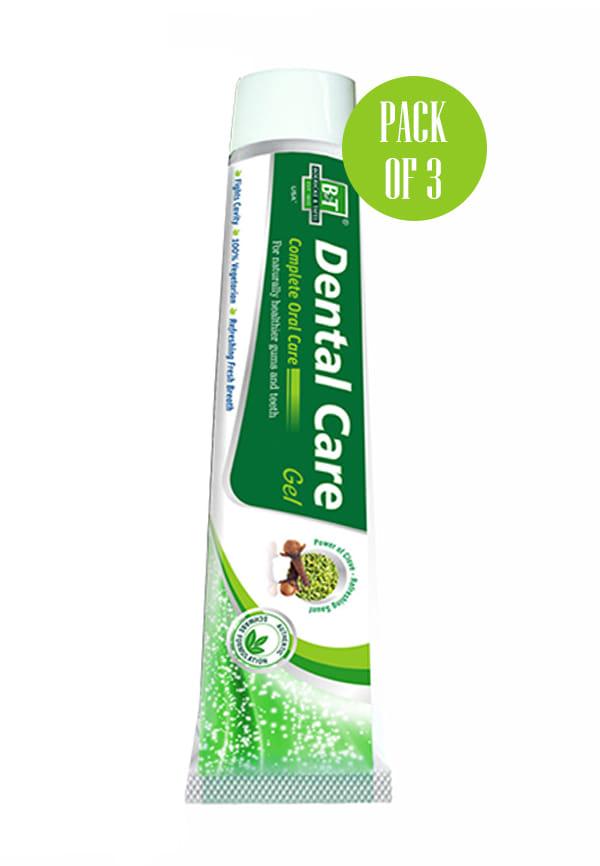 100 gm*3
Dental Care Gel for Naturally Healthier Gums & Teeth
Turmeric isn't just for curries—it's brilliant for your gums too. The curcumin in turmeric is a powerful anti-inflammatory that can help reduce swelling and bleeding in your gums. It's also naturally antibacterial, making it a double win for oral health.
Create a simple turmeric paste by mixing turmeric powder with a little coconut oil or water. Gently massage it into your gums, leave for a few minutes, then rinse thoroughly. Fair warning: it might stain your toothbrush yellow, but your gums will thank you.
Licorice root contains compounds that actually prevent the bacteria responsible for cavities from sticking to your teeth. It's like creating a protective shield for your enamel. The sweet taste is a bonus—finally, an oral care ingredient that doesn't make you wince.
You can chew on licorice root sticks (make sure they're pure, not the sugary sweets) or use licorice root powder in your homemade tooth powder. Just check with your doctor first if you have high blood pressure, as licorice can affect blood pressure levels.
Forget expensive whitening treatments—natural teeth whitening herbs can help brighten your smile without the sensitivity or chemical exposure. These methods work gradually and gently, so patience is key, but the results are worth it.
Activated charcoal from coconut shells is brilliant for absorbing surface stains. Mix a tiny amount with water to form a paste, brush gently for two minutes, then rinse thoroughly. Oil pulling with sesame or coconut oil infused with whitening herbs like sage or orange peel can also help lift stains whilst improving overall oral health. For a DIY whitening powder, combine equal parts of baking soda, turmeric, and neem powder—use this mixture once or twice a week for best results.
Gum problems are incredibly common, but herbal remedies for gums can help you tackle issues like bleeding, swelling, and sensitivity naturally. The key is consistency—these remedies work best when used regularly as part of your daily routine.
Early-stage gum disease responds really well to herbal treatment. Create a healing mouth rinse by steeping equal parts of sage, chamomile, and calendula in hot water for 10 minutes. Strain and use as a rinse twice daily.
You can also make a therapeutic gum massage oil by mixing a few drops each of tea tree oil, peppermint oil, and clove oil with a carrier oil like coconut or sesame oil. Gently massage this into your gums before bed.
Bleeding gums often indicate inflammation or infection. Astringent herbs like myrrh and oak bark can help tighten tissues and promote healing. Make a strong tea with these herbs, let it cool, and use as a mouth rinse.
Aloe vera gel is another brilliant option—its anti-inflammatory properties can soothe irritated gums whilst promoting healing. Look for pure aloe vera gel without added sugars or chemicals.
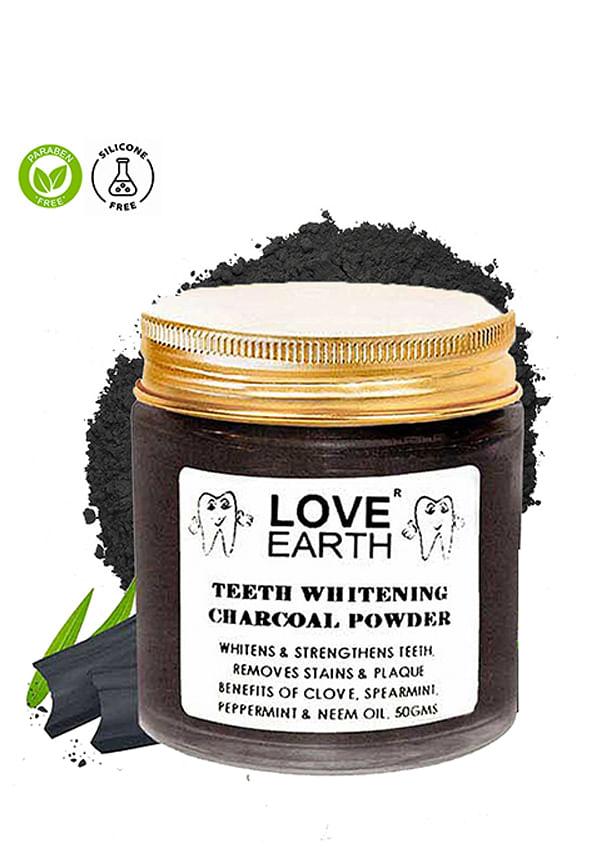 50 gm
50 gmCharcoal Teeth Whitening Powder
Making your own herbal mouthwash ayurveda style is easier than you might think, and you'll know exactly what's going into your mouth. Plus, the benefits of herbal toothpaste alternatives include avoiding harsh chemicals whilst getting targeted treatment for your specific oral health needs.
For a basic antiseptic mouthwash, combine 1 cup of distilled water, 1 teaspoon of sea salt, 1 teaspoon of baking soda, and 10 drops of peppermint essential oil. Shake well before each use and store in the fridge for up to a week. For a more potent version, add a few drops of neem oil or tea tree oil.
To make herbal toothpaste, mix 2 tablespoons of coconut oil, 2 tablespoons of baking soda, 1 tablespoon of neem powder, and a few drops of clove oil. This paste will keep for several weeks at room temperature and provides natural antibacterial action without the foaming agents found in commercial toothpastes.
When you're dealing with tooth pain, you need relief fast. The best herbs for toothache can provide immediate comfort whilst you arrange proper dental care. Remember, these are temporary solutions—persistent tooth pain needs professional attention.
Clove oil remains the gold standard for emergency pain relief, but willow bark (nature's aspirin) can also help with inflammation and pain. Make a strong tea with willow bark and use it as a mouth rinse, or chew on a small piece of the bark near the painful tooth.
Peppermint oil has natural numbing properties too. Dilute a drop or two in a carrier oil and apply to the affected area. The cooling sensation can provide temporary relief whilst the menthol works its magic.
The beauty of ayurvedic oral care is that it becomes a mindful, therapeutic part of your day rather than just another chore. Building a routine with these herbs doesn't have to be complicated—start with one or two practices and gradually add more as they become habits.
Begin your day with oil pulling—swish a tablespoon of sesame or coconut oil in your mouth for 10-15 minutes, then spit it out (never swallow it). This ancient practice removes toxins and bacteria that have accumulated overnight.
Follow with tongue scraping using a copper or stainless steel scraper, then brush with your herbal toothpaste or powder. Finish with a herbal mouth rinse to set yourself up for the day ahead.
Your evening routine can be more therapeutic and relaxing. After your regular brushing, try a gentle gum massage with herbal oils. This not only improves circulation but also helps you unwind from the day.
End with a soothing herbal rinse made from chamomile or calendula tea. These herbs have calming properties that can help you transition into sleep mode whilst caring for your oral health.
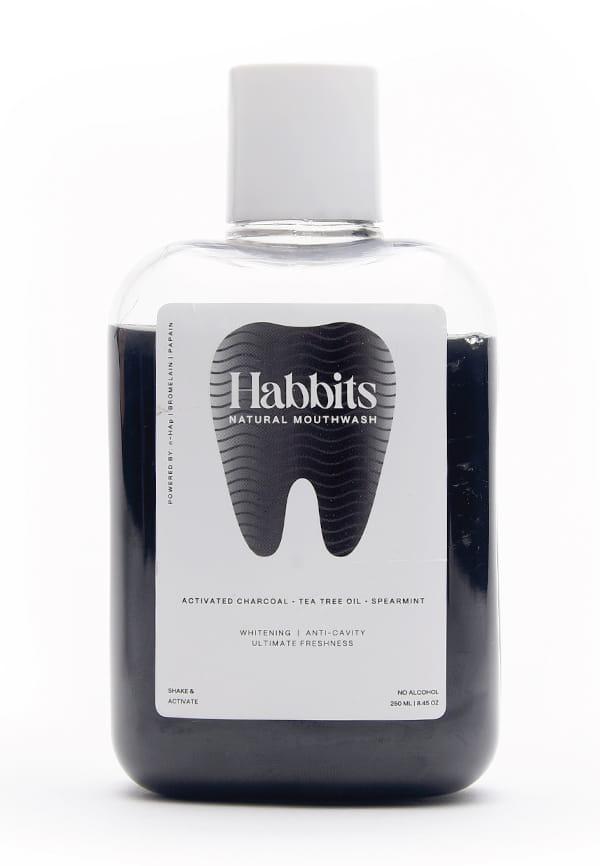 250 ml
Teeth Whitening Natural Mouthwash- Charcoal & Spearmint
Platforms like Smytten make it easier than ever to discover and try natural oral care products from trusted wellness brands. With curated trial packs, you can explore different herbal formulations and find what works best for your specific needs without committing to full-size products immediately. This approach lets you build your perfect ayurvedic oral care routine gradually, trying various herbs and combinations until you find your ideal match.
The most effective ayurvedic herbs for teeth include neem, clove, triphala, turmeric, licorice root, and myrrh. Neem offers powerful antibacterial properties, clove provides instant pain relief, whilst triphala supports overall gum health through its anti-inflammatory action.
Most herbal oral care practices can be done daily. Oil pulling and herbal mouth rinses work best when used consistently every day. However, stronger treatments like clove oil for pain should only be used as needed, and whitening treatments should be limited to 2-3 times per week to avoid enamel damage.
Generally, ayurvedic herbs are safe when used properly. However, some people may experience sensitivity to certain herbs like clove oil or neem. Always start with small amounts and dilute essential oils properly. If you have allergies or are pregnant, consult with a healthcare provider before starting any new herbal regimen.
Herbal remedies are excellent complementary treatments but shouldn't replace regular dental check-ups and professional cleanings. They work best as part of a comprehensive oral care routine that includes proper brushing, flossing, and professional dental care.
You might notice fresher breath and cleaner-feeling teeth within a few days of starting herbal oral care. However, improvements in gum health, reduced sensitivity, and natural whitening typically take 2-4 weeks of consistent use to become noticeable.
Incorporating ayurvedic herbs for teeth and gum care into your daily routine is like giving your mouth a natural upgrade. These time-tested remedies offer gentle yet effective solutions for everything from preventing cavities to soothing inflamed gums. The beauty lies in their holistic approach—they don't just mask problems but work to create genuine oral health from the ground up.
Remember, the key to success with herbal dental care is consistency and patience. Start with one or two herbs that appeal to you most, whether that's neem for its antibacterial power or clove for pain relief. As you become comfortable with these natural methods, you can gradually expand your herbal toolkit.
With Smytten's extensive range of wellness and oral care products from trusted brands, exploring different herbal formulations becomes both affordable and risk-free. The platform's trial packs let you discover which natural ingredients work best for your unique oral health needs, making it easier to build a personalised ayurvedic dental care routine that actually fits your lifestyle. After all, why settle for generic oral care when you can find exactly what your mouth needs?
