How to Use Ayurvedic Herbs for Better Sleep Naturally


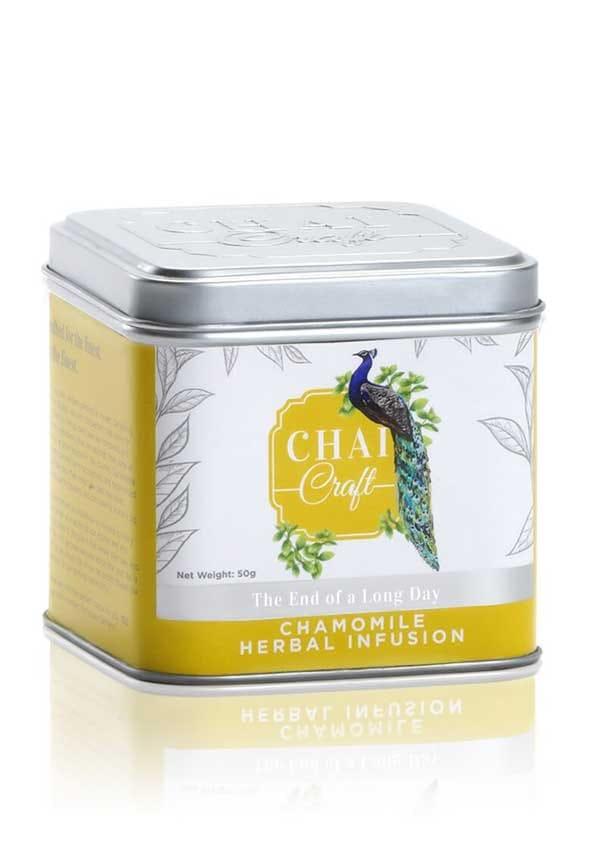 50 gm
50 gmChamomile Herbal Infusion, Herbal Tea for Excellent Sleep
Tossing and turning at 2 AM whilst your mind races through tomorrow's to-do list? You're not alone. Millions struggle with sleep issues, and whilst quick fixes might promise instant relief, they often leave you groggy or dependent. Enter ayurvedic herbs for better sleep—ancient wisdom that's been helping people catch quality Z's for thousands of years. Unlike synthetic sleep aids, these natural remedies work with your body's rhythms, addressing the root causes of sleeplessness rather than just masking symptoms. Let's dive into how these time-tested herbs can transform your nights from restless to restorative.
Ayurveda views sleep as one of the three pillars of health, alongside proper nutrition and balanced energy management. According to this ancient system, sleep disturbances often stem from imbalanced doshas—the three fundamental energies that govern our physical and mental processes. When these energies are out of whack, your natural sleep-wake cycle gets disrupted, leading to everything from difficulty falling asleep to waking up feeling unrefreshed.
Modern lifestyle habits like late-night screen time, irregular meal schedules, and chronic stress create the perfect storm for sleep disorders ayurveda recognises as dosha imbalances. Vata imbalance typically causes racing thoughts and restlessness, Pitta excess leads to overheating and mental agitation, whilst Kapha stagnation results in feeling heavy yet unable to achieve deep sleep. The beauty of ayurveda sleep remedies lies in their personalised approach—different herbs work better for different constitutional types and sleep challenges.
What makes ayurvedic sleep wisdom so effective is its alignment with natural circadian rhythms. These herbs work by supporting your body's innate ability to wind down as darkness falls, rather than forcing sleep through sedation. Research shows that many traditional sleep herbs influence neurotransmitters like GABA and serotonin, which regulate mood and sleep cycles naturally.
Ready to meet your new sleep allies? These herbal sleep supplements have been helping people achieve restful nights for centuries, and modern science is finally catching up to explain why they're so effective. Each herb brings something unique to the table, from stress reduction to nervous system calming.
The key to success with calming herbs for sleep is understanding which ones match your specific sleep challenges and constitution. Some work quickly for acute stress-related insomnia, whilst others build their effects over time to support long-term sleep quality improvements.
Ashwagandha for sleep is perhaps the most researched ayurvedic herb in modern times. This powerful adaptogen works by regulating cortisol levels—the stress hormone that often keeps us wired when we should be winding down. Clinical studies show that regular ashwagandha use can improve sleep quality by up to 72% within just eight weeks.
The optimal dosage ranges from 300-600mg of standardised extract taken 1-2 hours before bedtime. Start with the lower dose and gradually increase if needed. Unlike synthetic sleep aids, ashwagandha actually improves sleep architecture, helping you spend more time in deep, restorative sleep phases.
Brahmi for sleep works differently than ashwagandha—it's particularly brilliant for those whose minds won't switch off at bedtime. This herb enhances GABA activity in the brain, promoting mental calm without sedation. It's especially helpful for students, professionals, or anyone dealing with information overload.
Brahmi comes in various forms including powder, tablets, and oil. The powder can be mixed with warm milk before bed, whilst the oil can be massaged into the scalp for both relaxation and hair health benefits. Typical dosing is 500-1000mg of extract or 1-2 teaspoons of powder daily.
Often called "Indian spikenard," jatamansi is specifically renowned for its sleep-promoting properties. This herb works on the nervous system to induce natural drowsiness without the hangover effect of synthetic sleep aids. It's particularly effective for insomnia ayurvedic treatment when anxiety or emotional stress is the underlying cause.
Jatamansi can be taken as a powder (1-3g), extract (200-400mg), or prepared as a tea. Many people find combining it with warm milk or ghee enhances its calming effects. It's generally safe for long-term use, making it ideal for chronic sleep issues.
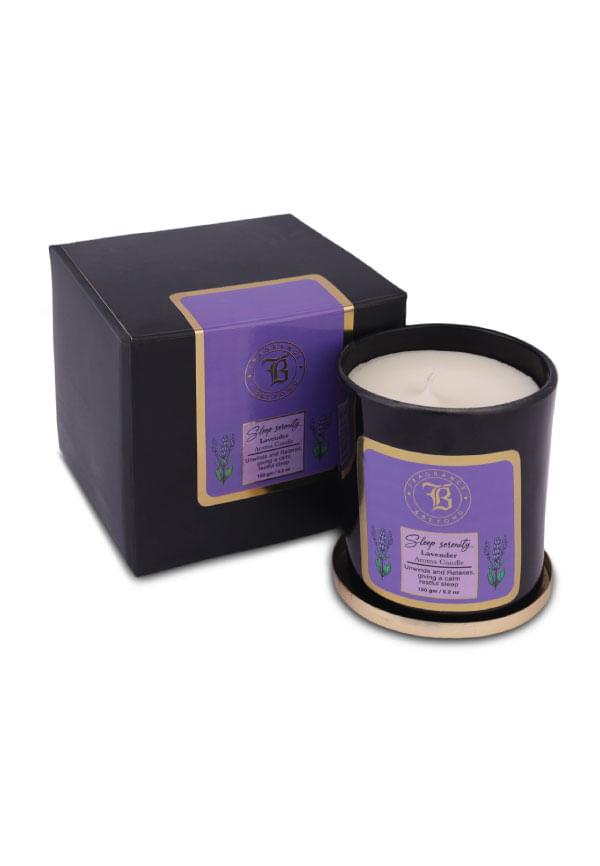 150 gm
Aromatherapy Sleep Serenity Soy Candle Lavender
Tagara, or Indian valerian, is ayurveda's answer to the more commonly known valerian root. However, tagara tends to be gentler and less likely to cause morning grogginess. It works by increasing GABA levels in the brain, promoting both the onset of sleep and sleep maintenance throughout the night.
This herb is particularly useful for people who fall asleep easily but wake frequently during the night. The typical dose is 1-2g of powder or 300-500mg of extract taken 30 minutes before bedtime. It combines beautifully with other calming herbs for enhanced effects.
The magic of natural sleep aids ayurveda offers lies in customisation. Your ideal sleep protocol depends on your constitution, current imbalances, and specific sleep challenges. Rather than taking a one-size-fits-all approach, ayurveda encourages you to become your own sleep detective, observing how different herbs and practices affect your rest.
Building an effective protocol involves more than just popping herbs before bed. It's about creating a holistic approach that includes the right wellness sleep herbs, proper timing, and supportive lifestyle practices that work synergistically to restore your natural sleep rhythms.
If you're dealing with Vata-type insomnia (racing mind, anxiety, difficulty falling asleep), focus on grounding, nourishing herbs like ashwagandha and jatamansi. These help calm the nervous system and provide the stability Vata types need for restful sleep.
Pitta-dominant sleep issues (waking up hot, irritable, or with an overactive mind) respond well to cooling herbs like brahmi combined with lifestyle adjustments like keeping the bedroom cool and avoiding spicy foods in the evening.
Kapha imbalances (feeling heavy, sluggish, or sleeping too much but not feeling rested) benefit from lighter herbs and practices that gently stimulate without overstimulating the system.
Most sleep herbs work best when taken 1-2 hours before your intended bedtime, giving them time to be absorbed and begin their calming effects. However, adaptogens like ashwagandha can be taken earlier in the evening or even with dinner if they're part of a stress-management protocol.
Start with single herbs to understand how your body responds, then gradually combine them if needed. Many people find that rotating between different herbs prevents tolerance and maintains effectiveness over time.
Herbs are just one piece of the sleep puzzle. Ayurveda emphasises that true sleep wellness comes from aligning your entire evening routine with natural rhythms. This includes everything from when you eat your last meal to how you prepare your mind and body for rest.
The integration of stress relief herbs with proper lifestyle practices creates a powerful synergy that addresses sleep issues from multiple angles. Think of it as creating the perfect conditions for your herbs to work their magic.
Your evening routine should begin at least 2-3 hours before bedtime. This includes having your last meal early enough for proper digestion, dimming lights to support natural melatonin production, and engaging in calming activities that signal to your body that it's time to wind down.
 Pack of 2
Magnesium Melatonin - Restful Sleep, Reduced Stress, Anxiety
Consider incorporating gentle yoga, meditation, or breathing exercises alongside your herbal protocol. These practices work synergistically with sleep herbs to calm both mind and body.
Your bedroom environment plays a crucial role in supporting the effects of sleep herbs. Keep the space cool, dark, and well-ventilated. Consider using natural aromatherapy with lavender or sandalwood to enhance the calming effects of your herbal routine.
Different doshas benefit from slightly different environmental adjustments—Vata types need warmth and comfort, Pitta types require coolness and minimal stimulation, whilst Kapha types benefit from fresh air circulation and lighter bedding.
Whilst herbal sleep supplements are generally safer than synthetic alternatives, they're still powerful medicines that deserve respect and proper usage. Understanding potential interactions and contraindications ensures you get the benefits whilst avoiding any unwanted effects.
Quality sourcing is equally important—not all herbal supplements are created equal. Look for reputable brands that provide third-party testing and clear labelling of active compounds.
Pregnant and breastfeeding women should consult healthcare providers before using any sleep herbs. Some herbs like ashwagandha may interact with thyroid medications, whilst others might affect blood sugar levels in diabetics.
If you're taking prescription sleep medications, work with a qualified practitioner to gradually transition to herbal alternatives rather than stopping medications abruptly.
Choose organic, sustainably sourced herbs whenever possible. Proper storage in cool, dry places maintains potency—many herbs lose their effectiveness when exposed to heat, light, or moisture over time.
Consider working with an ayurvedic practitioner to ensure you're using the right herbs in the correct combinations and dosages for your specific constitution and sleep challenges.
Even with the right herbs and practices, sleep improvement can take time and fine-tuning. Understanding how to adjust your approach based on your body's responses helps you optimise your results and address specific challenges that might arise.
The beauty of ayurvedic sleep support is its flexibility—you can modify your protocol based on seasonal changes, stress levels, or life circumstances whilst maintaining the core principles that promote restful sleep.
For mental restlessness, combine brahmi with breathing techniques like alternate nostril breathing or the 4-7-8 breath pattern. These practices work synergistically with herbs to calm mental chatter and prepare the mind for sleep.
 Pack of 30
Serene Sleep Gummies Bottles
Progressive muscle relaxation techniques, starting from your toes and working up to your head, can help release physical tension that often accompanies mental anxiety.
If you fall asleep easily but wake frequently, focus on herbs like tagara that support sleep maintenance. Consider magnesium-rich foods or supplements alongside your herbal protocol, as mineral deficiencies often contribute to restless sleep.
Gentle self-massage with warm sesame oil before bed can help calm the nervous system and promote deeper, more sustained sleep throughout the night.
Discovering the right ayurvedic herbs for better sleep is like finding the missing piece of your wellness puzzle. These time-tested remedies offer a gentle yet effective path to better rest without the dependency risks of synthetic alternatives. Remember, good sleep is an investment in every aspect of your health and wellbeing.
The journey to better sleep through ayurveda isn't just about taking herbs—it's about creating a holistic approach that honours your body's natural rhythms and individual needs. Whether you're dealing with occasional sleeplessness or chronic insomnia, these ancient remedies combined with modern understanding can help you reclaim your nights and wake up feeling truly refreshed.
For those interested in exploring wellness products and natural remedies, platforms like Smytten make it easier to discover and try new brands without the commitment of full-size purchases. With access to over 1,500 trusted brands and the ability to try products through curated trial packs, you can explore different wellness approaches and find what works best for your unique needs. After all, when it comes to your health and sleep quality, why settle for 'maybe' when you can try it all?
Ashwagandha is often considered the most versatile ayurvedic herb for sleep due to its stress-reducing and cortisol-regulating properties. However, the "best" herb depends on your specific sleep challenges—brahmi works well for mental restlessness, jatamansi for anxiety-related insomnia, and tagara for sleep maintenance issues.
Most people notice initial improvements within 1-2 weeks of consistent use, with full therapeutic effects developing over 4-6 weeks. Some herbs like jatamansi may provide immediate calming effects, whilst adaptogens like ashwagandha build their benefits over time.
Yes, many ayurveda sleep remedies work synergistically when combined properly. However, it's best to start with single herbs to understand your body's response, then gradually add others under the guidance of a qualified practitioner.
Unlike synthetic sleep aids, most natural sleep aids ayurveda recommends are safe for extended use when properly dosed and sourced from reputable suppliers. However, it's wise to take occasional breaks and reassess your needs with changing life circumstances.
Most calming herbs for sleep should be taken 1-2 hours before bedtime to allow for absorption and onset of effects. Adaptogens like ashwagandha can be taken earlier in the evening or with dinner as part of a stress-management routine.
