How to Reduce Stress: 7 Proven Techniques Today


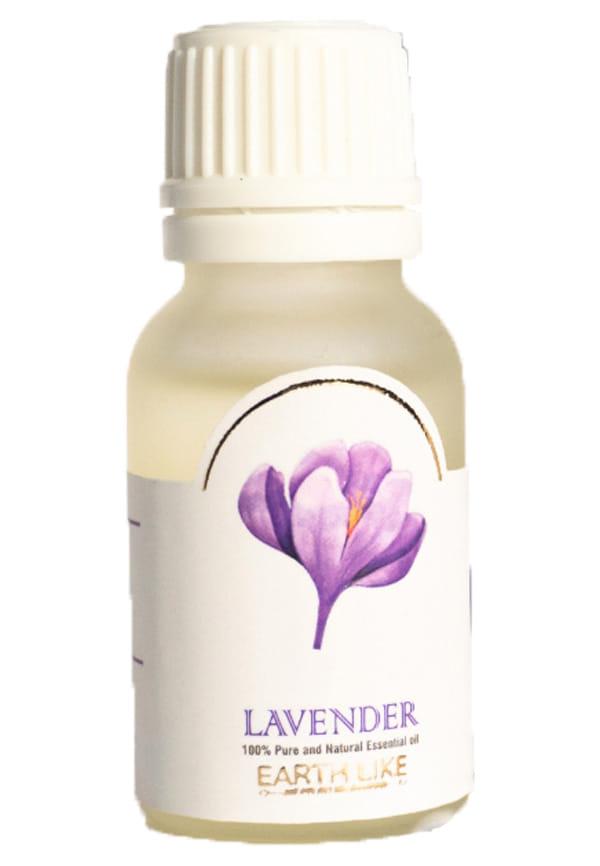 15 ml
15 mlLavender Essential Oil for Relaxation, Pain Relief & Skincare benefits
Let's be real—stress is basically the uninvited guest that shows up at the worst possible moments. Whether it's work deadlines, family drama, or just the general chaos of adulting, we've all been there. The good news? You don't need to book a spa weekend or completely overhaul your life to feel better. These effective stress reduction tips are simple, science-backed, and can work their magic in minutes, not months.
Stress isn't just feeling a bit overwhelmed—it's your body's alarm system going off when it thinks you're in danger. Modern life throws everything from traffic jams to social media notifications at us, and our brains can't tell the difference between a genuine threat and a passive-aggressive work email.
The physical symptoms are real: headaches, tight shoulders, that weird stomach thing that happens before big presentations. Mentally, chronic stress can leave you feeling foggy, irritable, or like you're constantly running on empty. Stress management techniques aren't just nice-to-haves—they're essential for keeping your emotional wellness in check.
Here's the thing: nearly 70% of adults say they experience stress daily. That's not normal, and it's definitely not sustainable. When stress becomes your default setting, it affects everything from your sleep to your relationships to your ability to enjoy that morning coffee.
Your brain on stress is like a smoke detector that won't stop beeping. When you're stressed, your amygdala (the brain's alarm centre) floods your system with cortisol and adrenaline. This worked great when humans needed to outrun predators, but it's less helpful when you're trying to focus on a spreadsheet.
The brilliant part about stress relief remedies is that they work by activating your parasympathetic nervous system—basically telling your brain, "Hey, we're safe now." The techniques that work fastest are the ones that give your nervous system clear, immediate signals to calm down. Think of it as hitting the reset button on your internal stress alarm.
Ready to actually do something about that stress? These aren't just feel-good suggestions—they're proper, research-backed methods that can shift your nervous system from panic mode to chill mode.
This is your emergency stress toolkit. The 3-3-3 rule is stupidly simple: name 3 things you can see, 3 sounds you can hear, and move 3 parts of your body. It's a grounding technique that pulls you out of stress spirals and back into the present moment.
For breathing, try the box method: breathe in for 4 counts, hold for 4, out for 4, hold for 4. Repeat until your shoulders drop and your jaw unclenches. These anxiety relief methods work because they give your vagus nerve something concrete to focus on instead of whatever's making you stressed.
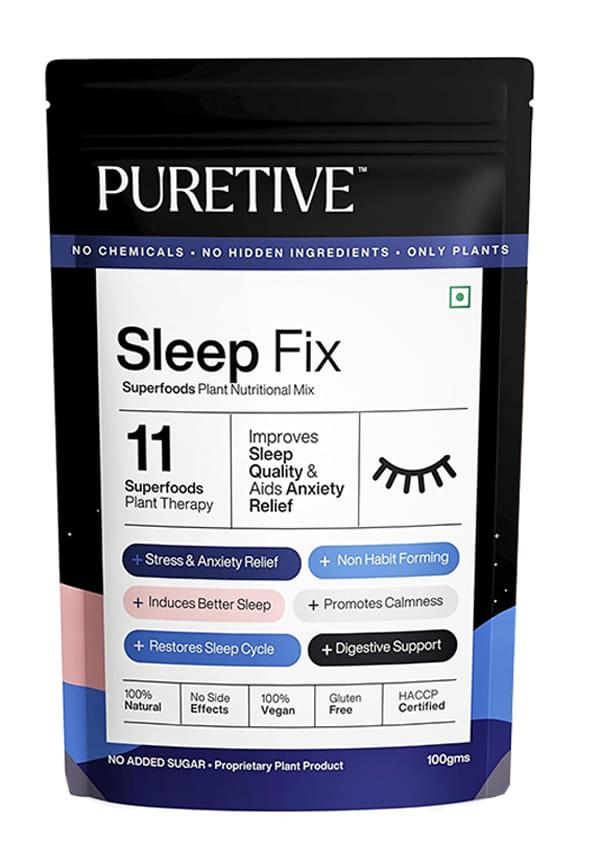 100 gm
Sleep Fix Superfoods Mix | Natural Melatonin
Mindfulness exercises don't require sitting cross-legged for hours. Start with 5 minutes of paying attention to your breath, or try a body scan where you mentally check in with each part of your body from your toes to your head.
The key is consistency over perfection. Even 2 minutes of mindful breathing can activate your body's relaxation response. Apps like Headspace or Calm can guide you through it, but honestly, just sitting quietly and noticing your breath works too.
Movement is like a magic stress eraser. You don't need a gym membership—even 10 minutes of walking can flood your system with endorphins and burn off stress hormones. Stress reduction activities that get your body moving are particularly effective because they give your fight-or-flight response something productive to do.
Try desk stretches if you're stuck at work, or put on your favourite song and dance it out in your living room. The goal isn't to become a fitness influencer—it's to move your body and shift your energy.
This technique involves tensing and then releasing different muscle groups, starting from your toes and working up to your head. It's brilliant because it teaches you to recognise the difference between tension and relaxation.
Spend 5 seconds tensing each muscle group, then release and notice the contrast. Your shoulders, jaw, and forehead are common stress storage spots, so pay extra attention to these areas. This is one of those calming techniques that works even when your mind is racing.
Sometimes the best stress relief is a proper chat with someone who gets it. Coping with stress doesn't have to be a solo mission. Reach out to your support network—whether that's family, friends, or even a colleague who's dealing with similar challenges.
Setting boundaries is also crucial for emotional wellness. Learn to say no without feeling guilty, and communicate your needs clearly. Sometimes stress comes from taking on too much because we're afraid to disappoint others.
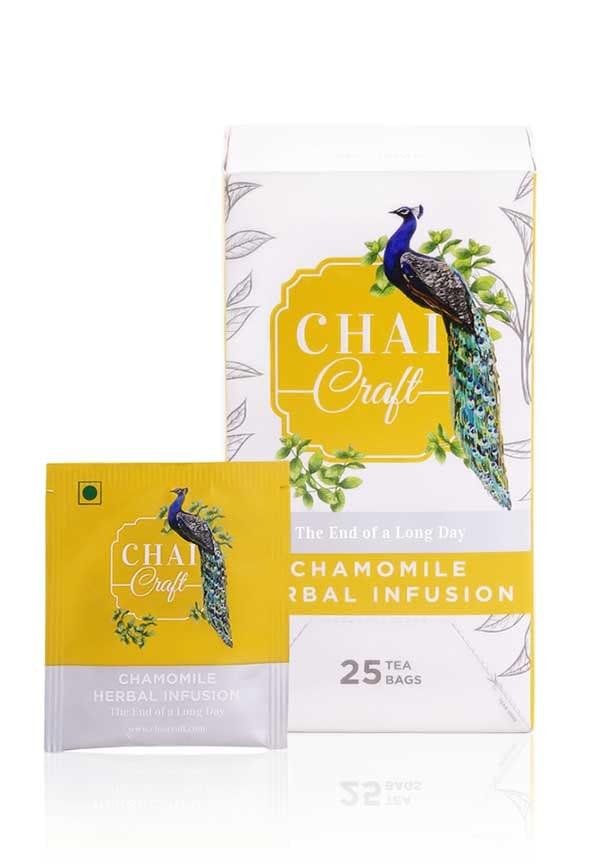 25 Tea Bags
Chamomile Tea Bags, Pure Herbal Infusion for Sound Sleep
Feeling overwhelmed often comes from having too many things on your mental to-do list. The Eisenhower Matrix helps you sort tasks into urgent/important categories, so you can focus on what actually matters instead of just what's loudest.
Break big, scary tasks into smaller, manageable chunks. Instead of "finish project," try "write introduction" or "research three sources." These mental health tips help prevent that paralysing feeling when everything seems equally urgent.
Your environment and habits play a huge role in stress levels. Create a calming space at home—even if it's just a corner with a plant and good lighting. Limit doom-scrolling on social media, especially before bed.
Sleep hygiene is non-negotiable for stress management. Aim for 7-8 hours, keep your bedroom cool and dark, and try to wind down without screens for at least an hour before sleep. Good nutrition also supports your body's ability to handle stress—think whole foods, plenty of water, and maybe ease up on the caffeine if you're already feeling jittery.
Sometimes you need stress relief right now, not after a meditation retreat. These emergency relaxation strategies are your first aid kit for overwhelming moments.
The 5-4-3-2-1 grounding technique works anywhere: identify 5 things you can see, 4 you can touch, 3 you can hear, 2 you can smell, and 1 you can taste. It's like hitting pause on a stress spiral and bringing yourself back to the present moment.
For workplace stress, try desk stretches or step outside for 2 minutes of fresh air. Even washing your hands mindfully—paying attention to the water temperature and soap texture—can be a mini reset. These calming techniques work because they interrupt the stress response and give your nervous system a chance to recalibrate.
Not every technique works for everyone, and that's completely normal. Your stress triggers might be different from your best friend's, so your stress management techniques should be personalised too.
Start by identifying what specifically stresses you out. Is it time pressure? Social situations? Uncertainty? Once you know your triggers, you can choose techniques that address them directly. Keep a stress diary for a week—note when you feel stressed and what helps you feel better.
Build a toolkit of 3-4 techniques that actually work for you. Maybe it's breathing exercises for acute stress, movement for built-up tension, and mindfulness for general overwhelm. The goal is having options so you're not scrambling when stress hits.
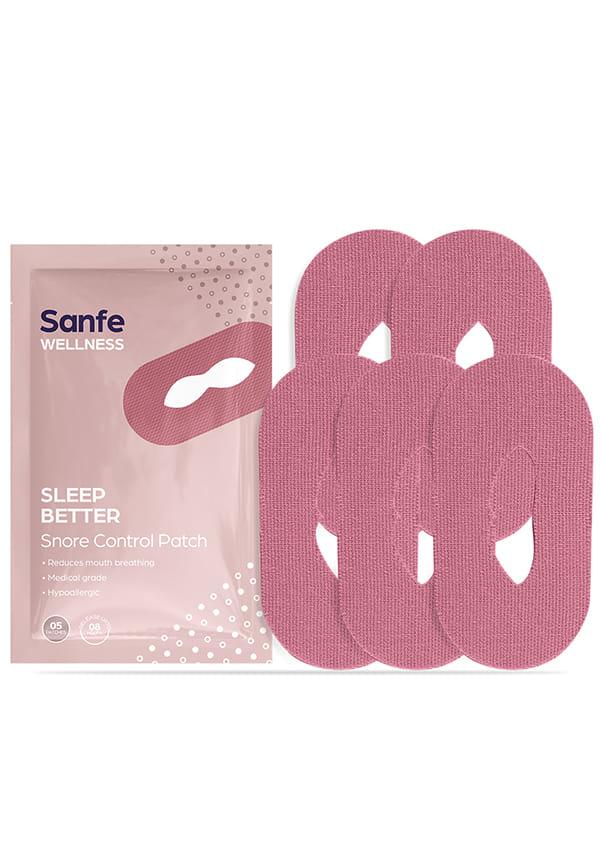 Pack of 5
Snore Control Patch | Sleep Better | Reduces mouth breathing, medical grade, hypoallergic | No side effects | Release upto 8 hours | 5 Patches, For m
Just like discovering the right skincare routine, finding your perfect stress management approach might take some trial and error. Platforms like Smytten understand this perfectly—they let you try products before committing to full sizes, taking the guesswork out of what works for you. The same principle applies to wellness techniques: experiment, see what fits your lifestyle, and build from there.
The fastest effective stress reduction tips include deep breathing (try the 4-4-4-4 box method), the 3-3-3 grounding technique, or 2 minutes of movement. These work because they immediately signal your nervous system to calm down.
The 3-3-3 rule is a grounding technique: name 3 things you can see, 3 sounds you can hear, and move 3 parts of your body. It pulls you out of stress spirals and back into the present moment.
Five proven methods include deep breathing exercises, physical movement, mindfulness practices, social connection, and creating boundaries. These anxiety relief methods address both immediate symptoms and underlying causes.
Beyond the core five, add progressive muscle relaxation, time management, sleep hygiene, limiting social media, creating calming environments, and seeking professional support when needed. Mix and match based on your situation.
Women often benefit from techniques that address hormonal fluctuations and social pressures. Focus on boundary-setting, social support, movement that feels good (not punishing), and mindfulness exercises that honour your body's needs throughout different life phases.
Stress doesn't have to be your default setting. These effective stress reduction tips aren't just theory—they're practical tools you can use today, tomorrow, and whenever life gets a bit too much. The key is finding what works for your lifestyle and sticking with it.
Remember, managing stress is like building any other skill. It takes practice, patience, and probably a few attempts to find your rhythm. Start with one or two techniques that feel doable, and build from there. Your future, calmer self will thank you for taking that first step today.
