How to Practice Mindful Yoga for Stress and Anxiety Relief


Ashwagandha Tablets,Reduce Stress & Support Sleep Cycle
Life's throwing curveballs left and right, and your stress levels are through the roof? You're not alone. Between work deadlines, social pressures, and the general chaos of modern living, finding moments of calm can feel impossible. That's where mindful yoga steps in—not as another item on your to-do list, but as your secret weapon for reclaiming peace of mind. Unlike rushing through a regular yoga class, mindful yoga is about slowing down, tuning in, and actually being present with your body and breath. It's the perfect blend of movement and meditation that can help you tackle stress and anxiety head-on. Whether you're a complete beginner or someone looking to deepen your practice, learning how to mindful yoga can transform those overwhelming moments into opportunities for genuine calm. Plus, with platforms like Smytten making wellness products more accessible through trial packs, building a holistic self-care routine has never been easier.
Mindful yoga combines slow, intentional movements with breath awareness to reduce stress and anxiety more effectively than regular yoga
Key benefits include lower cortisol levels, improved nervous system regulation, and better emotional resilience backed by scientific research
Essential breathing techniques like diaphragmatic breathing and ujjayi breath form the foundation of any mindful yoga practice
A simple daily sequence of 5-6 poses can be done at home in just 10-15 minutes for beginners
Consistency matters more than perfection—start small and build your practice gradually for lasting stress relief
Think of mindful yoga as yoga's more contemplative cousin. While traditional yoga classes often focus on achieving perfect poses or building strength, mindful yoga practice is all about the journey, not the destination. It's a beautiful fusion of Buddhist mindfulness principles with physical yoga postures, creating a practice that's as much about mental clarity as it is about flexibility.
The magic happens in the details. Instead of rushing from one pose to another, you move deliberately, paying attention to every sensation, every breath, every moment of transition. Your breath becomes your anchor, keeping you grounded in the present rather than spiralling into tomorrow's worries or yesterday's regrets. This present-moment focus is what makes mindful yoga so powerful for stress relief—it literally trains your brain to step out of anxiety mode and into awareness mode.
Let's talk facts. Research consistently shows that mindful yoga benefits extend far beyond just feeling good in the moment. Studies have found that regular practice can actually lower cortisol levels—that pesky stress hormone that keeps you wired and tired. When you practice mindful yoga for stress relief, you're essentially teaching your nervous system how to chill out.
The anxiety relief aspect is equally impressive. Mindful yoga for anxiety works by activating your parasympathetic nervous system, which is basically your body's built-in relaxation response. This isn't just feel-good fluff—brain scans show that people who practice mindful yoga regularly have increased activity in areas associated with emotional regulation and decreased activity in the amygdala, your brain's alarm system.
Physical benefits are the cherry on top. You'll notice improved flexibility, better balance, and increased body awareness. But perhaps most importantly, you develop emotional resilience—the ability to stay centred when life gets chaotic. It's like building a mental muscle that helps you bounce back from stress instead of getting stuck in it.
Breath is everything in mindful yoga. Without proper mindful yoga breathing, you're basically just stretching with good intentions. The good news? These techniques are simple enough for absolute beginners but powerful enough to create real change.
Start with diaphragmatic breathing, also known as belly breathing. Place one hand on your chest, one on your belly. Breathe in slowly through your nose, letting your belly rise while keeping your chest relatively still. Exhale through your mouth, letting your belly fall. This activates your vagus nerve, which signals to your brain that it's safe to relax.
When anxiety hits hard, try the 4-7-8 breathing pattern. Inhale for 4 counts, hold for 7, exhale for 8. This technique is like hitting the reset button on your nervous system. It might feel awkward at first, but stick with it—your body will thank you.

Ashwagandha Anxiety & Stress Relief
Once you're comfortable with basic breathing, introduce ujjayi breath during poses. Breathe in and out through your nose, creating a soft ocean-like sound in the back of your throat. This rhythmic breathing helps maintain focus and creates a meditative quality to your movement.
Ready to dive in? Starting a mindful yoga practice doesn't require fancy equipment or years of experience. All you need is a quiet space, comfortable clothes, and about 10-15 minutes of your day. The key is creating a consistent routine that fits your lifestyle, not forcing yourself into someone else's idea of the perfect practice.
Begin each session by setting an intention. This isn't about goals or achievements—it's about connecting with why you're here. Maybe it's to find calm after a stressful day, or to create space between you and your anxious thoughts. Whatever it is, let that intention guide your practice.
Your practice space doesn't need to be Instagram-worthy. A corner of your bedroom, a spot in your living room, even your garden will do. The important thing is consistency—using the same space helps signal to your brain that it's time to shift into mindful mode.
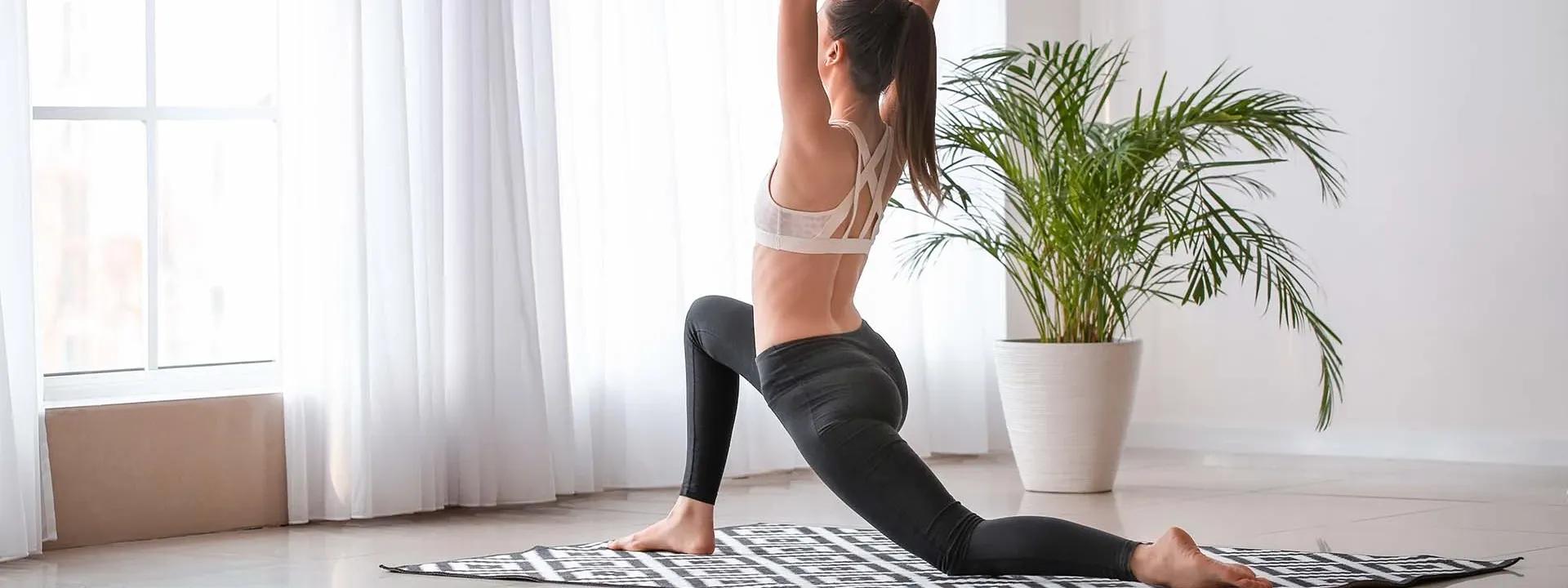
This mindful yoga sequence is perfect for beginners and can be done entirely at home. Each pose should be held for 5-8 breaths, focusing on the sensation of breathing rather than achieving the perfect shape.
Mountain Pose: Stand tall, feet hip-width apart. Close your eyes and focus on your breath. Feel your connection to the ground beneath you. This simple pose sets the tone for mindful awareness.
Cat-Cow Stretches: On hands and knees, alternate between arching and rounding your spine. Move slowly, letting your breath guide the movement. This releases tension in your back and creates a moving meditation.
Child's Pose: Sit back on your heels, arms extended forward. This is your safe space—return here whenever you need to reconnect with your breath and find grounding.
Gentle Twists: Seated or lying down, gentle spinal twists help release physical and emotional tension. Imagine wringing out stress with each twist.
Legs Up the Wall: Lie on your back with legs elevated against a wall. This restorative pose activates your rest-and-digest response, perfect for ending your practice.

Ashwagandha Max Gummies for Stress Management
Once you're comfortable with the basics, you can explore more challenging mindful yoga poses while maintaining that same quality of awareness. The goal isn't to master complex postures—it's to deepen your ability to stay present, even when things get physically or mentally challenging.
Standing poses like Warrior I and Tree Pose become powerful tools for building both physical and mental stability. In Tree Pose, for instance, you're not just balancing on one foot—you're practicing the art of finding steadiness amidst wobbles, which is pretty much a metaphor for life.
Seated meditation can be woven throughout your practice, not just saved for the end. Try a few minutes of breath awareness between pose sequences, or practice loving-kindness meditation while in a comfortable seated position.
Take your practice beyond the mat with walking meditation. This bridges the gap between formal practice and daily life, helping you carry mindfulness into your everyday activities.
The best mindful yoga practice is the one you actually do. Forget about hour-long sessions if you can barely find 10 minutes—consistency trumps duration every time. Your mindful yoga at home routine should feel supportive, not overwhelming.
Consider your natural rhythms. Are you a morning person who loves starting the day with intention? Or do you prefer unwinding with evening practice? There's no wrong answer—just what works for your lifestyle. Morning practice can set a calm tone for your day, while evening sessions help you transition from work mode to rest mode.
Life happens, and some days you'll have more time than others. Having options keeps you consistent:
5-minute practice: Three deep breaths, one minute of gentle movement, one minute in Child's Pose
15-minute practice: Full basic sequence with longer holds
30-minute practice: Extended sequence with meditation and relaxation
Track your practice, but don't obsess over it. Notice how you feel before and after each session. This awareness helps you connect the dots between practice and wellbeing, creating natural motivation to continue.

Ayurvedic Breathe Easy Potli
Start each session by setting a clear intention and connecting with your breath. Throughout your practice, focus on staying present in each pose rather than rushing to the next one. Pay attention to physical sensations, thoughts, and emotions without judgment. End with Savasana and a few minutes of meditation to integrate the experience. The key is carrying this mindful awareness beyond your mat into daily activities.
Absolutely. Research shows that regular mindful yoga practice can significantly reduce cortisol levels, your body's primary stress hormone. Poses that emphasise deep breathing and gentle movement are particularly effective. You might notice stress-reduction benefits within a few weeks of consistent practice, though individual results vary.
Mindful yoga combines movement with meditation principles, while traditional meditation is typically practiced in stillness. Both cultivate present-moment awareness, but yoga adds the element of physical postures and breath work. They complement each other beautifully—many people find that movement helps them settle into stillness more easily.
Start with 10-15 minutes daily rather than attempting longer sessions sporadically. As your comfort and concentration improve, gradually extend your practice. Listen to your body and energy levels—some days you might need just 5 minutes, others you might crave 30. Quality and consistency matter more than duration.
Flexibility isn't a prerequisite for mindful yoga—it's often a result. The practice is about awareness, not achievement. Every pose can be modified, and props like blocks or bolsters can support your body. Focus on how poses feel rather than how they look, and remember that your practice is uniquely yours.
Both have benefits, and the best time is when you can be most consistent. Morning practice available on Smytten can energise you for the day ahead and set a calm, focused tone. Evening practice helps you decompress and transition into rest mode. Experiment with both to see what feels right for your body and schedule.
Mindful yoga isn't just another wellness trend—it's a scientifically-backed approach to managing stress and anxiety that you can start today, right from your living room. The beauty lies in its simplicity: you don't need expensive equipment, years of training, or perfect flexibility. What you need is consistency, patience with yourself, and a willingness to slow down in a world that's constantly speeding up.
Remember that your practice will evolve. Some days you'll feel centred and strong, others you might struggle to focus—both are perfectly normal parts of the journey. The goal isn't to eliminate stress entirely but to develop a healthier relationship with it. Through mindful yoga, you're building resilience, emotional regulation skills, and a deeper connection to your body and breath.
Start small, stay consistent, and trust the process. Your future self will thank you for taking this first step towards greater peace and wellbeing.
Whether you're dealing with daily stress or deeper anxiety, mindful yoga offers a gentle yet powerful path to finding your centre. As you embark on this journey, remember that wellness is deeply personal—what works for others might need tweaking to fit your unique needs and lifestyle. This is where Smytten's approach to discovery becomes invaluable. Just as you can trial wellness products through their curated mini-sized offerings from trusted brands, you can experiment with different aspects of mindful yoga to find what resonates with you. With over 25 million users trusting Smytten's try-before-you-buy model across wellness and lifestyle categories, you're part of a community that believes in making informed choices rather than settling for 'maybe.' After all, your wellbeing journey deserves the same thoughtful exploration as any other aspect of your life—why settle when you can #TryItAll!
