How to Nourish Your Skin with Winter Diet Secrets


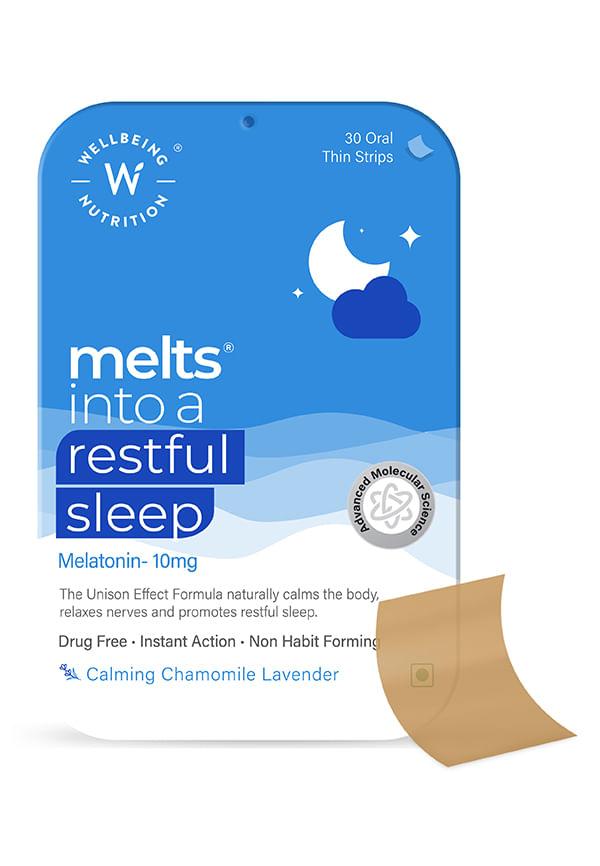 30 Strips
Melts Restful Sleep Melatonin 10mg with Tagara, Passion Flower, L-Theanine, Chamomile (30 Oral Strips)
Winter's here, and your skin's probably sending you some not-so-subtle signals. That tight, flaky feeling? The dullness that no amount of highlighter can fix? Real talk—your skincare routine might be on point, but if your winter diet for glowing skin women isn't sorted, you're fighting an uphill battle. Let's be honest, slathering on moisturiser is just half the story. The real glow-up happens from within, and winter demands a completely different approach to feeding your skin the nutrients it craves.
Winter skin problems aren't just about the cold—though that's definitely part of it. When temperatures drop, your skin's natural barrier function takes a proper hit. The cold air outside has virtually no moisture, whilst indoor heating systems are basically moisture-sucking machines. Your skin ends up caught in this hydration nightmare, losing water faster than you can say "winter skincare routine."
But here's what most people don't realise: your body's nutrient absorption actually changes during winter months. You're probably getting less vitamin D from sunlight, your circulation might be sluggish, and those comfort food cravings? They're not doing your skin any favours. The skin-gut connection becomes even more crucial when your body's working overtime to maintain its natural glow.
Your skin cell turnover naturally slows down in winter, which means dead skin cells hang around longer, creating that dull, lacklustre look. Meanwhile, your sebaceous glands produce less oil, leaving your skin's protective barrier compromised. This is where a targeted diet for healthy skin becomes your secret weapon—feeding your skin the building blocks it needs to repair and regenerate efficiently.
Right, let's get into the good stuff. These foods for glowing skin aren't just trendy superfoods—they're scientifically backed skin saviours that work particularly well during the colder months.
Omega-3 Rich Champions:
Salmon and mackerel for deep skin hydration
Walnuts and chia seeds for plant-based omega power
Flaxseeds for hormone-balancing benefits
Vitamin C Powerhouses:
Oranges and grapefruits for collagen synthesis
Bell peppers for antioxidant protection
Kiwi fruit for vitamin C that's actually bioavailable
Antioxidant All-Stars:
Blueberries and pomegranates for cellular repair
Dark leafy greens for mineral density
Sweet potatoes for beta-carotene conversion
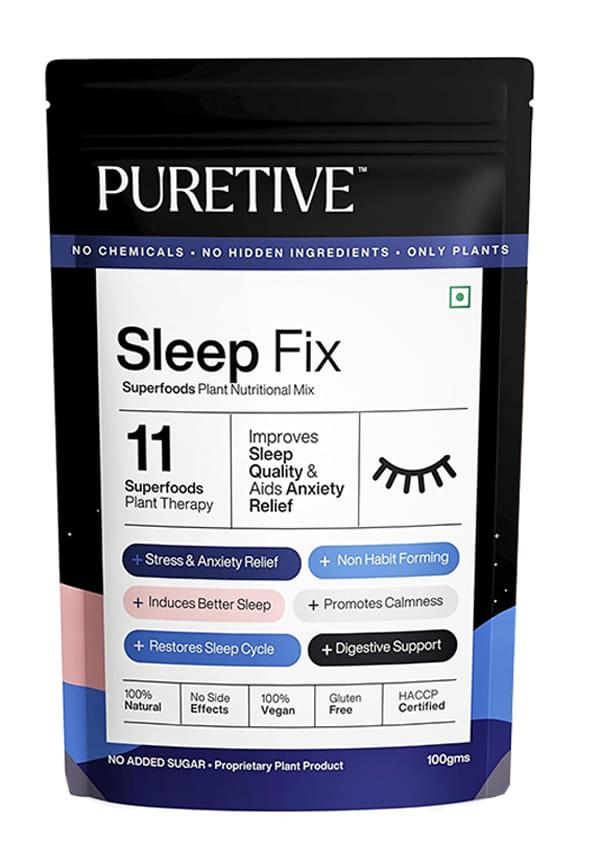 100 gm
Sleep Fix Superfoods Mix | Natural Melatonin
When we talk about skin hydration in winter, it's not just about drinking more water. Foods with high water content and natural electrolytes help your skin retain moisture more effectively. Think cucumber, watermelon, coconut water, and herbal teas. These work from the inside out, supporting your skin's natural moisture barrier.
A proper healthy skin diet for winter isn't about restriction—it's about strategic nourishment. Your skin needs consistent fuel to repair the daily damage from environmental stressors, and winter amplifies these needs.
Start your day with foods rich in healthy fats and antioxidants. Think avocado toast with a sprinkle of chia seeds, or a smoothie packed with berries and spinach. These morning choices set the tone for steady blood sugar levels, which directly impacts your skin's inflammatory response throughout the day.
Your skin does most of its repair work whilst you sleep, so your evening meal becomes crucial. Focus on foods rich in zinc, vitamin E, and selenium about 2-3 hours before bed. This gives your body time to digest and start utilising these nutrients during your skin's natural repair cycle.
Quality wellness for women doesn't have to break the bank. Frozen berries often contain more antioxidants than fresh ones, tinned fish is just as nutritious as fresh, and seasonal vegetables are both affordable and at their nutritional peak. Batch cooking soups and stews with skin-loving ingredients makes healthy eating both convenient and cost-effective.
Let's talk about the specific nutrients your skin craves during winter. These aren't just nice-to-haves—they're absolute essentials for maintaining that natural glow when the weather's working against you.
Vitamin E acts like your skin's personal bodyguard, protecting cell membranes from oxidative damage. You'll find it in almonds, sunflower seeds, and olive oil. Zinc is your healing hero, speeding up skin repair and reducing inflammation—think pumpkin seeds, chickpeas, and lean meats.
Your body's collagen production naturally slows down, and winter stress accelerates this process. Vitamin C is essential for collagen synthesis, but you also need proline (found in bone broth and gelatin) and glycine (in leafy greens and fish) to build strong, flexible collagen fibres.
Some of the most effective natural skin remedies come straight from your kitchen. Turmeric contains curcumin, which reduces inflammation both internally and when applied topically. Green tea provides catechins that protect against UV damage and support skin elasticity. Even dark chocolate (70% cacao or higher) contains flavonoids that improve skin texture and hydration.
 60 ml
60 mlNight Reset Retinol + Ceramide Sleep Treatment Cream
Even with the best intentions, it's easy to sabotage your skin health during winter. These common mistakes might be undoing all your good work without you realising it.
Excessive sugar and processed foods trigger inflammatory pathways that show up as dullness, breakouts, and premature ageing. Winter comfort foods are often loaded with refined carbs that spike insulin levels, leading to increased oil production and clogged pores.
Alcohol and excessive caffeine act as diuretics, pulling water from your cells when your skin already struggles with hydration. That warming cup of coffee is fine, but if you're having multiple cups without balancing with water, you're working against your skin goals.
January diet culture often promotes extreme restriction, but crash dieting depletes your body of essential fatty acids and fat-soluble vitamins (A, D, E, K) that your skin desperately needs. Your skin will literally eat itself to get these nutrients, leading to thinning, dullness, and premature ageing.
Here's your practical guide to eating for glowing skin throughout the week. This plan focuses on nutrient density whilst being realistic about busy schedules and winter cravings.
Day 1-2: Foundation Building
Breakfast: Overnight oats with berries, chia seeds, and almond butter
Lunch: Salmon salad with avocado and mixed greens
Dinner: Lentil soup with turmeric and leafy greens
Snacks: Walnuts and herbal tea
Day 3-4: Hydration Focus
Breakfast: Green smoothie with cucumber, spinach, and coconut water
Lunch: Quinoa bowl with roasted vegetables and tahini dressing
Dinner: Grilled fish with sweet potato and steamed broccoli
Snacks: Fresh fruit and pumpkin seeds
Batch cook bone broth, wash and chop vegetables, and prepare overnight oats for the week. Having skin-friendly options ready makes it easier to stick to your plan when life gets hectic.
 25 Tea Bags
Chamomile Tea Bags, Pure Herbal Infusion for Sound Sleep
Speaking of making smart choices, platforms like Smytten make it easier to discover products that complement your internal wellness routine. With over 1,500 trusted brands including wellness and beauty options, you can try mini versions before committing to full sizes—perfect for finding products that work with your skin's changing winter needs.
Most people notice initial changes within 2-3 weeks, with significant improvements visible after 6-8 weeks. Your skin cell turnover cycle is about 28 days, so give your new routine at least one full cycle to show results.
Diet provides the foundation, but combining it with proper skincare and lifestyle habits gives the best results. Think of nutrition as building from within whilst topical products protect from without.
Water is essential, but herbal teas, bone broth, and coconut water provide additional nutrients. Aim for 8-10 glasses of fluid daily, including these skin-supporting options.
A balanced diet should provide most nutrients, but vitamin D, omega-3s, and zinc might need supplementation during winter months. Consult a healthcare provider for personalised advice.
Aim for 35ml per kg of body weight daily, adjusting for activity level and indoor heating exposure. Monitor your skin's hydration levels rather than just following generic recommendations.
Limit processed foods, excessive sugar, alcohol, and foods you're sensitive to. These can trigger inflammation and worsen winter skin issues.
Your winter diet for glowing skin women strategy isn't about perfection—it's about consistency and smart choices. Focus on nutrient-dense foods that support your skin's natural repair processes, stay hydrated from within, and avoid the common pitfalls that sabotage your efforts.
Remember, beautiful skin is a reflection of overall wellness. When you nourish your body with the right foods, stay consistent with your routine, and give your skin time to respond, that natural glow becomes achievable even in the depths of winter. Your skin is worth the investment, and these dietary changes will benefit far more than just your complexion.
