How to Manage Daily Stress: Expert Wellness Guide

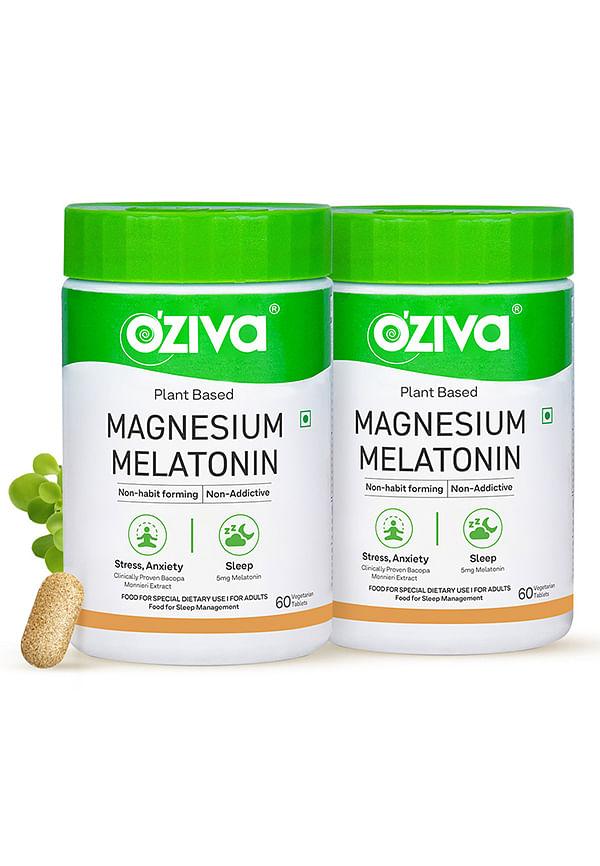 Pack of 2
Magnesium Melatonin - Restful Sleep, Reduced Stress, Anxiety
Let's be real—daily stress feels like that uninvited guest who just won't leave. Whether it's work deadlines, family drama, or just the general chaos of modern life, we're all juggling way too much. But here's the thing: coping with daily stress doesn't have to feel impossible. With the right stress management techniques and a bit of practice, you can actually take back control. Think of this as your go-to guide for finding what works for you, because everyone's stress looks different, and everyone's solution should too.
Daily stress is basically your mind and body's reaction to everyday challenges—think traffic jams, work pressure, or even deciding what to cook for dinner. It's different from chronic stress, which hangs around for weeks or months. Daily stress comes and goes, but when it piles up without proper stress management, it can seriously mess with your mental health and overall wellbeing. Common daily stressors hit us from all angles. Work deadlines, relationship tensions, money worries, health concerns, and even social media overload can trigger that familiar knot in your stomach. Your body doesn't really care if the stress is from a presentation or a family argument—it reacts the same way. When stress goes unmanaged, it shows up physically too. Headaches, muscle tension, sleep issues, and digestive problems are just the beginning. Mentally, you might notice anxiety, irritability, or that overwhelming feeling where everything seems too much. Studies show that nearly 80% of people experience daily stress, making stress reduction techniques more important than ever for maintaining emotional wellness. The good news? Proactive stress management works. When you develop solid self-care strategies and relaxation methods, you're not just surviving your daily routine—you're actually thriving in it.
These aren't just trendy wellness tips—they're proven methods that actually make a difference when you're coping with daily stress. The key is finding what clicks for you and making it part of your routine.
The 4-7-8 technique is your new best friend. Breathe in for 4 counts, hold for 7, exhale for 8. It sounds simple because it is, but it genuinely works for anxiety relief. Box breathing is another winner—breathe in for 4, hold for 4, out for 4, hold for 4. Perfect for those moments when everything feels chaotic.
Start with your toes and work your way up. Tense each muscle group for 5 seconds, then release. It's like giving your body permission to let go of all that built-up tension. This relaxation method is brilliant for bedtime when your mind won't switch off.
Prioritise ruthlessly. Not everything needs to be done today, and definitely not everything needs to be done by you. Set boundaries around your time and energy. Learning to say no isn't selfish—it's essential for stress reduction.
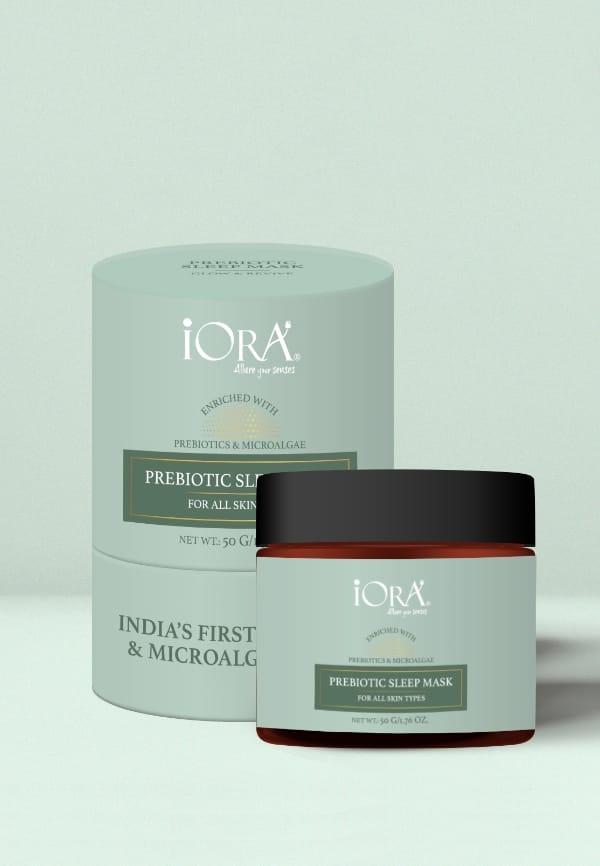 50 gm
50 gmPrebiotic Sleep Mask
This is basically training your brain to see situations differently. Instead of "I'm terrible at this," try "I'm learning." It's not about toxic positivity—it's about realistic thinking that doesn't spiral into worst-case scenarios.
You don't need a gym membership or fancy equipment. A 10-minute walk, some stretching, or dancing to your favourite song can shift your entire mood. Physical movement literally changes your brain chemistry, making it one of the most effective anxiety relief methods.
Sometimes you need stress relief right now, not after a 20-minute meditation session. These quick techniques are perfect for those overwhelming moments when you need to reset fast. The 3-3-3 rule is genuinely life-changing for anxiety relief. Look around and name 3 things you can see, 3 sounds you can hear, then move 3 parts of your body. It pulls you out of your head and back into the present moment. Perfect for panic moments or when overthinking takes over.
Cold water on your wrists, a quick face wash, or even holding an ice cube can shock your system out of stress mode. These grounding techniques work because they engage your senses and interrupt the stress cycle.
Desk stretches, bathroom breathing breaks, or even just stepping outside for a minute can make a huge difference. You don't need to announce it—just take those micro-moments for yourself throughout your daily routine. Emergency relaxation methods include the 5-4-3-2-1 technique: 5 things you can see, 4 you can touch, 3 you can hear, 2 you can smell, 1 you can taste. It's grounding and works anywhere, anytime.
Mindfulness isn't about emptying your mind or sitting in perfect silence for hours. It's about being present with whatever's happening right now, even if that's stress or chaos. Simple meditation can be as basic as focusing on your breath for 5 minutes. No apps required, no special position needed. Just you, your breath, and permission to let thoughts come and go without judgment.
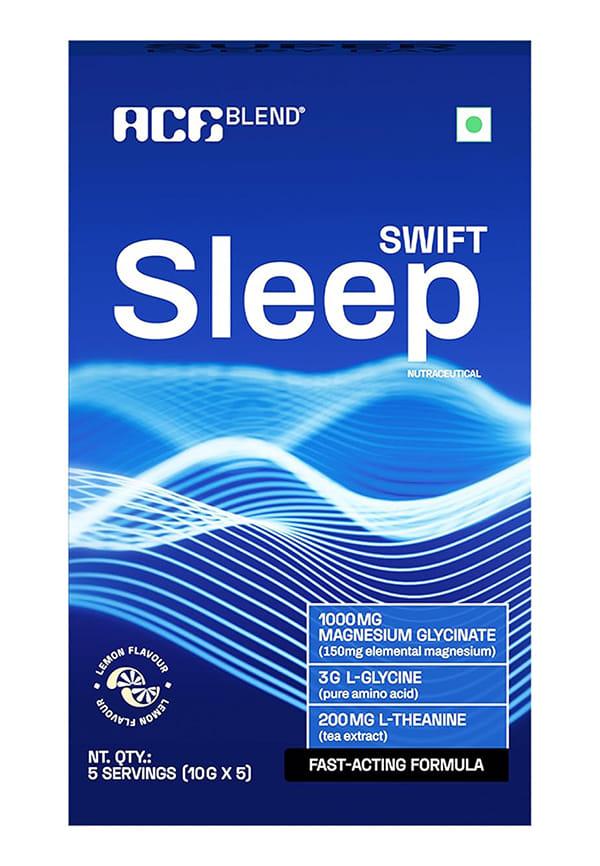 50 gm
50 gmSwift Sleep, Natural Sleep Supplement With Magnesium, L-Theanine And Glycine
Try belly breathing—one hand on your chest, one on your belly. The belly hand should move more than the chest hand. It's a gentle way to activate your body's relaxation response and fits perfectly into any daily routine.
Start at the top of your head and slowly work down, noticing how each part of your body feels. No need to change anything—just notice. It's surprisingly effective for emotional wellness and helps you tune into tension you might not even realise you're carrying. Mindful walking turns your commute or lunch break into a stress reduction opportunity. Feel your feet hitting the ground, notice your surroundings, breathe consciously. It's meditation in motion and perfect for busy schedules.
Self-care isn't just face masks and bubble baths (though those can be lovely). Real self-care strategies are about creating sustainable habits that support your mental health and overall wellbeing. Your personalised self-care routine should include things that actually recharge you, not what looks good on social media. Maybe it's reading, cooking, gardening, or just sitting in silence with your morning coffee. The key is consistency, not perfection.
Good sleep is non-negotiable for coping with daily stress. Create a wind-down routine, keep your bedroom cool and dark, and try to go to bed at the same time each night. Your phone can wait until morning.
What you eat affects how you feel. Stable blood sugar means stable moods. Regular meals, plenty of water, and limiting caffeine can make stress management so much easier. It's not about perfect eating—it's about consistent nourishment. Social connections are crucial for mental health. Whether it's a quick text to a friend, a phone call with family, or just chatting with a colleague, human connection is one of the most powerful stress reduction tools we have.
The best daily routine is one you'll actually stick to. It doesn't need to be elaborate or time-consuming—just consistent and realistic for your lifestyle. Morning routines that reduce stress might include 5 minutes of stretching, drinking water before coffee, or simply making your bed. Small wins early in the day set a positive tone and give you a sense of control.
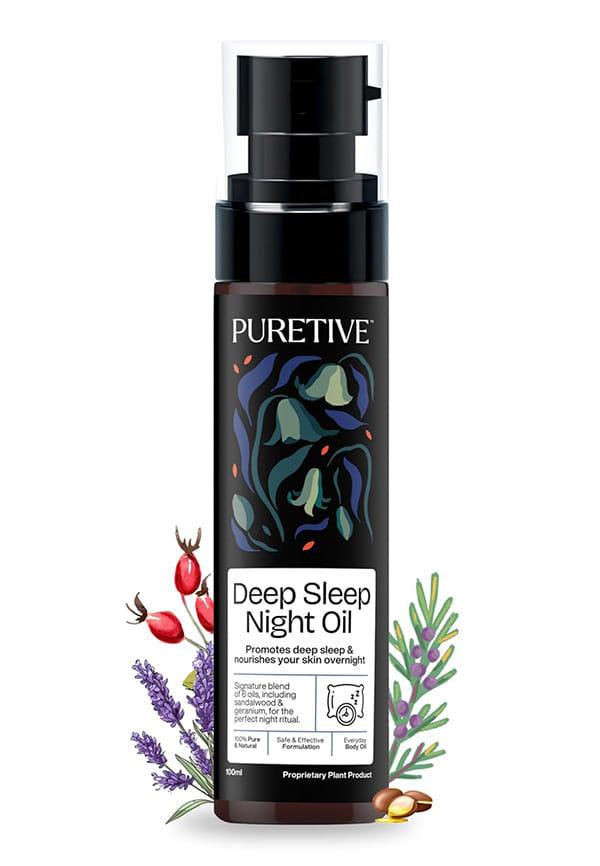 100 ml
Deep Sleep Body Oil | Calms a Restless Mind & Body | Softens & Nourishes Skin
Create a buffer between your day and sleep. This might be a cup of herbal tea, some gentle stretching, or writing down three things that went well. These relaxation methods signal to your brain that it's time to shift gears. Weekly planning helps prevent daily stress from building up. Spend 10 minutes each Sunday looking at the week ahead. Identify potential stress points and plan how you'll handle them. It's like giving your future self a roadmap. Building resilience through consistent habits means having tools ready when stress hits. The more you practice these techniques when you're calm, the more accessible they become during challenging moments. Speaking of wellness and self-care, platforms like Smytten make it easier to discover products that support your stress management journey. With trial packs from trusted wellness brands, you can explore aromatherapy oils, relaxation teas, or skincare products that help you unwind—all without the commitment of full-size purchases. It's about finding what works for your unique self-care routine.
Start small with one or two techniques that feel manageable. Stay physically active, even if it's just a 10-minute walk. Take control of what you can control and let go of what you can't. Connect with supportive people regularly and schedule non-negotiable time for yourself. Challenge yourself with achievable goals rather than overwhelming ones, and avoid unhealthy coping habits like excessive alcohol or social media scrolling.
The 3-3-3 rule is a grounding technique for immediate anxiety relief. When you feel overwhelmed, look around and identify 3 things you can see, listen for 3 sounds you can hear, then move 3 parts of your body (wiggle your fingers, roll your shoulders, tap your feet). This technique pulls you out of anxious thoughts and back into the present moment.
Try the 4-7-8 breathing technique for immediate relief. Put on music that calms you or gets you moving. Take a quick walk or do some stretching to shift your physical state. Use sensory grounding exercises like holding something textured or smelling something pleasant. Creative outlets like drawing, writing, or even organising can help redirect mental energy.
Deep breathing exercises, regular physical movement, time management and boundary setting, social connection and support, and mindfulness or meditation practices. The key is finding which combination works for your lifestyle and personality. Healthy coping strategies address both the immediate stress and build long-term resilience.
Integrate small stress-busting moments throughout your day. Morning breathing exercises, mindful lunch breaks, evening wind-down routines, and consistent sleep schedules all help. The goal isn't to eliminate stress completely but to build your capacity to handle it effectively.
Coping with daily stress isn't about achieving some zen-like state where nothing bothers you. It's about building a toolkit of stress management techniques that work for your real life. Whether it's deep breathing during your commute, mindful moments between meetings, or a solid evening routine, the best approach is the one you'll actually use. Remember, stress management is deeply personal. What works brilliantly for your friend might not click for you, and that's completely normal. The key is experimenting with different relaxation methods and self-care strategies until you find your perfect combination. Start with one technique that feels doable and build from there. Your mental health and emotional wellness deserve the same attention you give to everything else in your life. With consistent practice and patience with yourself, these wellbeing tips can transform how you navigate daily challenges. After all, life's always going to throw curveballs—but with the right tools, you can handle whatever comes your way.
