How to Manage Anxiety and Thrive in College Life


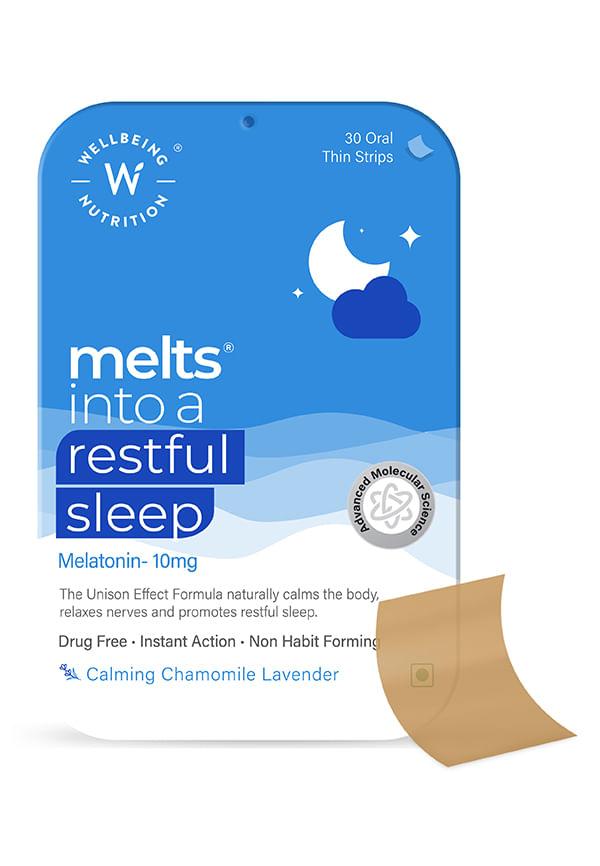 30 Strips
Melts Restful Sleep Melatonin 10mg with Tagara, Passion Flower, L-Theanine, Chamomile (30 Oral Strips)
College life can feel like a constant juggling act between assignments, exams, social pressures, and figuring out your future. If you're feeling overwhelmed, you're definitely not alone—studies show that around 85% of students experience significant anxiety during their university years. The good news? There are proven strategies for anxiety relief for students that can help you not just survive, but actually thrive during this transformative time. Let's dive into practical, science-backed techniques that fit into your busy student life and budget.
Before we jump into solutions, it's worth understanding why student mental health has become such a pressing issue. College brings a perfect storm of stressors that can trigger anxiety in even the most confident individuals.
When you're under constant academic pressure, your brain's stress response system goes into overdrive. This chronic activation of your fight-or-flight response can actually impair the very thing you're trying to improve—your ability to learn and remember information. Research shows that prolonged academic stress can shrink the prefrontal cortex, the area responsible for decision-making and emotional regulation, whilst enlarging the amygdala, your brain's alarm system.
Recognising what sets off your anxiety is the first step in managing it effectively. Here are the most common culprits:
Test anxiety and performance pressure during exams
Social situations and making new friends
Financial stress and concerns about student debt
Uncertainty about career choices and future prospects
Transition challenges from the structured environment of school to independent college life
Comparison with peers on social media
When anxiety hits hard, you need tools that work fast. These evidence-based calming techniques can provide relief in minutes, not hours.
This simple breathing exercise can calm your nervous system in under a minute. Here's how to do it:
Inhale through your nose for 4 counts
Hold your breath for 7 counts
Exhale through your mouth for 8 counts
Repeat 3-4 times
This technique is perfect for test anxiety because you can do it right at your desk before an exam starts. The extended exhale activates your parasympathetic nervous system, naturally reducing stress hormones.
When you've been hunched over textbooks for hours, physical tension builds up and amplifies anxiety. Progressive muscle relaxation helps break this cycle by systematically tensing and releasing different muscle groups. Start with your toes and work your way up to your head, holding tension for 5 seconds before releasing. This technique is brilliant for dorm rooms or even the library—no one will know you're doing it.
 Pack of 2
SOMNI Natural Sleep Aid Daily Herbal Supplement for Men & Women
The 5-4-3-2-1 technique is your emergency toolkit for panic attacks or overwhelming anxiety:
5 things you can see
4 things you can touch
3 things you can hear
2 things you can smell
1 thing you can taste
This grounds you in the present moment and interrupts the anxiety spiral.
Whilst quick fixes are essential, building sustainable stress management habits will transform your entire college experience. These strategies focus on prevention rather than just reaction.
One of the biggest sources of anxiety in college is feeling like you're constantly behind. Time-blocking can be a game-changer here. Instead of vague plans like "study biology," block out specific times for specific tasks: "Review Chapter 5 notes, 2-3 PM." This creates structure and prevents that overwhelming feeling of having infinite work to do.
Break large projects into smaller, manageable chunks. A 20-page research paper feels impossible, but "write introduction paragraph" feels doable. Always build in buffer time for unexpected challenges—because let's be real, something always comes up.
Mindfulness for students doesn't require hour-long meditation sessions. Even five minutes of morning mindfulness can set a calmer tone for your entire day. Try a simple breathing meditation whilst your coffee brews, or practice walking meditation between classes instead of scrolling your phone.
Mindful eating in dining halls is another brilliant way to incorporate this practice. Focus on the taste, texture, and smell of your food. It's a natural stress-reliever that you're already making time for anyway.
Poor sleep and anxiety create a vicious cycle—anxiety makes it harder to sleep, and sleep deprivation increases anxiety. Create an anxiety-friendly sleep environment by keeping your room cool, dark, and quiet. If racing thoughts keep you awake, try the "brain dump" technique: write down everything on your mind before bed to clear mental space.
Your body and mind are connected, so taking care of your physical health directly impacts your mental well-being. These natural approaches to coping with anxiety work alongside other strategies for maximum effectiveness.
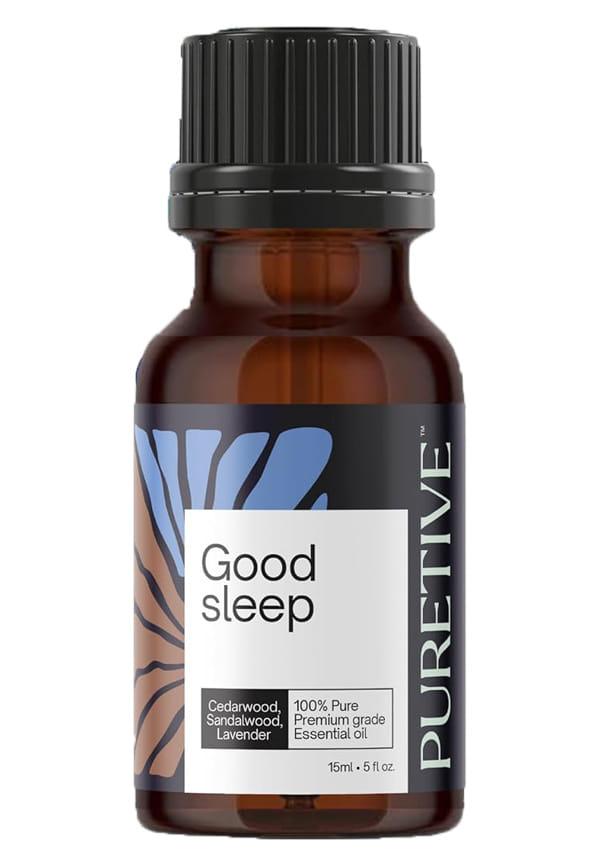 15 ml
15 mlThe Good Sleep Blend Essential Oil
What you eat directly affects how you feel. Foods rich in omega-3 fatty acids (like walnuts and fish), magnesium (dark chocolate and leafy greens), and complex carbohydrates (oats and quinoa) naturally support your nervous system. On a student budget, focus on affordable anxiety-fighting foods like bananas, eggs, and yoghurt.
Limit caffeine, especially during stressful periods. That third cup of coffee might seem necessary, but it can actually amplify anxiety symptoms and disrupt sleep.
Exercise is one of the most effective natural treatments for anxiety, and you don't need a gym membership to benefit. Take advantage of campus recreation facilities, join intramural sports, or simply take walking breaks during study sessions. Even 10 minutes of movement can reduce anxiety for up to 12 hours.
Certain natural supplements have solid research backing their anxiety-reducing effects. Chamomile tea, magnesium supplements, and omega-3 fatty acids can support your mental health naturally. However, always consult with campus health services before starting any new supplements, especially if you're taking other medications.
Speaking of natural wellness support, platforms like Smytten make it easier for students to explore wellness products without the financial stress. With trial packs from trusted brands, you can discover what works for your unique needs before committing to full-size purchases—perfect for student budgets.
Isolation often makes anxiety worse, so building connections is crucial for your mental health. This doesn't mean forcing yourself into overwhelming social situations, but rather finding your people in manageable ways.
Many students don't realise that anxiety can qualify for academic accommodations. If your anxiety significantly impacts your academic performance, reach out to your university's disability services office. They can help arrange extensions, alternative testing environments, or other modifications that level the playing field.
Join clubs or societies aligned with your interests rather than what you think looks good on a CV. Shared interests create natural conversation starters and reduce social anxiety. Study groups can serve double duty—helping with academics whilst building friendships in a structured environment.
If anxiety is significantly impacting your daily life, academic performance, or relationships, it's time to seek professional support. Most universities offer free counselling services, and many now provide teletherapy options for added convenience and privacy.
 Pack of 16
Sweet Sleep Tea
Your smartphone can be part of the solution rather than just a source of stress. The right apps and digital boundaries can support your mental health journey.
Many meditation and mental health apps offer student discounts. Look for apps that include anxiety tracking features, guided meditations, and mood monitoring tools. Some universities even provide free access to premium mental health apps through their student services.
Social media can be a major anxiety trigger, especially the comparison trap of seeing everyone else's highlight reels. Set specific times for checking social media rather than mindlessly scrolling throughout the day. Use your phone's built-in screen time controls to create healthy boundaries.
Use the 4-7-8 breathing technique right before the exam starts. Arrive early to settle in, and if you feel panic rising during the test, pause for 30 seconds to do some deep breathing. Remember that some anxiety is normal and can actually improve performance when managed well.
Focus on free resources like campus counselling services, exercise using university facilities, and natural techniques like breathing exercises and mindfulness. Many universities also provide free access to mental health apps and workshops.
Absolutely. Research shows that relaxation techniques, regular exercise, proper nutrition, and good sleep hygiene can significantly reduce anxiety symptoms. However, if your anxiety is severe, don't hesitate to seek professional help—sometimes a combination of natural methods and professional treatment works best.
Seek help if anxiety is interfering with your daily activities, academic performance, sleep, or relationships. Physical symptoms like frequent panic attacks, persistent worry that you can't control, or avoiding important activities are also red flags that professional support would be beneficial.
Managing anxiety in college isn't about eliminating stress completely—it's about developing healthy well-being strategies that help you navigate challenges with confidence. Remember that seeking help is a sign of strength, not weakness, and that small, consistent changes often create the biggest impact on your mental health.
The techniques we've covered—from immediate breathing exercises to long-term lifestyle changes—work best when combined and personalised to your unique situation. Just like Smytten helps you discover the right products for your individual needs through trial and exploration, finding the right combination of anxiety management strategies takes time and experimentation. The key is to start somewhere and be patient with yourself as you build these new habits.
Your college years are meant to be transformative and growth-filled, not just survived. With the right tools and support, you can absolutely thrive during this exciting chapter of your life.
