How to Find Natural Pain Relief With These Simple Tips


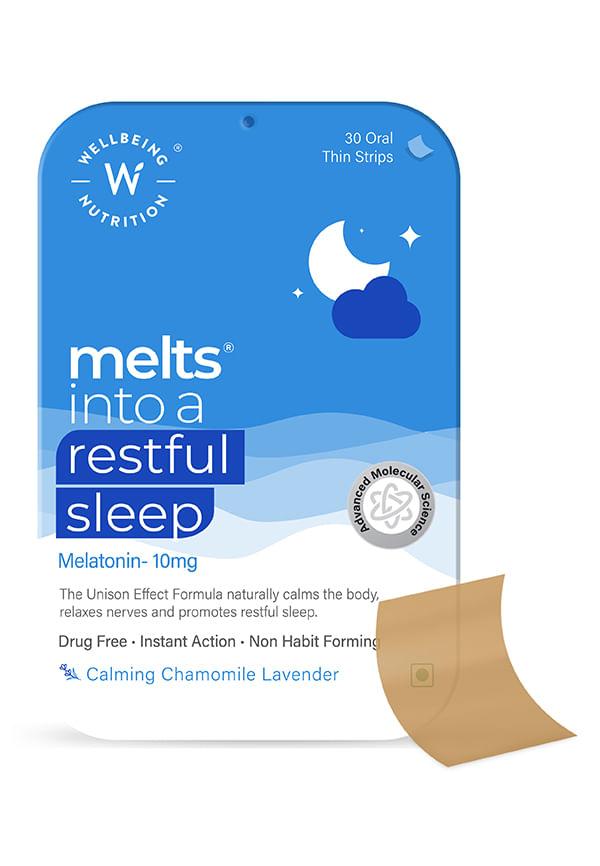 30 Strips
Melts Restful Sleep Melatonin 10mg with Tagara, Passion Flower, L-Theanine, Chamomile (30 Oral Strips)
Living with pain can feel overwhelming, whether it's that nagging headache after a long day or persistent back pain that just won't quit. The good news? You don't always need to reach for the medicine cabinet to find relief. Natural pain relief methods have been helping people manage discomfort for centuries, and modern science is backing up what our grandparents already knew. From simple heat therapy to mindful breathing techniques, there are plenty of gentle yet effective ways to tackle pain head-on. Let's explore some tried-and-tested pain relief tips that might just become your new go-to solutions.
Before diving into specific techniques, it's worth understanding why natural approaches can be so effective. Your body has its own built-in pain management system, and natural methods work by tapping into these existing pathways rather than masking symptoms.
When you experience pain, your nervous system sends signals to your brain through specific pathways. Natural pain relief techniques work by either blocking these signals or encouraging your body to release its own pain-fighting chemicals called endorphins. These "feel-good" hormones are actually more powerful than many over-the-counter medications.
Heat therapy, for instance, increases blood flow and relaxes muscles, whilst cold therapy numbs the area and reduces inflammation. Movement-based techniques help release endorphins naturally, creating a powerful pain-fighting cocktail that your body produces on its own.
Not all pain is created equal, and understanding the difference can help you choose the right approach. Acute pain typically comes on suddenly and is often linked to injury or inflammation. This type responds well to immediate interventions like cold therapy or rest.
Chronic pain, on the other hand, persists for weeks or months and often benefits from a combination of approaches. Whether you're dealing with muscle pain relief needs, joint pain relief, or back pain remedies, natural methods can be particularly effective for ongoing discomfort that doesn't have a clear underlying injury.
Temperature therapy is one of the most accessible and effective pain management techniques available. The beauty of heat and cold therapy lies in its simplicity—you probably have everything you need right at home.
Cold therapy works brilliantly for acute pain relief, especially when there's swelling or inflammation involved. Think of it as nature's anaesthetic—it numbs the area whilst reducing blood flow to limit swelling.
The classic RICE method (Rest, Ice, Compression, Elevation) remains one of the most effective home remedies for pain from fresh injuries. Apply ice for 15-20 minutes at a time, with at least 20 minutes between applications. Always wrap ice in a thin towel to protect your skin from direct contact.
Heat therapy shines when dealing with muscle stiffness, joint pain relief needs, or chronic conditions. Warmth increases blood flow, relaxes tight muscles, and can significantly improve flexibility.
Try a warm bath with Epsom salts, a heating pad on low setting, or even a hot water bottle wrapped in a towel. Heat therapy works best when applied for 15-20 minutes at a time. Just remember—if there's any swelling present, stick to cold therapy instead.
Contrast therapy—alternating between heat and cold—can be particularly effective for certain types of pain. This technique helps pump blood in and out of the affected area, potentially speeding up healing whilst providing relief.
Start with heat for 3-4 minutes, then switch to cold for 1 minute. Repeat this cycle 3-5 times, always ending with cold. This approach works well for joint pain relief and can be especially helpful for arthritis-related discomfort.
It might seem counterintuitive, but gentle movement is often one of the best pain relief tips available. The key word here is "gentle"—we're not talking about intense workouts, but rather mindful movement that helps your body heal.
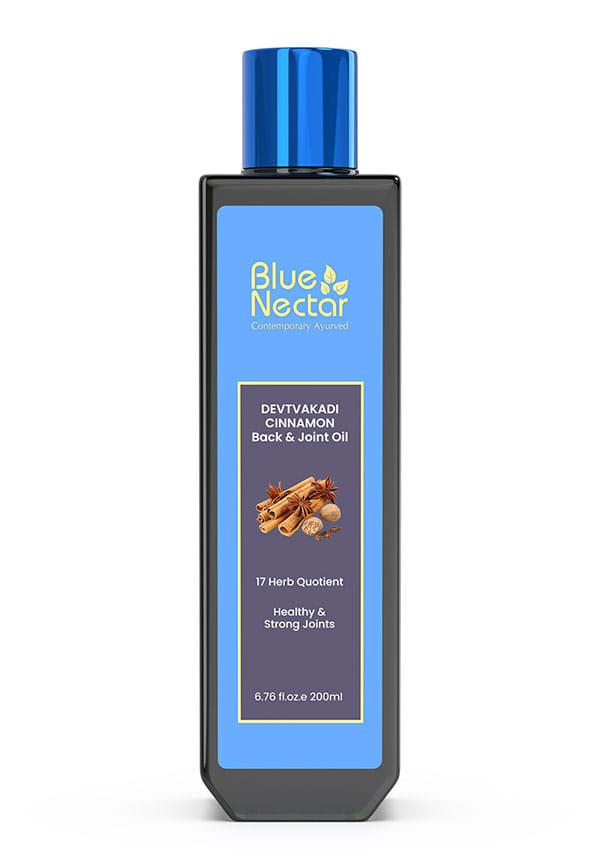 200 g
200 gAyurvedic Pain Relief Oil for Body, Back, Knee and Legs 17 Herbs
Low-impact activities like walking, swimming, or gentle dancing can work wonders for pain management. Movement helps block pain signals naturally through what scientists call the "gate control theory"—essentially, movement sensations can override pain sensations in your nervous system.
Start small and listen to your body. Even a 10-minute walk around the block can trigger endorphin release and improve circulation. Swimming is particularly brilliant because the water supports your body weight whilst allowing for full range of motion.
Targeted stretching can address specific pain points whilst improving overall flexibility. For back pain remedies, try gentle spinal twists or knee-to-chest stretches. Cat-cow poses work brilliantly for spinal mobility.
Yoga combines stretching with mindful breathing, making it a powerful tool for both physical and mental aspects of pain management. Child's pose, gentle forward folds, and supported bridge poses are excellent starting points for beginners.
Isometric exercises involve muscle contractions without joint movement, making them perfect when regular exercise feels too challenging. These exercises can strengthen muscles around painful areas without aggravating the condition.
Try wall sits for leg strength, planks for core stability, or simply pressing your palms together in front of your chest for 5-10 seconds. These exercises can be done anywhere and require no equipment.
Your mind plays a huge role in how you experience pain. Stress, anxiety, and negative thoughts can actually amplify pain signals, whilst relaxation and positive coping strategies can significantly reduce discomfort.
Mindfulness meditation teaches you to observe pain without fighting it, which can paradoxically reduce its intensity. Deep breathing exercises provide immediate relief by activating your body's relaxation response.
Try the 4-7-8 breathing technique: breathe in for 4 counts, hold for 7, then exhale for 8. This simple practice can help shift your nervous system from stress mode to rest mode, naturally reducing pain perception.
Your brain can't always distinguish between real and imagined experiences, which makes visualisation a powerful pain management tool. Picture yourself in a peaceful, pain-free environment—perhaps a warm beach or quiet forest.
Guided imagery apps or recordings can help you develop this skill. With practice, you can learn to "transport" yourself mentally when pain strikes, giving your nervous system a much-needed break.
Progressive muscle relaxation involves systematically tensing and releasing different muscle groups. This technique helps you identify areas of tension you might not even realise you're holding.
Start with your toes and work your way up to your head, tensing each muscle group for 5 seconds before releasing. This practice can break the cycle of stress-induced muscle tension that often contributes to chronic pain solutions.
Your home is full of potential pain relief tools—you just need to know how to use them effectively. These simple techniques can provide significant relief without any special equipment or expensive treatments.
 120 ml
Morpheme Remedies Arthcare Pain Relief Oil For Body, Back, Legs, Knee, 120 ml
Self-massage using tennis balls, foam rollers, or even your own hands can provide targeted muscle pain relief. For back pain remedies, try placing a tennis ball between your back and a wall, then gently rolling it around tight spots.
Foam rolling works brilliantly for larger muscle groups like your thighs or calves. Roll slowly and pause on tender spots for 30-60 seconds. Remember, some discomfort is normal, but sharp pain means you should ease up.
Turmeric contains curcumin, a compound with powerful anti-inflammatory properties that rival some medications. Try adding turmeric to warm milk or taking it as a supplement (always check with your healthcare provider first).
Essential oils like peppermint, eucalyptus, or lavender can provide topical relief when diluted with a carrier oil. These natural remedies work through different mechanisms—peppermint provides a cooling sensation, whilst lavender promotes relaxation.
Poor sleep and pain create a vicious cycle—pain disrupts sleep, and lack of sleep makes pain worse. Creating an optimal sleep environment is crucial for natural pain relief.
Keep your bedroom cool, dark, and quiet. Consider your sleeping position—side sleeping with a pillow between your knees often works best for back pain remedies. A supportive mattress and pillow can make a significant difference in morning stiffness and pain levels.
Whilst quick fixes are helpful, lasting pain relief often comes from sustainable lifestyle changes. These modifications work gradually but can provide profound long-term benefits for chronic pain solutions.
What you eat directly impacts inflammation levels in your body. Foods rich in omega-3 fatty acids (like salmon and walnuts), antioxidants (berries and leafy greens), and spices like ginger and turmeric can naturally reduce inflammation.
Limit processed foods, excess sugar, and trans fats, which can increase inflammation. Consider keeping a food diary to identify any dietary triggers that might be contributing to your pain levels.
Chronic stress releases hormones that can increase pain sensitivity and inflammation. Building stress resilience through regular relaxation practices, social connections, and enjoyable activities is essential for long-term pain management.
Consider activities that bring you joy—whether that's gardening, reading, or spending time with loved ones. These positive experiences naturally boost endorphin levels and provide emotional relief from chronic pain.
Smoking restricts blood flow and slows healing, whilst excessive alcohol can disrupt sleep and increase inflammation. A sedentary lifestyle leads to muscle weakness and stiffness, often worsening pain over time.
Poor posture, especially from prolonged sitting or looking down at devices, creates muscle imbalances that contribute to neck and back pain. Simple changes like regular movement breaks and ergonomic adjustments can make a significant difference.
Whilst natural pain relief methods are incredibly effective, it's important to know when professional help is needed. Some situations require medical attention, and there's no shame in seeking support when natural methods aren't enough.
 15 ml
15 mlThe Good Sleep Blend Essential Oil
Severe pain accompanied by fever, sudden onset of intense pain, or pain that significantly worsens despite self-care measures warrant immediate medical attention. Pain that interferes with daily activities for more than a few days should also be evaluated.
Numbness, tingling, or weakness alongside pain could indicate nerve involvement that needs professional assessment. Trust your instincts—if something feels seriously wrong, it's always better to err on the side of caution.
Natural pain relief techniques work brilliantly alongside conventional medical treatments. Many healthcare providers now embrace integrative approaches that combine the best of both worlds.
Be open with your healthcare team about the natural methods you're using. They can help you create a comprehensive pain management plan that maximises the benefits of all approaches whilst ensuring safety.
Effective pain management is highly individual—what works for one person might not work for another. Keep a pain diary to track what triggers your pain and which techniques provide the most relief.
Create a toolkit of go-to techniques for different situations. You might use cold therapy for acute flare-ups, heat therapy for morning stiffness, and breathing exercises for stress-related pain. Having multiple options ensures you're prepared for whatever pain throws your way.
For immediate relief, try the RICE method for injuries (Rest, Ice, Compression, Elevation), apply cold therapy for acute pain, or use heat for muscle stiffness. Deep breathing exercises and gentle movement can also provide quick relief by activating your body's natural pain-fighting mechanisms.
Turmeric (curcumin) is one of the most researched natural pain relievers, showing anti-inflammatory effects similar to some medications. Cold therapy for acute injuries and heat for chronic pain are also highly effective natural methods that work immediately.
Combine heat and cold therapy, gentle exercise, meditation, proper sleep, and anti-inflammatory foods. Self-massage, stretching, and stress management techniques can effectively manage pain without medication by working with your body's natural healing processes.
The four steps include: 1) Immediate relief through heat, cold therapy, or rest, 2) Movement and gentle exercise to release endorphins, 3) Mind-body techniques like meditation and breathing exercises, and 4) Lifestyle modifications including diet, sleep hygiene, and stress management for long-term relief.
Natural pain relief isn't about replacing medical care—it's about empowering yourself with effective, accessible tools that work with your body's own healing mechanisms. From simple heat and cold therapy to mindful movement and stress management, these pain relief tips offer real solutions that you can implement today.
The beauty of natural approaches lies in their accessibility and safety. Most techniques cost nothing and can be done at home, making them perfect for ongoing pain management. Remember, consistency is key—regular practice of these techniques often provides better long-term results than sporadic use.
Just as Smytten believes you should never have to settle for products that don't work for you, you shouldn't have to settle for living with unnecessary pain. With over 25 million users discovering products that truly work for their needs, Smytten understands the importance of finding solutions that fit your lifestyle. Whether you're exploring wellness products to support your pain management journey or looking for other lifestyle essentials, the platform's trial packs let you discover what works before committing to full-size purchases. After all, why settle for 'maybe' when you can try it all and find what truly brings you relief?
