How to Discover Holistic Health: A Complete Guide


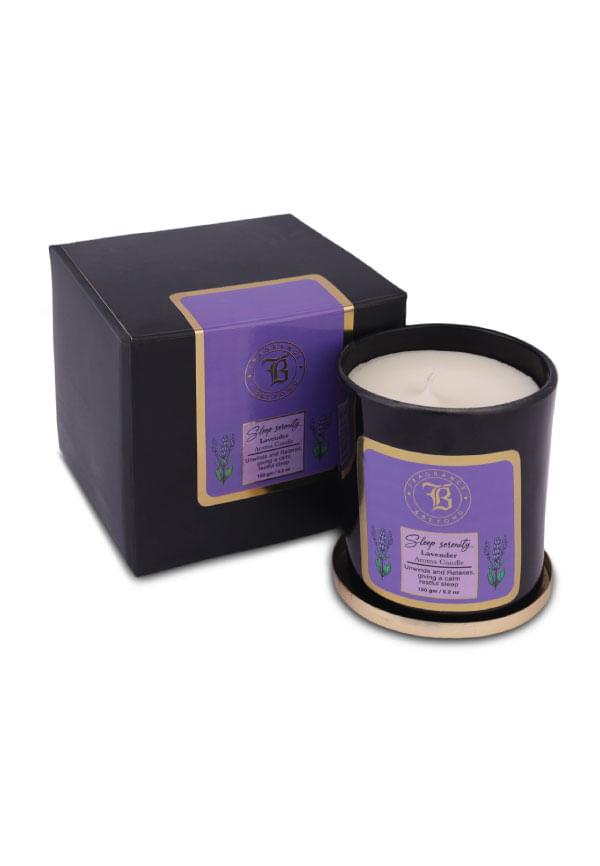 150 gm
Aromatherapy Sleep Serenity Soy Candle Lavender
Real talk—when life feels like a constant juggling act between work deadlines, social commitments, and trying to stay healthy, it's easy to feel a bit scattered. You might find yourself wondering if there's a better way to approach wellness that doesn't involve treating symptoms in isolation. That's where the journey to discover holistic health begins. Unlike traditional approaches that focus on specific issues, holistic wellness looks at you as a complete person—mind, body, and spirit working together. It's about finding balance in all areas of your life, from what you eat and how you move to how you manage stress and connect with others. This approach isn't just trendy wellness speak; it's a time-tested way of thinking about health that's gaining serious traction in modern healthcare.
Let's start with the basics. Holistic health is essentially the idea that your wellbeing depends on much more than just physical symptoms. It's about recognising that your mental state, emotional health, social connections, and even spiritual beliefs all play crucial roles in how you feel overall.
Think of it like this: if your body were a smartphone, traditional medicine might focus on fixing individual apps when they crash. Holistic wellness, on the other hand, looks at the entire operating system—making sure everything runs smoothly together. The mind body spirit connection isn't just philosophical; there's real science backing up how these elements influence each other.
The foundation rests on five key pillars: physical health (your body's functioning), mental health (cognitive processes and clarity), emotional health (how you process and express feelings), social health (your relationships and community connections), and spiritual health (your sense of purpose and meaning). When these areas work in harmony, you're more likely to feel balanced and resilient.
What makes integrative health different from conventional medicine is its focus on prevention and treating root causes rather than just managing symptoms. Instead of waiting until something goes wrong, this approach emphasises maintaining wellness through lifestyle choices and preventative care strategies.
Now that we've covered the foundation, let's dive into what actually makes up a holistic approach to health and wellbeing. Each component supports the others, creating a comprehensive framework for wellness.
Your physical health forms the base of everything else. Natural healing approaches focus on supporting your body's innate ability to maintain and restore health.
Nutrition plays a massive role here. Rather than following restrictive diets, holistic nutrition emphasises whole foods that nourish your body at a cellular level. Think colourful vegetables, quality proteins, healthy fats, and minimally processed foods. It's about eating in a way that supports your energy levels, mood, and long-term health.
Movement is equally important, but it doesn't have to mean gruelling gym sessions. Wellness practices might include yoga, walking in nature, dancing, or any activity that gets your body moving in ways that feel good. The key is consistency and finding joy in movement.
Sleep often gets overlooked, but it's when your body does its most important repair work. Quality sleep supports everything from immune function to emotional regulation, making it a non-negotiable part of holistic health.
Your mental and emotional states are deeply interconnected with your physical health. Chronic stress, for instance, can manifest as physical symptoms like headaches, digestive issues, or weakened immunity.
Stress management becomes a crucial skill in holistic health. This might involve meditation, deep breathing exercises, journaling, or simply setting boundaries in your daily life. The goal isn't to eliminate stress entirely—that's impossible—but to develop healthy ways of responding to it.
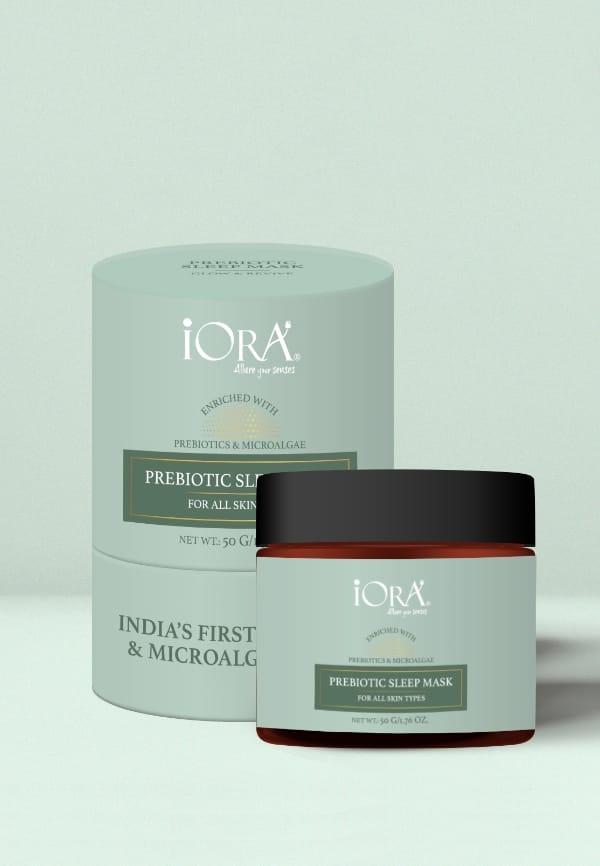 50 gm
50 gmPrebiotic Sleep Mask
Mindfulness practices help you stay present and aware of your thoughts and feelings without getting overwhelmed by them. Even five minutes of daily meditation can make a noticeable difference in how you handle life's challenges.
The spiritual aspect of holistic health doesn't necessarily mean religion, though it can. It's more about having a sense of purpose, meaning, and connection to something larger than yourself.
Social connections are equally vital. Humans are inherently social beings, and strong relationships contribute significantly to both mental and physical health. This includes family, friends, community groups, or even online communities that share your interests and values.
Connecting with nature also falls into this category. Spending time outdoors, whether it's gardening, hiking, or simply sitting in a park, has been shown to reduce stress and improve overall wellbeing.
When you start to discover holistic health, you'll likely encounter various forms of alternative medicine and complementary therapies. These approaches work alongside conventional medicine to support your overall wellness.
Functional medicine is one approach that's gaining recognition in mainstream healthcare. It focuses on identifying and addressing the root causes of illness rather than just treating symptoms. Practitioners look at factors like genetics, environment, lifestyle, and nutrition to create personalised treatment plans.
Other evidence-based natural healing modalities include acupuncture for pain management, herbal medicine for various conditions, massage therapy for stress relief and muscle tension, and chiropractic care for musculoskeletal issues. Each of these has research supporting their effectiveness for specific conditions.
The key to safely exploring alternative medicine is working with qualified practitioners and keeping your primary healthcare provider informed about any complementary treatments you're considering. Quality and safety standards vary widely in this field, so doing your research is essential.
Remember, integrative health doesn't mean replacing conventional medicine entirely. Instead, it's about combining the best of both worlds—using conventional medicine when necessary while incorporating holistic approaches to support overall wellness and prevent future health issues.
Ready to put theory into practice? Starting your holistic health journey doesn't require a complete life overhaul. Small, consistent changes often lead to the most sustainable results.
Lifestyle medicine focuses on using everyday habits as medicine. Your morning routine sets the tone for the entire day, so consider incorporating practices like gentle stretching, meditation, or simply taking a few minutes to set intentions.
Evening routines are equally important for winding down and preparing for quality sleep. This might include limiting screen time, reading, taking a warm bath, or practising gratitude.
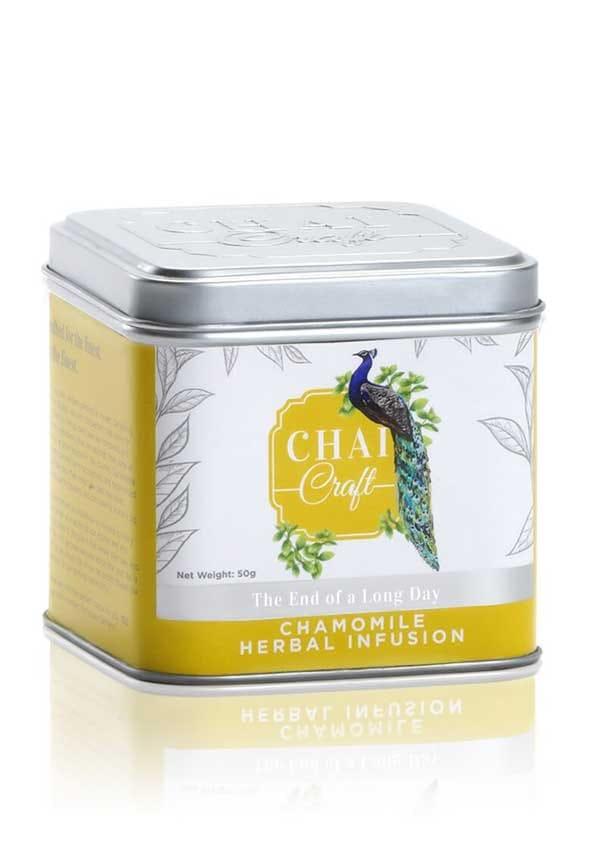 50 gm
50 gmChamomile Herbal Infusion, Herbal Tea for Excellent Sleep
Meal planning becomes much easier when you focus on whole foods and batch preparation. Spending a bit of time on weekends preparing healthy snacks and meals can save you from making less healthy choices during busy weekdays.
Preventative care is at the heart of holistic health. Regular check-ups with healthcare providers help catch potential issues early, but you can also monitor your own health through simple practices like tracking energy levels, mood, and sleep patterns.
Building resilience—your ability to bounce back from challenges—involves developing coping strategies, maintaining social connections, and taking care of your physical health. Think of it as building a strong foundation that can weather life's storms.
Immunity support goes beyond just taking supplements. It includes getting adequate sleep, managing stress, eating nutrient-dense foods, staying hydrated, and maintaining good hygiene practices.
Your holistic health journey should be as unique as you are. Start by assessing where you currently are in each area—physical, mental, emotional, social, and spiritual health. Identify which areas need the most attention and set realistic, achievable goals.
Progress tracking doesn't have to be complicated. A simple journal noting how you feel each day, what you ate, how you moved, and any stress levels can provide valuable insights over time.
The key to building sustainable habits is starting small and being consistent. Choose one or two practices to focus on initially, and only add more once these become natural parts of your routine.
You don't have to navigate your holistic wellness journey alone. Building a support system of qualified practitioners, supportive relationships, and reliable resources makes the process much more manageable and effective.
When looking for holistic healthcare practitioners, research their credentials, read reviews, and don't hesitate to ask questions about their approach and experience. Many practitioners offer initial consultations where you can determine if their style aligns with your needs and goals.
Creating a healthcare team might include your primary care physician, a nutritionist or dietitian, a mental health counsellor, and perhaps specialists in areas like acupuncture or massage therapy. The key is ensuring everyone communicates and works together towards your wellness goals.
Online communities and educational resources can provide ongoing support and learning opportunities. Look for reputable websites, evidence-based information, and communities that promote balanced, safe approaches to holistic health.
Just as you might try different wellness products before committing to full sizes, platforms like Smytten make it easier to explore various health and wellness brands. With access to trial packs from trusted wellness brands, you can discover what works for your unique needs without the commitment of full-size purchases. This approach aligns perfectly with the holistic health philosophy of personalised, mindful choices.
 60 Tablets
Melatonin With Vitamin B6 - Tablets Promotes Restful Sleep & Relaxation
The five essential components are physical, mental, emotional, social, and spiritual wellness. These areas work together to create complete wellbeing, with each element supporting and influencing the others.
Begin with small, manageable changes like mindful eating, regular movement, stress management techniques, and building meaningful relationships. Gradually incorporate natural healing practices that resonate with you, and focus on consistency rather than perfection.
Many holistic practices have substantial scientific backing, including meditation for stress reduction, nutrition for disease prevention, exercise for mental health, and the mind body spirit connection. However, it's important to distinguish between evidence-based practices and those lacking scientific support.
Integrative health works best as a complement to conventional medicine rather than a replacement. It focuses on prevention and whole-person wellness while conventional medicine excels at treating acute conditions and serious illnesses.
Holistic health is a comprehensive approach that considers the whole person, while alternative medicine refers to specific treatments used instead of or alongside conventional medicine. Holistic health can incorporate various alternative therapies as part of a broader wellness strategy.
Results vary depending on the practices you adopt and your individual circumstances. Some benefits, like improved mood from exercise or better sleep from relaxation techniques, might be noticeable within days or weeks. Long-term benefits typically develop over months of consistent practice.
Your journey to discover holistic health is exactly that—a journey, not a destination. It's about finding what works for your unique lifestyle, preferences, and health goals. The beauty of holistic wellness lies in its flexibility and personalisation. You might find that certain wellness practices resonate deeply with you while others don't feel like the right fit, and that's perfectly fine.
Remember, sustainable change happens gradually. Start with one or two practices that feel manageable and build from there. Whether it's incorporating more whole foods into your diet, adding a daily walk to your routine, or practising five minutes of meditation, small steps can lead to significant improvements in your overall health and wellbeing.
The key is to approach your wellness journey with curiosity and self-compassion. Just as Smytten allows you to try products before committing to full sizes, give yourself permission to experiment with different holistic health approaches. With over 25 million users discovering what works for them through trial and exploration, the platform embodies the same philosophy that makes holistic health so effective—the freedom to explore without pressure, find what truly works for you, and make confident choices about your wellbeing. After all, why settle for 'maybe' when you can try it all and discover your perfect path to holistic health?
