How to Discover Anxiety Relief: A Comprehensive Guide

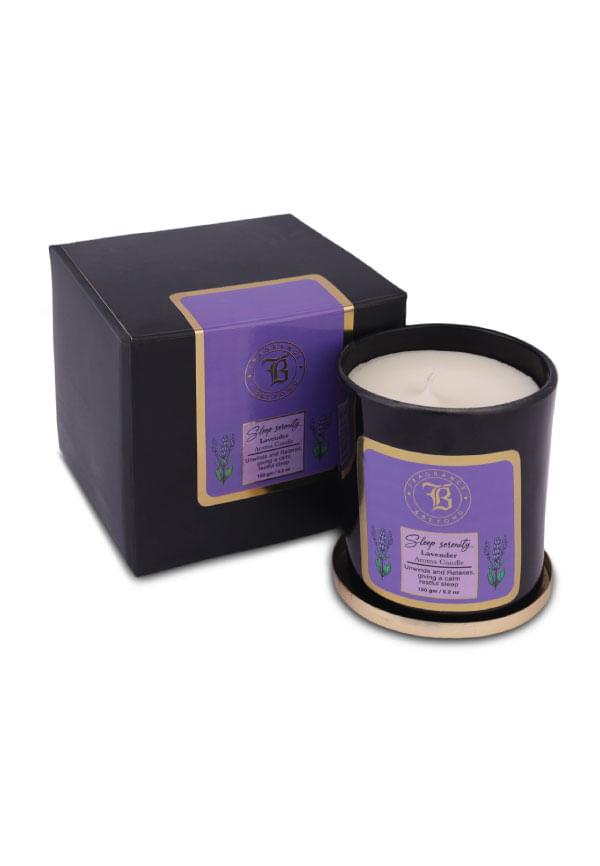 150 gm
Aromatherapy Sleep Serenity Soy Candle Lavender
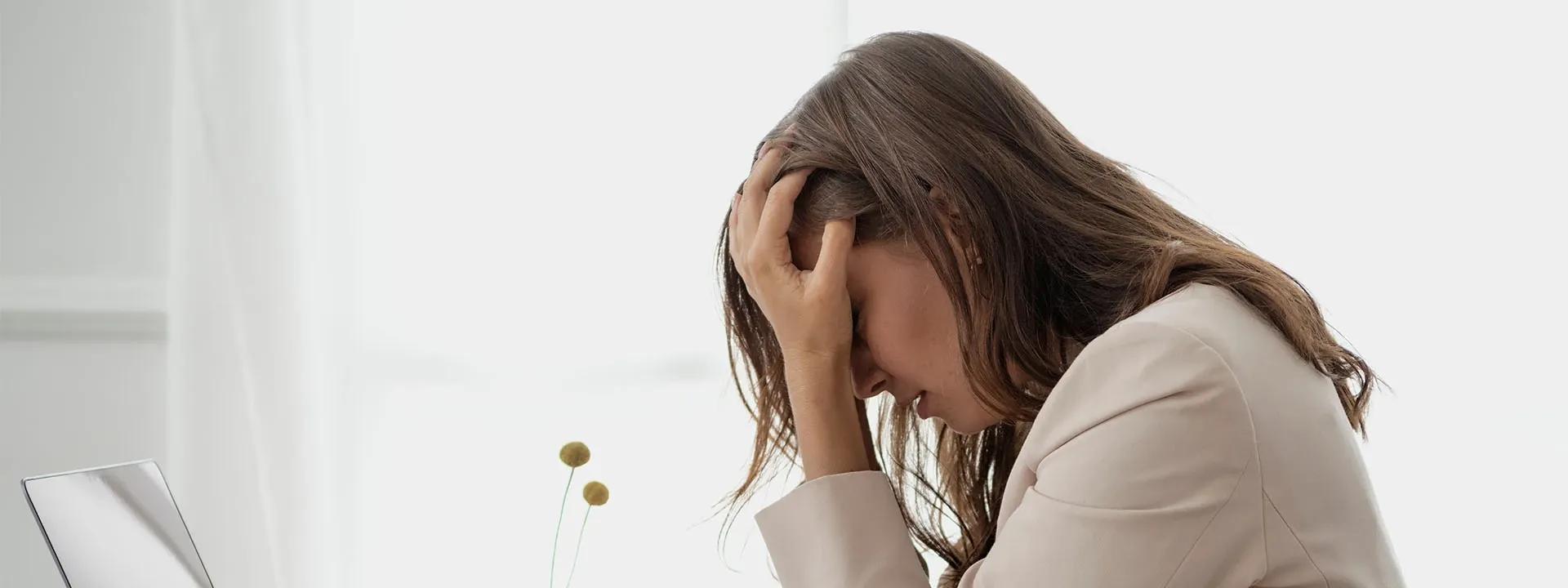
Let's be real—anxiety can feel like an unwelcome guest that just won't leave. Whether it's that racing heart before a big presentation or the constant worry that keeps you up at night, learning how to discover anxiety relief is one of the most valuable skills you can develop. The good news? There are proven techniques and strategies that can help you find your calm, from immediate panic attack relief to long-term anxiety management approaches. This guide walks you through everything you need to know about managing anxiety naturally, building emotional wellbeing, and creating a toolkit that actually works when you need it most.
Before diving into solutions, it's worth understanding what you're actually dealing with. Anxiety isn't just feeling a bit stressed—it's your body's alarm system working overtime. When anxiety kicks in, your heart might race, your palms get sweaty, and your mind starts spiralling through worst-case scenarios. Anxiety shows up differently for everyone. Some people experience physical symptoms like headaches, muscle tension, or stomach issues. Others deal with mental symptoms like racing thoughts, difficulty concentrating, or constant worry. The key thing to remember is that anxiety is incredibly common—you're definitely not alone in this. The difference between normal stress and anxiety disorders comes down to intensity and duration. Everyone feels anxious sometimes, but when it starts interfering with your daily life, relationships, or work, that's when it becomes something worth addressing more seriously. Here's why the typical "just relax" advice doesn't work: telling someone with anxiety to relax is like telling someone with a broken leg to just walk it off. Anxiety involves real changes in your brain chemistry and nervous system, so you need actual techniques and anxiety coping strategies that work with your body's responses, not against them.
When anxiety hits hard, you need tools that work fast. These immediate calming techniques can help you regain control when panic starts to take over.
This technique pulls you out of your anxious thoughts and back into the present moment. Look around and identify 5 things you can see, 4 things you can touch, 3 things you can hear, 2 things you can smell, and 1 thing you can taste. It sounds simple, but it's incredibly effective for panic attack relief because it forces your brain to focus on concrete, immediate sensations rather than spiralling thoughts.
The 4-7-8 breathing technique is your go-to for quick stress reduction. Breathe in for 4 counts, hold for 7, then exhale for 8. This pattern activates your parasympathetic nervous system, which is basically your body's chill-out mode. Even just three rounds can make a noticeable difference.
Start with your toes and work your way up, tensing each muscle group for 5 seconds, then releasing. This technique helps you recognise where you're holding tension and teaches your body how to let it go. It's particularly helpful if anxiety makes you feel physically wound up.
When anxiety strikes in public, try the "bathroom break" strategy—excuse yourself for a few minutes to practice breathing exercises. You can also use discrete grounding techniques like pressing your feet firmly into the ground or holding a small object in your pocket to focus on its texture.
If you're looking for natural ways to manage anxiety, there are several evidence-based approaches that can make a real difference in your mental wellness journey.
Chamomile tea isn't just a bedtime ritual—it contains compounds that can genuinely help reduce anxiety. Other natural options include passionflower, valerian root, and magnesium supplements. Always chat with a healthcare provider before starting any new supplements, especially if you're taking other medications.
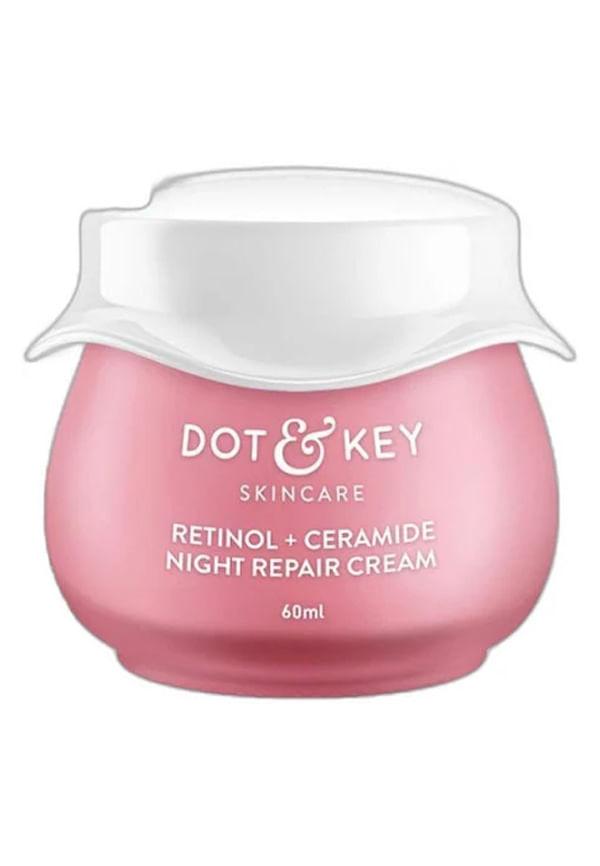 60 ml
60 mlNight Reset Retinol + Ceramide Sleep Treatment Cream
Lavender, bergamot, and ylang-ylang essential oils have been shown to help reduce anxiety symptoms. You can diffuse them, add a few drops to a warm bath, or even carry a small roller bottle for on-the-go relief. The key is finding scents that genuinely make you feel calmer—everyone's different.
What you eat affects how you feel more than you might think. Reducing caffeine can help if you're sensitive to stimulants. Adding omega-3 rich foods like salmon, walnuts, and flaxseeds supports brain health. Complex carbohydrates help stabilise blood sugar, which can prevent anxiety spikes.
Regular movement is one of the most effective natural anxiety treatments. You don't need to become a gym enthusiast—even a 20-minute walk can help. Exercise releases endorphins, reduces stress hormones, and gives your mind a break from anxious thoughts.
While immediate techniques are crucial, building long-term emotional wellbeing requires consistent practices that help you develop a different relationship with anxiety.
Mindfulness isn't about emptying your mind—it's about noticing your thoughts without getting caught up in them. Start with just 5 minutes a day of mindfulness for anxiety practice. Apps can be helpful, but you can also simply focus on your breath or notice sounds around you.
Body scan meditations are particularly helpful for anxiety because they help you tune into physical sensations and release tension. Loving-kindness meditation can help if your anxiety involves self-criticism or worry about others. The key is finding a style that resonates with you.
Gentle yoga combines movement, breathing, and mindfulness in one practice. Poses like child's pose, legs up the wall, and gentle twists can be particularly calming. Even if you're not flexible, there are modifications for every body type and ability level.
Develop a toolkit of relaxation methods that work for you. This might include a warm bath with essential oils, reading, listening to calming music, or doing gentle stretches. Having a go-to routine makes it easier to shift into relaxation mode when you need it.
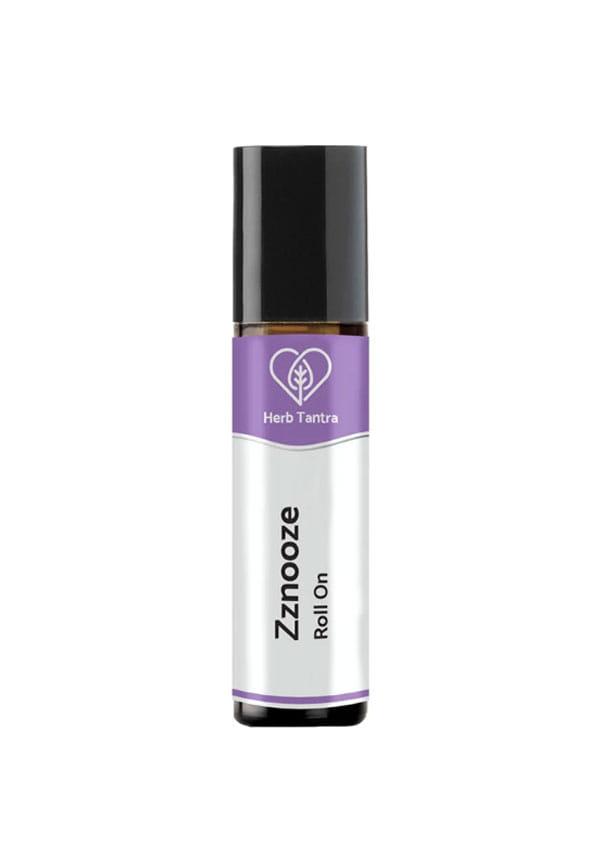 9 ml
9 mlZznooze Roll On For Better Sleep quality
Sustainable anxiety management often comes down to the daily choices that support your overall wellbeing. Small changes can add up to significant improvements in how you feel.
Poor sleep and anxiety create a vicious cycle—anxiety makes it hard to sleep, and lack of sleep makes anxiety worse. Create a calming bedtime routine, keep your bedroom cool and dark, and try to go to bed at the same time each night. If racing thoughts keep you awake, try keeping a notebook by your bed to jot down worries.
Talking about anxiety with trusted friends or family members can provide relief and perspective. Sometimes just saying "I'm feeling anxious" out loud can reduce its power. Don't be afraid to set boundaries with people or situations that consistently trigger your anxiety.
Overcommitting is a common anxiety trigger. Learn to say no to requests that don't align with your priorities or capacity. Breaking large tasks into smaller, manageable steps can prevent overwhelm. Remember, you don't have to do everything perfectly.
Your environment affects your mental state more than you might realise. Decluttering your space, adding plants, or creating a designated calm corner can help. Even small changes like using softer lighting in the evening can support relaxation.
Anxiety can present differently depending on your circumstances, and certain situations require tailored approaches for effective relief.
Hormonal fluctuations during menstrual cycles, pregnancy, or menopause can significantly impact anxiety levels. Tracking your symptoms alongside your cycle can help you anticipate and prepare for more challenging times. Gentle exercise, adequate sleep, and stress management become even more important during hormonal shifts.
Work-related anxiety is incredibly common. Practice discrete breathing exercises at your desk, take short walks during breaks, and don't hesitate to use your lunch break for actual relaxation. If possible, personalise your workspace with calming elements like a small plant or photos that make you smile.
Social situations can be particularly challenging. Prepare conversation starters in advance, arrive early to get comfortable with the environment, and give yourself permission to leave if you need to. Remember that most people are focused on themselves, not judging you.
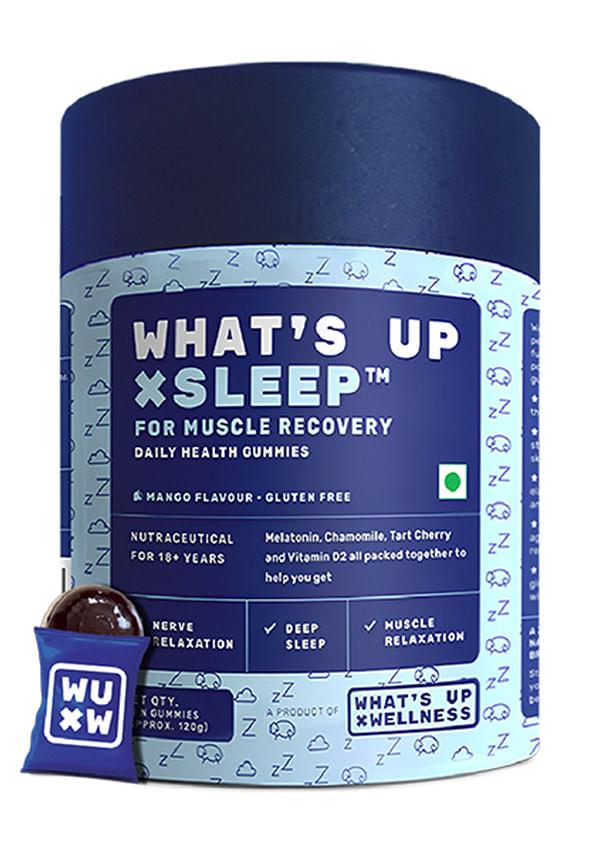 30 Gummies
Sleep Gummies
Major life changes—whether positive or negative—can trigger anxiety. During transitions, focus on maintaining routines where possible and be extra gentle with yourself. It's normal to feel unsettled during change, and this feeling will pass.
While self-help strategies are valuable, sometimes professional support is necessary for effective overcoming anxiety. Recognising when to seek help is a sign of strength, not weakness. If anxiety is interfering with your daily life, relationships, work, or sleep for more than a few weeks, it's worth talking to a healthcare provider. Signs that professional help might be beneficial include avoiding activities you used to enjoy, persistent physical symptoms, or feeling like anxiety controls your life rather than the other way around. There are several effective professional treatments for anxiety, including cognitive-behavioural therapy, which helps you identify and change thought patterns that contribute to anxiety. Some people benefit from medication, either short-term or long-term, depending on their situation. Finding the right mental health provider might take some time, but it's worth the effort. Look for someone who specialises in anxiety disorders and whose approach feels comfortable to you. Many therapists offer brief phone consultations to help you determine if they're a good fit. The most effective approach often combines professional treatment with self-care strategies. Your therapist can help you develop personalised coping techniques while you continue practicing the natural anxiety relief methods that work for you. Just as you might explore different wellness products to find what works best for your skin or hair, discovering the right anxiety management approach often involves trying various techniques. Smytten's philosophy of trying before committing applies beautifully to wellness—whether you're exploring aromatherapy products, herbal teas, or relaxation aids, having the opportunity to test different options helps you build a personalised anxiety relief toolkit without the pressure of large purchases.
Natural anxiety relief includes deep breathing exercises, regular physical activity, mindfulness meditation, herbal supplements like chamomile, and maintaining consistent sleep schedules. These methods work by regulating your nervous system and reducing stress hormones.
Effective stress and anxiety removal involves a combination of immediate techniques like the 5-4-3-2-1 grounding method and long-term strategies including regular exercise, proper nutrition, mindfulness practices, and building strong social connections.
Managing persistent anxiety requires consistent daily practices: structured breathing exercises, maintaining regular activities without restriction, identifying and addressing stress triggers, and incorporating regular physical exercise to improve mood and confidence.
While anxiety is a natural human response that can't be completely eliminated, excessive anxiety can be effectively managed and reduced to healthy levels through proper techniques, lifestyle changes, and professional treatment when needed.
Some of the most effective natural options include chamomile, passionflower, valerian root, magnesium supplements, and omega-3 fatty acids. However, always consult with a healthcare provider before starting any new supplements.
Learning how to discover anxiety relief is a journey, not a destination. The techniques that work best for you might be different from what works for others, and that's completely normal. Start with immediate relief techniques like grounding exercises and breathing methods, then gradually build in longer-term strategies like mindfulness and lifestyle changes. Remember that managing anxiety is about progress, not perfection. Some days will be easier than others, and that's part of the process. The goal isn't to eliminate anxiety completely—it's to develop a healthy relationship with it and build confidence in your ability to cope. Whether you're exploring natural remedies, trying new relaxation techniques, or considering professional support, the key is to keep experimenting until you find what works. Your anxiety relief toolkit might include breathing exercises, herbal teas, essential oils, regular exercise, or a combination of approaches. With over 25 million users discovering what works best for them across various wellness categories, Smytten understands that finding the right solutions often requires trying different options. Just as the platform helps users explore everything from skincare to wellness products through trial-sized options, your journey to anxiety relief benefits from the same exploratory approach—trying different techniques and strategies until you find your perfect combination.
