How to Create Good Sleep Habits for Wellness

 50 gm
50 gmChamomile Herbal Infusion, Herbal Tea for Excellent Sleep
Let's be real—we've all been there. Scrolling through your phone at 2 AM, promising yourself you'll sleep better tomorrow, only to repeat the same cycle. Creating good sleep habits isn't just about feeling less tired; it's about transforming your entire wellness game. Quality sleep affects everything from your mood and focus to your immune system and skin health. The good news? Building a solid sleep routine doesn't require a complete life overhaul. With the right approach and a bit of consistency, you can turn your nights into the restorative experience your body actually craves. Ready to ditch those restless nights for good?
Your sleep quality is basically the foundation of everything else in your wellness routine. Think of it as the charging station for your entire system—without proper rest, even the best skincare routine or workout plan won't deliver the results you're after. When you prioritise healthy sleep, your body gets the chance to repair and regenerate at the cellular level. This means better skin, stronger immunity, and improved cognitive function. Research shows that people who maintain consistent sleep patterns have lower rates of anxiety, depression, and chronic health conditions. Your metabolism also gets a major boost when you're well-rested, making it easier to maintain a healthy weight. The mental health benefits are equally impressive. Quality sleep helps regulate your emotions, improves memory consolidation, and enhances your ability to handle stress. Ever notice how everything feels more manageable after a good night's rest? That's your brain literally processing and filing away the day's experiences. Poor sleep habits, on the other hand, can wreak havoc on your wellness goals. Sleep deprivation weakens your immune system, making you more susceptible to illness. It also disrupts hormones that control hunger, leading to cravings for sugary and high-fat foods. The impact on your appearance is real too—dark circles, dull skin, and premature ageing are all linked to inadequate rest.
Here's where things get interesting—timing really is everything when it comes to better sleep. Sleep experts have developed some brilliant frameworks to help you optimise your evening routine, and they're surprisingly simple to follow. The most popular approach focuses on strategic timing before bedtime. About 10 hours before you plan to sleep, cut off caffeine completely. This includes coffee, tea, chocolate, and even some medications. Caffeine has a half-life of 6-8 hours, meaning it stays in your system much longer than you might think. Three hours before bed, stop eating large meals and avoid alcohol. Whilst that glass of wine might make you feel drowsy initially, alcohol actually disrupts your sleep cycles later in the night, preventing you from reaching the deep, restorative stages of sleep. Two hours before bedtime, finish any work or mentally stimulating activities. This gives your brain time to wind down and shift into rest mode. Finally, one hour before sleep, turn off all screens. The blue light from phones, tablets, and TVs interferes with melatonin production, your body's natural sleep hormone. Some people prefer a simplified version focusing on the final three hours before bed. The key is finding a sleep schedule that works with your lifestyle whilst still respecting your body's natural rhythms. Consistency is more important than perfection—pick a method you can stick with long-term.
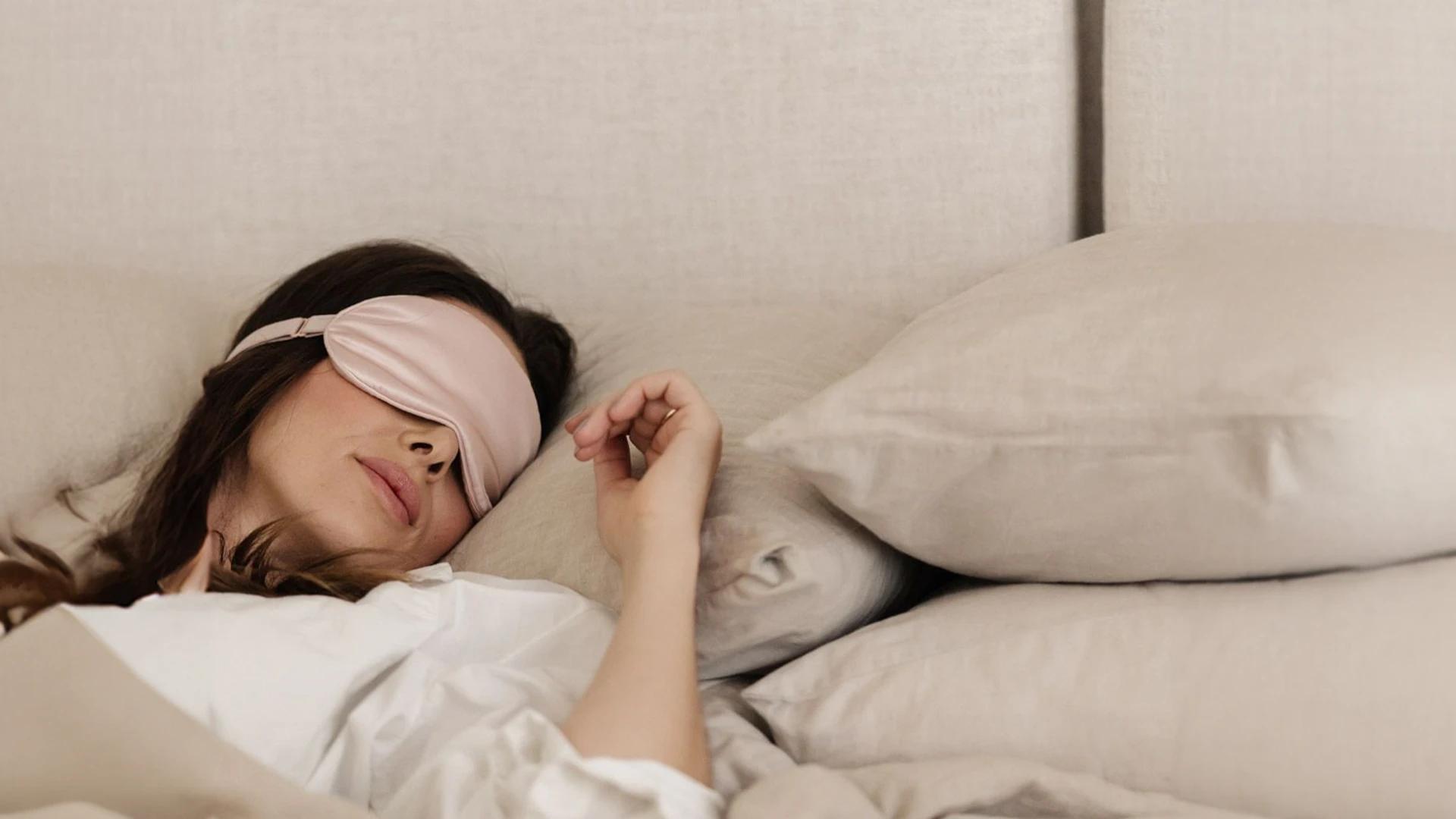
Think of sleep hygiene as the non-negotiable basics that set you up for success every single night. These aren't trendy tips that come and go—they're evidence-based practices that work regardless of your age, lifestyle, or sleep challenges. Your sleep environment plays a massive role in how well you rest. The ideal bedroom temperature is between 16-19°C, which might feel cooler than you expect. Your body naturally drops in temperature as you prepare for sleep, so a cooler room supports this process. Invest in blackout curtains or an eye mask to block out light, and consider a white noise machine if you live in a noisy area.
Your mattress and pillows deserve more attention than you probably give them. A supportive mattress that suits your sleeping position can dramatically improve your sleep quality. Side sleepers typically need softer surfaces, whilst back and stomach sleepers often prefer firmer support. Keep your bedroom exclusively for sleep and relaxation. This means no work laptops, no scrolling through social media, and definitely no binge-watching series in bed. Your brain needs to associate your bedroom with rest, not stimulation.
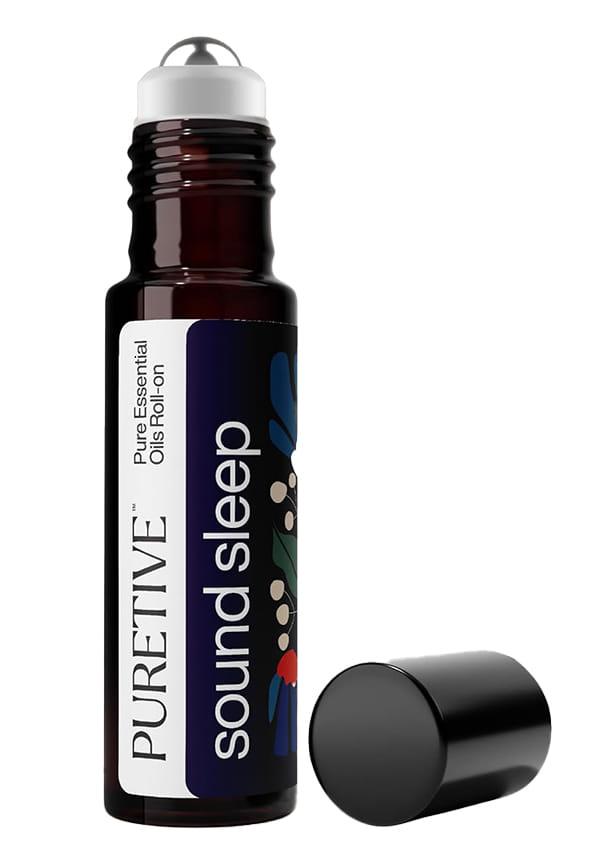 10 ml
10 mlSound Sleep Roll On for Deep Sleep and Relaxation
Going to bed and waking up at the same time every day—yes, even on weekends—is one of the most powerful tools for better sleep. Your body thrives on routine, and a consistent schedule helps regulate your internal clock. It might feel restrictive at first, but most people find they naturally start feeling sleepy and alert at the right times once they've maintained a schedule for a few weeks.
Your nighttime routine is where the magic happens. This isn't about following someone else's Instagram-worthy evening ritual—it's about creating a personalised wind-down sequence that signals to your body that it's time to rest. Start your routine about an hour before you want to be asleep. This gives you enough time to transition from the day's activities to a restful state without feeling rushed. The activities you choose should be calming and enjoyable, not another item on your to-do list.
Progressive muscle relaxation is a game-changer for people who struggle to switch off physically. Starting with your toes, tense each muscle group for five seconds, then release. Work your way up to your head, paying attention to how relaxation feels in each area. Deep breathing exercises can calm your nervous system within minutes. Try the 4-7-8 technique: inhale for four counts, hold for seven, then exhale for eight. Repeat this cycle three to four times, and you'll likely notice your heart rate slowing down. Journaling doesn't have to be time-consuming or profound. Simply writing down three things you're grateful for or tomorrow's priorities can help clear mental clutter. Many people find that getting thoughts out of their head and onto paper makes it easier to let go of the day's stress.
Skip intense exercise within three hours of bedtime, as it can be too stimulating. Avoid checking emails or social media, which can trigger stress or keep your mind active. Heavy meals, spicy foods, and excessive fluids can also disrupt your sleep quality.
 Pack of 2
Magnesium Melatonin - Restful Sleep, Reduced Stress, Anxiety
If you're dealing with occasional sleeplessness, there are plenty of natural approaches that can provide insomnia relief without relying on medication. These strategies work best when combined with good sleep hygiene practices. Your diet plays a bigger role in sleep quality than you might realise. Foods rich in tryptophan, magnesium, and melatonin can naturally promote drowsiness. Think turkey, almonds, tart cherries, and herbal teas like chamomile or passionflower. Avoid large meals close to bedtime, but don't go to bed hungry either—a light snack containing protein and complex carbohydrates can actually help stabilise blood sugar overnight.
Regular physical activity is one of the most effective natural sleep aids available. People who exercise regularly fall asleep faster and enjoy deeper sleep. However, timing matters—vigorous exercise too close to bedtime can be counterproductive. Gentle evening activities like yoga, stretching, or a leisurely walk can actually enhance your sleep routine. These activities help release physical tension whilst promoting relaxation.
Stress and sleep have a complicated relationship—poor sleep increases stress, and high stress makes it harder to sleep. Breaking this cycle often requires targeted relaxation techniques that address both physical and mental tension. Meditation doesn't have to be complicated or time-consuming. Even five minutes of focused breathing or guided meditation can shift your nervous system into a more restful state. Apps and online resources make it easy to find techniques that resonate with you.
Even with the best intentions and habits, sleep challenges can still arise. The key is having strategies ready for those nights when your usual routine isn't quite enough. If you can't fall asleep within 20 minutes, don't lie there getting frustrated. Get up and do a quiet, non-stimulating activity until you feel sleepy. This prevents your brain from associating your bed with wakefulness and anxiety. Middle-of-the-night wake-ups are incredibly common and often not a sign of a serious problem. Avoid checking the time, as this can create anxiety about lost sleep. Instead, practice deep breathing or progressive muscle relaxation to help yourself drift back off. Racing thoughts at bedtime can derail even the best sleep schedule. Keep a notepad by your bed to jot down worries or tomorrow's tasks. This simple act of writing them down often provides enough mental relief to allow sleep. For those dealing with technology addiction, consider implementing a charging station outside your bedroom. The physical barrier of having to get up to check your phone can be enough to break the habit of late-night scrolling. Travel and schedule disruptions are inevitable, but you can minimise their impact on your sleep. Try to maintain elements of your usual routine even when away from home, and gradually adjust your schedule rather than making dramatic changes all at once.
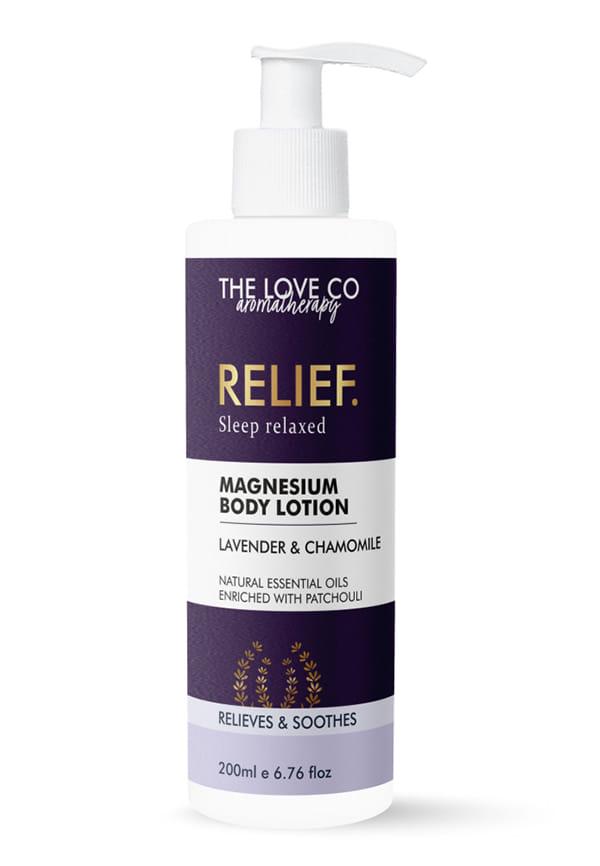 250 ml
Relief Sleep Relaxed Magnesium Body Lotion - 200ml
Most people start noticing improvements within a week of consistent practice, but it typically takes 3-4 weeks for new sleep habits to feel automatic. Be patient with yourself during this adjustment period—consistency matters more than perfection.
First, keep your bedroom cool and dark. Second, establish a consistent bedtime routine. Third, avoid screens for at least an hour before bed. Fourth, limit caffeine after 2 PM. Fifth, use your bed only for sleep and relaxation, not work or entertainment.
Whilst creating good sleep habits can significantly improve sleep quality for many people, chronic insomnia may require professional evaluation. Good sleep hygiene provides an excellent foundation, but persistent sleep issues lasting more than a month should be discussed with a healthcare provider.
Sleep hygiene refers to the environmental and behavioural practices that promote good sleep, like keeping your bedroom cool and avoiding caffeine. Sleep habits are the specific routines and patterns you follow, such as your bedtime routine or wake-up time.
Short naps (20-30 minutes) before 3 PM can be refreshing without interfering with nighttime sleep. However, if you're struggling with insomnia, it's often better to avoid napping and use that tiredness to help you sleep better at night.
Creating sustainable sleep habits is one of the most valuable investments you can make in your overall wellness. Remember, this isn't about achieving perfection overnight—it's about building a foundation that supports your health goals long-term. Start with one or two changes that feel manageable, whether that's setting a consistent bedtime or creating a simple wind-down routine. As these become natural, you can gradually add other elements. The key is finding an approach that fits your lifestyle whilst respecting your body's need for quality rest. Just like discovering the perfect skincare routine or wellness products, finding your ideal sleep routine might take some experimentation. Smytten understands this journey of discovery—as India's largest product discovery platform, they've helped over 25 million users explore everything from relaxing aromatherapy products to comfortable sleepwear through affordable trial packs. With access to over 1,500 trusted wellness and lifestyle brands, you can try sleep-supporting products before committing to full sizes, making it easier to build the perfect bedtime routine that actually works for you. Your future well-rested self will thank you for the effort you put in today. Sweet dreams start with the choices you make right now.
