How to Choose the Right Health Supplements for Your Cat

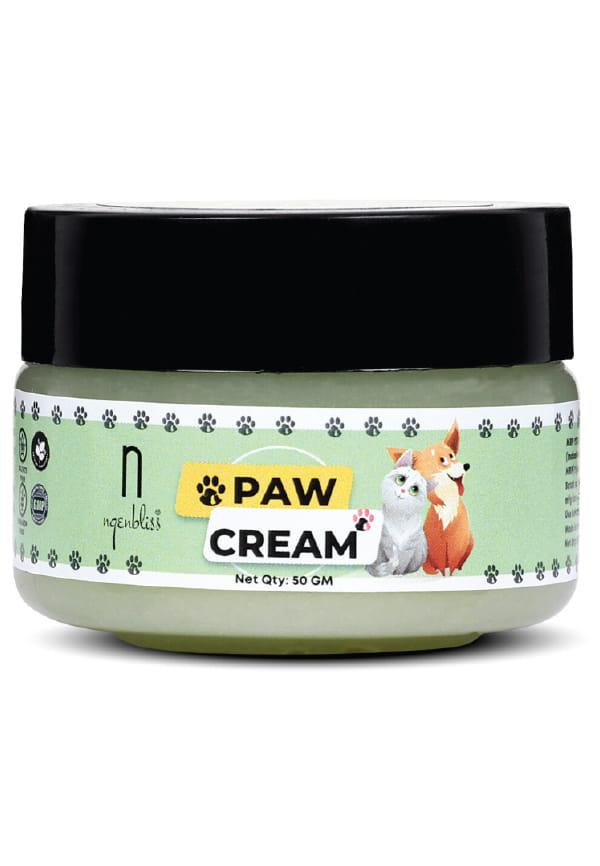 50 gm
50 gmPaw Cream For Dogs And Cats | Suitable For All Dog And Cat Breeds
Your feline friend deserves the best care possible, and sometimes that means going beyond their regular meals. Health supplements for cats can bridge nutritional gaps and support specific wellness needs, but choosing the right ones requires careful consideration. With countless options flooding the market, it's easy to feel overwhelmed when trying to determine what your cat actually needs. Let's break down everything you need to know about selecting safe, effective supplements that'll keep your furry companion thriving.
Cats have unique nutritional requirements that differ significantly from dogs and humans. As obligate carnivores, they need specific nutrients that their bodies can't produce naturally. While high-quality commercial cat food typically provides complete nutrition, certain situations might call for additional support through cat vitamins and targeted supplements.
Your cat might benefit from supplements if they're showing signs like a dull coat, low energy levels, digestive issues, or frequent infections. Senior cats often need extra joint support, while indoor cats might require different nutritional support compared to their outdoor counterparts. Essential nutrients for cats include taurine for heart and eye health, arachidonic acid for skin health, and vitamin A for vision and immune function.
Life stage plays a crucial role in determining supplement needs. Kittens require different nutritional support for proper growth and development, while adult cats might need maintenance supplements for optimal health. Senior cats often benefit from joint supplements and cognitive support nutrients. Always consult your vet before introducing any new supplements, especially if your cat has existing health conditions or takes medications.
The world of pet supplements can feel overwhelming, but understanding the main categories helps you make informed decisions. Different types of cat vitamins and supplements target specific health areas, from basic nutritional support to specialised wellness needs.
Taurine stands as the most critical supplement for feline health. This amino acid supports heart function, vision, and reproductive health. Unlike other animals, cats can't synthesise enough taurine naturally, making supplementation sometimes necessary.
B vitamins support red blood cell production and nervous system health. These water-soluble vitamins help convert food into energy and maintain healthy skin and coat. Cats with poor appetite or digestive issues often benefit from B-complex supplementation.
Omega-3 and omega-6 fatty acids provide anti-inflammatory benefits and support skin health. These essential fats help maintain a shiny coat and can reduce inflammation associated with various health conditions.
Immune support for cats includes antioxidants like vitamin E, vitamin C, and selenium. These nutrients help strengthen your cat's natural defence system against infections and diseases.
Joint supplements for cats typically contain glucosamine, chondroitin, and MSM. These compounds support cartilage health and can help maintain mobility, especially important for senior cats or those with arthritis.
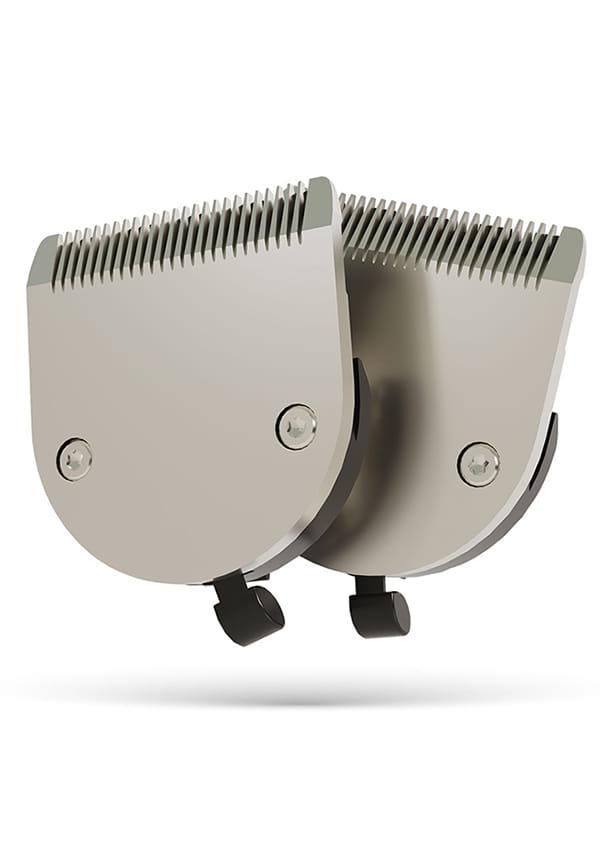 2 unit
Letsshave EZ‑WIZZY Pet Trimmer Replacement Blade – Pack of 1 | Sharp & Whisper‑Quiet | Ceramic Blades | Dogs, Cats and All other Furr Animal Grooming
Digestion aids for cats include prebiotics, probiotics, and digestive enzymes. These supplements support gut health and can help cats with sensitive stomachs or digestive issues.
Skin and coat supplements for cats often contain biotin, zinc, and essential fatty acids. These nutrients promote healthy skin and a lustrous coat while reducing excessive shedding.
Not all supplements are created equal, and choosing quality products requires careful evaluation. Reading labels becomes your first line of defence against subpar products that might not deliver promised benefits or could potentially harm your cat.
Look for supplements with clear ingredient lists and avoid products with unnecessary fillers, artificial colours, or preservatives. Reputable manufacturers provide detailed information about sourcing, manufacturing processes, and quality control measures. Third-party testing adds an extra layer of assurance that the product contains what it claims and is free from contaminants.
Dosage recommendations should be clearly stated and based on your cat's weight and age. Be wary of products making unrealistic claims or promising miraculous results. Quality supplements focus on specific health benefits backed by research rather than vague wellness promises.
Natural versus synthetic isn't always a clear-cut choice. Some synthetic vitamins are actually more bioavailable than their natural counterparts, while others work better in natural forms. Focus on bioavailability and proven efficacy rather than just the source of ingredients.
Cat wellness depends on safe supplementation practices. Understanding potential risks helps you avoid common mistakes that could harm your feline friend rather than help them.
Certain ingredients can be toxic to cats even in small amounts. Avoid supplements containing garlic, onion, xylitol, or high levels of vitamin D. These substances can cause serious health problems ranging from digestive upset to organ damage.
Watch for signs of supplement overdose or adverse reactions, including vomiting, diarrhoea, lethargy, or changes in appetite. Some cats might experience allergic reactions to specific ingredients, so introduce new supplements gradually and monitor your cat's response.
Drug interactions pose another concern, especially if your cat takes prescription medications. Some supplements can interfere with medication absorption or effectiveness, so always inform your vet about any supplements you're considering.
Proper storage protects supplement potency and safety. Keep supplements in cool, dry places away from direct sunlight, and always check expiration dates before use. Some supplements require refrigeration after opening.
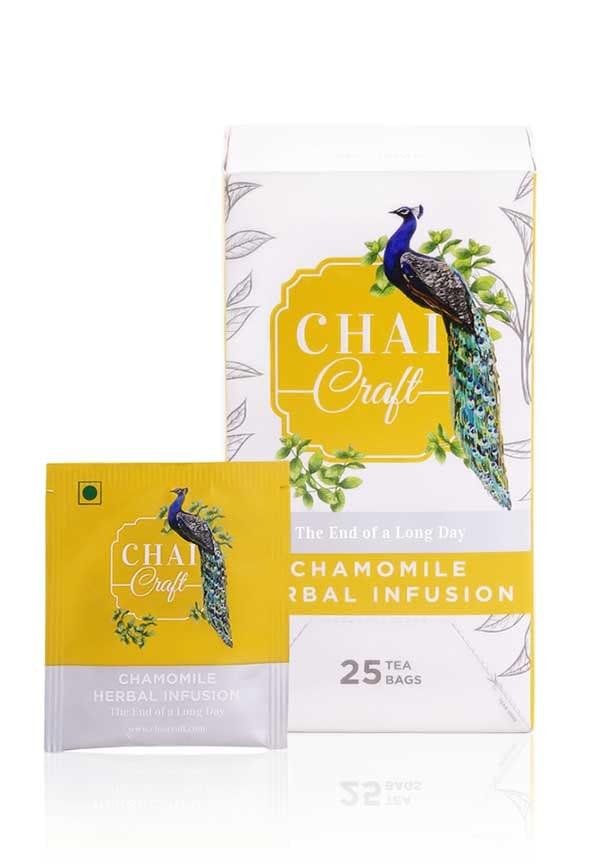 25 Tea Bags
Chamomile Tea Bags, Pure Herbal Infusion for Sound Sleep
Getting your cat to take supplements can be challenging, but various forms and administration techniques can make the process easier. Understanding different options helps you choose what works best for your particular cat's preferences and needs.
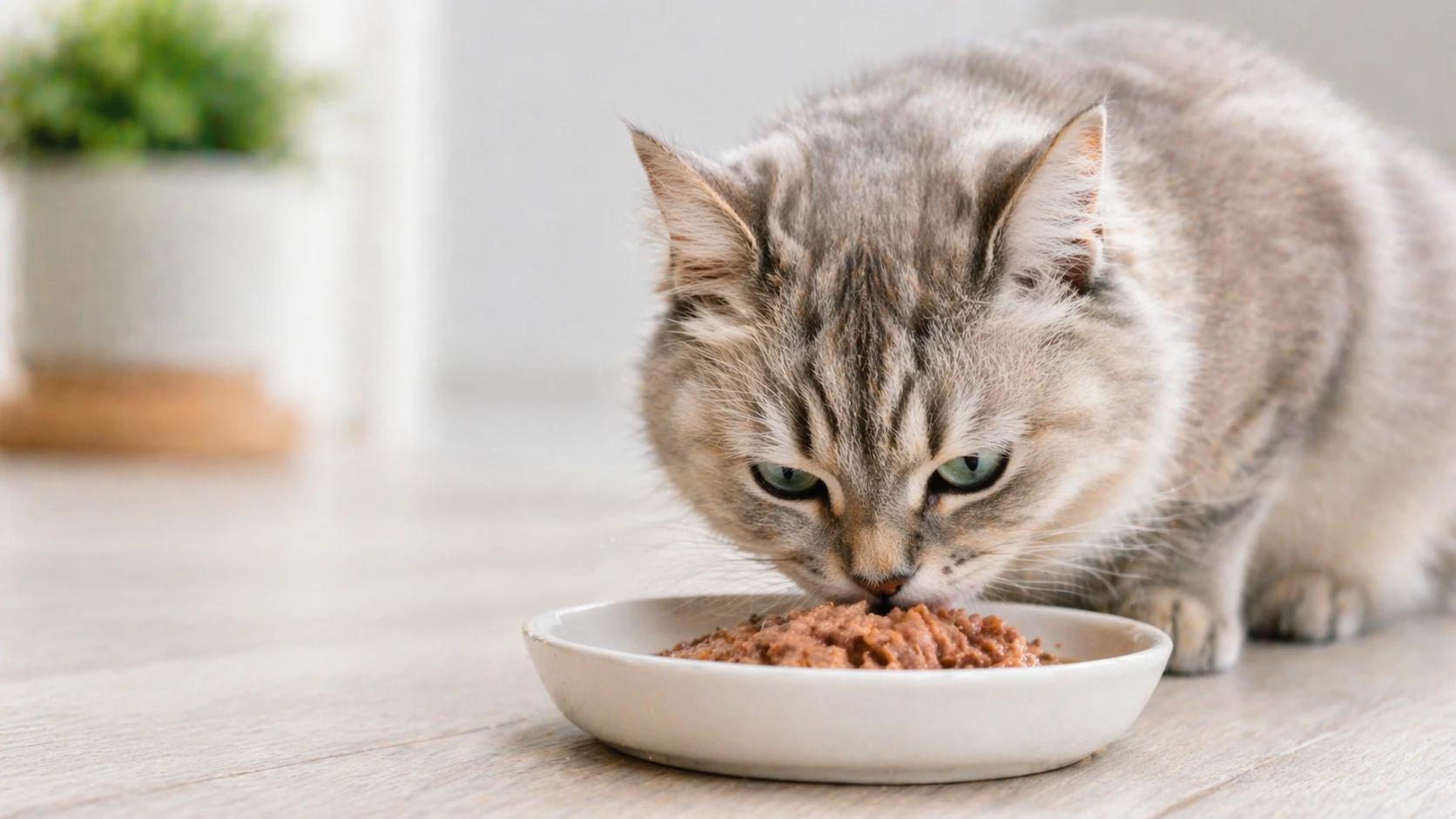
Supplements come in tablets, capsules, liquids, powders, and treat forms. Liquid supplements often mix easily into wet food, while powder forms can be sprinkled over meals. Some cats prefer supplement treats that taste like regular snacks.
Timing matters when giving supplements. Some work best with food to improve absorption and reduce stomach upset, while others might be more effective on an empty stomach. Follow manufacturer recommendations and your vet's advice for optimal timing.
Start with smaller doses and gradually increase to the recommended amount. This approach helps your cat's system adjust and makes it easier to identify any adverse reactions. Keep a supplement log to track what you're giving and how your cat responds.
Creating a consistent schedule helps ensure your cat receives regular benefits from supplementation. Many pet parents find success incorporating supplement time into existing routines like feeding or grooming.
Different cats have varying supplement needs based on age, lifestyle, and health status. Understanding these differences helps you choose the most appropriate support for your specific situation.
Older cats often benefit from joint supplements containing glucosamine and chondroitin to maintain mobility and comfort. Cognitive support supplements with antioxidants and omega-3 fatty acids may help maintain mental sharpness.
Kidney and liver support becomes increasingly important as cats age. Supplements containing milk thistle, SAM-e, or specific amino acids can support these vital organs' function.
Indoor cats might need different nutritional support compared to outdoor cats. They typically get less exercise and may benefit from weight management supplements or those supporting digestive health.
Outdoor cats face different stressors and may need stronger immune support to help fight off infections and parasites they encounter in their environment.
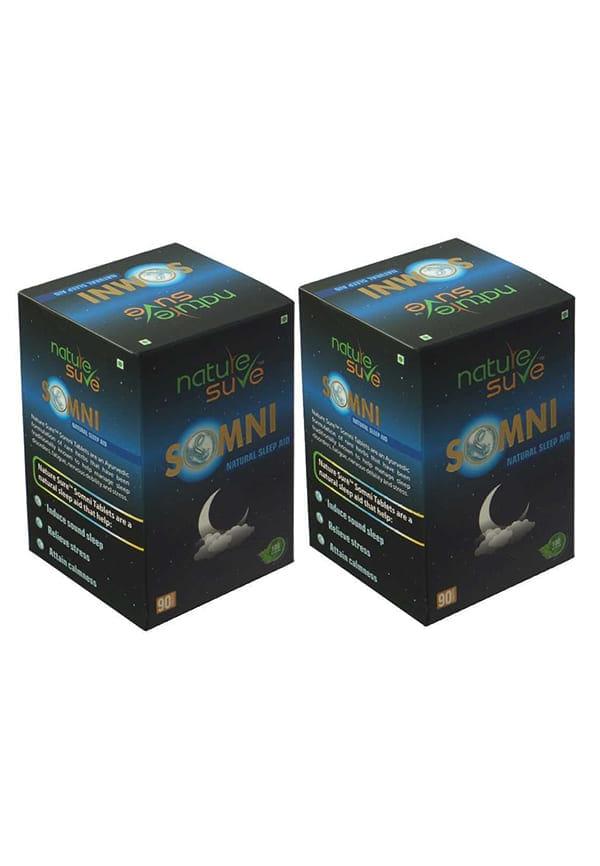 Pack of 2
SOMNI Natural Sleep Aid Daily Herbal Supplement for Men & Women
Cats with chronic conditions often require specialised supplement protocols. Weight management supplements can support cats struggling with obesity, while urinary tract health supplements help cats prone to bladder issues.
Always work with your veterinarian when supplementing cats with existing health conditions, as some supplements might interfere with treatments or worsen certain conditions.
Essential supplements include taurine for heart health, B vitamins for red blood cell production and nervous system health, and prebiotics or probiotics for gastrointestinal health. However, supplement needs vary based on your cat's age, health status, and diet. Always consult your veterinarian before starting any supplement regimen to ensure you're addressing your cat's specific needs safely.
Focus on providing high-quality nutrition through premium cat food, ensure regular veterinary care for preventive health monitoring, provide fresh water daily, and maintain a stress-free environment. When appropriate, targeted supplements can support specific health areas, but they should complement, not replace, good basic care practices.
Natural supplements aren't automatically superior to synthetic ones. What matters most is bioavailability, safety, and proven efficacy. Some synthetic vitamins are actually more easily absorbed than natural forms, while others work better in natural forms. Focus on quality, third-party testing, and veterinary recommendations rather than just whether ingredients are natural or synthetic.
Signs that might indicate supplement needs include a dull or dry coat, low energy levels, frequent digestive issues, poor appetite, or recurring infections. However, these symptoms can also indicate underlying health problems that require veterinary attention. Your vet can assess your cat's individual needs through physical examination and possibly blood work to determine if supplements would be beneficial.
Never give your cat human vitamins or supplements. Cats have different nutritional requirements and metabolisms compared to humans, and many human supplements contain ingredients that are toxic to cats. Even seemingly harmless vitamins can cause serious health problems in cats due to different dosage requirements and ingredient sensitivities.
Choosing the right health supplements for cats requires careful consideration of your feline friend's individual needs, age, and health status. While supplements can provide valuable nutritional support, they work best as part of a comprehensive wellness plan that includes quality nutrition, regular veterinary care, and a loving environment.
Remember that not every cat needs supplements, and more isn't always better when it comes to feline nutrition. Work closely with your veterinarian to determine if supplementation is appropriate for your cat and which specific nutrients might provide the most benefit. Quality matters more than quantity, so invest in reputable brands that prioritise safety and efficacy over flashy marketing claims.
Just as Smytten helps consumers discover the right products through trial and exploration, finding the perfect supplement routine for your cat might take some time and experimentation. With over 25 million users trusting Smytten's platform to make smarter choices across lifestyle and wellness categories, the same principle applies to pet care - why settle for 'maybe' when you can find what truly works for your feline companion's health and happiness?
