How to Choose the Best Pain Relief Medicine for Periods


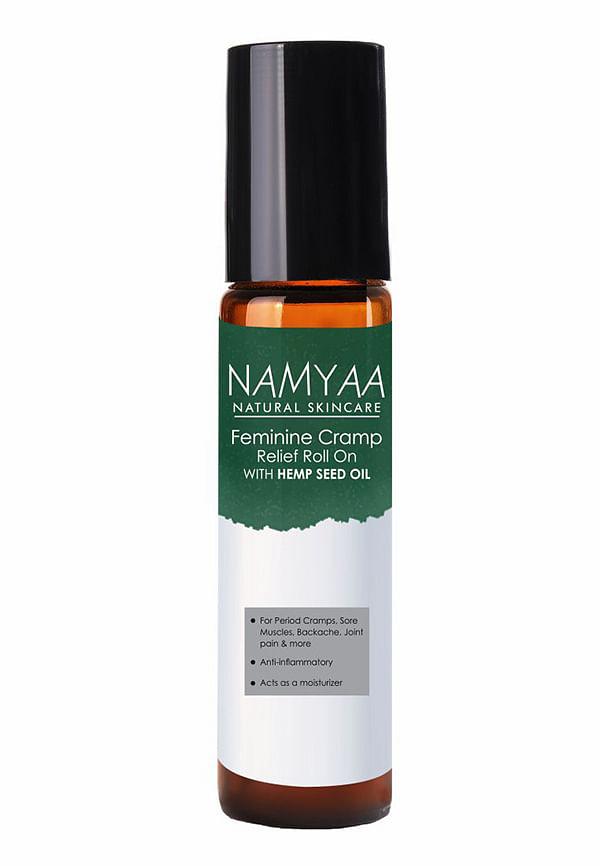 10ml
10mlFeminine Cramp Relief Roll On | For Period Cramps
Period pain is one of those monthly visitors that nobody asked for, yet millions of us deal with it every single month. Whether it's a dull ache or cramps that make you want to curl up in bed for days, finding the right pain relief medicine during periods can be a total game-changer. The thing is, with so many options out there—from NSAIDs to natural remedies—it's easy to feel overwhelmed about what actually works. Let's break down everything you need to know about choosing the best approach for your body, because honestly, you deserve to feel comfortable during your period, not like you're fighting a battle every month.
Before diving into solutions, let's get real about what's actually happening in your body during those painful days. Period pain relief isn't just about popping any painkiller—it's about understanding the root cause and targeting it effectively.
Your period pain isn't just in your head (despite what some people might say). It's caused by prostaglandins—hormone-like substances that make your uterus contract to shed its lining. Think of them as tiny troublemakers that trigger inflammation and pain. The higher your prostaglandin levels, the more intense your cramps tend to be. Primary dysmenorrhea is the medical term for regular period pain, whilst secondary dysmenorrhea indicates underlying conditions like endometriosis or fibroids.
Most period pain is normal, but sometimes it's your body's way of telling you something else is going on. If your pain is getting progressively worse, lasting longer than usual, or affecting your daily life significantly, it's worth chatting with a healthcare provider. Red flags include pain that doesn't respond to over-the-counter medications, heavy bleeding, or pain between periods.
When it comes to dysmenorrhea treatment, NSAIDs (non-steroidal anti-inflammatory drugs) are often the go-to choice for good reason. They don't just mask the pain—they actually target the source by reducing prostaglandin production.
Ibuprofen is probably the most popular choice, and for good reason. Taking 200-400mg every 6-8 hours can provide solid relief. Naproxen is another brilliant option that lasts longer—you only need to take it twice a day, which is perfect if you're constantly forgetting to take medication. Diclofenac is less common but can be effective if other NSAIDs don't work for you.
Here's the clever bit: NSAIDs block the enzymes that produce prostaglandins, essentially stopping the problem at its source. They also reduce inflammation, which helps with that overall achy feeling. The key is timing—starting your painkillers for periods 1-2 days before your period begins can prevent pain from building up in the first place.
Whilst NSAIDs are generally safe, they can irritate your stomach, especially if taken on an empty stomach. Always take them with food, and if you have a history of stomach issues, consider alternatives. People with kidney problems, heart conditions, or asthma should check with their doctor before using NSAIDs regularly.
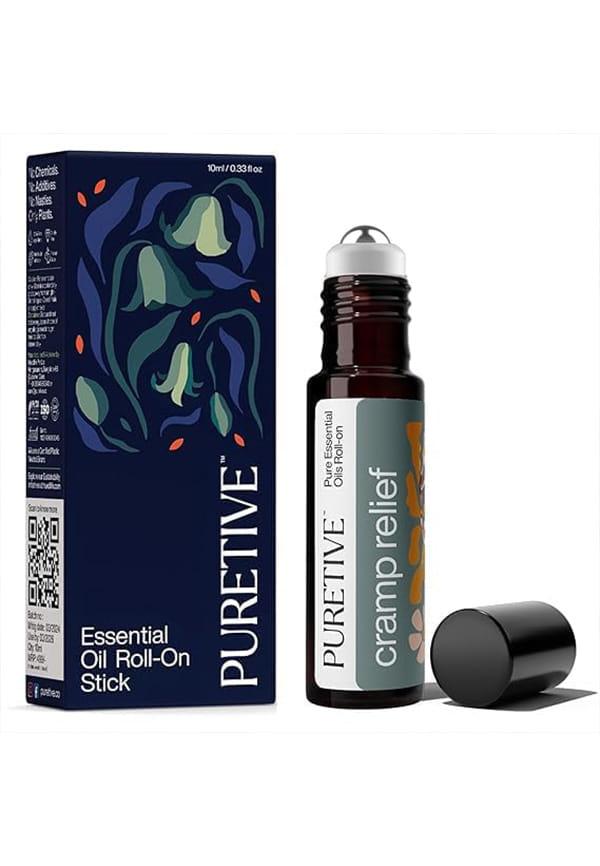 10 ml
10 mlCramp Relief Roll On for Periods pain and Abdomen Cramps relief
Sometimes regular painkillers just don't cut it, and that's where specialised cramps relief medicine comes in. These are specifically designed to target the unique pain patterns of menstrual cramps.
Mefenamic acid is like the specialist of period pain relief. It's particularly effective because it not only reduces prostaglandin production but also blocks their action on pain receptors. Many people find it more effective than regular NSAIDs for severe menstrual pain. The usual dose is 250-500mg three times daily, starting when pain begins.
Some medications combine different active ingredients for a more comprehensive approach. Mefenamic acid combined with dicyclomine (an antispasmodic) can tackle both inflammation and muscle spasms. Paracetamol with caffeine combinations can also be effective, as caffeine can enhance pain relief and help with the fatigue that often accompanies period pain.
If over the counter period pain relief isn't doing the job, don't suffer in silence. Your doctor might prescribe stronger medications or investigate underlying causes. Sometimes what feels like severe period pain is actually a sign of conditions that need specific treatment.
Not everyone can take NSAIDs, and sometimes you need gentler options. The good news is there are plenty of accessible alternatives that can provide meaningful relief.
Paracetamol might not be as powerful as NSAIDs for period pain, but it's a solid choice if you can't tolerate other medications. It's particularly useful for headaches that often accompany periods. Take 500-1000mg every 4-6 hours, but don't exceed 4000mg in 24 hours.
Heat patches and menthol-based gels can provide localised relief without the systemic effects of oral medications. They're brilliant for combining with other treatments or when you want to avoid taking more tablets. Apply them directly to your lower abdomen or back where you feel the pain most.
When selecting the best medicine for period pain, consider your other symptoms too. If you get headaches, choose something that tackles both. If you have a sensitive stomach, avoid NSAIDs. Reading labels carefully helps you understand what you're taking and avoid ingredients you're sensitive to.
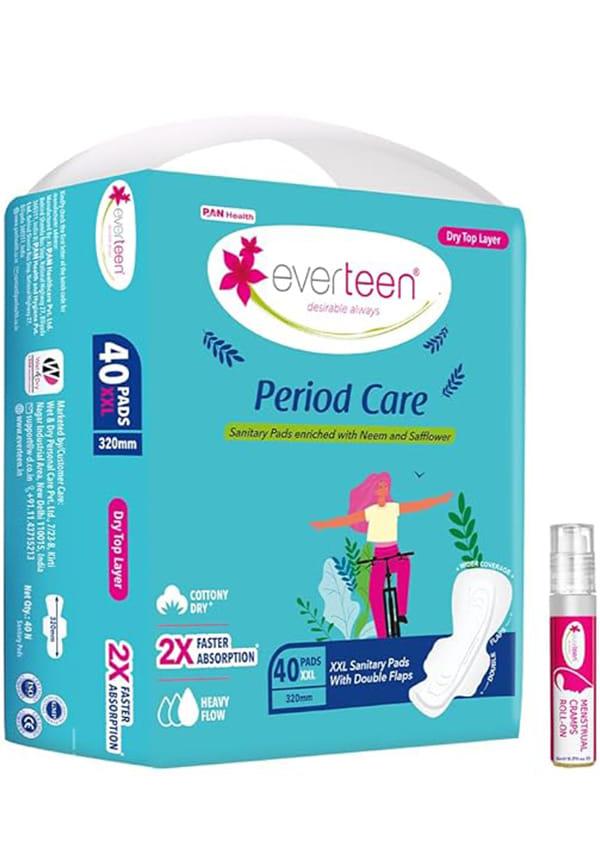 XXL + 50 ml
40 XXL Dry Neem Safflower Sanitary Pads & Menstrual Period Pain Relief Cramps Roll-On
Whilst medication can be incredibly effective, natural remedies for period pain can be brilliant additions to your pain management toolkit. Many have solid research backing them up, and they often come with fewer side effects.
Ginger isn't just for nausea—studies show it can be as effective as NSAIDs for period pain. Try ginger tea or supplements containing 250mg of ginger extract. Chamomile has anti-inflammatory properties and can help with the anxiety that sometimes accompanies severe pain. Cinnamon has been shown to reduce pain intensity and duration in some studies.
Magnesium supplements (200-400mg daily) can help reduce muscle tension and cramping. Many people are deficient in magnesium, so this could be a game-changer. Vitamin B1 and omega-3 fatty acids also show promise in reducing period pain when taken regularly, not just during your period.
Regular exercise might be the last thing you want to do when cramping, but gentle movement like walking or yoga can actually help. Heat therapy—whether it's a hot water bottle, warm bath, or heating pad—is one of the most effective non-medication approaches. Stress management through meditation or deep breathing can also help, as stress can worsen pain perception.
The truth is, there's no one-size-fits-all approach to wellness period pain management. What works brilliantly for your mate might not work for you, and that's completely normal. The key is finding your personal combination of treatments.
The secret to effective period pain management is getting ahead of the pain. Start tracking your cycle to predict when pain typically begins, then start your chosen treatment 1-2 days before. This prevents prostaglandins from building up and causing severe pain. Keep a pain diary to identify patterns and adjust your approach accordingly.
You can often combine different approaches for better results. For example, taking an NSAID with heat therapy, or using natural remedies alongside conventional medication. Just be careful not to double up on similar medications—don't take ibuprofen and another NSAID together, for instance.
Your period pain management strategy should fit into your life, not take over it. If you're constantly forgetting to take medication, try setting phone reminders or keeping tablets in multiple locations. Consider what works with your schedule—if you're always rushing in the mornings, evening supplements might work better.
Finding the right approach to period pain relief is part of taking care of your overall wellness. Just like discovering the perfect skincare routine or finding a fragrance that makes you feel confident, it's about exploring what works for your unique body. Smytten understands this journey of discovery—as India's largest product discovery and trial platform, they connect consumers with trusted wellness brands, allowing you to explore and experience products before committing to full-size purchases. With trial packs from over 1,500 brands and the ability to get up to 8 minis for just ₹249, plus 100% cashback redeemable for future orders, it's never been easier to find what works for you.
 90 N
90 NMelting Strips for Sleep, 30 Melting Strips, Exotic Berry Flavour
NSAIDs like ibuprofen (200-400mg) or naproxen (220-550mg) are typically most effective as they target prostaglandin production. For severe cramps, mefenamic acid may provide superior relief as it's specifically designed for menstrual pain.
Take NSAIDs at the first sign of pain, apply heat to your lower abdomen, and try gentle movement or stretching. The most effective approach is pre-emptive treatment—starting medication 1-2 days before expected pain begins.
Days 1-2 typically involve the strongest cramps as prostaglandin levels peak during the heaviest flow. Pain usually decreases as the period progresses and hormone levels stabilise.
Mefenamic acid, often combined with dicyclomine, is specifically designed for menstrual cramps and may be more effective than standard NSAIDs for severe period pain. It works by both reducing prostaglandin production and blocking their pain-causing effects.
All medications have potential side effects, but paracetamol generally has fewer than NSAIDs. Natural alternatives like ginger supplements, heat therapy, or magnesium may have minimal side effects for most people.
Common over-the-counter options include mefenamic acid combinations, ibuprofen with paracetamol formulations, and dicyclomine-based medications. These are widely available at chemists across the country and don't require prescriptions.
Managing period pain effectively is about finding the right combination of treatments that work for your body and lifestyle. Whether you opt for NSAIDs, specialised menstrual pain medications, natural remedies, or a combination approach, the key is starting treatment early and being consistent. Remember that severe, worsening, or unusual pain should always be discussed with a healthcare provider—you shouldn't have to suffer through debilitating pain every month.
Your wellness journey is unique, and finding the right period pain management strategy is just one part of taking care of yourself. With over 25 million users trusting Smytten's platform to discover what works best for them, you're in good company when it comes to exploring options and making informed choices about your health and wellbeing. After all, why settle for 'maybe' when you can find what truly works for you?
