How to Choose the Best Health Supplements for Women Over 40


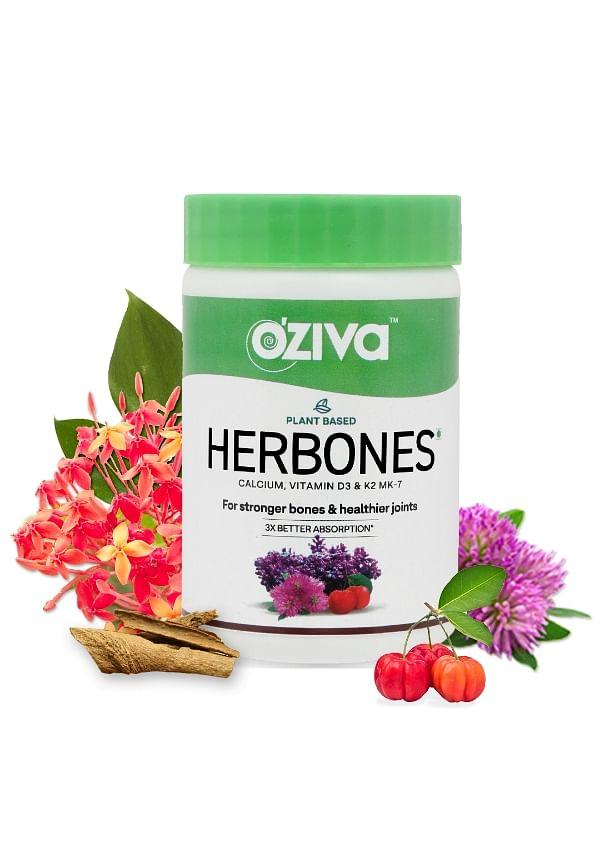 100gm
100gmHerBones for Women (with Plant based Calcium, Vegan Vitamin D3, K2 MK-7)
Turning 40 feels like stepping into a whole new chapter, doesn't it? Your body starts whispering (or sometimes shouting) about changes you might not have noticed before. Energy dips, sleep feels less refreshing, and suddenly everyone's talking about bone health and hormones. If you're wondering whether health supplements for women over 40 might be worth exploring, you're definitely not alone. Let's dive into what your body actually needs during this phase and how to choose supplements that genuinely support your wellbeing—without falling for marketing hype or wasting money on things that don't work.
Real talk: your body at 40 isn't the same as it was at 25, and that's completely normal. The changes happening aren't just about getting older—they're about shifting hormones, changing metabolism, and different nutritional needs that deserve attention.
During your 40s, oestrogen levels start their gradual decline as you approach perimenopause. This hormonal shift affects everything from bone density to energy levels and mood stability. Your body also becomes less efficient at absorbing certain nutrients, particularly vitamin B12, calcium, and iron. Meanwhile, your metabolism slows down, making it harder to maintain energy levels and muscle mass.
These changes mean that the womens health supplements that worked in your 20s and 30s might not cut it anymore. You're not being dramatic—your body genuinely has different requirements now. Bone density starts declining more rapidly after 40, cardiovascular health becomes a bigger priority, and hormonal fluctuations can affect everything from sleep quality to joint comfort.
The key is understanding that supplements for women in this age group aren't about chasing youth—they're about supporting your body through natural changes and helping you feel your best during this transition.
Let's start with the non-negotiables—the supplements that most women over 40 should seriously consider. These aren't trendy additions; they're science-backed essentials that address the most common nutritional gaps in this age group.
Your bones are living tissue that constantly breaks down and rebuilds itself. After 40, this process starts favouring breakdown over rebuilding, which is why bone density becomes such a hot topic. Calcium provides the raw materials for bone strength, but here's the thing—your body can't absorb calcium properly without adequate vitamin D3.
Look for calcium supplements that provide 500-600mg per dose (your body can only absorb about 500mg at a time anyway). Calcium citrate tends to be easier on the stomach than calcium carbonate, especially if you take it on an empty stomach. Pair this with 1000-2000 IU of vitamin D3 daily, depending on your current levels.
Feeling more tired than usual? Brain fog creeping in? Your B12 levels might be the culprit. After 40, your stomach produces less acid, which makes it harder to extract B12 from food sources. This can lead to subtle deficiency symptoms that many women dismiss as just "getting older."
B12 supplements come in different forms—methylcobalamin is generally better absorbed than cyanocobalamin. A B-complex vitamin can provide additional support for energy metabolism and stress management, covering all your B vitamin bases in one go.
Omega-3s aren't just good for your heart—they're powerful anti-inflammatory compounds that support joint health, brain function, and even mood stability. Look for supplements that provide both EPA and DHA, with a total of 1000-2000mg daily.
Fish oil remains the gold standard, but if you're vegetarian or vegan, algae-based omega-3s offer similar benefits. The key is consistency—these vitamins for women work best when taken regularly over time.
 60 Capsule
Slow Multi + Omega for Her Multivitamin for Women
Now let's talk about the supplements that address some of the more specific challenges women face during this decade. These aren't essential for everyone, but they can make a real difference if you're dealing with particular symptoms or concerns.
Magnesium is involved in over 300 enzymatic reactions in your body, yet most women don't get enough from food alone. Magnesium glycinate is particularly gentle on the digestive system and can help with sleep quality, muscle relaxation, and stress management.
Take 200-400mg about an hour before bed. You'll likely notice better sleep quality within a week or two of consistent use.
Your body's natural collagen production starts declining in your 20s, but the effects become more noticeable after 40. Collagen supplements might help support skin elasticity and joint comfort, though results vary from person to person.
Look for hydrolysed collagen peptides, which are easier for your body to absorb. Types I and III collagen support skin and bones, while Type II focuses on joint health.
Your gut health affects everything from digestion to mood to hormone balance. A quality probiotic with multiple strains and at least 10 billion CFUs can support digestive health and may even influence oestrogen metabolism.
Look for strains like Lactobacillus and Bifidobacterium, and store your probiotics properly—many need refrigeration to maintain potency.
Not all supplements are created equal, and the supplement industry isn't as tightly regulated as pharmaceuticals. This means you need to be a savvy shopper to ensure you're getting products that are safe, pure, and effective.
Look for supplements that have been tested by independent third parties like NSF International, USP (United States Pharmacopeia), or ConsumerLab. These organisations test for purity, potency, and the absence of harmful contaminants like heavy metals or bacteria.
Third-party testing isn't legally required, so companies that invest in it are usually more committed to quality. You'll often find certification logos on the product label or packaging.
The supplement facts panel tells you everything you need to know—if you know how to read it. Look at the serving size first (is it one capsule or three?), then check the amounts of active ingredients against recommended daily values.
Scan the ingredient list for unnecessary fillers, artificial colours, or allergens. The shorter and cleaner the ingredient list, the better. Avoid products with proprietary blends that don't tell you exactly how much of each ingredient you're getting.
 60 Gummies
Vitamin D & Ashwagandha Gummies for Women
When you take supplements matters almost as much as what you take. Fat-soluble vitamins (A, D, E, K) absorb better with meals containing healthy fats. Water-soluble vitamins (B vitamins, vitamin C) can be taken on an empty stomach but might be gentler with food.
Some combinations enhance absorption—vitamin C helps iron absorption, while calcium can interfere with iron absorption. Space these apart by a few hours when possible.
The best supplement routine is one that's tailored to your specific needs, lifestyle, and budget. There's no one-size-fits-all approach, which is why it's worth taking time to assess what you actually need rather than following someone else's routine.
Start by looking at your diet, lifestyle, and any symptoms you're experiencing. Are you getting enough calcium from dairy or leafy greens? Do you spend time in the sun for natural vitamin D? Are you constantly tired despite getting enough sleep?
Consider getting blood work done to check for common deficiencies like vitamin D, B12, and iron. Many women over 40 are deficient in these nutrients without realising it. Your GP can order these tests, or you can use private testing services.
Quality supplements can be expensive, but you don't need to break the bank to support your health. Start with the basics—vitamin D3, B12, and omega-3s—before adding more specialised supplements.
A high-quality multivitamin designed for women over 40 can cover many bases at once, though you might still need individual supplements for higher doses of specific nutrients. Generic or store-brand supplements can be just as effective as expensive brands if they meet quality standards.
Consider taking supplements in cycles rather than indefinitely. Take your chosen supplements consistently for three months, then reassess how you feel. Some supplements, like vitamin D, might need ongoing supplementation, while others might only be needed seasonally or during stressful periods.
Keep a simple journal of your energy levels, sleep quality, and overall wellbeing to track whether your supplements are making a difference. This helps you make informed decisions about what to continue and what to drop.
Even with the best intentions, it's easy to make mistakes that can reduce the effectiveness of your supplements or even cause problems. Here are the most common pitfalls to watch out for.
Megadosing is tempting—if some is good, more must be better, right? Wrong. Fat-soluble vitamins can build up to toxic levels, and even water-soluble vitamins can cause problems in excessive amounts. Stick to recommended dosages unless advised otherwise by a healthcare provider.
Don't ignore potential interactions with medications. Some supplements can affect how your medications work—for example, calcium can interfere with certain antibiotics, and vitamin K can affect blood thinners. Always check with your pharmacist or doctor about potential interactions.
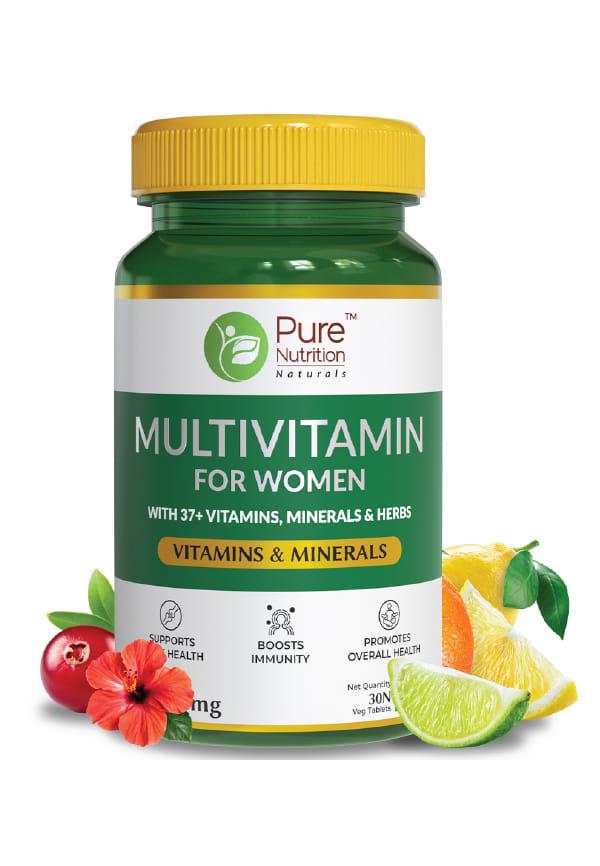 Pack of 30
Multivitamin For Women For Energy and Immunity
Remember that supplements are meant to supplement a healthy diet, not replace it. Whole foods provide nutrients in forms that are often better absorbed than isolated supplements, plus they come with beneficial compounds that supplements can't replicate.
Consistency matters more than perfection. Taking supplements sporadically won't give you the benefits you're looking for. Set up a routine that works for your lifestyle—whether that's taking everything with breakfast or splitting doses throughout the day.
Just like with skincare or wellness products, the supplement world is full of options worth exploring. Platforms like Smytten make it easier to discover quality wellness products from trusted brands without committing to full-size purchases upfront. With curated trial packs from over 1,500 brands, you can explore different supplement options and find what works best for your body before investing in full-size bottles.
Start with vitamin D3 and B12, as these are commonly deficient and foundational for energy and bone health. These two supplements address the most widespread nutritional gaps in women over 40.
Vitamin D helps your body absorb calcium effectively, while calcium provides the building blocks for strong bones. Magnesium also supports bone structure by helping convert vitamin D to its active form.
Vitamin D3, B12, and calcium are essential foundations, with omega-3s and magnesium as close runners-up for overall health support during this life stage.
It depends on your specific needs and budget. Multivitamins provide broad coverage and convenience, while individual supplements allow for targeted dosing of nutrients you specifically need more of.
Most people notice energy improvements within 2-4 weeks of consistent supplementation, while bone and cardiovascular benefits develop over 3-6 months of regular use.
Avoid excessive iron unless you're deficient, and be cautious with fat-soluble vitamins (A, D, E, K) in high doses. Always check with your healthcare provider about what's appropriate for your individual situation.
Choosing the right health supplements for women over 40 doesn't have to feel overwhelming. Start with the basics—vitamin D3, B12, and omega-3s—then build from there based on your individual needs and symptoms. Quality matters more than quantity, so invest in well-tested products from reputable brands rather than trying to take everything at once.
Remember that supplements work best as part of a holistic approach to health that includes a balanced diet, regular exercise, adequate sleep, and stress management. They're tools to support your wellbeing, not magic bullets that can fix everything on their own.
Most importantly, listen to your body and work with healthcare providers who understand your individual health picture. What works brilliantly for your friend might not be right for you, and that's perfectly normal. The goal is finding a sustainable routine that helps you feel energised, strong, and confident as you navigate this exciting decade of life.
