How to Build Healthy Daily Habits That Stick


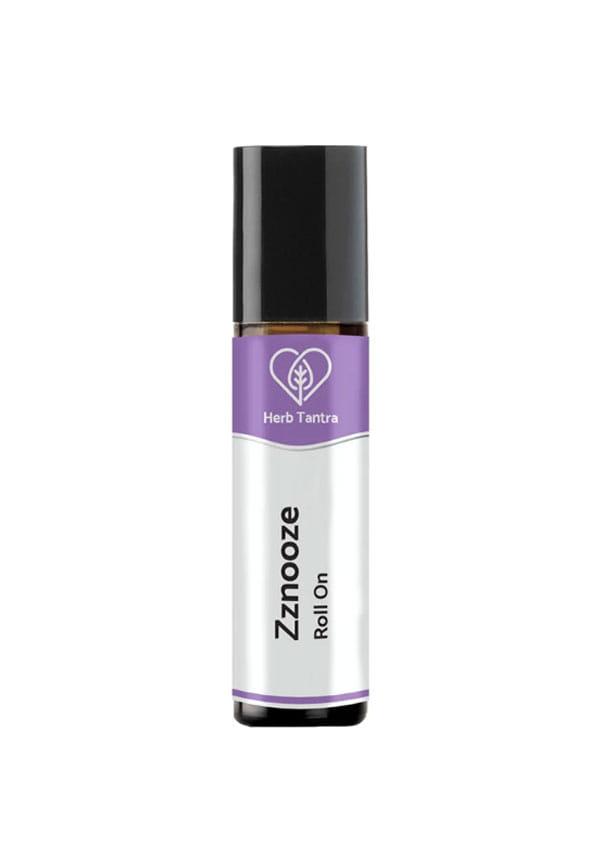 9 ml
9 mlZznooze Roll On For Better Sleep quality
Let's be real—we've all been there. You wake up one Monday morning feeling absolutely motivated to transform your life. You're going to drink more water, exercise daily, eat better, and finally get that perfect morning routine sorted. Fast forward to Wednesday, and you're back to your old ways, wondering where all that motivation went. Building healthy daily habits isn't about having superhuman willpower or waiting for the perfect moment to start. It's about understanding how your brain works and creating systems that make positive changes feel natural rather than forced. The good news? Science has cracked the code on what actually makes habits stick, and it's way simpler than you might think.
Here's the thing about habit formation—your brain is basically running on autopilot for about 40% of your day. That's not laziness; it's efficiency. Your brain loves patterns because they save energy, which is why brushing your teeth doesn't require a mental pep talk anymore. But this same system can work against you when you're trying to build new wellness habits. The habit loop consists of three parts: the cue (your trigger), the routine (the actual behaviour), and the reward (what your brain gets from it). Most people focus only on the routine part—like deciding to go for a run—without setting up proper cues or understanding what reward they're actually seeking. Maybe you want to feel energised, reduce stress, or simply prove to yourself that you can stick to something.
Willpower is overrated, honestly. Research shows that relying purely on motivation is like trying to run a marathon on energy drinks—you'll crash eventually. The most successful people don't have more willpower; they have better systems. Another major pitfall is going too big, too fast. Your brain perceives massive changes as threats, which triggers resistance. Starting with 20 push-ups when you haven't exercised in months? Your brain's going to fight you on that.
Forget everything you've heard about the magical 21-day rule—it's complete nonsense. Dr. Phillippa Lally's research at University College London found that it actually takes an average of 66 days for a new behaviour to become automatic. But here's the kicker: it can range anywhere from 18 to 254 days, depending on the complexity of the habit and your personal circumstances. Simple habits like drinking a glass of water after waking up might stick in a couple of weeks. More complex wellness habits like a full morning routine or regular exercise sessions can take several months to feel truly automatic. The key is understanding that this timeline isn't a race—it's a process.
Consistency beats intensity every single time. Doing something small daily is infinitely more powerful than doing something big occasionally. Your brain needs repetition to build those neural pathways. Context matters too. If you're trying to build a meditation habit, having a specific spot where you always sit makes the behaviour more likely to stick. Environmental cues are incredibly powerful for behavior change.
Building a healthy lifestyle doesn't mean overhauling everything at once. Start with these foundational wellness habits that create a ripple effect across other areas of your life.
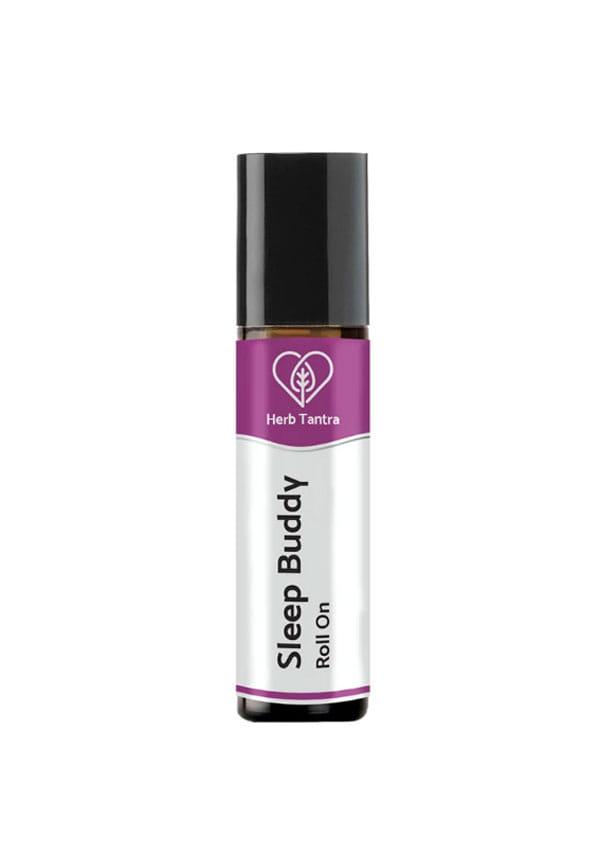 9 ml
9 mlSleep Buddy Insomnia Relief Roll-On
Your morning sets the tone for everything that follows. Start with hydration—your body has been fasting for 6-8 hours, so a glass of water kickstarts your metabolism. Follow this with some form of movement, even if it's just stretching for five minutes. Mindfulness doesn't have to mean sitting in lotus position for an hour. It could be three deep breaths, writing down one thing you're grateful for, or simply setting an intention for the day.
Mindful eating is a game-changer. Instead of scrolling through your phone during meals, try actually tasting your food. Notice textures, flavours, and how different foods make you feel. Portion control becomes easier when you eat slowly. Your brain needs about 20 minutes to register fullness, so rushing through meals often leads to overeating.
Daily movement doesn't mean you need to become a gym enthusiast overnight. Take the stairs instead of the lift, park further away, or do some squats while your tea brews. These micro-movements add up significantly over time. Regular exercise sessions are brilliant, but consistency with smaller activities often leads to bigger changes than sporadic intense workouts.
Your evening routine is just as crucial as your morning one. Start winding down at least an hour before bed. This might mean dimming lights, avoiding screens, or doing some gentle stretches. Digital detox doesn't have to be extreme. Simply charging your phone outside the bedroom can improve sleep quality dramatically.
Building self-improvement habits that actually stick requires a strategic approach. The SMART framework isn't just corporate jargon—it's genuinely useful for behavior change when applied thoughtfully. Specific habits are easier to track and maintain. Instead of "exercise more," try "walk for 15 minutes after lunch." Your brain loves clarity, and vague goals create decision fatigue.
Tracking progress doesn't mean obsessing over numbers. It could be as simple as putting a tick on your calendar or moving a paperclip from one jar to another. Visual progress is incredibly motivating. Achievable means starting ridiculously small. Want to read more? Start with one page. Want to meditate? Begin with one minute. Once the behaviour feels automatic, you can gradually increase the intensity.
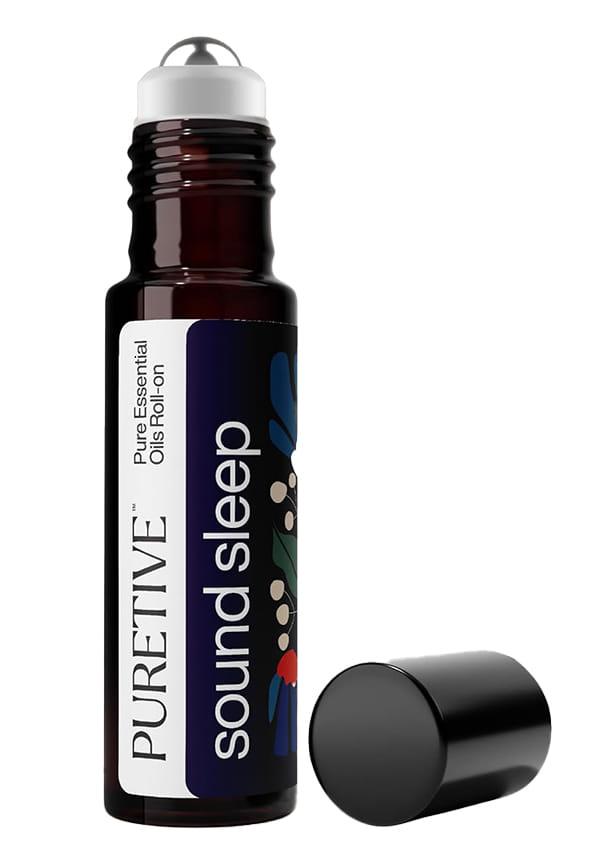 10 ml
10 mlSound Sleep Roll On for Deep Sleep and Relaxation
Your habits should align with your actual values, not what you think you should want. If you hate running but love dancing, guess which one's more likely to stick? Time-bound doesn't mean setting unrealistic deadlines. It means creating checkpoints to assess what's working and what isn't. Maybe review your progress every two weeks and adjust accordingly.
Your daily routine should feel like it was designed specifically for your life, not copied from someone else's Instagram. Consider your natural energy patterns, work schedule, and family commitments when building your routine. Morning people might thrive with early workouts and planning sessions. Night owls might prefer gentle mornings and more intensive evening activities. Work with your natural rhythms, not against them.
Habit stacking is brilliant because it uses existing strong habits as anchors for new ones. After I brush my teeth (existing habit), I'll do ten squats (new habit). This technique leverages the neural pathways you've already built. The key is choosing stable anchor habits—things you already do consistently without thinking. Brushing teeth, making coffee, or checking your phone are all potential anchors.
Building wellness habits around your work schedule prevents the "I don't have time" excuse. Set reminders to drink water every hour, do desk stretches between meetings, or take walking calls when possible. Micro-habits during busy periods maintain momentum without overwhelming your schedule. Even 30 seconds of deep breathing between tasks can make a difference.
Here's something nobody talks about enough—setbacks are part of the process, not failures. Research shows that missing one day doesn't significantly impact habit formation, but missing two days in a row can derail progress. The 80/20 rule applies beautifully to healthy lifestyle maintenance. If you're consistent 80% of the time, the occasional slip-up won't matter. This takes the pressure off being perfect and makes the whole process more sustainable.
Accountability doesn't have to mean announcing your goals to the world. It could be as simple as texting a friend when you complete your habit or joining online communities with similar goals. When life gets chaotic—and it will—have a minimum viable version of your habits ready. Can't do your full morning routine? Just drink the water. Can't exercise for 30 minutes? Do five jumping jacks. Something is always better than nothing. Smytten understands that building healthy habits often involves trying new products to support your wellness journey. Whether you're exploring new skincare routines, testing different supplements, or finding the perfect aromatherapy products for your evening wind-down, having access to trial-sized versions makes experimentation affordable and risk-free. With over 1,500 trusted brands available in mini formats, you can discover what actually works for your unique routine without the commitment of full-size purchases.
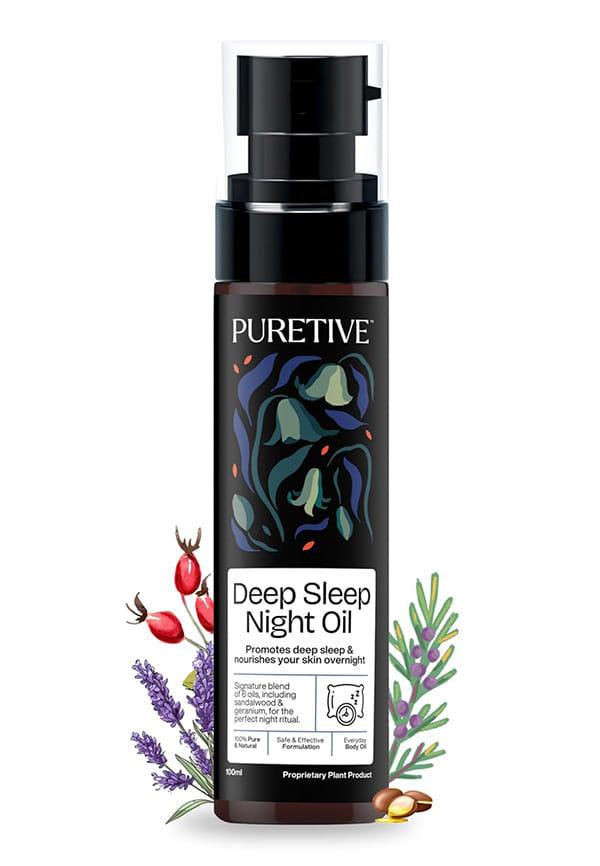 100 ml
Deep Sleep Body Oil | Calms a Restless Mind & Body | Softens & Nourishes Skin
Research shows an average of 66 days for habits to become automatic, but this varies widely based on the complexity of the habit and individual factors. Simple habits might stick in 2-3 weeks, while complex routines can take several months.
Start embarrassingly small. Choose one tiny habit that takes less than two minutes and attach it to something you already do consistently. Focus on consistency over intensity for the first few weeks.
Most habit failures happen because people try to change too much too quickly, rely solely on motivation, or don't have proper environmental cues set up. Start smaller and focus on building systems rather than relying on willpower.
Focus on one habit at a time, especially when starting out. Your brain can only handle so much change before it starts to resist. Once one habit feels automatic (usually 4-8 weeks), you can add another.
Create flexible versions of your habits that can adapt to different circumstances. Have a "minimum viable" version for busy days and focus on maintaining the cue-reward loop even if the routine needs to be shortened.
Building healthy daily habits that actually stick isn't about having perfect discipline or waiting for motivation to strike. It's about understanding how your brain works and creating systems that make positive changes feel natural and sustainable. Start small, be consistent, and remember that setbacks are part of the journey, not the end of it. Focus on progress over perfection, and give yourself permission to adapt your habits as your life changes. The goal isn't to become a completely different person overnight—it's to make small, sustainable changes that compound over time. With platforms like Smytten making it easier to explore wellness products through affordable trial sizes, building your ideal daily routine has never been more accessible. You can test different supplements, skincare products, or aromatherapy items to see what genuinely supports your habits before committing to full-size purchases. After all, why settle for guessing what might work when you can try it all and discover what actually fits your lifestyle?
