How to Build Daily Mental Health Habits That Work


 60 Tablet
Sleep Tabs with 5mg melatonin, Brahmi, Tagar & Jatamansi, Sleeping Tablets for Stress Free Sleep & Calmness - 60 Tablets
Let's be real—building daily mental health habits sounds brilliant in theory, but actually sticking to them? That's where most of us stumble. You've probably tried meditation apps that gathered digital dust or promised yourself you'd journal every morning, only to forget by day three. Here's the thing: sustainable mental wellness isn't about perfect routines or hour-long practices. It's about weaving small, meaningful habits into your existing life that genuinely support your emotional wellbeing. The secret lies in understanding which habits actually work, how to build them without overwhelming yourself, and creating a self-care routine that feels natural rather than forced.
Building effective daily mental health habits requires a strategic approach that covers all aspects of your wellbeing. Think of these five categories as the foundation stones of your mental wellness journey. Each category supports the others, creating a comprehensive system that strengthens your emotional resilience over time.
Mindfulness practices form the cornerstone of effective stress management techniques. Start with a simple two-minute breathing exercise: breathe in for four counts, hold for four, exhale for six. This activates your parasympathetic nervous system, instantly calming your mind. Body scan meditation works brilliantly for emotional wellbeing—spend five minutes mentally checking in with each part of your body, noticing tension without judgement.
Your body and mind are deeply connected. Morning movement routines, even just five minutes of stretching or dancing to your favourite song, boost mood-regulating neurotransmitters. Sleep hygiene directly impacts emotional resilience—aim for consistent bedtimes and create a wind-down ritual that signals rest time to your brain.
Humans are wired for connection, and isolation can seriously impact mental wellness. Daily check-ins with loved ones, even a quick text, maintain vital social bonds. Gratitude expression habits—sharing three things you're grateful for with someone close—strengthen relationships whilst boosting positive thinking patterns.
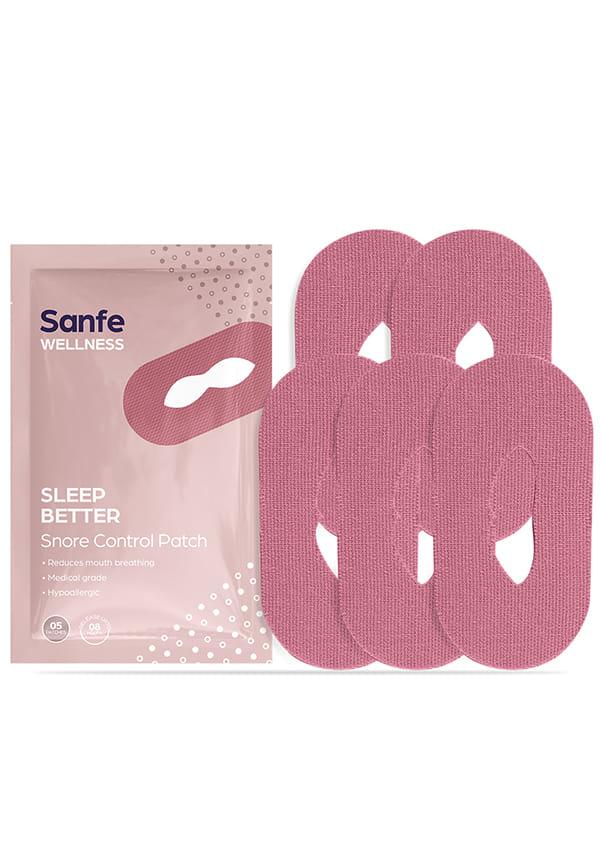 Pack of 5
Snore Control Patch | Sleep Better | Reduces mouth breathing, medical grade, hypoallergic | No side effects | Release upto 8 hours | 5 Patches, For m
Your thought patterns shape your reality. Thought reframing techniques for anxiety relief involve catching negative thoughts and asking: "Is this helpful? Is it true? What would I tell a friend in this situation?" Daily journaling provides excellent depression support by helping you process emotions and identify patterns.
End-of-day decompression routines signal to your brain that work time is over. This might involve changing clothes, taking a shower, or doing gentle stretches. Digital boundaries create mental space—consider implementing a "phone parking" system where devices charge outside the bedroom.
Habit stacking revolutionises how you build healthy habits for mind wellness. Instead of creating entirely new routines, you attach new habits to existing ones. This leverages your brain's existing neural pathways, making new behaviours stick more easily. Start by identifying your current habit anchors—things you already do consistently like brushing teeth, making coffee, or checking your phone. These become the foundation for your new mental health habits. For example, "After I brush my teeth, I'll practice three minutes of mindful breathing" or "After I pour my morning coffee, I'll write down three things I'm grateful for." The two-minute rule ensures sustainability. Any new habit should take less than two minutes initially. Want to start journaling? Begin with writing one sentence about your day. Interested in meditation? Start with two minutes of focused breathing. Once these micro-habits become automatic, you can gradually expand them. Creating habit chains that support emotional wellbeing involves linking multiple small habits together. Your morning chain might look like: wake up → drink water → two-minute breathing exercise → gratitude practice → gentle stretching. Each habit triggers the next, creating a powerful routine that supports your mental wellness throughout the day.
These evidence-based habits require minimal time but deliver maximum impact on your emotional wellbeing. Choose two or three that resonate with you rather than attempting all ten immediately. **Morning Gratitude Practice** involves writing down three specific things you appreciate before checking your phone. This primes your brain for positive thinking throughout the day. **Mindful Coffee or Tea Ritual** transforms your morning beverage into a mindfulness practice. Focus entirely on the warmth, aroma, and taste without multitasking. **Movement Snacks** are two-minute bursts of physical activity throughout your day. Try desk stretches, walking up stairs, or dancing to one song between tasks. **Breathing Reset** between activities helps manage stress accumulation. Take five deep breaths before starting each new task or transitioning between activities. **Nature Connection** supports mental wellness even if you're stuck indoors. Spend two minutes looking out a window, tending to a plant, or listening to nature sounds. **Evening Reflection** journaling involves writing three sentences about your day: what went well, what you learned, and what you're looking forward to tomorrow. **Digital Sunset** routine means putting devices away one hour before bed. Use this time for reading, gentle stretching, or conversation with loved ones. **Hydration with Intention** turns drinking water into a mindfulness practice. Before each glass, take a moment to appreciate your body's needs and your ability to meet them. **Micro-Meditation** breaks involve 30-second moments of focused attention throughout your day. This might be feeling your feet on the ground whilst waiting for the lift or focusing on your breath during a red light. **Bedtime Appreciation** practice involves mentally reviewing your day for moments of joy, connection, or accomplishment before sleep. This promotes positive thinking and better rest quality.
Recognising and replacing energy-draining habits is crucial for maintaining mental wellness. Common habit traps include endless social media scrolling, negative self-talk spirals, and isolation when feeling low. The substitution strategy works better than elimination. Instead of trying to stop checking your phone mindlessly, replace it with a two-minute breathing exercise. Rather than fighting negative self-talk, practice thought reframing techniques that challenge unhelpful thoughts with evidence and compassion. Creating "if-then" plans prepares you for challenging moments. "If I feel anxious, then I'll do five minutes of deep breathing." "If I notice negative self-talk, then I'll ask myself what I'd tell a friend in this situation." These pre-planned responses become automatic anxiety relief strategies over time. Social media boundaries support emotional wellbeing by reducing comparison and information overload. Consider unfollowing accounts that trigger negative feelings and following those that inspire or educate. Set specific times for checking social platforms rather than scrolling throughout the day.
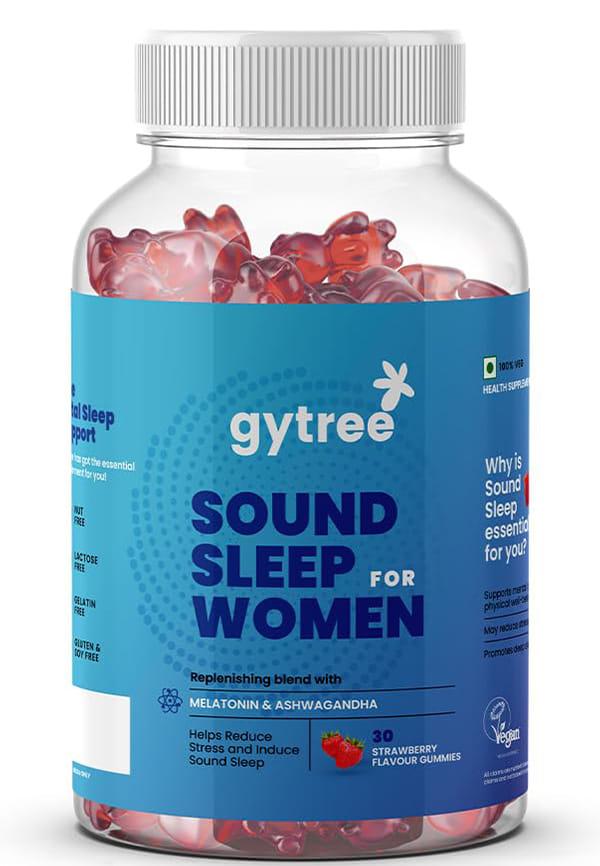 30 Units
The Total Sound Sleep Gummies
Your daily mental health habits must fit your actual life, not an idealised version of it. Different lifestyles require different approaches to building sustainable mental wellness practices.
Desk-based mindfulness practices include the 4-7-8 breathing technique between meetings or mindful eating during lunch. Transform your commute into mental health time by listening to guided meditations, practising gratitude, or doing breathing exercises. Use lunch breaks for renewal with short walks, stretching, or calling a friend.
Family-inclusive wellness habits benefit everyone whilst supporting your own emotional resilience. Practice gratitude together at dinner, do family yoga sessions, or create bedtime appreciation rituals. Thirty-second reset techniques—like taking three deep breaths in the bathroom—provide quick stress management when you can't step away.
Study break mental health habits prevent burnout and improve focus. Try the Pomodoro Technique with mindfulness breaks between study sessions. Social anxiety management techniques include grounding exercises (naming five things you can see, four you can touch, three you can hear) and positive self-talk practices.
Tracking your mental health habits shouldn't become another source of stress. Simple methods work best—use a basic calendar to mark days you completed your chosen habits or rate your overall mood on a scale of 1-10 each evening. Weekly check-ins help you adjust your routine as needed. Ask yourself: Which habits felt natural this week? What obstacles did I encounter? How did my mood and energy levels change? Monthly reviews allow for bigger adjustments and celebration of progress. Building flexibility into your routine ensures long-term success. Life happens—some days you'll miss habits, and that's perfectly normal. The key is returning to your routine without self-judgement. Consider having "minimum viable" versions of your habits for challenging days. Just as Smytten helps you discover products that truly work for your lifestyle through trial-sized options, building mental health habits requires experimentation to find what genuinely supports your wellbeing. With over 25 million users trusting Smytten's approach to trying before committing, the same principle applies to wellness habits—start small, test what works, and build from there.
 15 ml
15 mlThe Good Sleep Blend Essential Oil
The most effective daily mental health habits include consistent sleep schedules, mindful breathing exercises, regular physical movement, social connection, and gratitude practices. These habits work synergistically to support emotional wellbeing and build resilience over time.
Research suggests it takes 21-66 days to form new habits, with simpler habits forming faster. Start with two-minute practices and focus on consistency rather than perfection. Most people notice improvements in mood and stress levels within the first week of consistent practice.
Daily habits provide excellent anxiety relief and depression support as part of a comprehensive approach to mental wellness. Mindfulness practices, regular exercise, and social connection have strong research backing for improving symptoms. However, professional support remains important for clinical anxiety and depression.
The best time depends on your schedule and preferences. Morning habits like gratitude and breathing exercises set a positive tone for the day. Evening practices like reflection and relaxation support better sleep. Consistency matters more than timing—choose times you can maintain regularly.
Start incredibly small to build confidence and momentum. Track your progress visually, celebrate small wins, and focus on how the habits make you feel rather than perfect execution. Having an accountability partner or joining online communities can provide additional motivation and support.
Building daily mental health habits that actually stick requires a thoughtful, personalised approach rather than a one-size-fits-all solution. Focus on small, sustainable changes that integrate naturally into your existing routine. The five core categories—mindfulness practices, physical foundation habits, social connection, cognitive health, and stress management—provide a comprehensive framework for supporting your emotional wellbeing. Remember that consistency trumps perfection every time. Your mental wellness journey is uniquely yours, and what works for others might need adaptation for your lifestyle. Start with one or two habits that genuinely appeal to you, use the habit stacking method to build momentum, and adjust your approach based on what you learn about yourself along the way. Just as Smytten believes you should never have to settle for products that don't truly work for you, your mental health habits should feel supportive, sustainable, and genuinely beneficial to your daily life.
