How to Build a Balanced Diet for Lasting Energy


 150 gm
Aromatherapy Sleep Serenity Soy Candle Lavender
Ever wondered why some people seem to have endless energy whilst others crash by 3 PM? The secret isn't in energy drinks or caffeine fixes—it's in building a balanced diet for energy that keeps you going strong all day long. Your food choices directly impact how you feel, think, and perform. When you fuel your body with the right combination of nutrients at the right times, you're setting yourself up for sustained vitality that doesn't rely on quick fixes. Let's dive into how you can create an eating pattern that supports lasting energy and overall wellness.
Your body is basically a sophisticated energy-conversion machine, turning everything you eat into fuel for your cells. When you understand how this process works, building a diet and energy levels connection becomes much clearer.
Think of your blood sugar as your energy thermostat. When you eat refined sugars or processed foods, your blood sugar spikes rapidly, giving you that initial energy rush. But what goes up must come down—and it usually crashes harder than it rose. This rollercoaster effect leaves you feeling drained, foggy, and reaching for another quick fix.
On the flip side, whole foods provide steady, reliable fuel. Complex carbohydrates break down slowly, proteins help stabilise blood sugar, and healthy fats provide long-lasting energy. These nutritional energy sources work together to keep your cellular powerhouses—your mitochondria—running smoothly throughout the day.
The key is maintaining that sweet spot where your blood sugar stays stable. When your glucose levels are steady, your brain gets consistent fuel, your muscles have reliable energy, and you avoid those dreaded afternoon slumps that make you want to crawl under your desk.
Building your energy arsenal starts with knowing which energy boosting foods deserve a permanent spot in your kitchen. These aren't trendy superfoods that cost a fortune—they're accessible, nutritious options that actually work.
Your brain runs on glucose, so carbs aren't the enemy—refined ones are. Stock up on oats for breakfast, brown rice for lunch bowls, quinoa for dinner, and sweet potatoes when you need something comforting. These foods for sustained energy release glucose slowly, keeping your energy levels steady for hours.
Protein doesn't just build muscle—it's crucial for stable energy. Eggs are perfect for breakfast, beans and lentils work brilliantly in salads and soups, Greek yoghurt makes an excellent snack, and fatty fish like salmon provide both protein and energy-supporting omega-3s.
Don't fear fats—embrace the right ones. Walnuts, almonds, and chia seeds are portable energy boosters. Avocados add creaminess to meals whilst providing lasting fuel. These fats help slow digestion, making your energy last longer.
Bananas bring potassium for muscle function, berries pack antioxidants that fight fatigue-causing inflammation, and dark leafy greens provide iron to prevent energy-sapping anaemia. Fresh produce isn't just about vitamins—it's about sustained vitality.
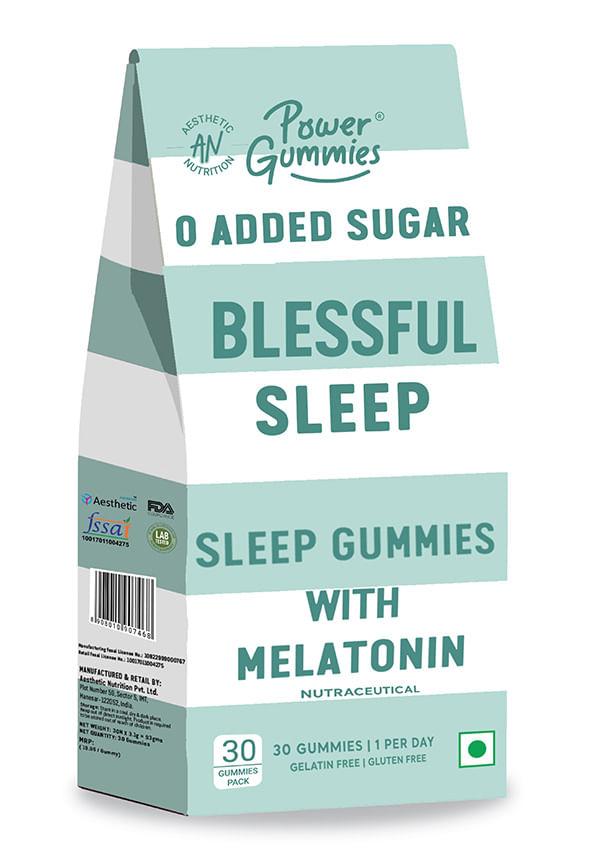 30 Gummies
Blessful Beauty Sleep Gummies with Melatonin, Now with 0 Added Sugar
When hunger strikes between meals, reach for dark chocolate (yes, really!), mixed nuts, or whole fruit. These best foods for energy satisfy cravings whilst supporting your energy goals.
Now that you know what to eat, let's talk about putting it all together. A solid energy diet plan isn't about strict rules—it's about creating a sustainable pattern that works with your lifestyle.
The magic formula for balanced nutrition for wellness is surprisingly simple: aim for 50-60% of your calories from complex carbohydrates, 10-15% from protein, and 25-35% from healthy fats. But don't stress about calculating every gram—use the plate method instead.
Fill half your plate with vegetables and fruits, one quarter with lean protein, and one quarter with complex carbohydrates. This visual approach takes the guesswork out of balanced eating and naturally provides the nutrients your body needs for sustained energy.
For busy professionals: overnight oats with berries for breakfast, quinoa salad with chickpeas for lunch, and grilled fish with roasted vegetables for dinner. For students: scrambled eggs with whole grain toast, lentil soup with brown bread, and stir-fried vegetables with tofu over brown rice.
Your hand is your best measuring tool. A palm-sized portion of protein, a cupped handful of carbs, a thumb-sized portion of fats, and as many vegetables as you can fit on your plate. This approach prevents energy crashes from overeating whilst ensuring you get enough fuel.
When you eat matters almost as much as what you eat. Strategic timing can transform your energy levels and make healthy eating for energy feel effortless rather than restrictive.
Your body thrives on routine, so aim to eat every 3-4 hours. This doesn't mean constant snacking—it means planned meals and snacks that prevent your blood sugar from dropping too low. When you go too long without eating, your body goes into conservation mode, leaving you feeling sluggish and unfocused.
Before exercise, have a small snack with carbs and a bit of protein about 30-60 minutes beforehand. Think banana with almond butter or Greek yoghurt with berries. After your workout, refuel within two hours with protein and carbs to support recovery and maintain energy.
That 3 PM energy crash isn't inevitable. Build your lunch around protein and complex carbs, avoid heavy, greasy foods that require lots of energy to digest, and consider a mid-afternoon snack if you eat dinner late. This approach supports your diet for vitality throughout the entire day.
 Pack of 16
Sweet Sleep Tea
Skipping breakfast is like trying to drive a car on empty. Your metabolism has been fasting all night, and it needs fuel to get going. A balanced breakfast with protein, complex carbs, and healthy fats sets the tone for stable energy all day.
Food is just one piece of the energy puzzle. Your wellness diet extends beyond what's on your plate to include how you hydrate, sleep, and manage stress.
Dehydration is one of the sneakiest energy thieves. Even mild dehydration can cause fatigue, brain fog, and mood changes. Aim for 6-8 glasses of water daily, more if you're active or live in a hot climate. Your urine should be pale yellow—that's your hydration sweet spot.
Caffeine isn't evil, but timing matters. Have your coffee or tea in the morning and early afternoon, but avoid it after 2 PM to protect your sleep. Poor sleep destroys your energy the next day, creating a vicious cycle that no amount of good food can fix.
When you're sleep-deprived, your body craves quick energy from sugary, processed foods. Quality sleep helps regulate hunger hormones and supports better food choices. Aim for 7-9 hours nightly, and notice how much easier it becomes to stick to your energy-supporting eating plan.
Chronic stress depletes your energy reserves and can lead to emotional eating. Include stress-fighting foods like dark chocolate, green tea, and omega-3 rich fish in your diet. Regular meals also help manage stress by keeping blood sugar stable.
Knowing what to avoid is just as important as knowing what to include. Some foods and habits are energy vampires, draining your vitality without you realising it.
Refined sugars and processed foods are the biggest culprits. They provide quick energy followed by dramatic crashes, leaving you more tired than before. This includes obvious sources like sweets and fizzy drinks, but also hidden sugars in sauces, cereals, and packaged snacks.
Large, heavy meals require significant energy to digest, leaving less available for your daily activities. Eating too much at once, even healthy foods, can make you feel sluggish. Alcohol also disrupts sleep quality and blood sugar stability, impacting next-day energy levels.
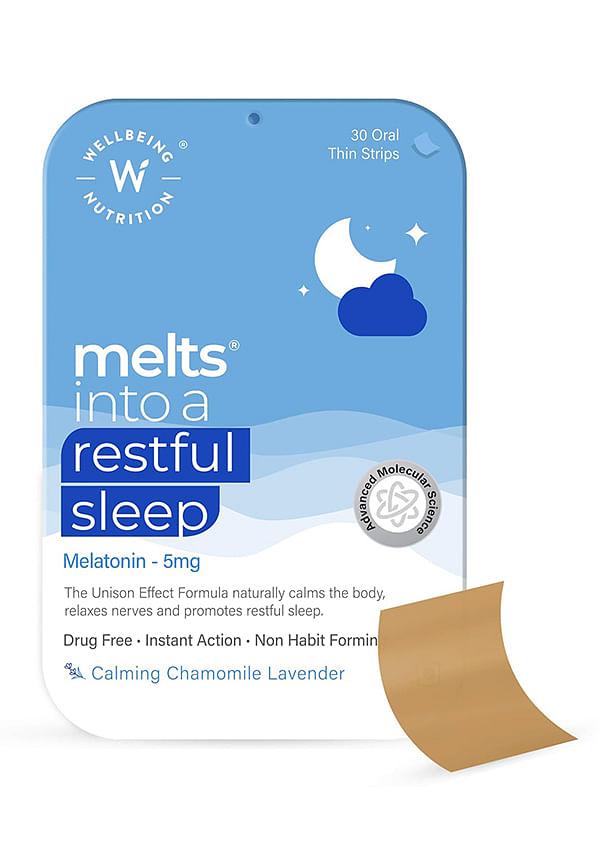 30 Strips
Melts Restful Sleep | Plant-Based Melatonin 5mg for Deep Sleep 30 Oral Strips
Late-afternoon caffeine can interfere with sleep, creating an energy deficit the following day. If you need an afternoon pick-me-up, try a short walk, some fresh air, or a protein-rich snack instead.
Everyone's different. Keep a food and energy diary for a week to identify patterns. You might discover that certain foods, even healthy ones, don't work well for your body. This personalised approach helps you fine-tune your energy diet plan for optimal results.
Just as you might try different wellness products to find what works best for your body, building the perfect energy-supporting diet often involves some experimentation. Platforms like Smytten make it easy to explore new health and wellness products through trial sizes, helping you discover what truly supports your vitality without committing to full-size purchases you might not love.
A diet rich in complex carbohydrates, lean proteins, and healthy fats, eaten in smaller, balanced meals throughout the day to maintain steady blood sugar levels. Focus on whole foods like oats, quinoa, beans, fish, nuts, and plenty of vegetables and fruits.
Whole grains like oats and brown rice, leafy greens such as kale and spinach, legumes including beans and lentils, fruits with skin like apples and pears, and vegetables such as sweet potatoes and broccoli all provide sustained energy and fight fatigue.
Eat three balanced meals per day, drink three bottles of water (approximately 1.5-2 litres) by mid-afternoon, and engage in three hours of physical activity weekly. This simple framework supports consistent energy levels.
Most people notice improved energy within 1-2 weeks of consistent healthy eating, with peak benefits appearing after 4-6 weeks. Your body needs time to adjust to new eating patterns and stabilise blood sugar levels.
Absolutely! Follow the 80/20 rule—focus on nutrient-dense foods 80% of the time whilst allowing flexibility for treats 20% of the time. This approach is sustainable and prevents feelings of deprivation that can lead to energy-draining binges.
Building a balanced diet for energy isn't about perfection—it's about creating sustainable habits that support your vitality long-term. Focus on whole foods, eat regularly, stay hydrated, and listen to your body's signals. Remember that small, consistent changes often lead to the biggest improvements in how you feel.
Your energy levels are deeply connected to your food choices, but they're also influenced by sleep, stress, and hydration. Take a holistic approach, and don't be afraid to experiment to find what works best for your unique lifestyle and preferences. With Smytten's extensive range of wellness products available in trial sizes, you can explore different nutritional supplements and health products that might complement your energy-boosting diet, all whilst making informed choices about what truly supports your wellbeing. After all, why settle for feeling tired when you can discover what helps you thrive?
