How to Boost Energy for Busy Women Naturally


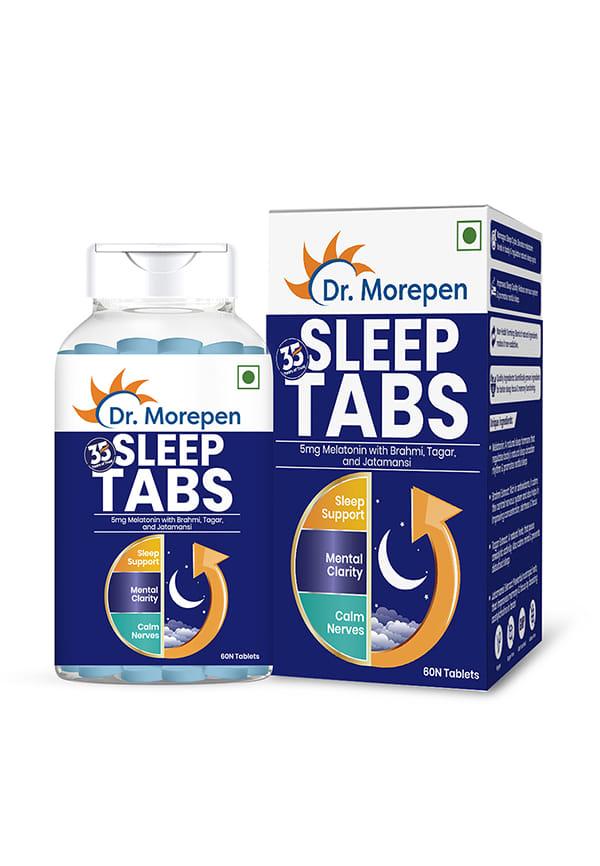 60 Tablet
Sleep Tabs with 5mg melatonin, Brahmi, Tagar & Jatamansi, Sleeping Tablets for Stress Free Sleep & Calmness - 60 Tablets
Let's be real—being a busy woman in 2026 feels like running a marathon whilst juggling flaming torches. Between work deadlines, family commitments, and trying to maintain some semblance of a social life, it's no wonder you're constantly asking yourself, "Where did all my energy go?" If you're tired of feeling tired and ready to discover natural ways to boost energy without relying on your fifth cup of coffee, you're in the right place. We're diving into science-backed strategies that actually work for real women with real schedules.
The struggle for energy for busy women isn't just about being tired—it's about facing unique challenges that men simply don't experience. Your energy levels fluctuate with your menstrual cycle, thanks to hormonal changes that can leave you feeling drained for weeks at a time. Add to that the mental load of remembering everyone's schedules, managing household tasks, and excelling at work, and you've got a perfect storm for exhaustion.
Here's what's really happening when you feel constantly drained:
Hormonal fluctuations: Oestrogen and progesterone levels impact your energy throughout the month
Mental load fatigue: Constantly planning and organising burns cognitive energy
Multitasking myth: Switching between tasks actually depletes your brain's glucose reserves
Stress-fatigue cycle: Chronic stress elevates cortisol, which disrupts sleep and energy production
Iron deficiency: More common in women due to menstruation, affecting oxygen transport
The key to breaking this cycle is understanding that your energy needs are different, and generic advice won't cut it. You need strategies that work with your biology, not against it.
This game-changing daily routine is specifically designed to increase energy levels from the moment you wake up. The 30-30-30 rule involves eating 30g of protein within 30 minutes of waking, followed by 30 minutes of low-intensity exercise. Sounds simple? That's because it is—and that's why it works for busy women.
Starting your day with 30g of protein stabilises blood sugar and prevents the energy crashes that come with carb-heavy breakfasts. Think Greek yoghurt with nuts, scrambled eggs, or a protein smoothie you can sip on your commute.
Overnight oats with protein powder and chia seeds
Hard-boiled eggs prepared the night before
Greek yoghurt parfait with berries and granola
Protein smoothie with spinach, banana, and almond butter
Cottage cheese with sliced fruit
This isn't about intense workouts that leave you more exhausted. Low-intensity movement like walking, gentle yoga, or stretching increases circulation and releases endorphins without depleting your energy reserves. Even a 10-minute walk around the block counts.
When you're constantly on the go, grabbing energy boosting foods becomes crucial for maintaining steady energy levels. The trick is choosing foods that provide sustained energy rather than quick spikes followed by crashes.
These natural energy boosters keep you going without the afternoon slump:
Complex carbs: Quinoa, sweet potatoes, and oats release energy slowly
Healthy fats: Avocados, nuts, and seeds provide long-lasting fuel
Lean proteins: Chicken, fish, and legumes maintain stable blood sugar
Iron-rich foods: Spinach, lentils, and lean red meat combat fatigue
B-vitamin foods: Eggs, leafy greens, and whole grains support energy metabolism
Keep these in your bag for instant energy without the crash:
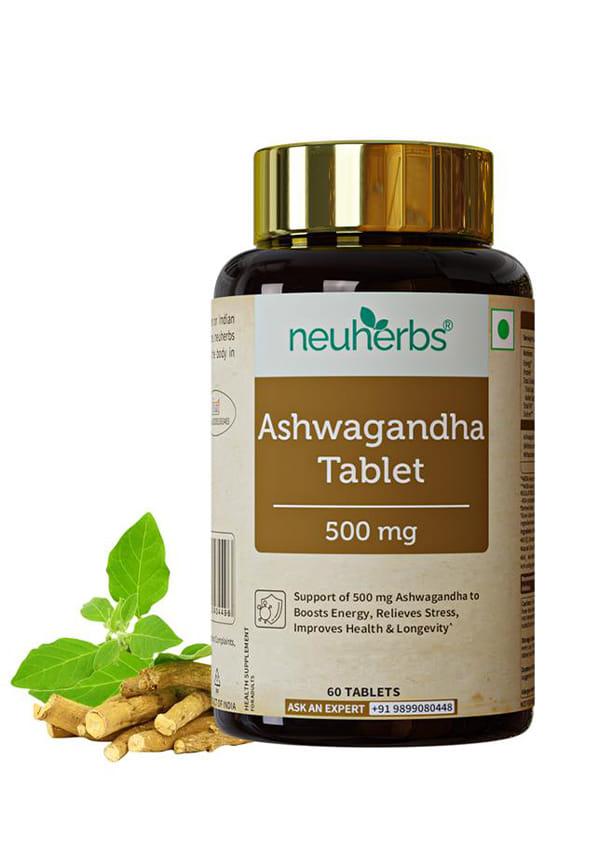 60 Tabs
Ashwagandha Tablets,Reduce Stress & Support Sleep Cycle
Apple slices with almond butter
Trail mix with dark chocolate
Hummus with carrot sticks
Energy balls made with dates and nuts
Greek yoghurt with berries
Dehydration is a sneaky energy thief. Add lemon, cucumber, or mint to your water for variety, and consider coconut water for natural electrolytes after workouts.
Sometimes food alone isn't enough, especially when you're dealing with nutrient deficiencies common in busy women. Energy supplements can fill the gaps, but knowing which ones actually work is crucial.
Iron: If you're menstruating, you're at higher risk for iron deficiency. Low iron means less oxygen transport, leading to fatigue. Get tested before supplementing, as too much iron can be harmful.
B-Complex vitamins: These powerhouses support energy metabolism at the cellular level. B12 is particularly important for vegetarians and vegans.
Vitamin D: Low levels are linked to fatigue and mood issues. Most people are deficient, especially during winter months.
These herbs help your body adapt to stress whilst maintaining energy:
Ashwagandha: Reduces cortisol and improves energy without jitters
Rhodiola: Enhances mental clarity and physical endurance
Ginseng: Supports adrenal function and combats fatigue
CoQ10: Essential for cellular energy production, especially important as you age. Magnesium: Involved in over 300 enzymatic reactions, including energy production.
When you need to boost energy fast, these quick techniques work like magic. The best part? You can do them at your desk, in your car, or even in a bathroom stall (we've all been there).
The 4-7-8 breath: Inhale for 4, hold for 7, exhale for 8. This activates your parasympathetic nervous system and increases alertness.
Shoulder blade squeeze: 10 reps to improve posture and circulation
Neck rolls: Release tension that drains energy
Calf raises: Get blood flowing whilst standing at your desk
Seated spinal twist: Energise your core and spine
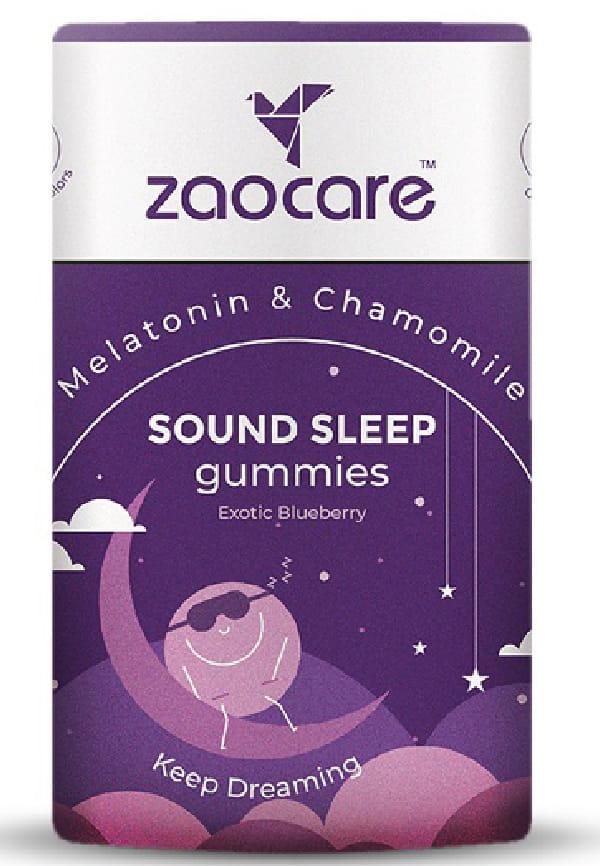 30 Gummies
Sound Sleep Gummies | Non Habit Forming | Plant Based | With Melatonin, Chamomile & Ashwagandha
If you can squeeze in a nap, keep it to 10-20 minutes. Longer naps can leave you groggier than before. Set an alarm and nap before 3 PM to avoid disrupting nighttime sleep.
Sometimes fatigue is mental, not physical. Try the 5-4-3-2-1 grounding technique: Name 5 things you can see, 4 you can touch, 3 you can hear, 2 you can smell, and 1 you can taste. This resets your nervous system and boosts mental clarity.
Creating a healthy lifestyle that supports sustained energy isn't about perfection—it's about consistency with the basics. Your daily routine should work with your natural rhythms, not against them.
Beyond the 30-30-30 rule, consider these energy-boosting morning habits:
Expose yourself to natural light within 30 minutes of waking
Drink a large glass of water before coffee
Set three priorities for the day to avoid decision fatigue
Practice gratitude to boost mood and energy
Eat every 3-4 hours to maintain stable blood sugar. Include protein and healthy fats with each meal to slow glucose absorption and prevent energy crashes.
Aim for 7-9 hours of sleep, but consistency matters more than duration. Go to bed and wake up at the same time daily, even on weekends. Your circadian rhythm will thank you with better energy.
Batch similar tasks together to reduce mental switching costs. Handle emails at set times rather than constantly throughout the day. This preserves cognitive energy for more important decisions.
Here's the thing about stress management—it's not about eliminating stress (impossible for busy women), but about managing it in ways that energise rather than drain you. Chronic stress is one of the biggest energy thieves, but the right strategies can actually boost your vitality.
Short bursts of stress (like a workout or exciting project) can be energising. It's the chronic, low-level stress that depletes you. Learning to identify and address the latter is crucial for maintaining energy.
Box breathing: 4 counts in, hold 4, out 4, hold 4—instant calm
Progressive muscle relaxation: Tense and release muscle groups for 30 seconds each
Mindful moments: Focus fully on one activity for 2 minutes
Gratitude pause: List three things you're grateful for right now
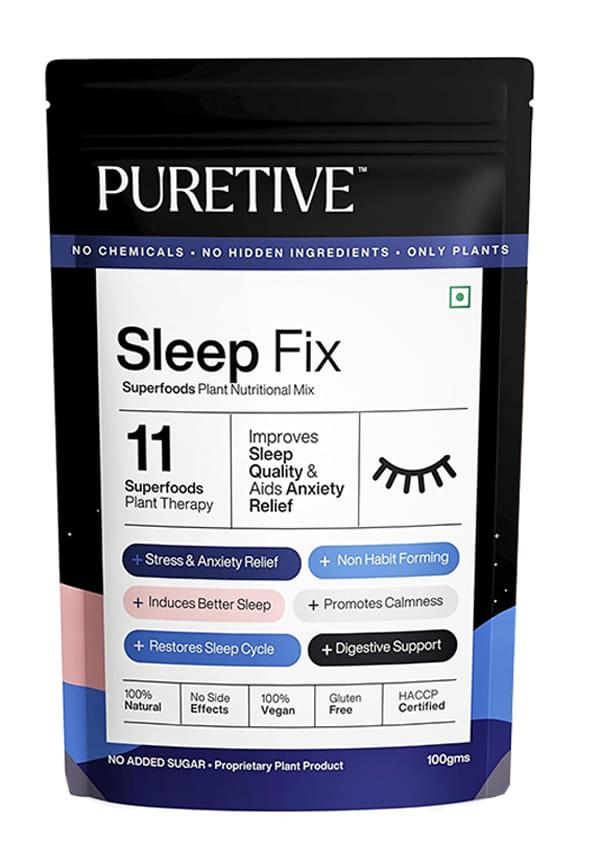 100 gm
Sleep Fix Superfoods Mix | Natural Melatonin
Learning to say no isn't selfish—it's essential for energy management. Start small: "I can't take on that project this week, but I could help next month." Protecting your energy means you'll have more to give when it really matters.
Constant notifications drain mental energy. Set specific times for checking emails and social media. Use "Do Not Disturb" modes liberally. Your brain needs breaks from digital stimulation to recharge.
Speaking of discovering what works for your unique needs, platforms like Smytten make it easier to explore wellness products without the commitment. With curated trial packs from trusted brands, you can test energy-supporting supplements and wellness products before investing in full sizes—perfect for busy women who want to optimise their wellness tips routine efficiently.
Try the 4-7-8 breathing technique, drink a large glass of water, and do 10 jumping jacks. If possible, step outside for 5 minutes of natural light. These quick fixes can provide immediate energy whilst you address underlying causes.
Focus on protein-rich snacks, stay hydrated, and try peppermint essential oil (smell it or apply to temples). Cold water on your wrists or a 2-minute walk can also provide caffeine-free energy boosts.
Iron (if deficient), B-complex vitamins, vitamin D, and magnesium are the most evidence-based. Adaptogens like ashwagandha can help with stress-related fatigue. Always consult a healthcare provider before starting new supplements.
Track your cycle to anticipate low-energy phases. Increase iron-rich foods during menstruation, prioritise sleep during PMS, and consider magnesium supplements. Gentle exercise and stress management become even more crucial during hormonal fluctuations.
Bananas with nut butter, dates stuffed with almonds, or Greek yoghurt with berries provide quick but sustained energy. Avoid sugary snacks that cause crashes—you need fuel that lasts.
Combine movement, breathing, and hydration: Do 2 minutes of jumping jacks, practice box breathing for 3 minutes, drink a large glass of water, and spend 5 minutes in natural light or doing desk stretches.
Building sustainable energy as a busy woman isn't about finding one magic solution—it's about creating a toolkit of strategies that work with your unique lifestyle and biology. From the 30-30-30 morning routine to strategic stress management, these science-backed approaches can transform how you feel and function daily.
Remember, small changes compound over time. Start with one or two strategies that feel most doable for your current schedule, then gradually add others as they become habits. Your energy levels—and your future self—will thank you for taking these steps today.
The journey to sustained energy is personal, and what works for your friend might not work for you. That's where exploring different wellness approaches becomes valuable. With platforms that let you try before you commit, you can discover the supplements, wellness products, and routines that truly support your energy goals without the guesswork or financial risk.
