How to Achieve Sustainable Weight Loss with Smart Diet and Weight Management


 Pack of 16
Sweet Sleep Tea
Let's be real—sustainable weight loss isn't about crash diets or miracle fixes that promise overnight results. It's about creating a lifestyle that actually works for you, one that you can stick with long after the initial motivation wears off. The secret lies in smart diet and weight management strategies that focus on gradual changes, proper nutrition, and realistic goals. Whether you're just starting your wellness journey or looking to break through a plateau, understanding the fundamentals of healthy weight loss can make all the difference. Real talk: it's not about perfection, it's about progress.
Diet and weight management is essentially the science of balancing what you eat with how much energy your body uses. It's not just about eating less—it's about eating smarter and creating sustainable habits that support your overall wellness goals. The key is understanding that your body weight is influenced by multiple factors including your age, height, sex, genetics, and lifestyle choices.
Sustainable weight loss focuses on long-term lifestyle changes rather than quick fixes. This means creating a moderate calorie deficit of 500-750 calories daily, which typically leads to a safe weight loss rate of 1-2 pounds per week. Your metabolism—the rate at which your body burns calories—plays a crucial role in this process, and understanding how to work with it rather than against it is essential for lasting results.
Creating a calorie deficit means consuming fewer calories than your body burns through daily activities and exercise. To calculate your daily caloric needs, you'll need to consider your basal metabolic rate (the calories your body burns at rest) plus the calories burned through physical activity. This approach ensures you're losing weight in a healthy, sustainable way that preserves muscle mass and keeps your energy levels stable.
Healthy eating isn't about restriction—it's about feeling great, having more energy, and improving your overall wellness. The foundation of any successful weight management plan lies in choosing nutrient-dense foods that fuel your body properly whilst supporting your weight loss goals.
Focus on incorporating a variety of fruits and vegetables into every meal to maximise nutrition density whilst keeping calories in check. Aim for lean proteins like chicken, fish, legumes, and tofu to maintain satiety and preserve muscle mass during weight loss. Choose whole grains over refined carbohydrates for sustained energy, and include healthy fats like olive oil, nuts, and avocados in moderation.
Including protein at every meal is one of the most effective strategies for weight management. Protein increases satiety, helping you feel fuller for longer periods, and it also has a higher thermic effect, meaning your body burns more calories digesting it. Aim for 0.8-1.2 grams of protein per kilogram of body weight daily, adjusting based on your activity level and weight loss goals.
Drinking 6-8 glasses of water daily supports your metabolism and can help control hunger. Often, what we perceive as hunger is actually thirst. Avoiding sugary drinks eliminates empty calories that can sabotage your weight loss efforts. Try drinking a glass of water before meals to help with portion control and overall satiety.
 16 Tea Bag
Sweet Dreams Chamomile Tea, Calming Tea, Relieves Soothing Sleep Tea for Stress and Anxiety
Portion control is where many people struggle, but it doesn't have to be complicated. It's about understanding appropriate serving sizes and developing mindful eating habits that help you recognise your body's hunger and fullness cues.
Using smaller plates and bowls can naturally reduce portion sizes without making you feel deprived. Learn to read food labels for accurate serving sizes, and consider using visual guides—a serving of protein should be about the size of your palm, whilst a serving of carbohydrates should fit in your cupped hand. Mindful eating practices, like eating slowly and without distractions, can help you tune into your body's signals.
Planning your meals ahead of time prevents impulsive food choices that can derail your progress. Dedicate time each week to meal prep, focusing on creating balanced meals with proper macronutrient ratios. Having healthy snacks readily available—like cut vegetables, fruits, or nuts—can prevent you from reaching for less nutritious options when hunger strikes.
Skipping meals often leads to overeating later in the day, so maintain consistent eating routines to keep your metabolism steady. When cravings hit, try drinking water first, going for a short walk, or having a small healthy snack. Social eating situations can be challenging, but planning ahead and making conscious choices can help you stay on track without feeling deprived.
Exercise is a crucial component of sustainable weight loss, not just for burning calories but for improving your overall fitness, body composition, and mental wellbeing. The key is finding activities you enjoy and can maintain consistently over time.
Aim for at least 150 minutes of moderate-intensity aerobic activity weekly, which can be broken down into manageable sessions throughout the week. Brisk walking, swimming, cycling, or dancing are excellent options that can easily fit into most schedules. Start slowly if you're new to exercise and gradually increase intensity and duration as your fitness improves.
Resistance training is essential for maintaining and building lean muscle mass whilst losing weight. Muscle tissue burns more calories at rest than fat tissue, which means strength training can boost your metabolism even when you're not exercising. Start with bodyweight exercises or light weights, focusing on proper form rather than heavy loads.
 2 lbs
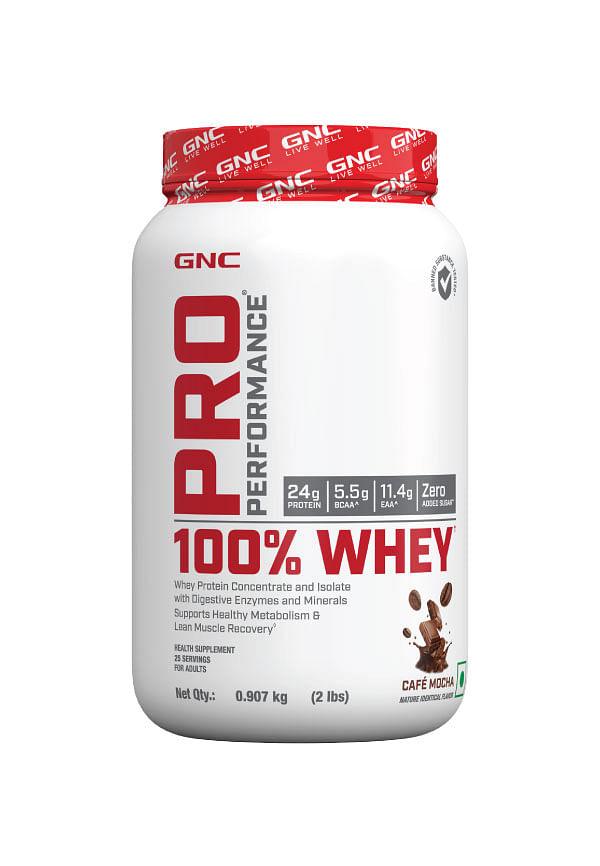
2 lbsPro Performance 100% Whey Protein Powder Cafe Mocha
There's no one-size-fits-all approach to diet and weight management, which is why it's important to understand different strategies and find what works best for your lifestyle and preferences. The most effective diet is one you can stick to long-term.
A balanced diet emphasises variety and whole foods, similar to Mediterranean and DASH diet principles. This approach focuses on eating from all food groups in appropriate proportions, making it highly sustainable for long-term weight management. It's flexible enough to accommodate different food preferences and cultural eating patterns.
Reducing overall caloric intake whilst managing fat percentages can be effective for weight loss. However, it's important not to go too low in calories, as this can slow your metabolism and make it harder to maintain weight loss. Focus on reducing calories from processed foods and added sugars rather than eliminating entire food groups.
Higher protein intake can help maintain muscle mass during weight loss whilst providing enhanced satiety and metabolic benefits. This approach works particularly well when combined with regular exercise. However, it's important to balance protein with adequate carbohydrates and healthy fats for optimal nutrition.
Tracking your progress goes beyond just stepping on the scales. True success in weight management involves monitoring various aspects of your health and wellbeing to ensure you're moving in the right direction sustainably.
Weekly weigh-ins at the same time of day can help track trends, but don't let daily fluctuations discourage you. Consider taking body measurements and progress photos to see changes that the scale might not reflect. Non-scale victories like increased energy, better sleep, or improved fitness levels are equally important indicators of success.
Preventing weight cycling requires developing sustainable lifestyle habits rather than relying on temporary diet changes. Focus on stress management techniques and ensure you're getting adequate sleep, as both factors significantly impact weight management. Building a support system of friends, family, or wellness communities can provide motivation and accountability.
Consider consulting healthcare professionals for personalised advice, especially if you have underlying health conditions or have struggled with weight management in the past. Registered dietitians can help create tailored meal plans, whilst fitness professionals can design safe and effective exercise programmes. Don't hesitate to seek help when you need it—professional guidance can make your journey more effective and enjoyable.
 150gm
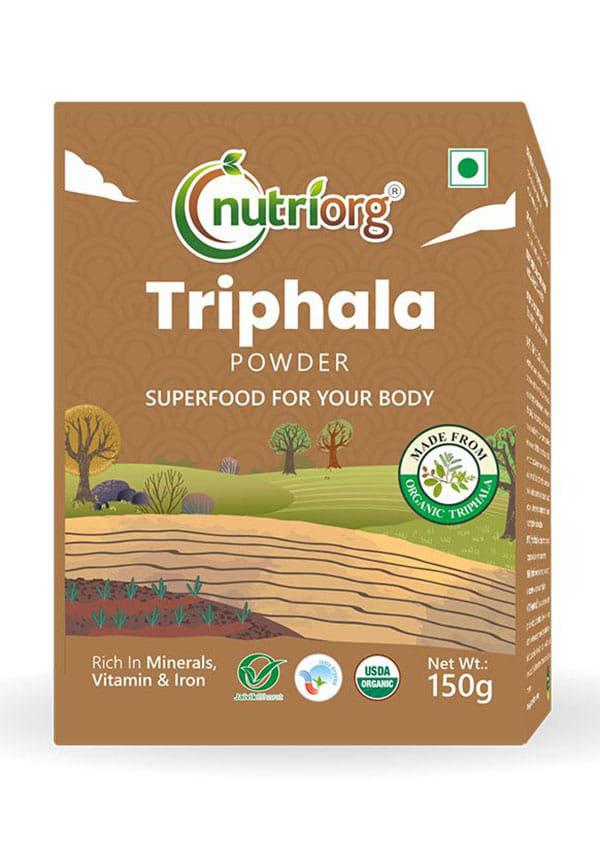
150gmTriphla Powder
The 3-3-3 rule typically refers to eating 3 balanced meals, 3 healthy snacks, and drinking 3 litres of water daily. This approach helps maintain steady energy levels and prevents overeating by keeping hunger at bay throughout the day.
Safe weight loss in a week focuses on reducing bloating and water weight through proper hydration, reducing sodium intake, eating more vegetables, and maintaining regular physical activity. Aim for 1-2 pounds maximum, as faster weight loss is often unsustainable.
The best diet for women focuses on adequate protein intake, sufficient calories to support hormonal health, and includes nutrient-dense foods like leafy greens, lean proteins, and healthy fats. Individual needs vary based on age, activity level, and health status.
Create a moderate deficit of 500-750 calories daily through a combination of reduced caloric intake and increased physical activity. This approach allows for steady weight loss whilst maintaining energy levels and metabolic health.
Yes, weight loss is possible through diet alone by creating a calorie deficit. However, exercise provides additional benefits including improved body composition, better metabolic health, and increased muscle mass that supports long-term weight maintenance.
Aim for 0.8-1.2 grams of protein per kilogram of body weight daily. Higher protein intake can increase satiety and help preserve muscle mass during weight loss, making it easier to maintain your results long-term.
Sustainable weight loss through smart diet and weight management isn't about perfection—it's about creating lasting habits that support your overall wellness journey. The key is finding an approach that fits your lifestyle, preferences, and goals whilst focusing on gradual, consistent progress rather than quick fixes.
Remember that your wellness journey extends beyond just food and exercise. Just as Smytten helps you discover the right beauty and wellness products through trial-sized options before committing to full sizes, approaching weight management with a trial-and-adjustment mindset can help you find what truly works for your body and lifestyle. Whether you're exploring new wellness supplements, fitness gear, or healthy food products, having the opportunity to try before you fully commit can make your journey more successful and enjoyable. After all, why settle for 'maybe' when you can discover what actually works for you?
